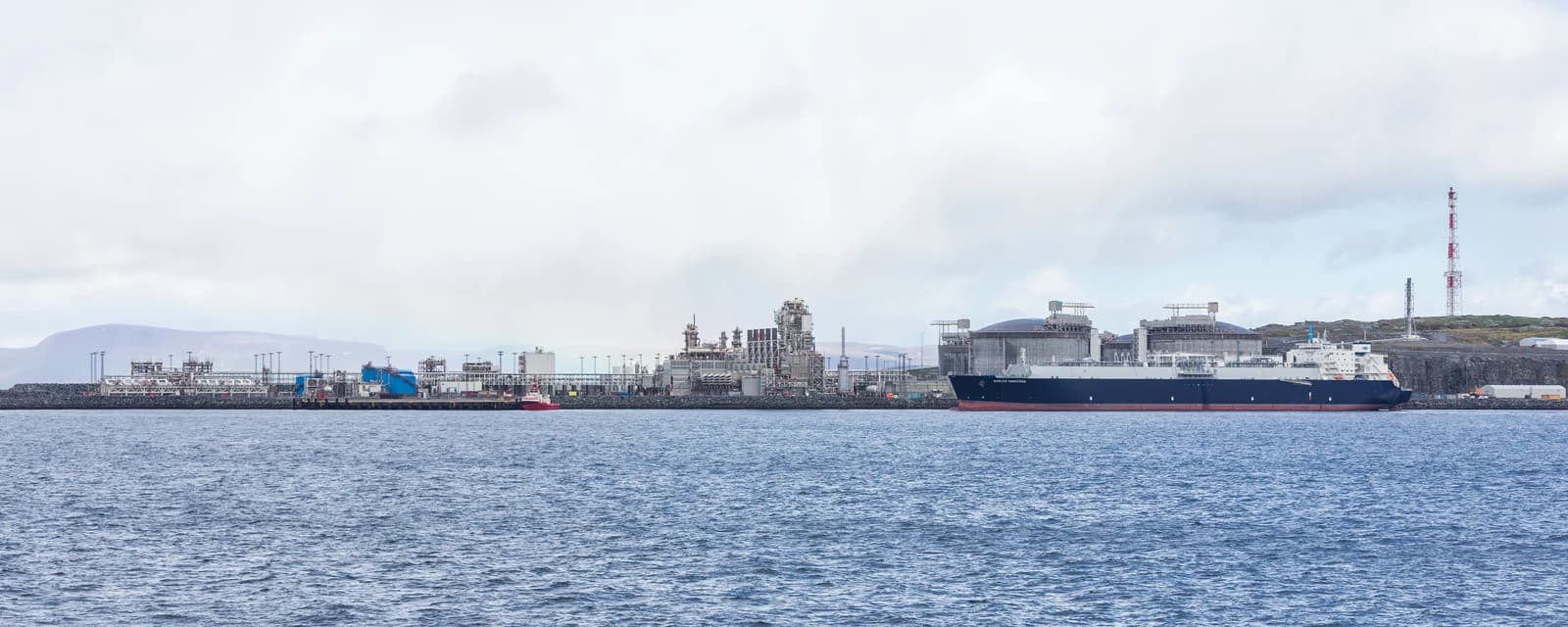
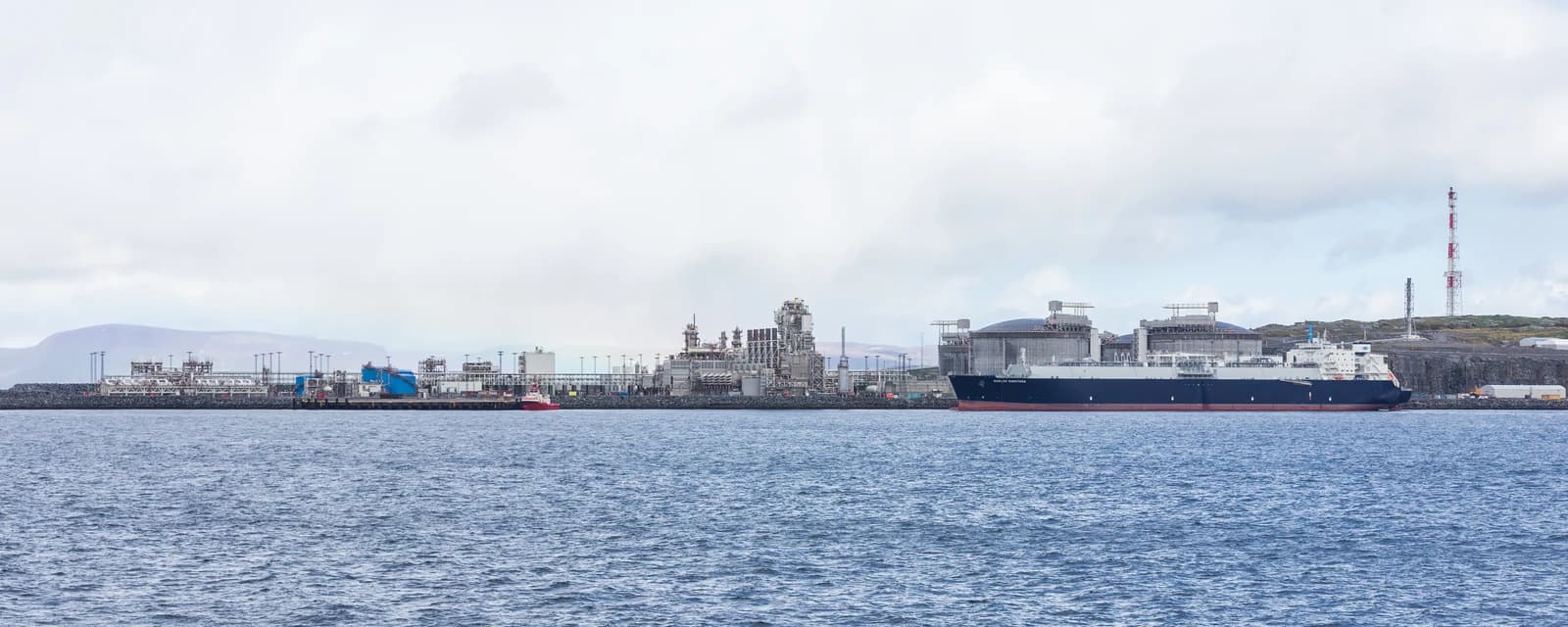
Europe’s gas market is back under pressure as renewed attacks around the Strait of Hormuz threaten LNG shipments, tightening supply just as traders rush to refill storage before winter and lifting benchmark TTF prices to 86 euros a megawatt hour, the highest since December 2022.
Europe Gas Prices Rise on Hormuz LNG Risks
The renewed risk matters because Europe is already running with inventories below the level it needs for the heating season. Gas storage is only about 74% full, short of the 90% target often viewed as necessary before winter, and buyers can no longer rely on a quick easing in Middle East shipping.
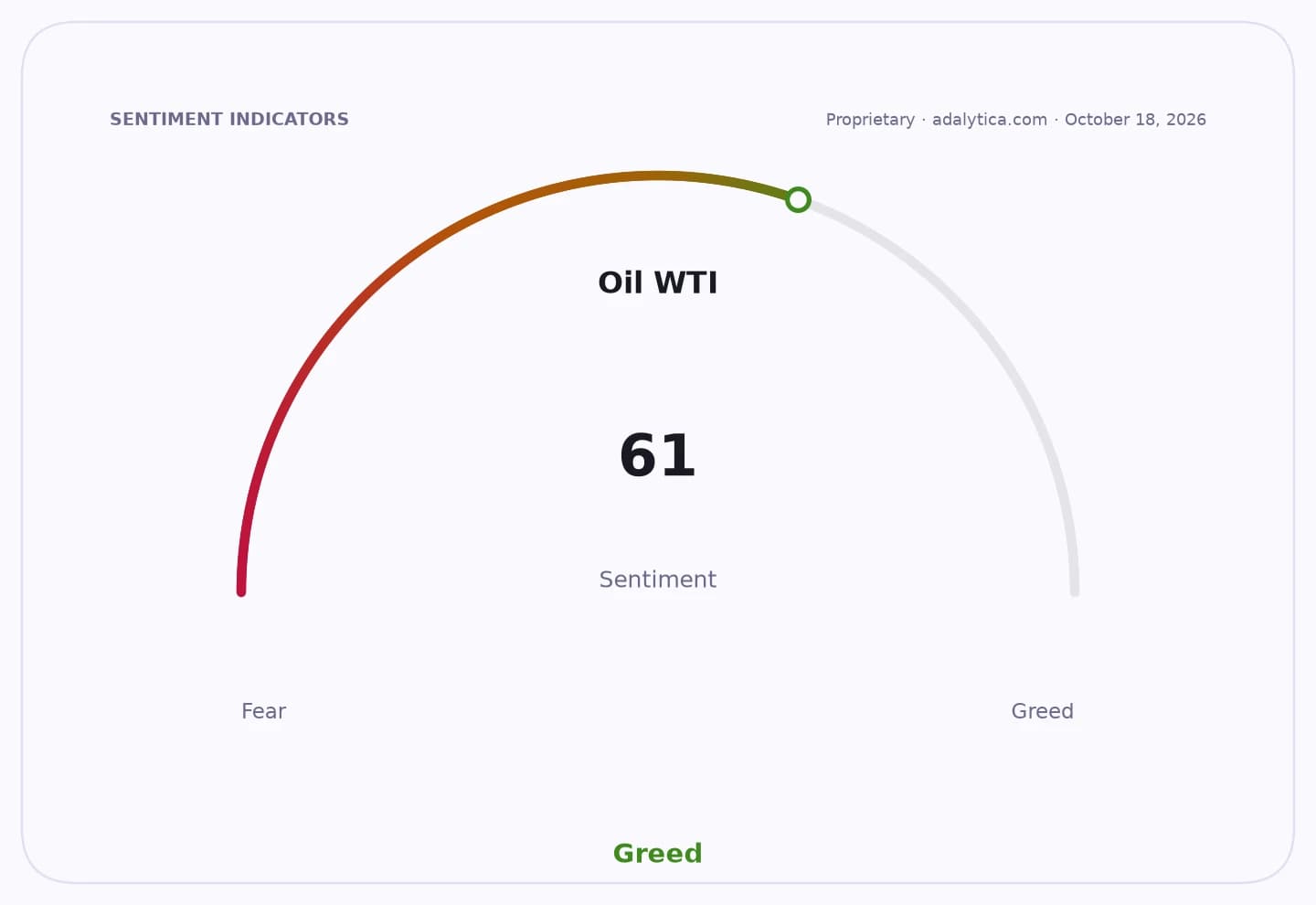
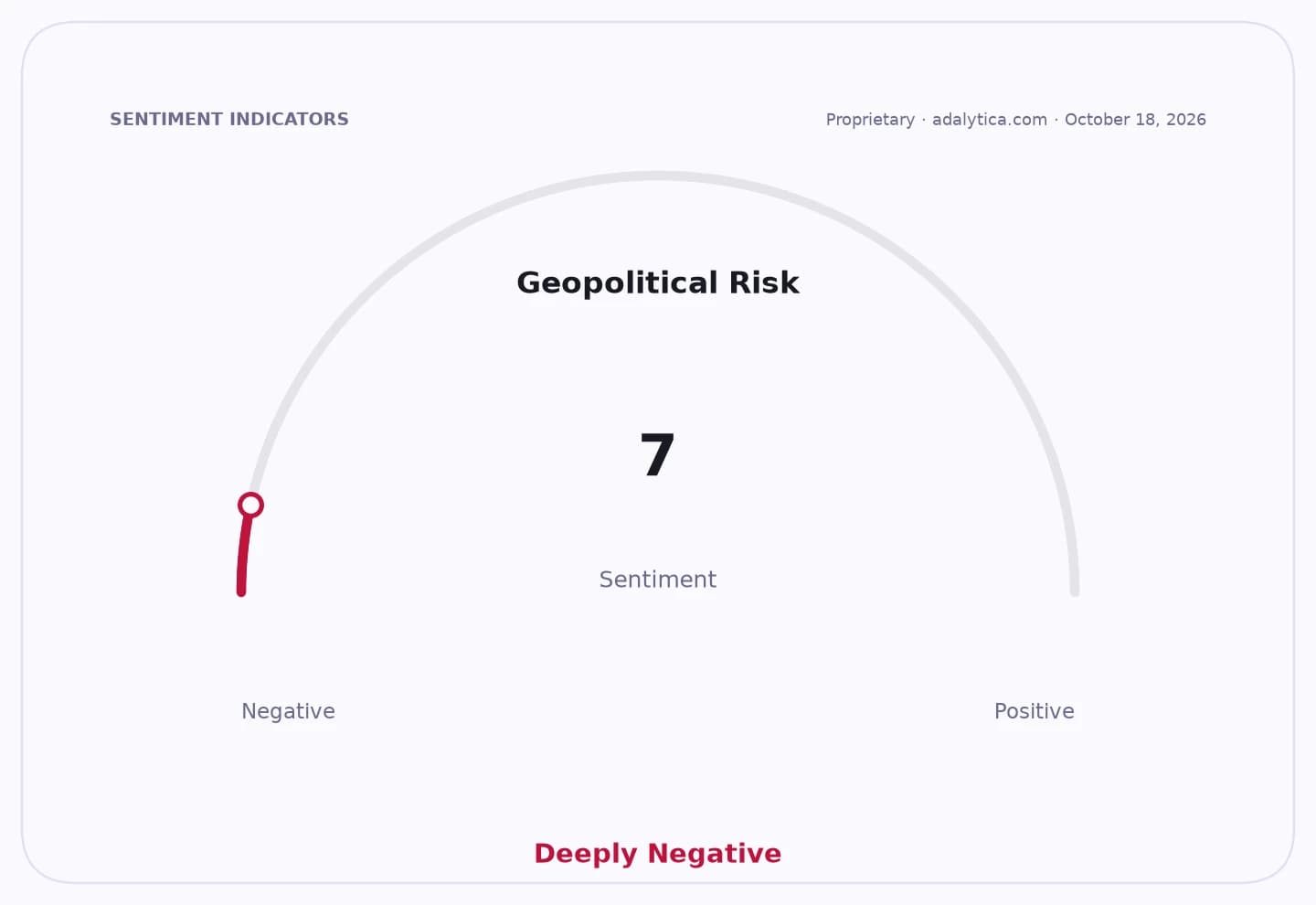
Sentiment IndicatorsⓘProprietary · adalytica.com · October 18, 2026
This is a snapshot — live sentiment, awareness and momentum for 130+ markets update continuously in the dashboard.Open AlphaPulse
That dynamic is feeding directly into power prices. Gas remains the marginal fuel in much of Europe’s electricity system, so a sustained rise in LNG costs tends to transmit into wholesale electricity and industrial energy bills, adding pressure to consumers and manufacturers already facing higher costs.
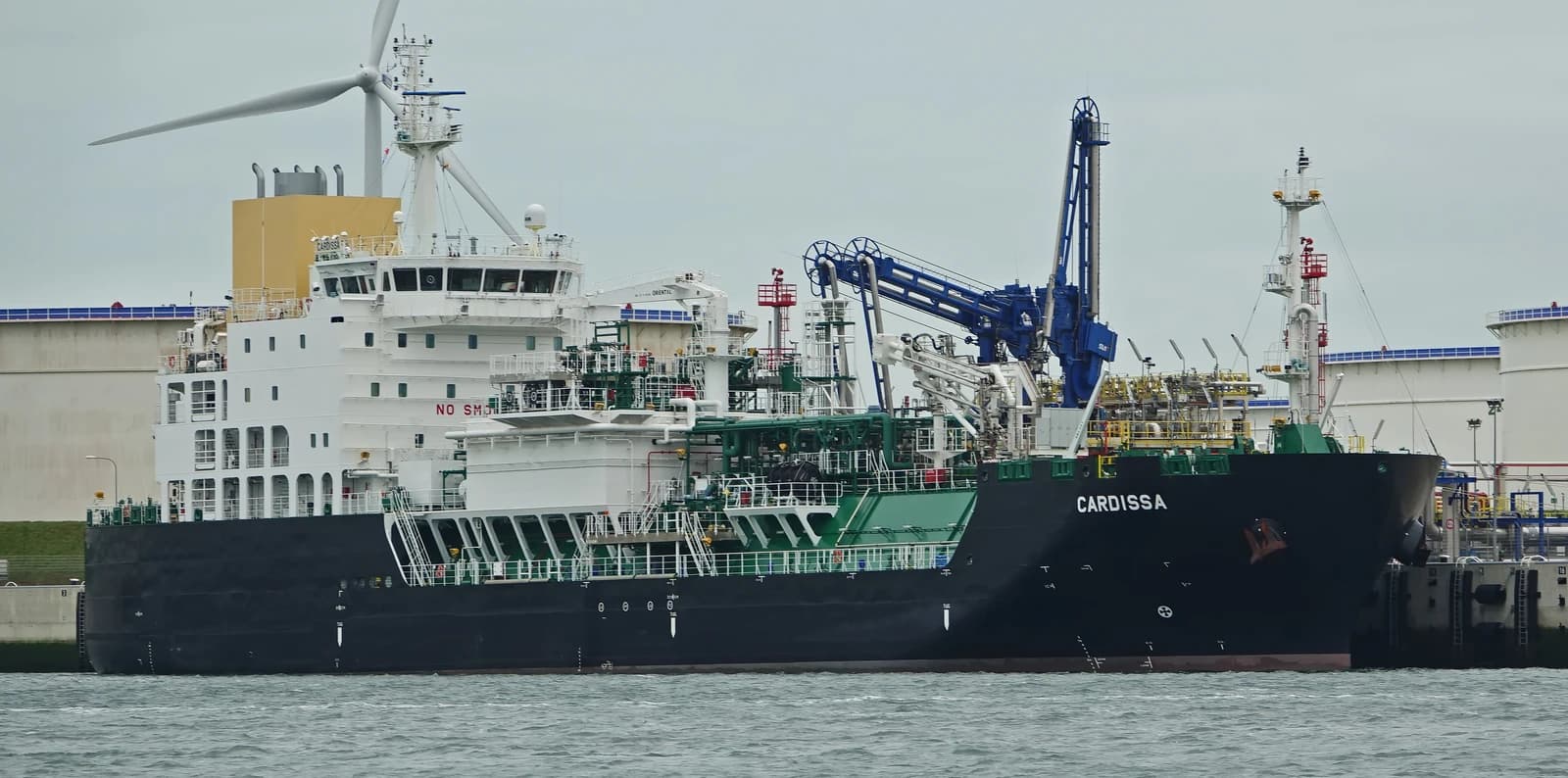
The latest disruption follows a brief improvement in September, when about 20 LNG tankers passed through Hormuz, the busiest monthly flow since the conflict began, but still far below the nearly 100 ships that moved through the waterway a year earlier. Since late September, 12 vessels have been attacked in the area, the most since the war started, and tanker and gas carrier transits in the same week fell about 10%.
Geopolitical Risk — 30-day sentimentadalytica.com
Explore this data interactively — full history, time series and cross-market comparisons.Open AlphaPulse
The conflict has also rearranged global LNG trade. Much of the Middle Eastern cargo that does move is now headed to Asia, while U.S. LNG flows have increased but are being split more evenly between Asia and Europe. That leaves Europe competing harder for supply, especially as higher prices are making some cargoes uneconomic for buyers on the continent.
For investors, the implications are straightforward: firmer gas prices support utilities and commodity-linked energy names, but they squeeze industrial demand, lift inflation expectations and can weigh on broader European growth. The energy complex has already reflected the tension, with the U.S. Energy Select Sector SPDR ETF, XLE, recently hitting fresh highs while the market remains sensitive to any further escalation.
Technical indicators in U.S. natural gas futures also point to a firmer near-term tone, with the contract trading above its 50-day and 200-day moving averages and RSI readings back near the upper end of recent ranges. But the bigger driver is still geopolitics, not chart patterns.
If Hormuz remains unstable and Asia keeps drawing a larger share of LNG, Europe may have to buy through winter at elevated prices, raising the odds that gas moves back above 100 euros a megawatt hour and pulling electricity higher with it.
| Entity | Gains | Losses |
|---|---|---|
| LNG exporters | ▲Higher realized prices | ▼Shipping and insurance risk |
| Asian buyers | ▲More available cargoes | ▼Higher import costs |
| European consumers | ▲— | ▼Higher heating and power bills |
| Utilities and energy ETFs | ▲Supportive price backdrop | ▼Demand destruction if prices stay high |