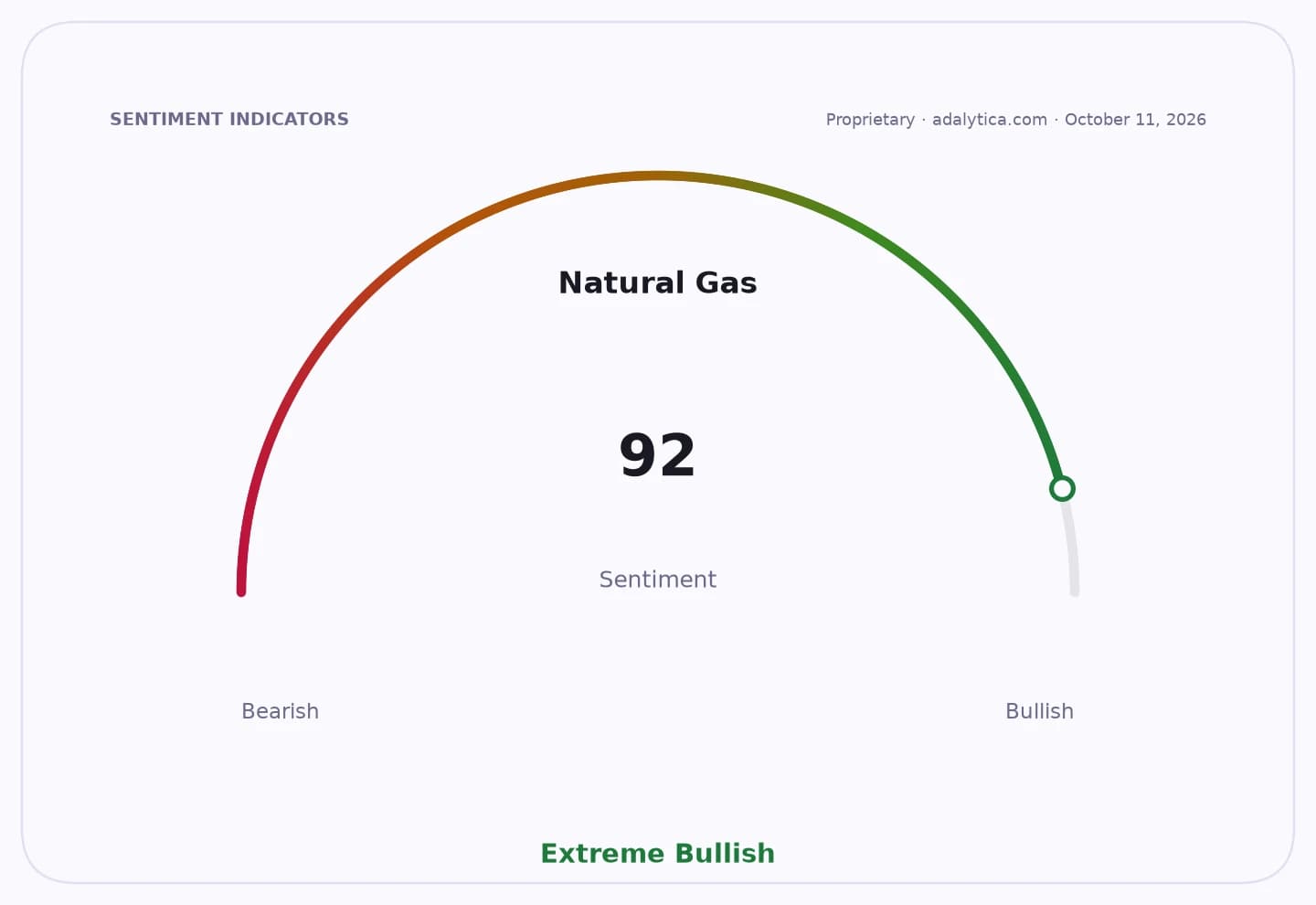
South Korea, the world’s third-largest buyer of liquefied natural gas, has cut purchases this year as elevated prices and tighter global supply make cargoes harder to justify for utilities and industry.
South Korea cuts LNG imports as prices rise
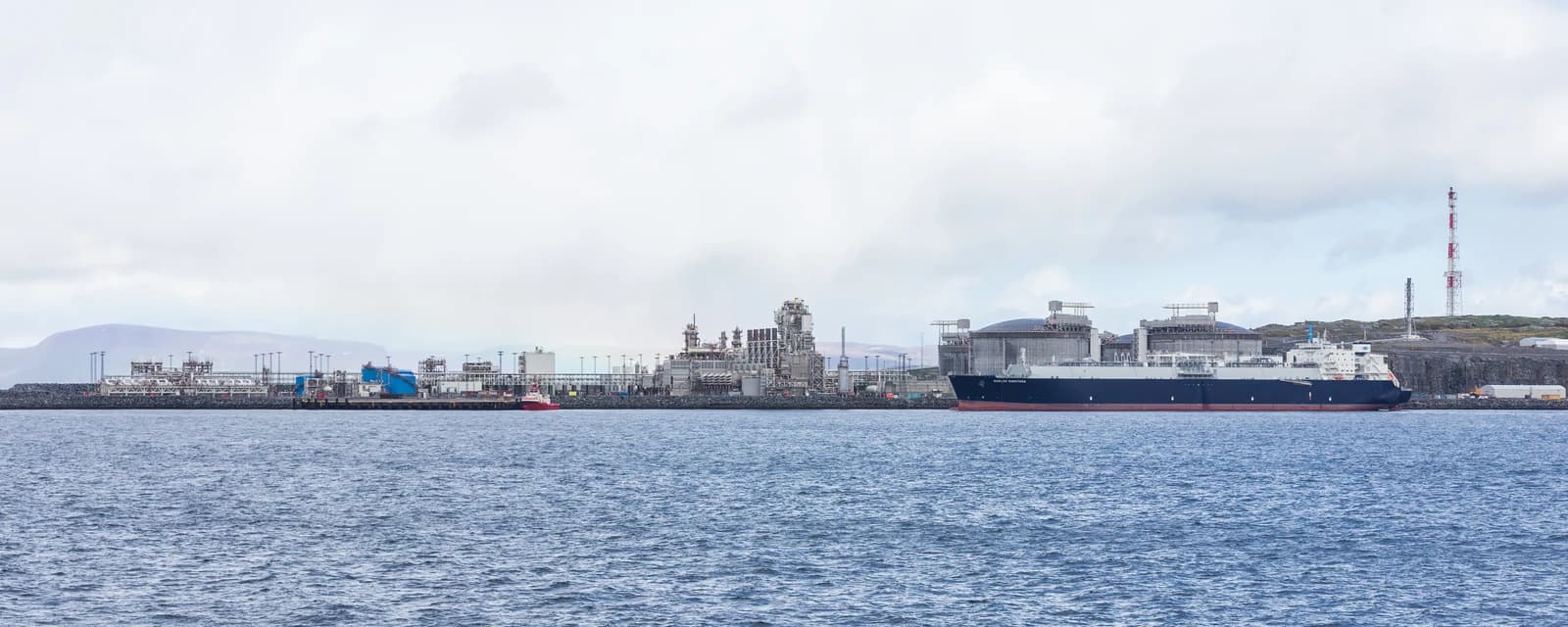
Imports fell 7% from the start of the year to 32.982 million tons, underscoring how one of Asia’s key buyers is responding to a surge in gas costs that has been amplified by Europe’s replenishment of storage and by geopolitical disruptions to supply.
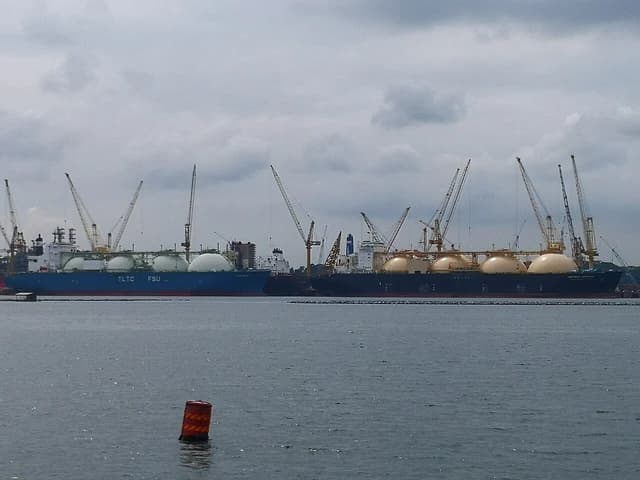
In September alone, South Korea paid an average of $625 per 1,000 cubic meters for imported gas, the highest since early 2023. That price point matters because it shows LNG demand is not being constrained by lack of need, but by affordability: when prices rise sharply, buyers either delay cargoes, switch fuels where possible or lean on inventories.
The squeeze comes as Europe has been aggressively filling underground storage ahead of winter, tightening the market at the same time that tensions in the Middle East have already pushed prices higher. The war-related risk to shipping through the Strait of Hormuz has rattled the market after disruptions removed Qatar, the world’s second-largest LNG supplier, from parts of the trade flow.
South Korea’s supplier mix also shows how the market is shifting rather than simply shrinking. Australia remained the largest source in September at 1.33 million tons, up 20% from a year earlier. Canada climbed to third place with 426,000 tons, up 48%, helped by the startup of LNG Canada, in which Korea Gas is a partner. U.S. deliveries fell 20% to 436,000 tons.
Russian cargoes continued to ease, with September arrivals of 326,000 tons and 1.43 million tons in the first nine months, down 13% from a year earlier.
For investors, the story cuts both ways. A slower pace of South Korean imports is a warning sign for spot LNG demand and for suppliers counting on Asian buying to absorb tight global supply. But it also reinforces the case for upstream and LNG exporters with low-cost, long-term contracts and diversified offtake, which are better positioned if high prices persist. The market’s next test will be whether winter demand, geopolitical risk and Europe’s storage needs keep prices elevated enough to suppress Asian spot buying further.
| Entity | Gains | Losses |
|---|---|---|
| LNG exporters with contracted supply | ▲Stable margins | ▼Spot demand volatility |
| Spot buyers in Asia | ▲Lower prices if demand cools | ▼Higher procurement costs |
| Australia and Canada | ▲Higher shipments to Korea | ▼U.S. exporters with weaker volumes |
| South Korean utilities and industry | ▲Possible relief if prices ease | ▼Higher fuel bills now |