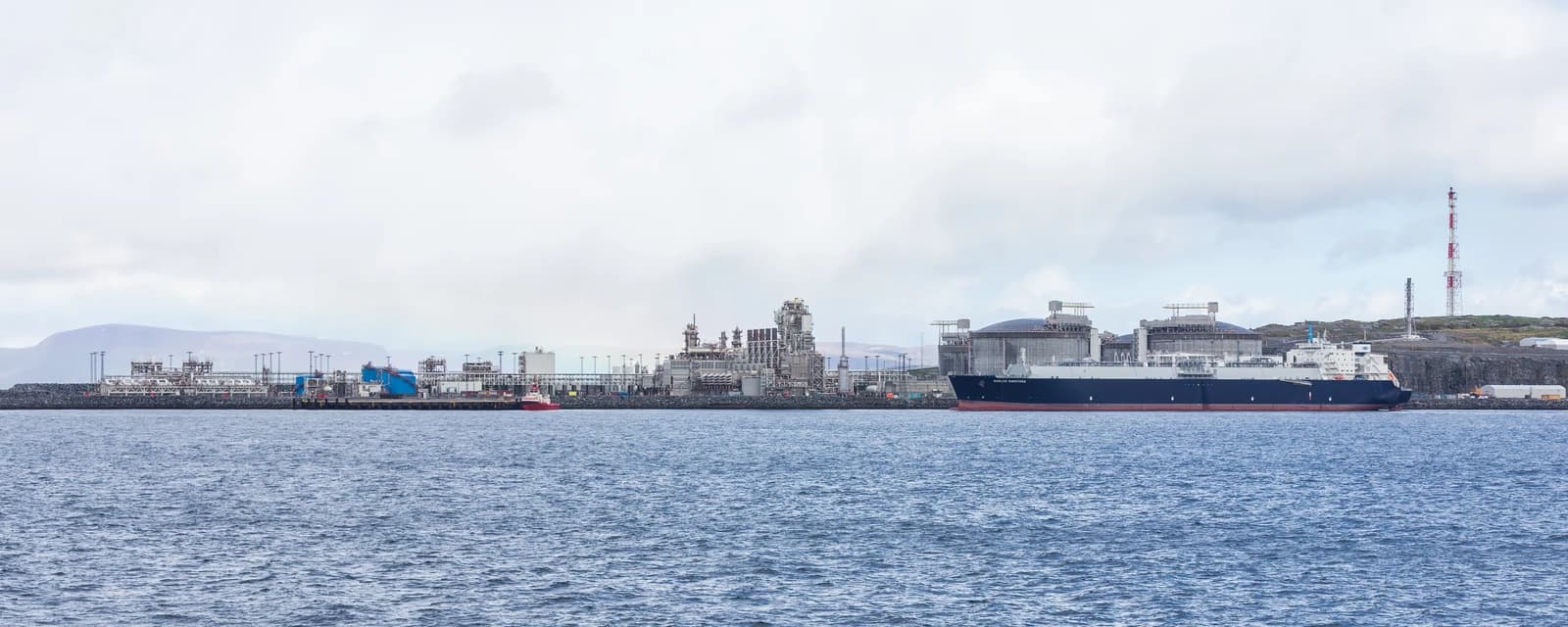
QatarEnergy is pushing ahead with a major LNG expansion for early 2027, betting that long-term demand for super-chilled gas will outweigh the geopolitical risk hanging over the Strait of Hormuz.
QatarEnergy LNG expansion targets early 2027
That is the most important takeaway for investors: Qatar, already one of the world’s most important LNG suppliers, is adding capacity at the same time it is borrowing $3 billion from four Chinese banks to keep the buildout moving. The deal shows both the scale of capital still flowing into LNG and the degree to which Gulf energy producers are leaning on Chinese financing as they lock in the next wave of export growth.
The first production unit at the North Field East project is now expected to be ready in November, with LNG output due to start in the first quarter of 2027, according to people familiar with the plans. The project’s four production trains are designed to add about 32 million tons a year of LNG capacity, lifting Qatar’s export capacity to 110 million tons from 77 million tons annually.
That matters because Qatar is not expanding from a position of strength alone; it is also repairing the damage from March attacks on Ras Laffan that hit two LNG facilities and temporarily knocked out about 17% of export capacity. Repairs could take as long as three years, according to QatarEnergy chief Saad Sherida Al-Kaabi, making the new project a strategic hedge against both physical disruption and future supply risk.
The financing underscores how the LNG investment cycle is being financed as much by geopolitics as by demand. The five-year loan from Bank of China, Industrial and Commercial Bank of China, Agricultural Bank of China and China Construction Bank (Asia) is priced at 50 basis points over SOFR and is for working capital, but it also reinforces a broader pattern: Chinese banks’ lending to Gulf borrowers has surged this year and is now at record levels. For investors, that is a sign China is helping underwrite the next phase of LNG growth while also deepening its own supply security.
The market backdrop remains supportive. Global LNG buyers continue to worry about shipping through Hormuz, where transport volumes in September were still far below February levels even after some recovery. Bloomberg also reported at least a dozen empty LNG tankers waiting near Qatar, a reminder that the market is still managing logistical bottlenecks rather than enjoying a smooth supply cycle.
For equities and commodity investors, the message is clear: LNG remains a multi-year capex story, not a mature cash-flow story. The beneficiaries are the companies with access to reserves, infrastructure and shipping, while the losers are regions and utilities that remain exposed to tight gas markets and transit disruption. In this setup, QatarEnergy is the toll road, and every new train increases the strategic value of the entire corridor.
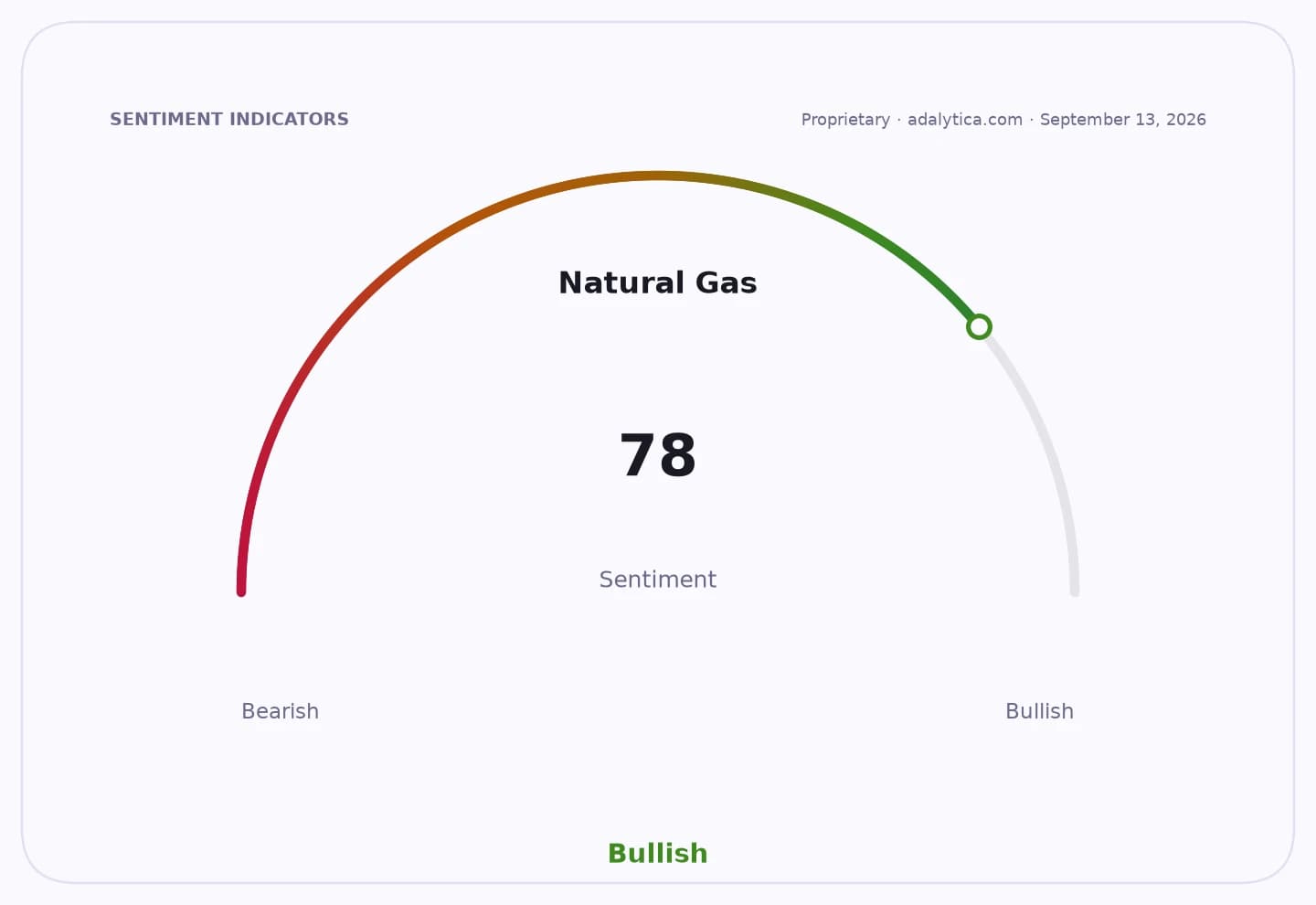
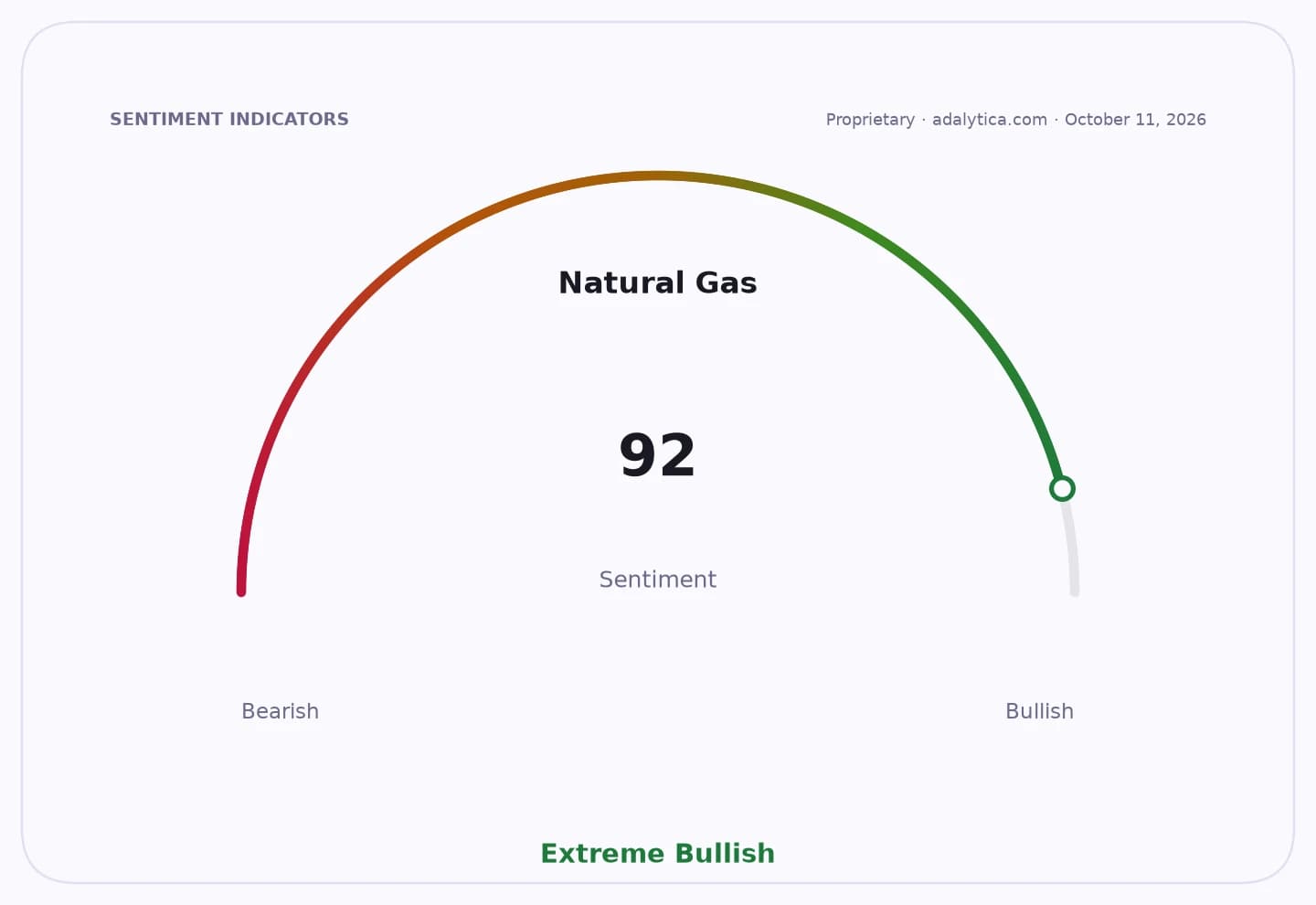
Adalytica’s natural gas trade signals are flashing extreme greed, which is often what happens when markets begin to price supply scarcity before the barrels and molecules actually arrive. That makes the next catalyst a simple one: execution. If North Field East stays on schedule into 2027, the industry will have to reprice LNG supply expectations again, and the best-positioned investors will be those already exposed to the LNG buildout, shipping chain and associated infrastructure.
| Entity | Gains | Losses |
|---|---|---|
| QatarEnergy | ▲Higher export capacity | ▼Repair and security risk |
| Chinese banks | ▲Loan income and Gulf ties | ▼Limited geopolitical exposure |
| LNG shipping and infrastructure suppliers | ▲More project demand | ▼Delays from Hormuz disruptions |
| Gas importers and spot buyers | ▲Stable long-term supply hopes | ▼Less leverage in tight markets |