Europe is heading into winter with its gas tanks at historically low levels, and that shifts the balance of power toward LNG suppliers, storage operators and companies with flexible gas access.
Europe Gas Storage Levels Enter Winter Low
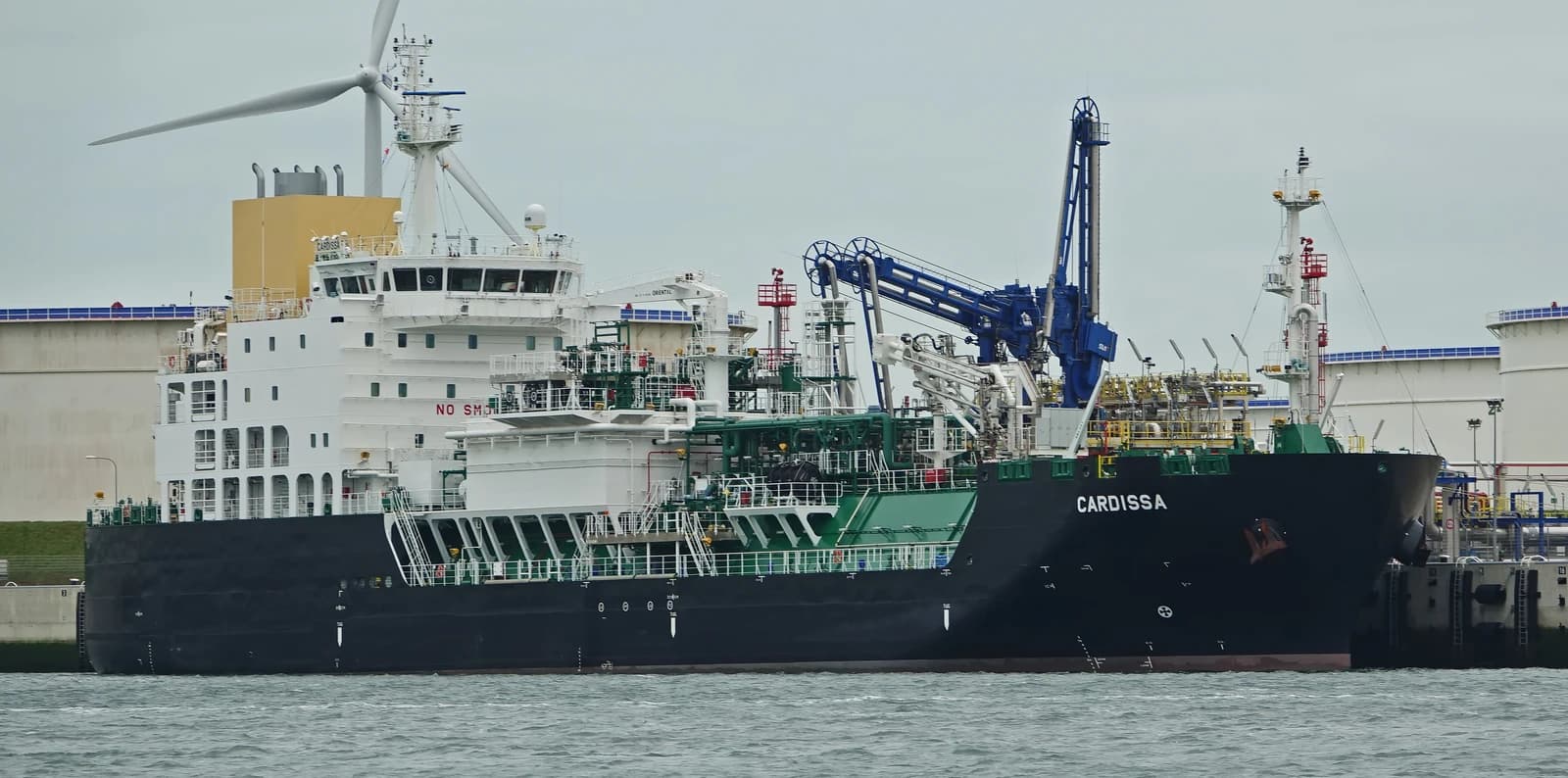
That is the key economic takeaway from Gas Infrastructure Europe’s winter outlook: the continent’s underground storage was 72% full on Oct. 1, about 11 percentage points below a year earlier and equal to roughly 74 billion cubic meters. For a region that still relied on storage for about 26% of winter gas consumption last season, that is a meaningful cushion loss. It does not mean Europe is out of gas. It means Europe has less room for error if temperatures turn colder, LNG cargoes are tight or pipeline flows are interrupted.
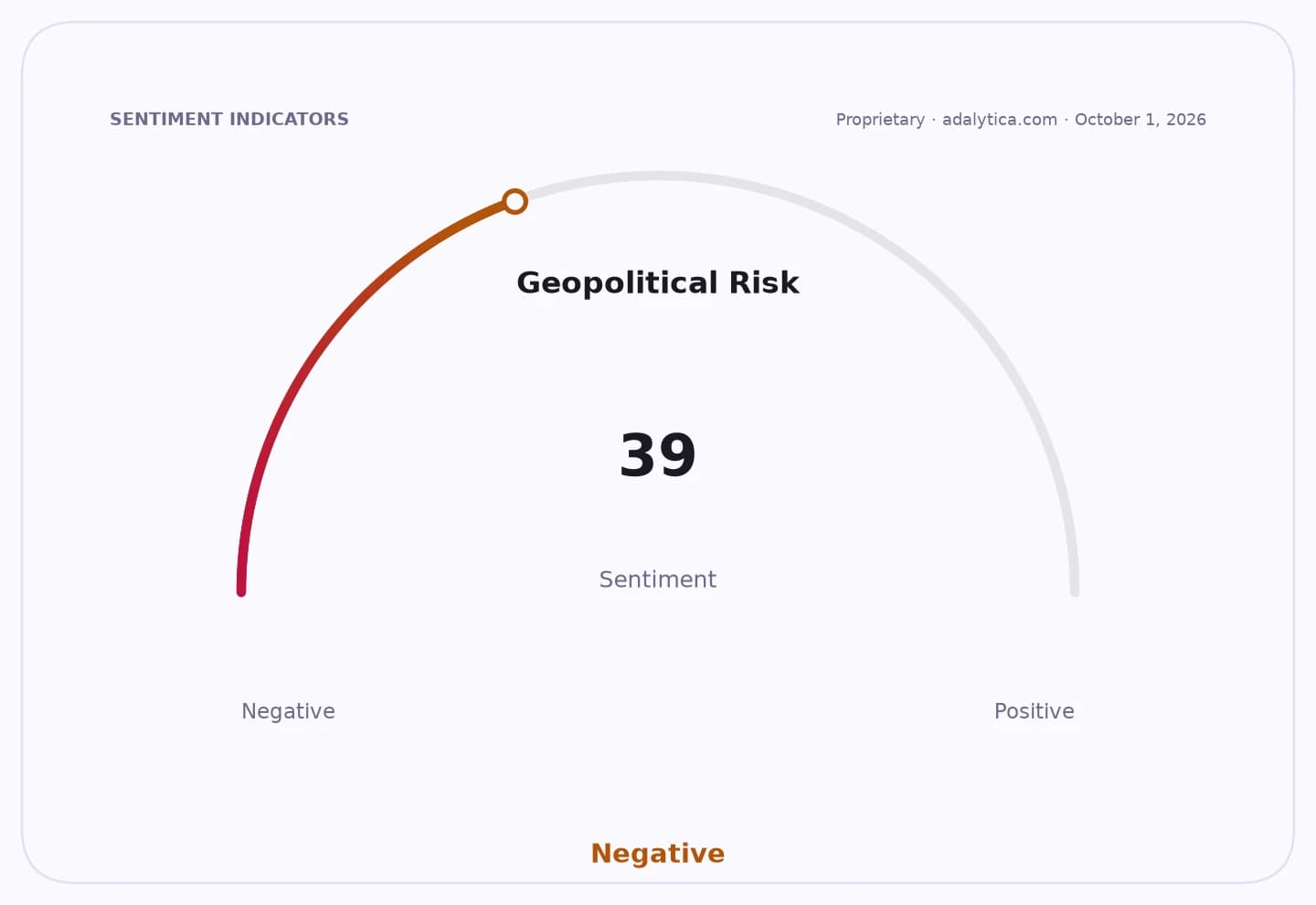
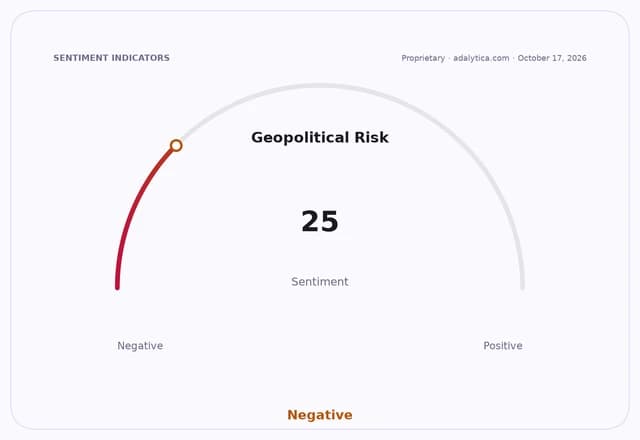
Sentiment IndicatorsⓘProprietary · adalytica.com · October 17, 2026
This is a snapshot — live sentiment, awareness and momentum for 130+ markets update continuously in the dashboard.Open AlphaPulse
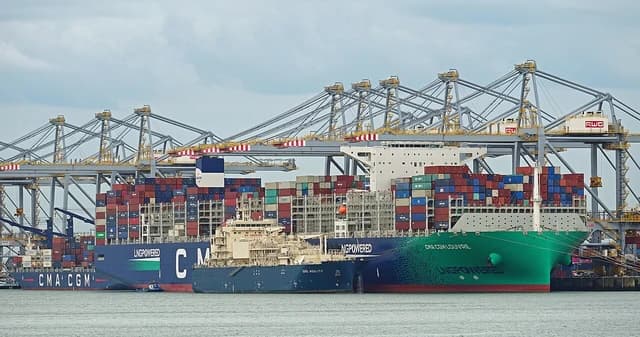
For investors, that matters because gas markets and energy equities do not trade on comfort; they trade on scarcity, optionality and the ability to move molecules when prices spike. A low starting inventory tends to support winter gas prices, keep a bid under LNG imports and reward companies with export capacity, regasification access, storage flexibility and cross-border infrastructure. It also raises the stakes for utilities and industrial users that have to buy gas in a tighter market.
The outlook from GIE and ENTSOG says Europe’s system is still resilient enough to handle a range of scenarios. But resilience is not the same as abundance. In a cold-winter case, even under an LNG-favorable supply path, the system could still face demand-response needs or uncovered demand equal to about 7% of cold-winter demand. Under tighter LNG conditions, that rises to roughly 12%. Aggregate storage could sink to around 11% by the end of winter in both cases, leaving very little margin if cold weather hits late in the season.
That is why LNG matters so much here. Europe has about 1,600 TWh of regasification capacity, or roughly 145 bcm a winter, but capacity alone does not guarantee supply. The bigger issue is cargo availability in the global market, where Europe competes with Asia and other buyers. When cargoes are available, LNG can preserve storage inventories. When they are not, the system leans harder on withdrawals, and that is when price spikes and supply stress become more likely.
The narrative is straightforward: Europe has built a highly interconnected gas network, but it is entering winter with less stored gas and less room to absorb bad weather. That increases the premium on flexibility and on assets that can arbitrage global LNG flows into European demand. In practical terms, that supports the investment case for the gas value chain rather than any single commodity view. It is a reminder that infrastructure often becomes most valuable when the system is under pressure.
The implications extend beyond this winter. GIE warned that if Europe finishes the season with very low inventories, refilling storage for next winter becomes harder. That is the compounding risk investors should watch. A weak ending stockpile does not just shape one cold season; it can make the next one more expensive too. For long-term investors, the best way to think about this is not as a trading setup but as a structural reminder that Europe still needs LNG, storage and transmission flexibility to keep its energy system stable.
| Entity | Gains | Losses |
|---|---|---|
| LNG exporters | ▲Stronger winter demand | ▼Less competitive pressure |
| European storage operators | ▲Higher strategic value | ▼Lower starting inventories |
| European utilities and industrial buyers | ▲Greater optionality if supply arrives | ▼Higher input costs |
| LNG-reliant countries | ▲Better security of supply | ▼Tight cargo competition |