Europe’s weak gas storage position is raising the risk of a winter price shock for Switzerland, a country with no domestic gas storage of its own and heavy dependence on imports.
Europe gas storage lifts Switzerland winter price risk
With EU storage only 70.4% full, well below the five-year average of 84.9%, the region is heading into the heating season with less buffer than usual just as benchmark gas prices are about 170% above September 2025 levels. For Switzerland, which covers a quarter of households with gas heating and relies entirely on foreign supply, the combination matters because it leaves consumers exposed to any cold-weather spike in demand or disruption in cross-border flows.
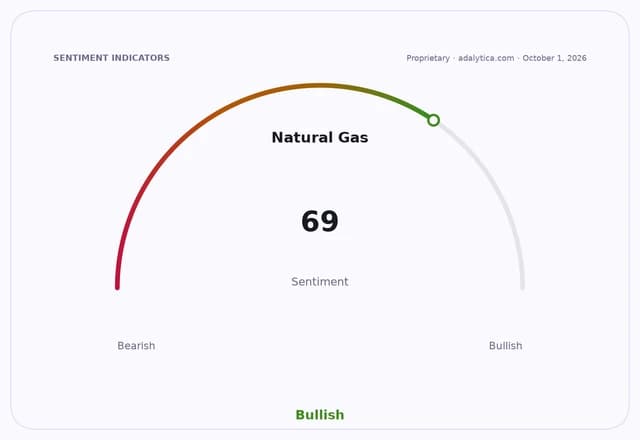
The biggest economic risk is not only a temporary price increase but a supply squeeze if Europe faces a harsh winter. In that case, utilities would be competing for scarce molecules at a time when storage withdrawal becomes essential: on very cold days, storage can cover about half of demand. If withdrawals are constrained, prices can rise quickly, and because Swiss household tariffs can be adjusted during the year by some suppliers, the pass-through can be faster than for electricity.
Germany’s storage system is especially important because it is the EU’s largest, yet it is only a little more than half full. German industry groups have warned of a possible gas shortage in January or February if winter turns severe, and authorities there have already shifted toward buying gas to refill stocks. That matters for Switzerland because a tighter German market would likely lift regional spot prices and reduce the flexibility of traders and utilities that source gas across borders.
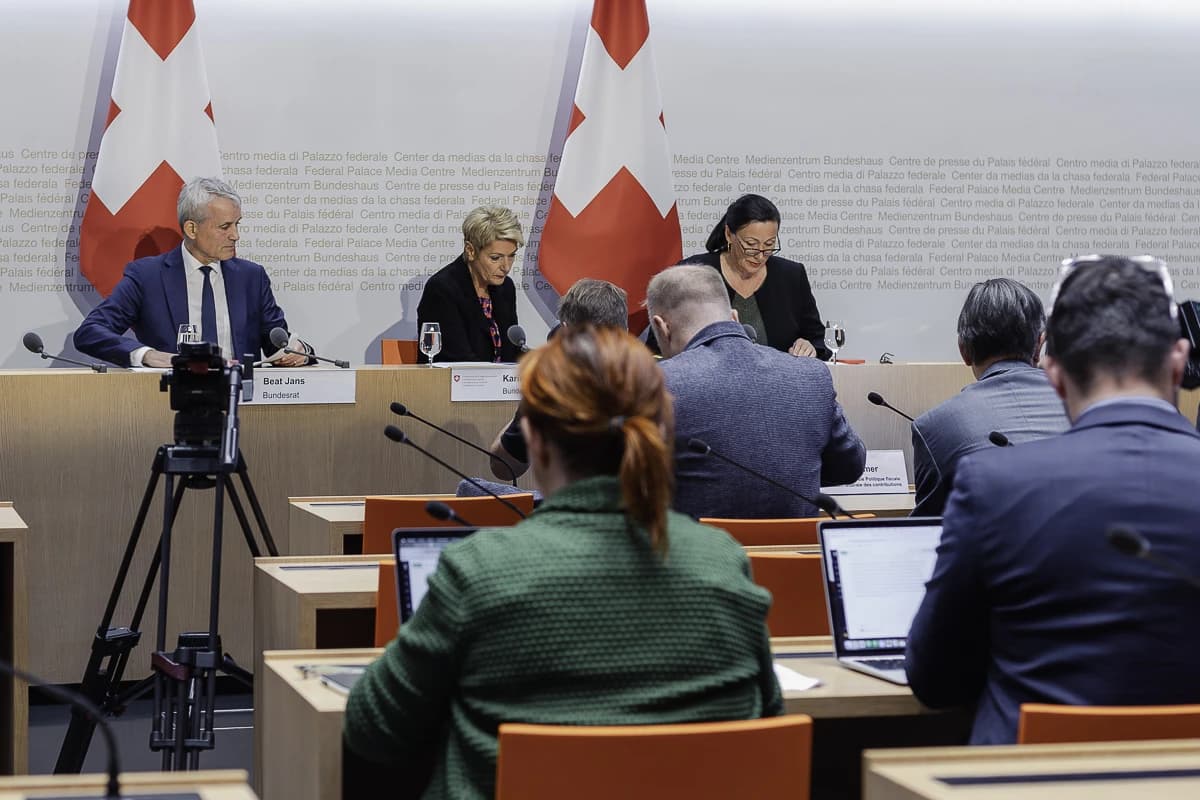
Swiss authorities and the gas industry have tried to build a partial backstop. A deal struck last month with foreign traders allows Switzerland to tap extra volumes that move from France through Switzerland to Italy, covering roughly one-tenth of winter demand. Swiss suppliers must also hold 15% of winter needs in foreign storage. But that still leaves the country exposed if suppliers decide to use those stocks elsewhere, or if pipelines and trading routes come under strain.
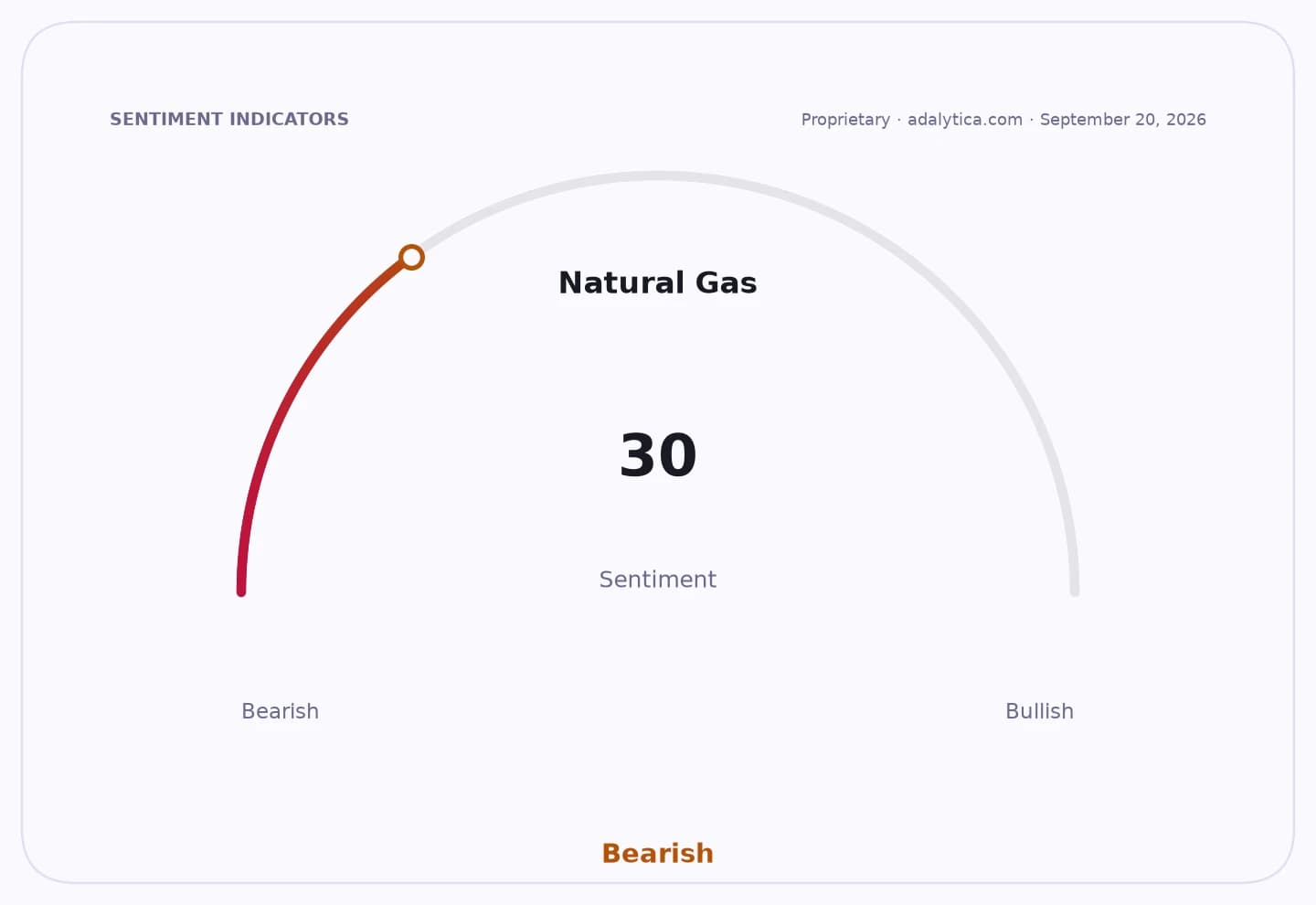
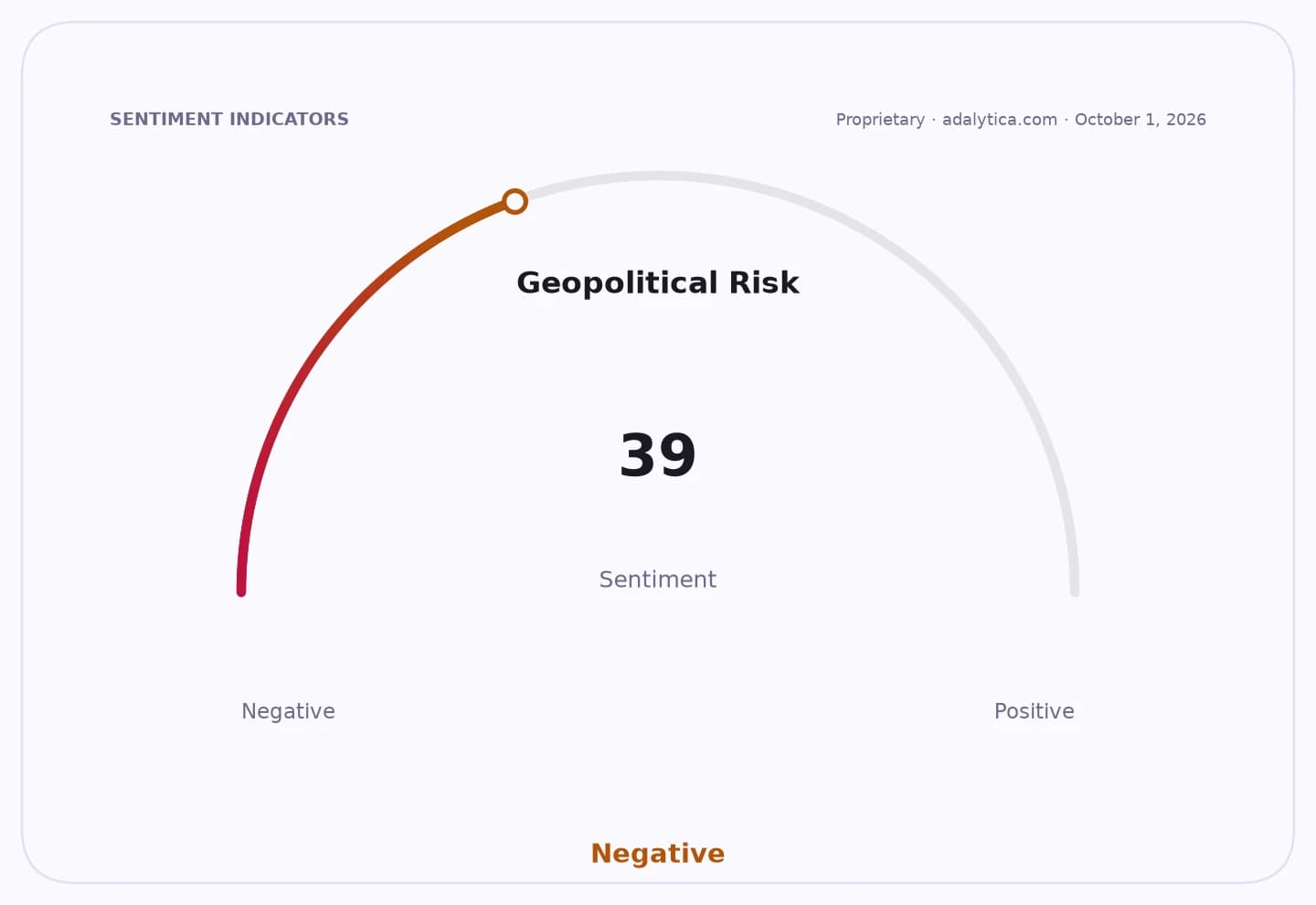
The broader geopolitical backdrop is adding to the uncertainty. Supply routes through Hormuz and the Red Sea have become more volatile, reinforcing the case for higher risk premia in gas contracts. For households, that means another winter of possible bill shocks after sharp catch-up payments in 2022 and 2023. For investors, it supports a constructive view on gas merchants, storage-linked assets and utilities with strong procurement discipline, while exposing spot-heavy suppliers and end users to margin pressure.
The key question now is whether the coming winter is merely costly or genuinely tight. If temperatures stay mild, low storage may prove manageable. If not, Switzerland’s lack of domestic storage could turn a European inventory problem into a direct consumer and industrial cost shock.
| Entity | Gains | Losses |
|---|---|---|
| Large utilities with forward buying | ▲Better cost control | ▼Less upside from spot price moves |
| Spot-market gas suppliers | ▲Quick pass-through pricing | ▼Greater bill volatility |
| Swiss households | ▲Some protection from fixed-price contracts | ▼Higher heating bills |
| Swiss industry | ▲None if supply stays stable | ▼Higher input costs, possible curbs |