Europe has injected almost 44 billion cubic metres of gas into storage for winter, but the region is still running behind last year’s pace and faces a narrower buffer if cold weather arrives early.
Europe gas storage lags last year ahead of winter
That matters because storage is Europe’s main insurance policy against winter supply shocks, and the refill drive comes after years of market upheaval that left the continent far more dependent on imports, weather and LNG cargo flows. As of Sept. 17, EU storages were 68.84% full, or 73.49 billion cubic metres, still well short of the 80%-plus levels reached at the same point last year.
The pace of injections has been steady, with stocks rising 0.18 percentage point in a day, but the comparison with 2025 is less comfortable. A year ago, European storage was 81.09% full and total inventories stood at 87.09 billion cubic metres. In absolute terms, the bloc is about 13.6 billion cubic metres behind and has injected 6.86 billion cubic metres less gas into storage ahead of the heating season.
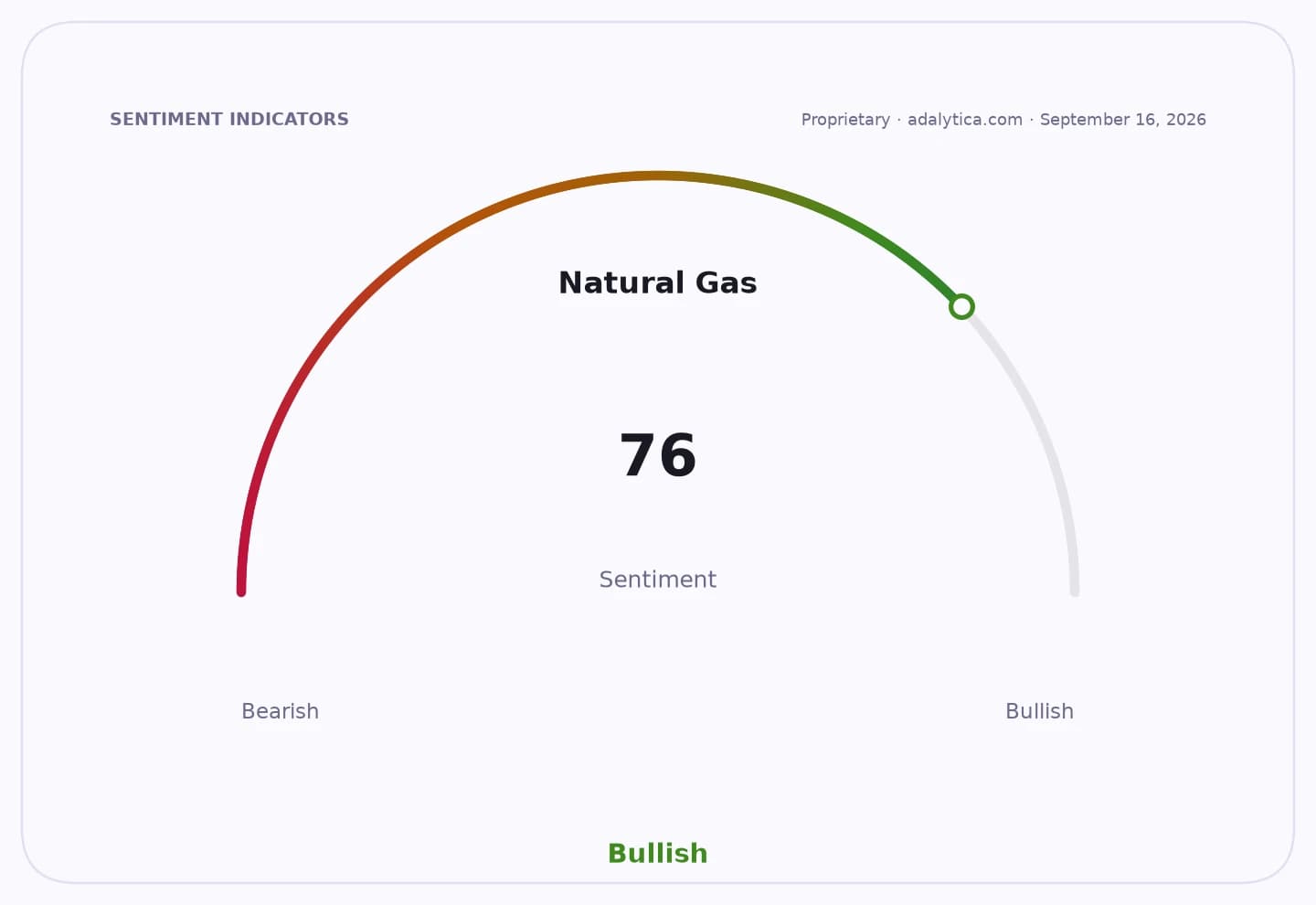
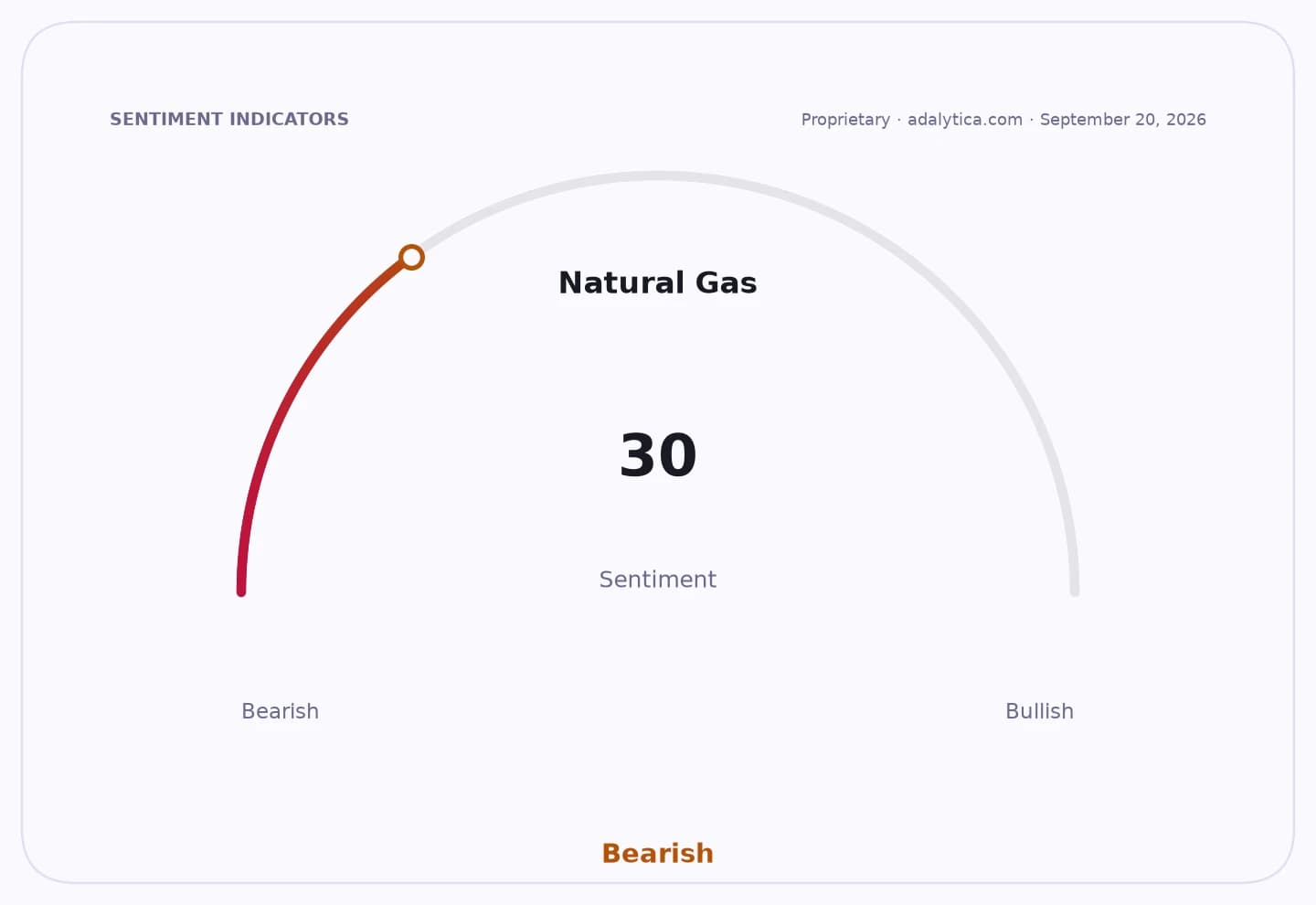
For investors, that gap keeps European gas prices sensitive to every shift in weather, LNG arrivals and pipeline flows. October TTF futures were trading below $950 per 1,000 cubic metres, or 77.96 euros per megawatt hour, up 2.11% on the day, reflecting a market that is supported by seasonal demand but still wary of tightness. The fact that Europe is entering autumn with lower inventories than last year also makes the market more vulnerable to volatility if temperatures fall or supply is interrupted.
The supply picture remains mixed. Wind generation covered 21.5% of European power demand on Sept. 17, reducing gas burn in the power sector, while hot weather in parts of southern Europe has delayed some demand. But those tailwinds are temporary. Forecasts point to warmer air spreading north, and storage refill will become more expensive if demand firms before inventories are rebuilt.
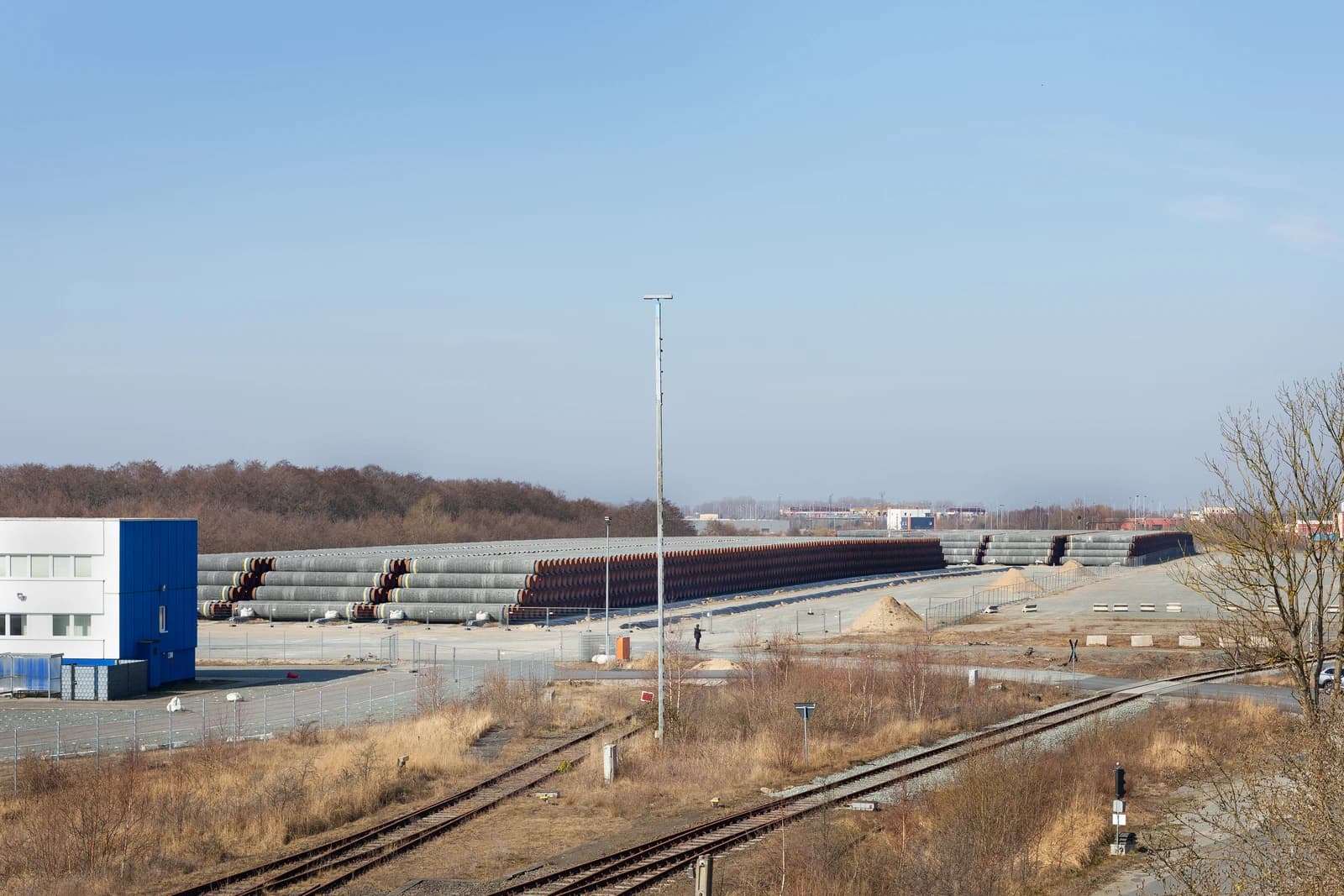
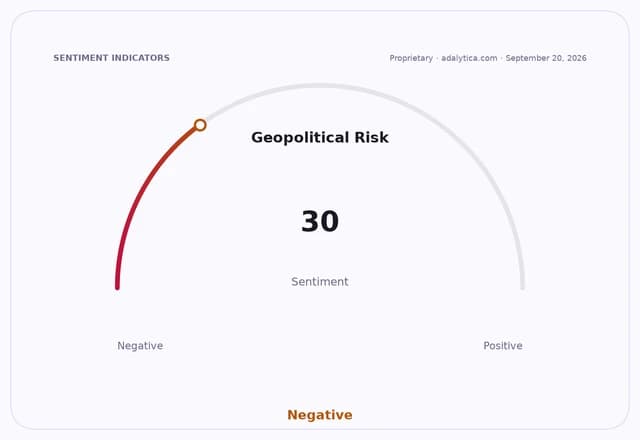
Pipeline flows from Russia remain limited to TurkStream and its onshore extension, now the only operating route for Russian pipeline gas into Europe after Ukraine transit, Yamal, Nord Stream 1 and Nord Stream 2 were shut or damaged. TurkStream’s second string, which serves southeastern Europe, was running at about 50 million cubic metres a day and is expected to increase, though Bulgaria has indicated a temporary reduction later this month. That leaves Europe leaning even more heavily on LNG, domestic production and storage.
The broader narrative is one of a region still managing the aftershocks of its post-2022 gas reset: lower Russian pipeline dependence, more exposure to spot markets and a heavy reliance on storage discipline to get through winter. The bull case for gas prices is that inventories remain below last year, Russian flows are constrained and any cold snap could expose a thinner cushion. The bear case is that mild weather, strong wind output and continued LNG inflows keep storage climbing and cap the rally.
Either way, the winter storage race is not over. The next few weeks will determine whether Europe enters the heating season with a manageable buffer or a market that has to price in a sharper supply risk premium.
| Entity | Gains | Losses |
|---|---|---|
| European gas storage operators | ▲Higher fill rates | ▼Tight winter margins |
| LNG suppliers | ▲Stronger import demand | ▼Softer spot prices |
| Gas consumers | ▲Better supply security | ▼Higher winter bills |
| TTF bulls | ▲Inventory deficit narrative | ▼Mild-weather downside |