Germany’s gas storage is running unusually low for this time of year, but the country’s regulator says there is still no immediate supply risk — a message that matters because it tempers fears of a winter crunch in Europe’s biggest economy and helps anchor expectations for gas prices, industrial costs and power markets.
Germany gas storage stays low, supply risk muted
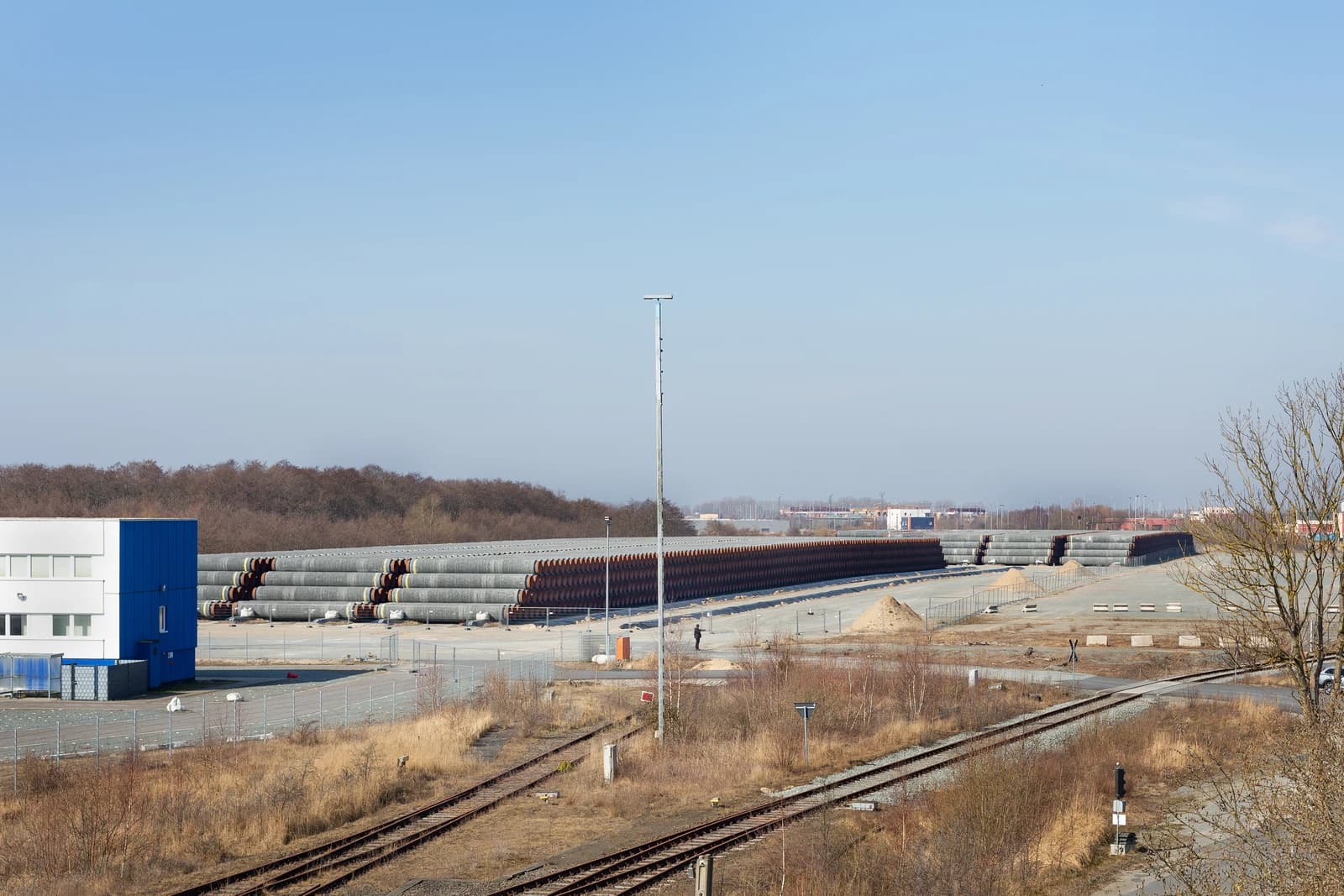
The Bundesnetzagentur’s assessment suggests the market is treating low inventories as a warning signal rather than a crisis trigger. That distinction is important economically: Germany is still highly exposed to weather, LNG import availability and pipeline flows, but the regulator’s stance implies domestic storage alone is not the decisive safeguard. Traders and utilities will instead focus on how quickly refill rates improve, whether demand stays subdued, and whether Europe can draw in enough liquefied natural gas to avoid a shortfall.
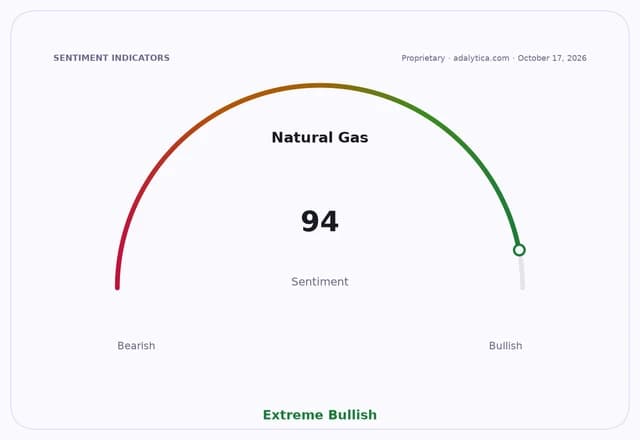
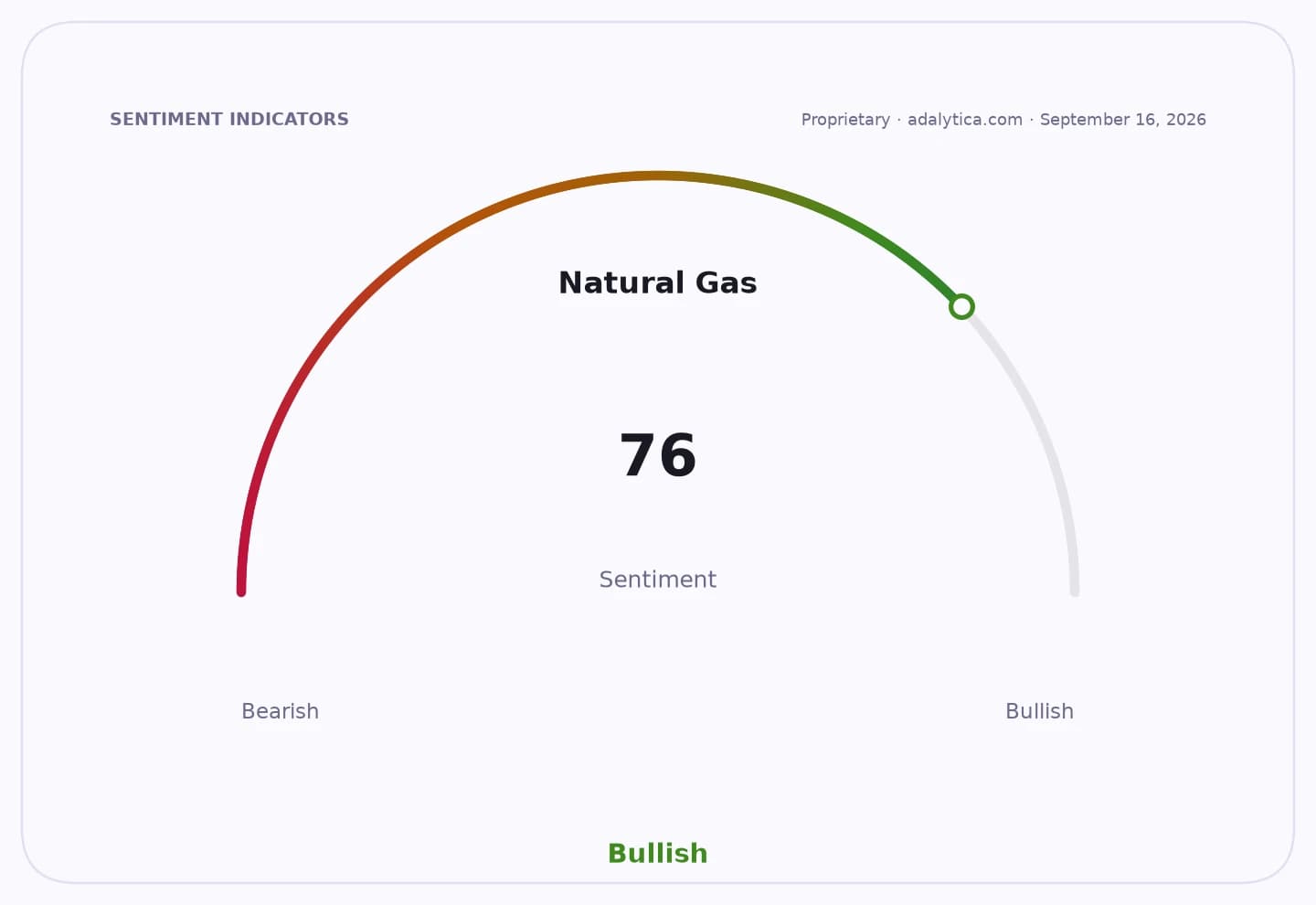
For investors, the immediate implication is that the storage gap is more likely to support volatility than force an outright supply shock. A tighter inventory backdrop can keep the risk premium in European gas prices elevated, while also supporting power prices and the shares of energy producers and utilities with flexible gas exposure. At the same time, the absence of a red-alert scenario reduces the odds of a panic-driven spike in hedging costs for industrial users, chemical producers and other heavy consumers that have already spent years adjusting to a more fragile energy system.
The broader narrative is that Europe remains structurally more vulnerable than before the 2022 energy shock, even if the emergency conditions of that period have eased. Germany’s storage levels are a reminder that the continent still needs a combination of milder weather, disciplined demand, robust LNG inflows and stronger infrastructure to move through winter comfortably. The market will be watching storage refill rates, cold-weather forecasts and any sign of tighter global LNG supply as the decisive catalysts.
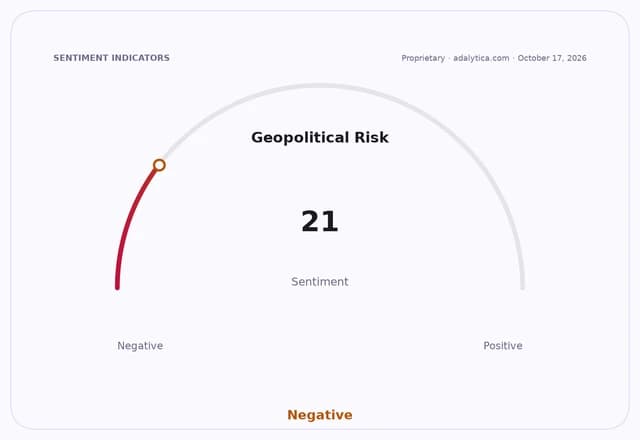
UNG, the U.S. natural gas ETF, highlights how sensitive gas-linked assets can be to shifts in sentiment. Its price has been volatile, while standard technical indicators such as RSI and moving averages have swung sharply, underscoring how quickly gas markets can reprice when the storage narrative turns. For now, the key investor takeaway is that Germany’s low inventories are a risk factor, not yet a crisis — but in gas markets, that distinction can change fast.
| Entity | Gains | Losses |
|---|---|---|
| Gas bulls | ▲Higher risk premium | ▼Easier oversupply narrative |
| European utilities | ▲Volatility trading opportunities | ▼Lower regulated-margin pressure relief |
| Industrial gas users | ▲No immediate emergency rationing | ▼Persistent hedging costs |
| LNG exporters | ▲Stronger winter demand pull | ▼Softer spot pricing if refill improves |