LNG tanker builders are still seeing fresh orders, and that matters because the market’s next shortage may be in ships, not just gas.
LNG tanker orders tighten shipping market
The clearest investable message from another order for LNG tankers for GTT Energy is that the liquefied natural gas trade is still expanding fast enough to keep vessel demand tight, even after a huge rally in LNG-linked equities and a volatile pullback in shipping names. When carriers remain in demand, it signals that exporters, charterers and terminal operators are preparing for a longer period of elevated global gas flows — a setup that tends to support the whole LNG logistics chain.
Sentiment IndicatorsⓘProprietary · adalytica.com · October 9, 2026
This is a snapshot — live sentiment, awareness and momentum for 130+ markets update continuously in the dashboard.Open AlphaPulse
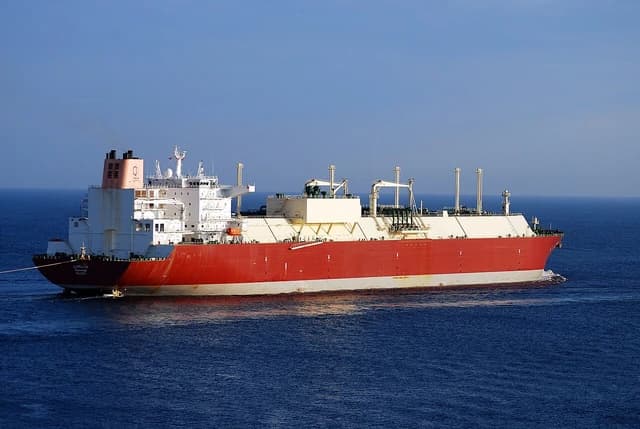
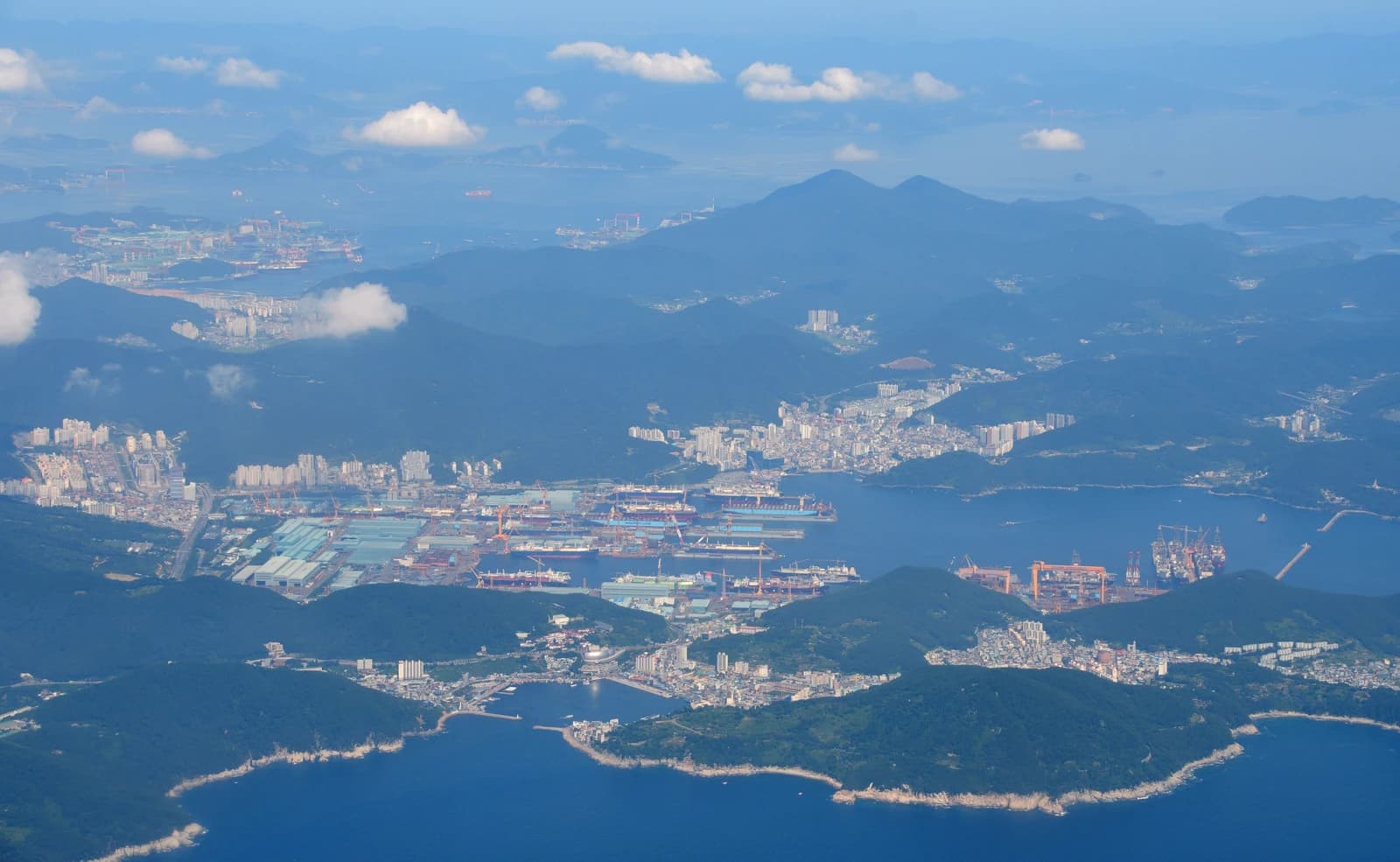
That chain is the real prize. More tanker orders translate into more yards work for shipbuilders, more licensing and engineering revenue for technology providers such as GTT Energy, and a stronger backdrop for LNG carriers and related maritime services. It also reinforces the idea that the LNG market is still being shaped by structural forces: Europe’s need for supply security, Asia’s growing import base and the ongoing push to move gas from North America and other export hubs to higher-priced end markets.
Investors should pay attention because the bottleneck in LNG is increasingly about moving molecules, not just producing them. The sector already has a powerful capex cycle underway as producers expand liquefaction capacity and buyers lock in long-term transport. That is why companies tied to shipping capacity can outperform even when spot gas prices soften. The economics are straightforward: every incremental liquefaction project needs tankers, and every tanker order tightens an already constrained fleet over time.
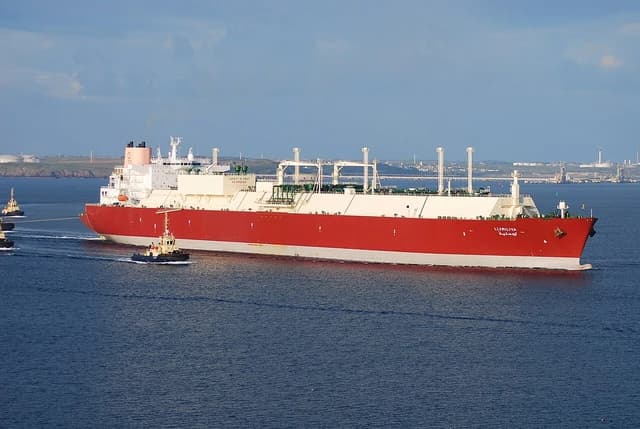
The price action in LNG-linked names underlines how much of this story is still about expectations rather than current cash flow. Shares of LNG operator Cheniere have surged far above their 200-day moving average this year, while gas market signals from Adalytica’s Natural Gas Market Trade Signals remain neutral despite recent weakness in the underlying commodity. That disconnect suggests investors are still underpricing the persistence of infrastructure demand across the LNG value chain.
For shipping investors, the second-order winners are obvious. LNG carrier owners benefit from a longer order book and potentially firmer charter rates if fleet growth lags cargo growth. For equipment and service providers, the appeal is even cleaner: recurring business tied to the buildout rather than volatile commodity prices. For integrated LNG exporters, new tanker orders help de-risk future volumes by ensuring the fleet can keep pace with expanding export capacity.
The market is still in the early innings of the LNG logistics trade, and that is where the asymmetric opportunity sits. As long as geopolitical uncertainty, supply diversification and rising LNG production keep driving long-haul shipping demand, orders for tankers should remain a durable tailwind. Investors looking for leverage to the LNG boom should focus less on the gas itself and more on the toll roads that move it.
| Entity | Gains | Losses |
|---|---|---|
| GTT Energy | ▲More licensing demand | ▼None near term |
| LNG tanker builders | ▲Larger order books | ▼Capacity risk if deliveries slip |
| LNG carriers/owners | ▲Tighter fleet market | ▼Newbuild competitors later |
| LNG exporters | ▲More transport capacity | ▼Higher shipping costs if supply lags |