Growing anxiety over a prolonged Middle East war is pushing China back toward U.S. liquefied natural gas, a move that could reshape trade flows, support American exporters and give Beijing a critical hedge against supply disruption.
Venture Global China LNG talks expand U.S. supply
Chinese companies, including state-owned PetroChina, are in early talks to buy more than 1 million tons a year from Venture Global’s Louisiana export plant, according to a Bloomberg report cited in the supplied context. The discussions follow a 20-year supply agreement struck last month that begins deliveries in 2030 and would ship 500,000 tons a year to Chinese buyers. If completed, the new deal would more than double that volume and signal that China still needs U.S. energy even amid broader trade friction.
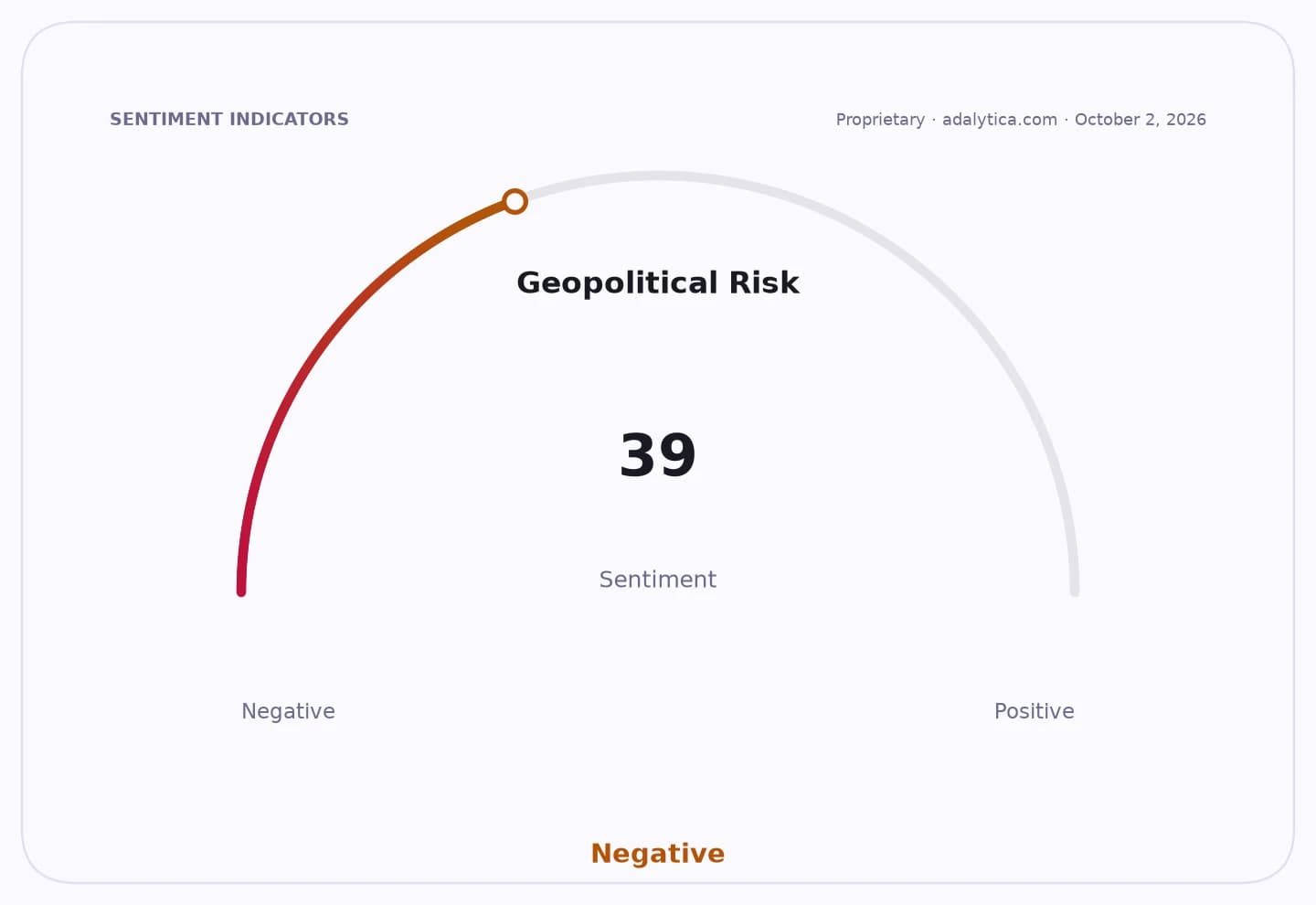
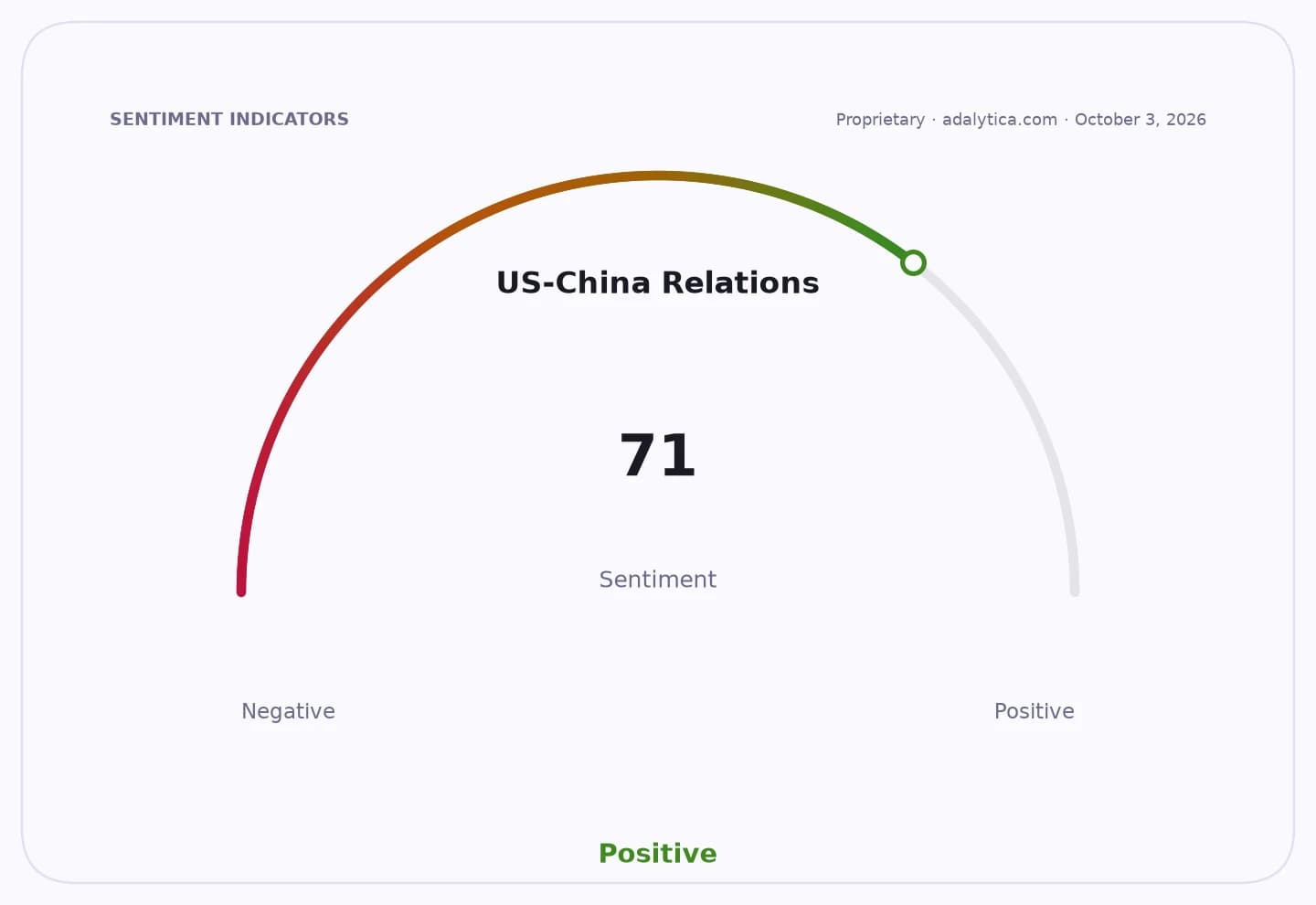
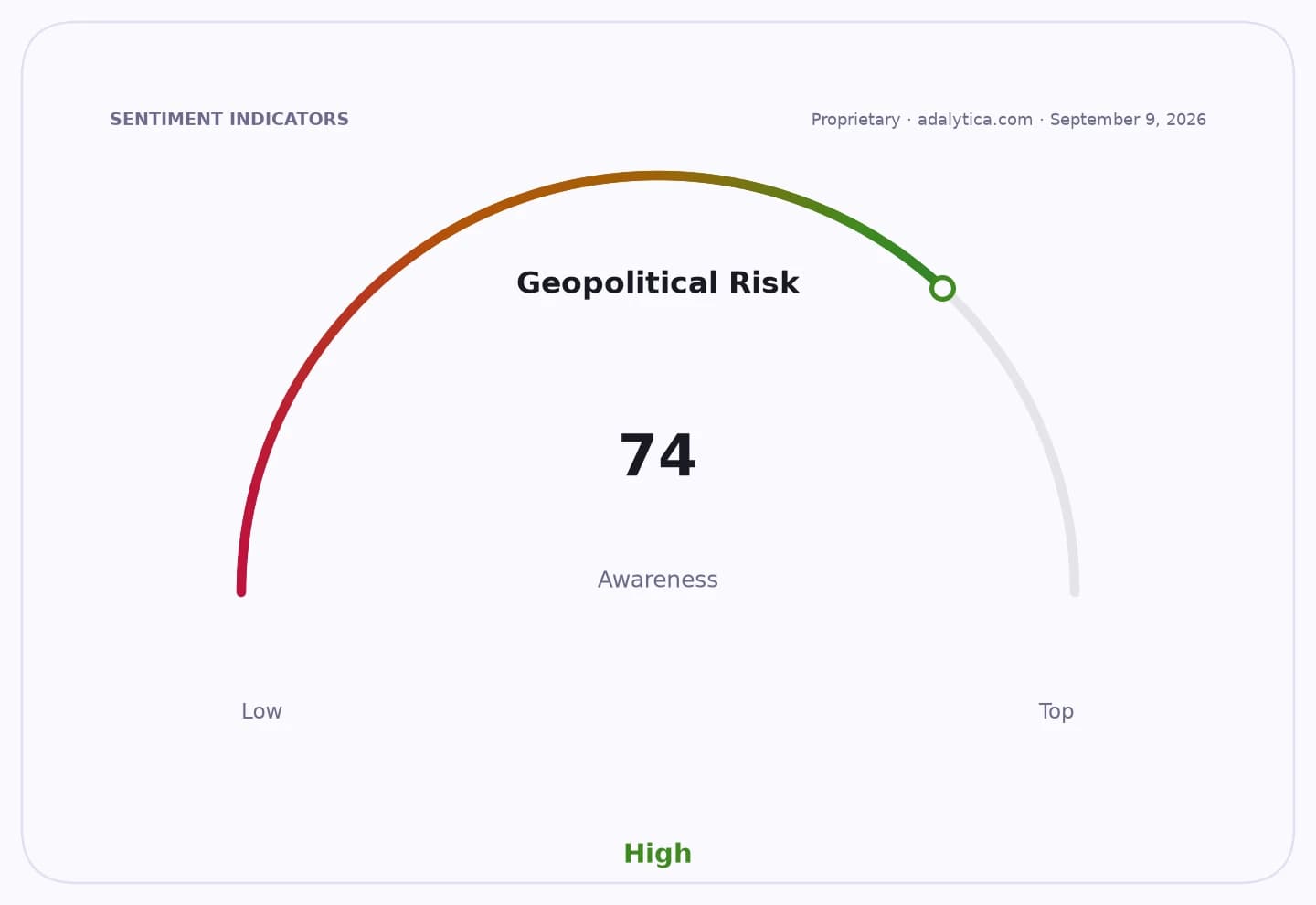
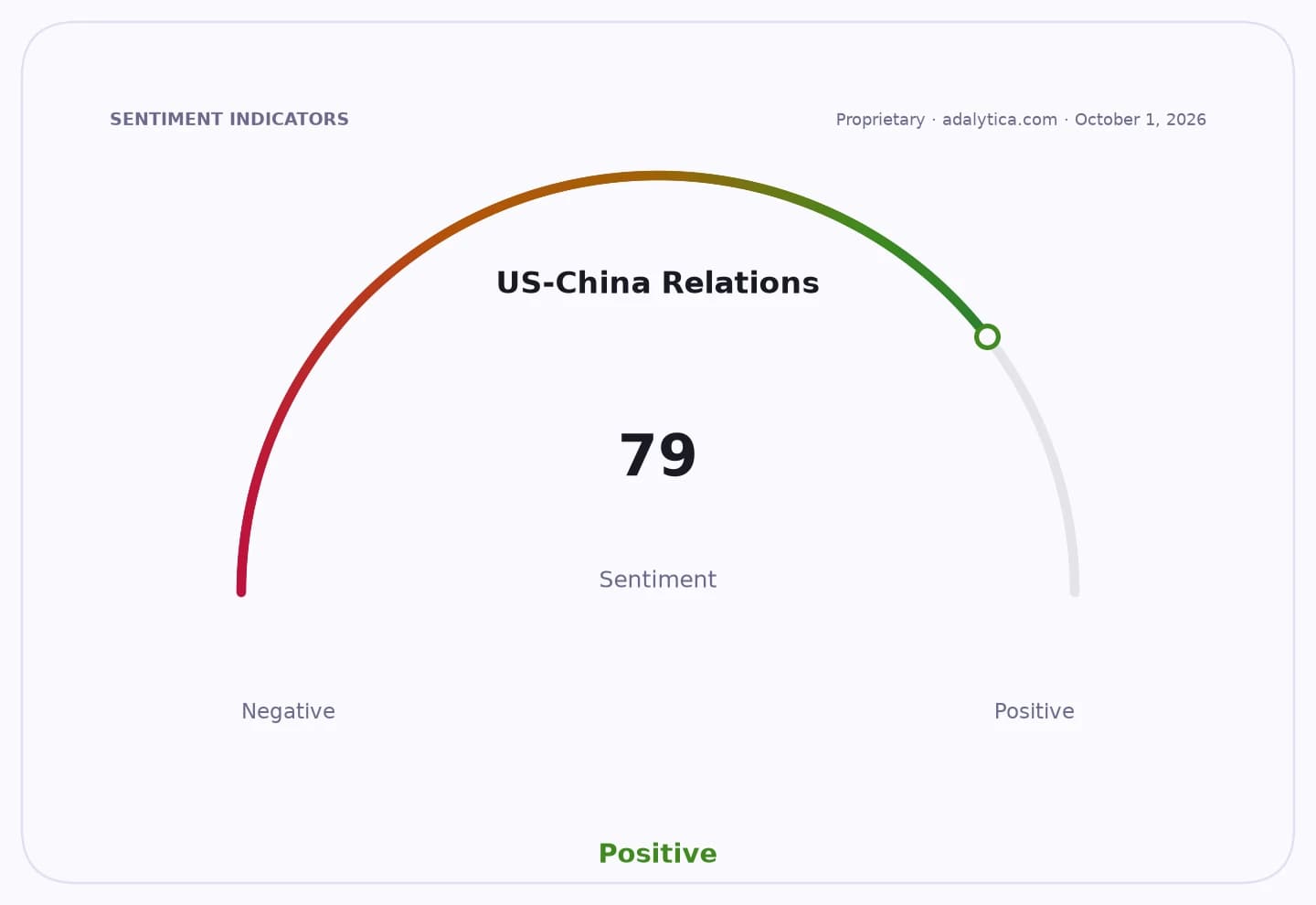
Sentiment IndicatorsⓘProprietary · adalytica.com · October 7, 2026
This is a snapshot — live sentiment, awareness and momentum for 130+ markets update continuously in the dashboard.Open AlphaPulse

The economic logic is straightforward. A conflict that threatens the Strait of Hormuz and has already prompted Qatar to declare force majeure on some LNG contracts tightens an already fragile global gas market. Spot LNG prices in Asia and Europe jumped when shipping risks escalated, and China has already been trimming purchases as costs rise. In that environment, long-dated U.S. supply becomes more than a commercial opportunity: it is insurance against a supply shock in the world’s largest LNG-importing market.
For investors, that makes the LNG export complex one of the clearest geopolitical beneficiaries. Venture Global gains leverage from a buyer that is still looking for scale, while U.S. exporters generally stand to benefit from a premium placed on Atlantic Basin cargoes and contract security. The LNG stock has been trading near $272, above its 50-day and 200-day moving averages, showing the market already prices in resilient export demand, though the recent flattening in RSI and MACD suggests the shares may be consolidating rather than breaking out.
The bigger thesis is that the market underestimates how quickly geopolitical stress can override tariff politics. China depends heavily on imported fuel for heating and power generation, and roughly 30% of its LNG imports last year came from Qatar. If Middle East tensions persist, Beijing has an incentive to lock in more U.S. volumes even while it publicly diversifies supply and reduces exposure to a single transit corridor. That is the kind of second-order shift that can support multi-year contract growth for exporters and create a durable tailwind for pipelines, terminals, shipping and the broader North American gas chain.
Adalytica’s Global Stability Sentiment gauge is flashing extreme greed, while its China policy-direction measure sits in extreme fear, a combination that fits a market rewarding safety, optionality and supply redundancy. The investment takeaway is clear: the next leg of the LNG trade is not about spot prices alone, but about who can guarantee molecules when geopolitics breaks the normal market. That favors U.S. exporters with spare capacity and long-duration contracts.
| Entity | Gains | Losses |
|---|---|---|
| Venture Global | ▲More long-term LNG sales | ▼Less pricing power for rivals |
| U.S. LNG exporters | ▲Demand diversification | ▼Reliance on stable geopolitics |
| China importers | ▲Supply security | ▼Higher hedging costs |
| Qatar / Middle East cargoes | ▲— | ▼Risk of disrupted demand |