A key ally of Donald Trump is pushing Washington to keep talking to Beijing over rare earths, underscoring how dependent US manufacturers remain on Chinese minerals even as the two sides accuse each other of weaponizing supply chains.
Rare Earth Talks Keep US-China Supply Chain Open
Steve Daines, the outgoing Montana senator and a prominent Republican China hawk, told the South China Morning Post that the answer to disputes over critical minerals was “not to retreat” but to “stay engaged,” after US ambassador to China David Perdue accused Beijing of using its “single-source dominant position” in critical minerals against the world.
The exchange matters because rare earths are no longer a narrow trade irritant: they are a strategic input into electric vehicles, defense systems, wind turbines and advanced electronics. China’s tightening export controls in 2025 made that dependence more visible, forcing companies to seek licenses and approvals even when products contain only small amounts of Chinese-origin material, according to MP Materials’ latest filing.
That leaves Washington with a difficult policy balance. On one side is the push to reduce exposure to China through domestic mining, processing and magnet production. On the other is the near-term reality that the US still lacks sufficient scale outside China to fully insulate industry from supply shocks. The result is a strong incentive for engagement even among lawmakers and officials who favor tougher competition.
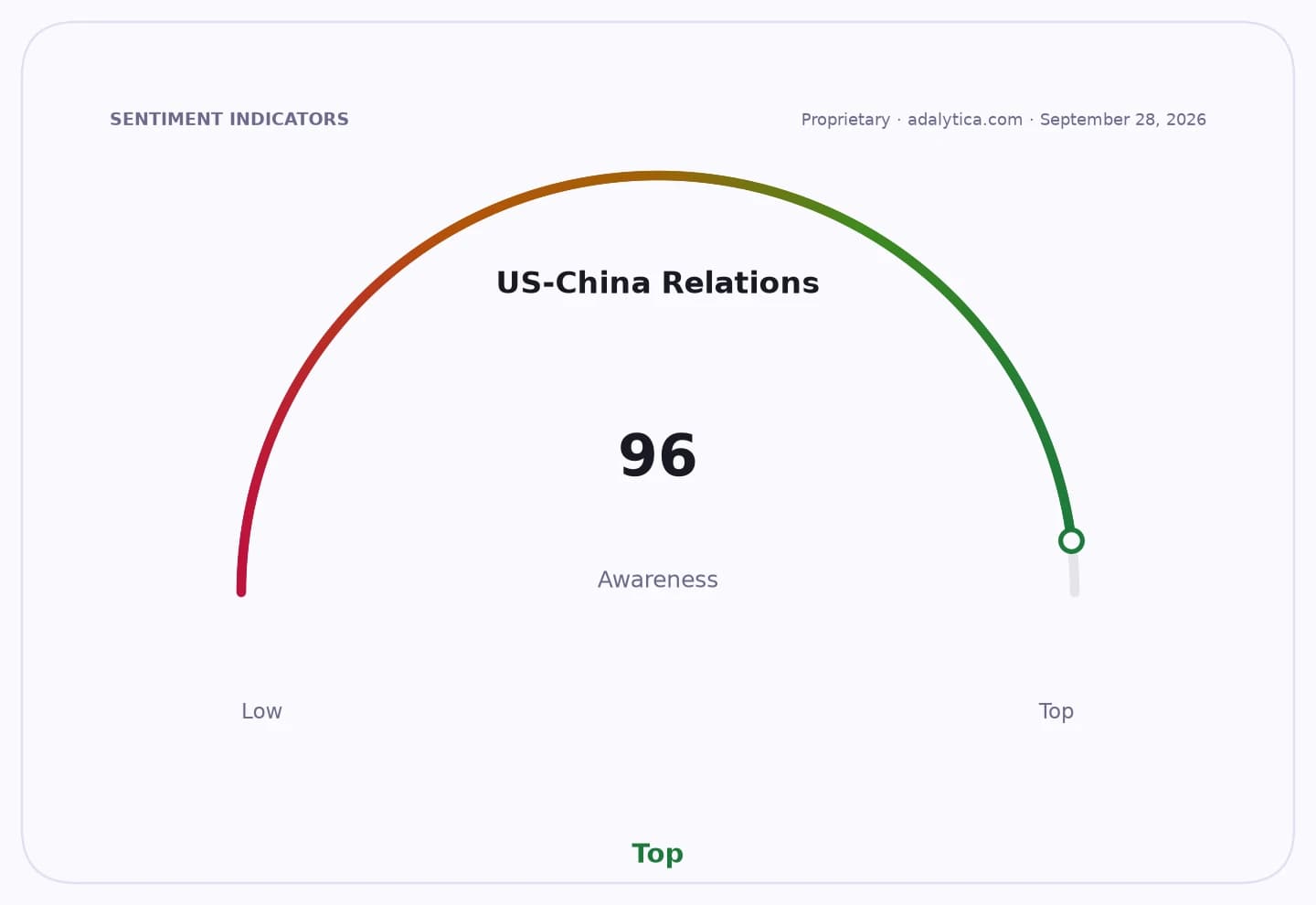
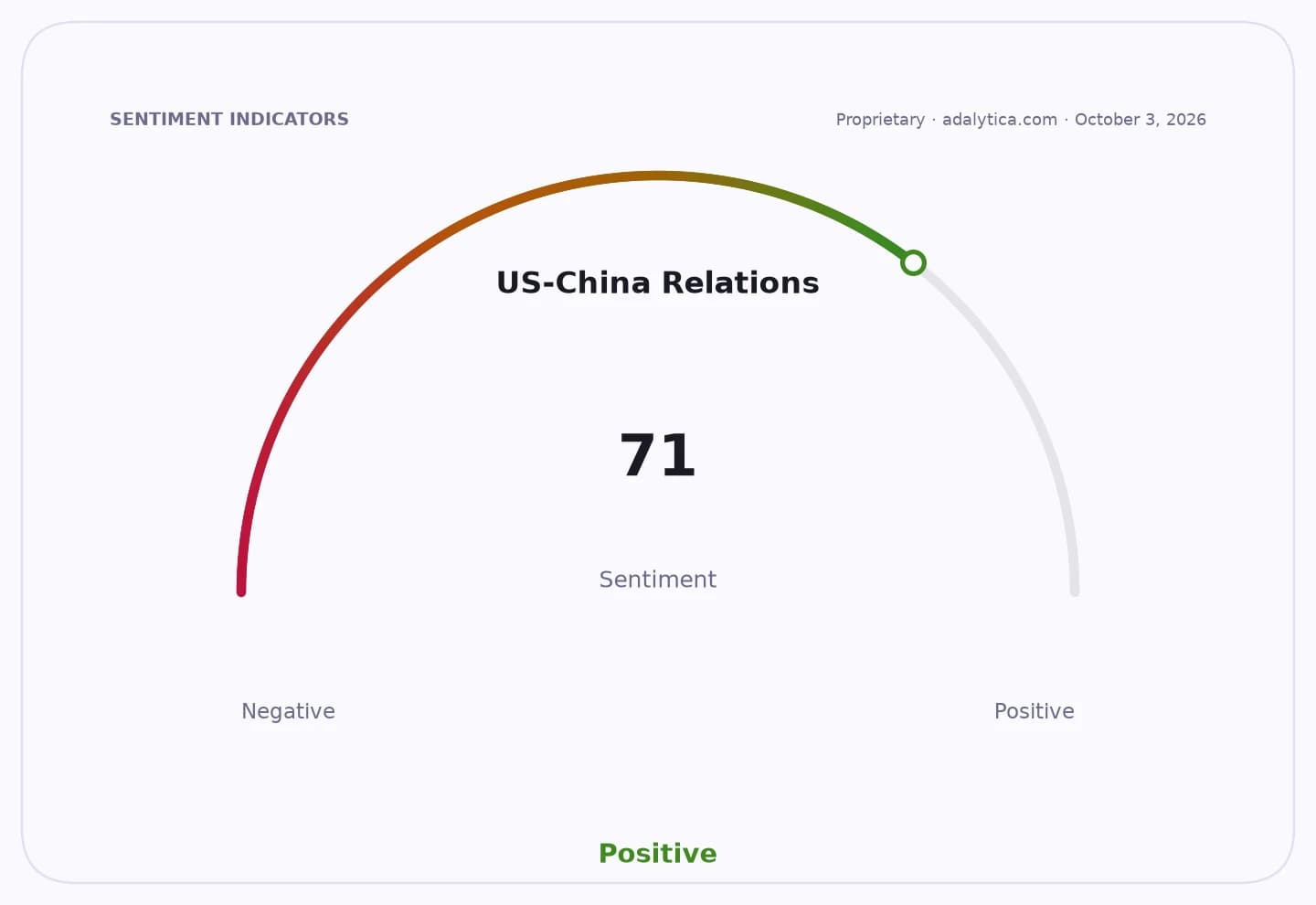
US-China Relations — 30-day sentimentadalytica.com
Explore this data interactively — full history, time series and cross-market comparisons.Open AlphaPulse
For investors, the signal is that rare earths remain a geopolitical price-setting market, not just a commodity niche. MP Materials, which owns a rare earth metal, alloy and magnet plant in Texas, sits closest to any improvement in US policy support or supply-chain reordering, but it also remains exposed to policy-driven volatility in Chinese exports and critical mineral pricing. Albemarle, while better known for lithium, also has exposure to the broader shift in battery and strategic mineral supply chains, and the sector’s pricing has been whipsawed by changing policy expectations and Chinese controls.
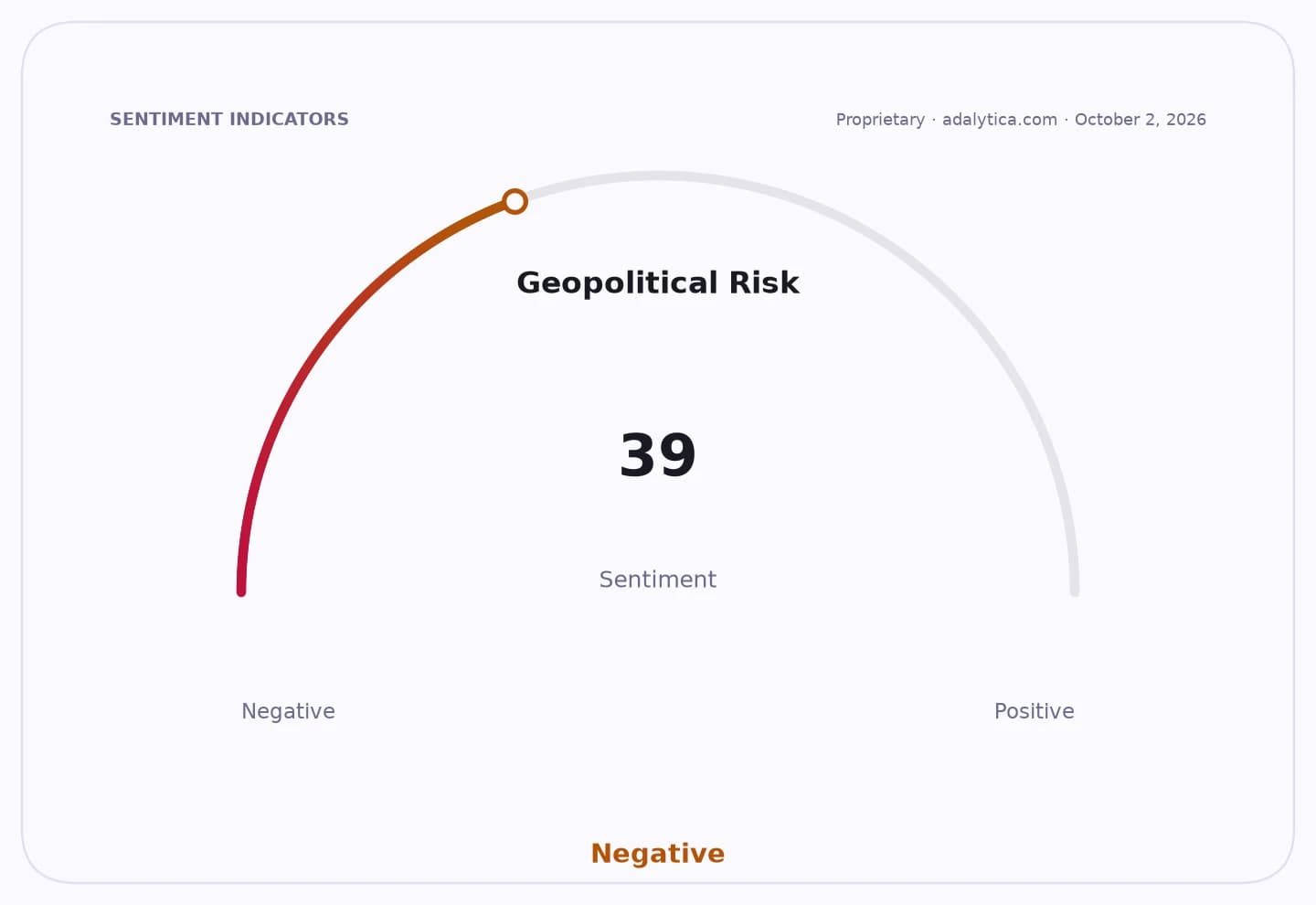
The market backdrop reinforces the stakes. MP shares closed at $46.97 on Oct. 2, well below its 50-day average of about $51, while its relative strength index remained below 40, a sign of recent weakness. Taiwan chipmaker TSMC, by contrast, has traded much stronger, reflecting how investors continue to favor firms with tighter control over essential supply chains. The divergence highlights the market’s view: strategic mineral producers can benefit from policy urgency, but they remain vulnerable to political headlines and uneven execution.
The broader narrative is that US-China competition over critical materials is entering a more pragmatic phase. Even as Washington frames China’s dominance as a security risk, Republicans close to Trump appear to recognize that outright disengagement would increase costs for US industry and complicate efforts to build alternative supply chains. The likely near-term outcome is more dialogue, not less, with rare earths one of the few areas where confrontation and negotiation have to coexist.
For investors, the key question is whether engagement leads to more predictable export terms or merely postpones another disruption. Any sign of stable licensing, new bilateral understandings or fresh US industrial support could lift strategic mineral names. But if talks stall, the sector remains exposed to a renewed squeeze that would ripple through defense, autos, clean energy and semiconductor supply chains.
| Entity | Gains | Losses |
|---|---|---|
| US manufacturers | ▲More supply certainty | ▼Continued dependence on China |
| China | ▲Leverage in negotiations | ▼Pressure over export controls |
| MP Materials | ▲Policy support, domestic demand | ▼Volatile pricing, execution risk |
| US investors | ▲Potential re-rating on supply-chain buildout | ▼Headline-driven swings |