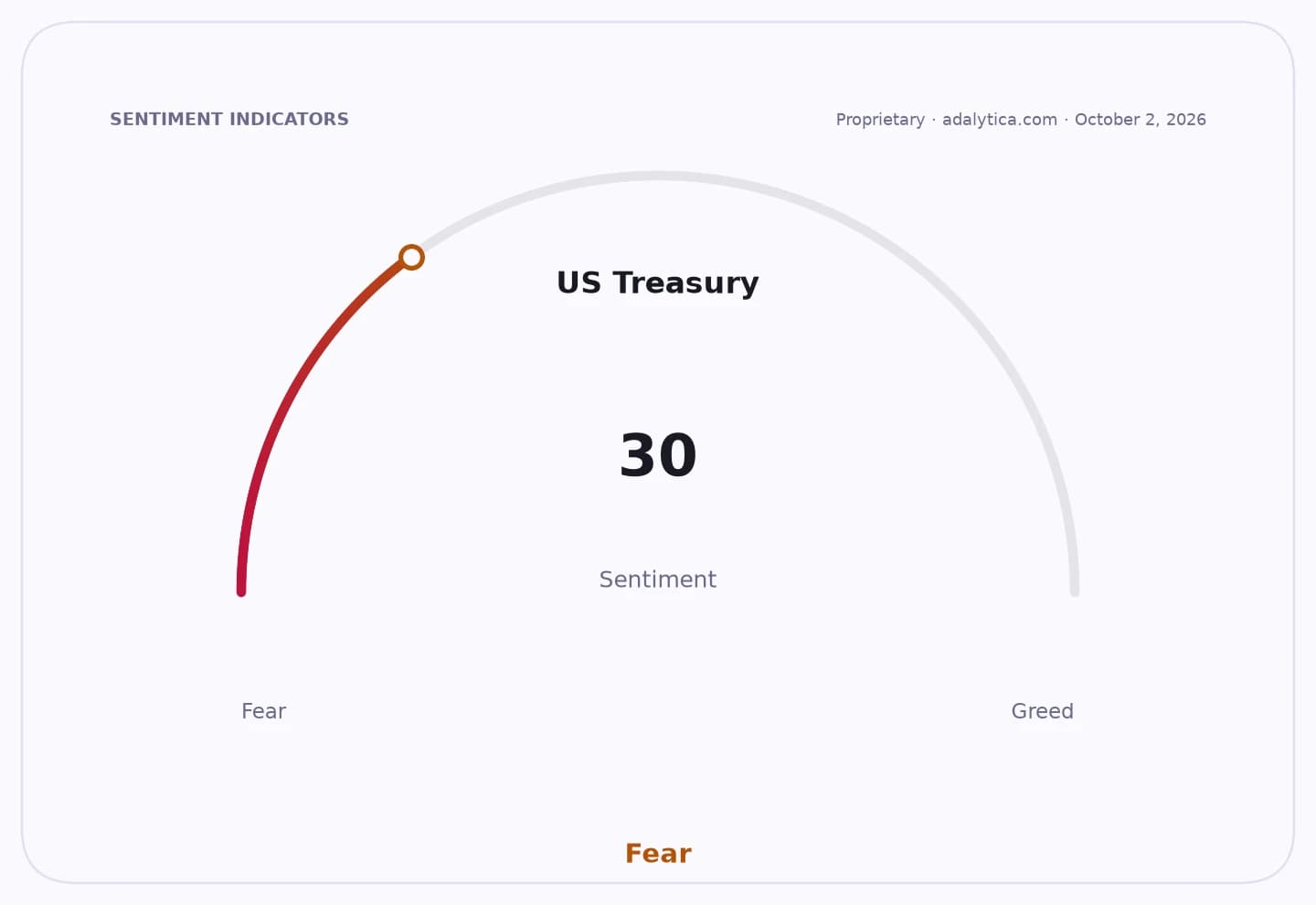
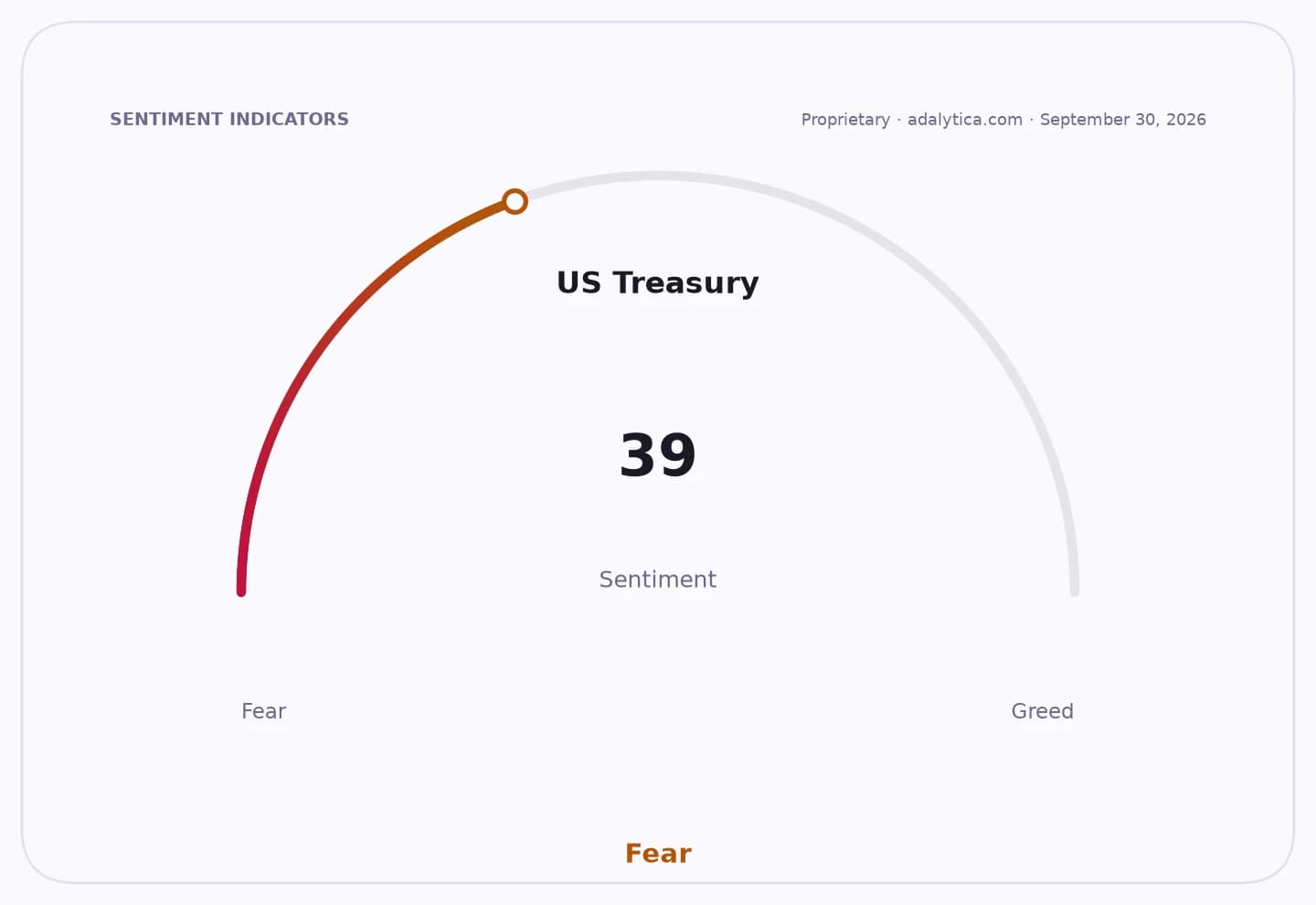
Britain’s surging debt-interest bill is becoming one of the biggest threats to Chancellor Rachel Reeves’s room for manoeuvre, as government borrowing costs climb back toward levels last seen in the late 1990s and squeeze an already tight budget.
UK Gilt Yields Rise as Debt-Interest Costs Jump

That matters because the cost of servicing public debt is no longer a background line item — it is a direct claim on tax revenues that could otherwise fund investment, public services or tax relief. When gilt yields rise, the Treasury has to pay more to refinance its debt, and the effect can snowball if higher interest rates persist.
Sentiment IndicatorsⓘProprietary · adalytica.com · October 5, 2026
This is a snapshot — live sentiment, awareness and momentum for 130+ markets update continuously in the dashboard.Open AlphaPulse
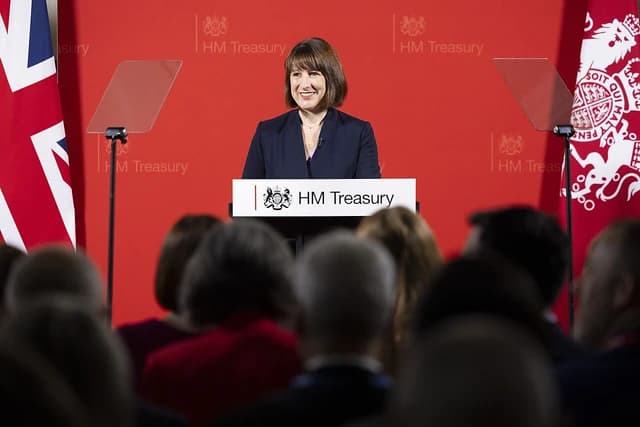
The backdrop is global, but the pressure is especially uncomfortable in the UK. A worldwide selloff in sovereign debt has pushed US 10-year Treasury yields to their highest level since 2002, while the UK’s own long-dated borrowing costs have hit their highest since 1998, according to the market context. For Britain, that is more than a market milestone: it raises the odds that fiscal rules become harder to meet without deeper spending restraint or bigger tax measures.
For investors, the message is simple. Higher gilt yields can be a warning sign that the bond market is demanding a bigger risk premium for lending to highly indebted governments. They also tend to ripple through equities, lifting the discount rate used to value future earnings and making cash-heavy, defensive assets relatively more attractive than long-duration growth stocks.
The pressure is visible in bond markets. The iShares 20+ Year Treasury Bond ETF, TLT, has fallen to about $77.48, well below its 50-day moving average of $81.15 and its 200-day moving average of $83.73. Its relative strength index sits near 27, a level that typically indicates the fund is deeply oversold, while its MACD remains negative. In plain English, investors are still leaning away from long-duration government bonds even after the recent selloff.
That fits with the broader macro picture. Adalytica’s US Treasury Bonds trade signals show neutral sentiment but extreme awareness, suggesting markets are paying intense attention to the bond shock even if they have not settled into a clear bullish or bearish view. The US dollar, meanwhile, is showing fear readings, a reminder that fiscal stress is reverberating beyond the bond market itself.
For Britain, the crucial point is not just whether yields are high today, but whether they stay high long enough to harden into a structural budget problem. If they do, the government faces a tougher trade-off between keeping debt sustainable and protecting growth. That is the real investor takeaway: rising borrowing costs are not just a challenge for bondholders, they are a constraint on policy, corporate valuations and the broader UK investment case.
For long-term investors, this is a story worth watching rather than reacting to. Governments can adjust spending, growth can improve and bond markets can calm, but until that happens, the UK’s debt-service burden remains a live risk for the fiscal outlook and a reason to stay selective with UK assets.
| Entity | Gains | Losses |
|---|---|---|
| Gilt buyers | ▲Higher yields | ▼Price volatility |
| UK Treasury | ▲None | ▼Bigger interest bill |
| Long-duration bond funds | ▲Potential rebound if yields fall | ▼Mark-to-market losses |
| UK taxpayers | ▲None | ▼Less fiscal room |