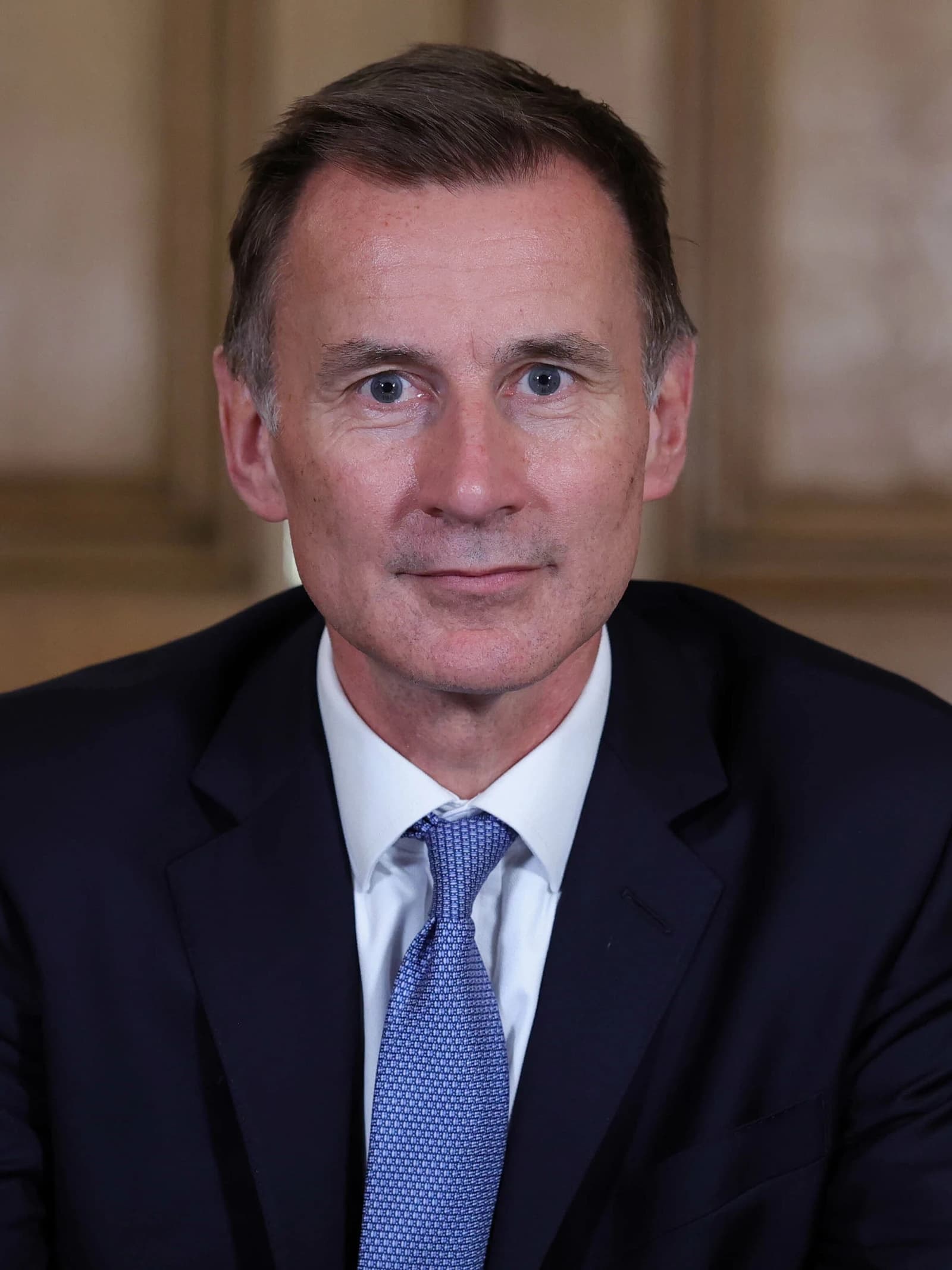
Bank of England Governor Andrew Bailey said weak productivity, ageing populations and higher defence spending are pushing up government debt across advanced economies, adding to the pressure on bond markets already rattled by a sharp rise in yields.
BoE Bailey warns on debt, gilt yield surge

Bailey’s comments matter because they frame the recent selloff in sovereign bonds as more than a short-term market wobble. He pointed to structural forces — including the aftershocks of COVID-19 — that have left governments with heavier debt loads just as investors are demanding more compensation to lend, raising financing costs for states, companies and households.
Sentiment IndicatorsⓘProprietary · adalytica.com · September 4, 2026
This is a snapshot — live sentiment, awareness and momentum for 130+ markets update continuously in the dashboard.Open AlphaPulse

In Britain, the backdrop is already severe. The 10-year gilt yield this week reached its highest level in almost 20 years, while longer-dated yields climbed to their highest since 1998. Higher yields feed directly into debt-servicing costs for the government and can tighten financial conditions across the economy, making mortgages, corporate borrowing and infrastructure funding more expensive.
Bailey said the trend is visible beyond the UK, citing investors’ willingness to demand a higher rate on French government debt than on cosmetics maker L’Oreal’s bonds as evidence of how public finances are being re-priced. That comparison underscores how sovereign borrowers can no longer assume the safest pricing in the market simply because they are governments.

For investors, the message is that fiscal credibility and bond-market discipline are becoming more important drivers of returns. That helps explain why interest-rate futures on Friday priced only about a 10% chance of a quarter-point rate increase at the Bank of England’s next meeting this month, but more than 60% for November, as traders weigh whether persistent inflation and rising borrowing costs force policymakers to stay tighter for longer.
Bailey voted with the majority of the Monetary Policy Committee in July to leave rates unchanged while the bank assessed the long-term inflation effects of conflict in the Middle East. His latest remarks suggest the central bank is watching not just near-term price pressure, but the wider bond-market strain that can shape fiscal policy and monetary decisions alike.
The next catalyst is the Bank of England’s policy meeting this month, with gilt markets set to remain sensitive to inflation data, fiscal signals and any further deterioration in long-dated borrowing costs.
| Entity | Gains | Losses |
|---|---|---|
| UK bondholders | ▲Higher yields on new debt | ▼Existing gilt prices |
| UK government | ▲None | ▼Higher borrowing costs |
| Bank of England | ▲Policy flexibility | ▼Room to cut rates quickly |
| Borrowers in UK economy | ▲None | ▼Mortgage and credit costs |