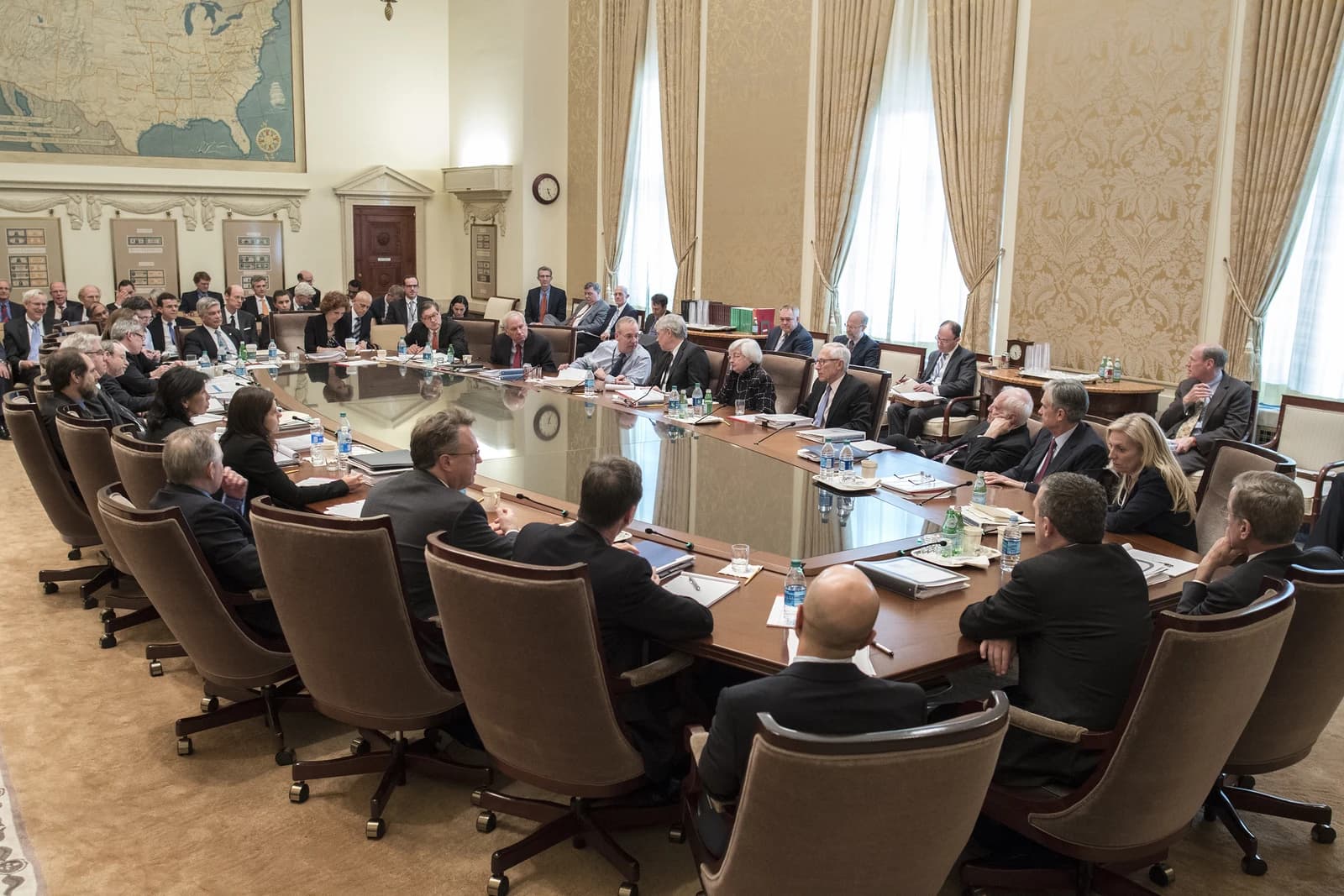
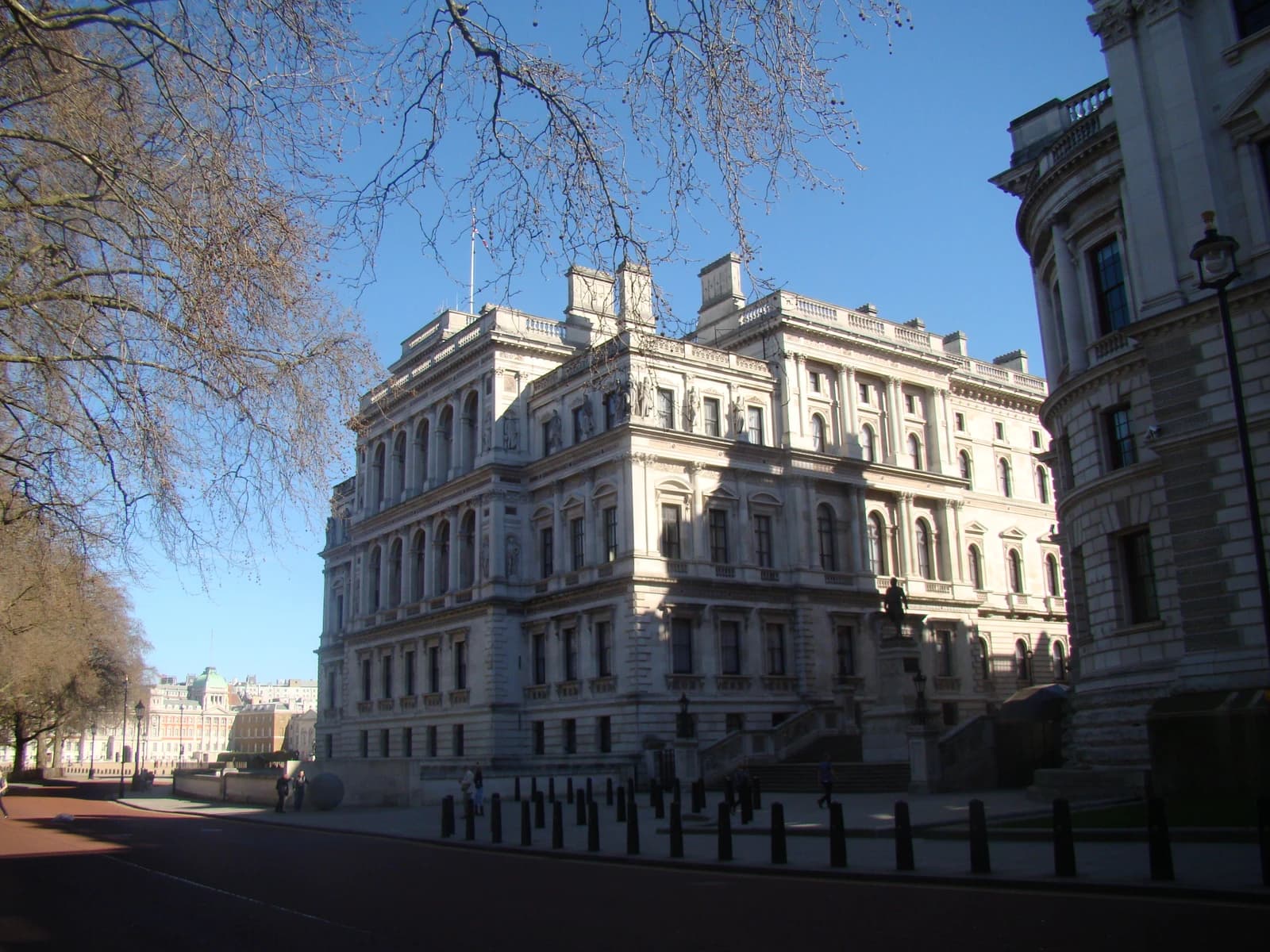
Chancellor John Healey is heading into next month’s Budget with far less room to manoeuvre after the Iran war pushed up borrowing costs, fuelled inflation fears and weakened the growth outlook, leaving the government’s fiscal buffer on course to shrink by almost half.
UK Budget Headroom Drops Before Healey's Oct. 28 Budget
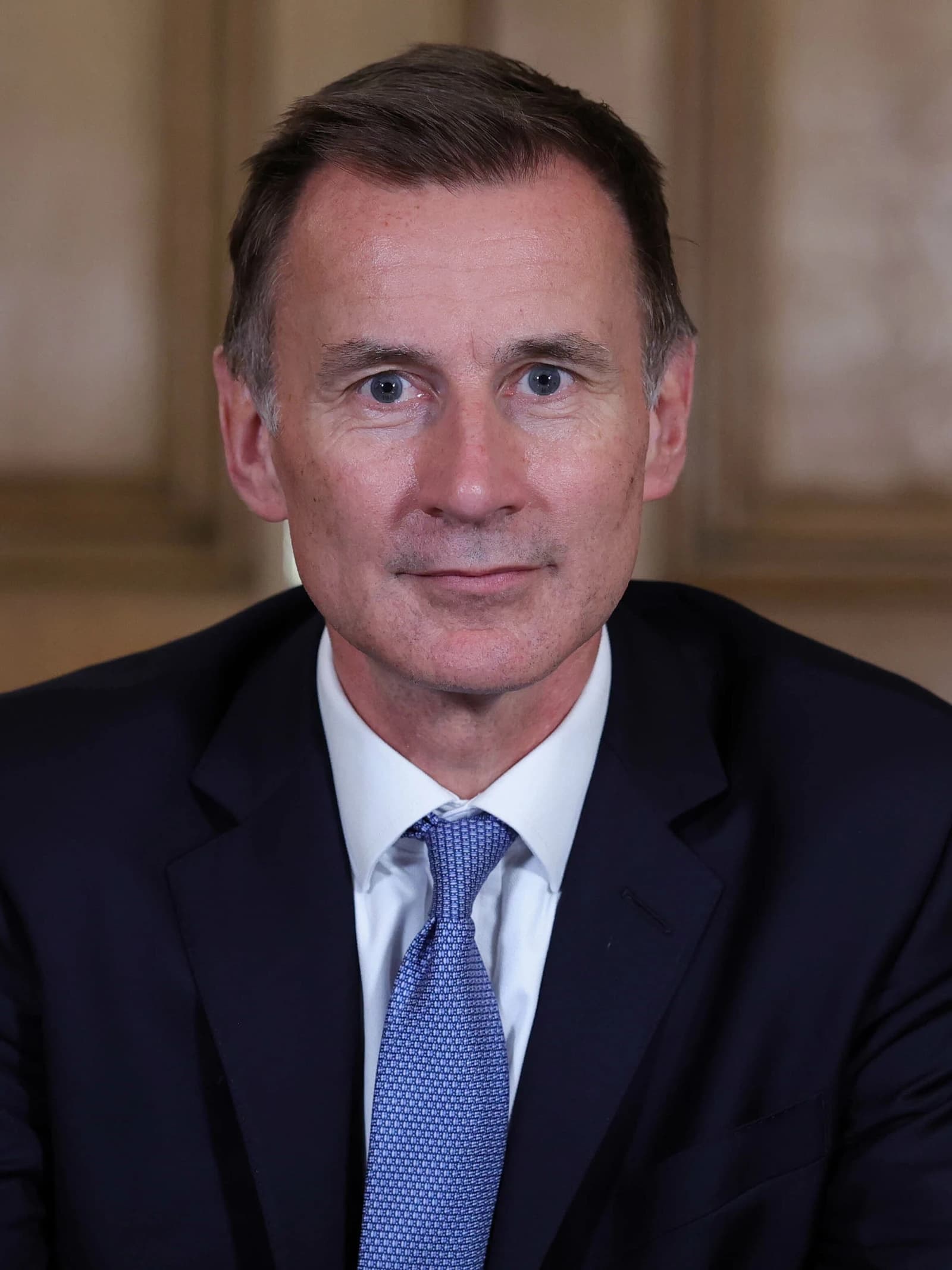
KPMG said the Treasury’s headroom could fall to about £12 billion from £23.6 billion in the spring forecast, a deterioration that materially changes the political and economic calculus ahead of Healey’s Oct. 28 Budget. Roughly £9 billion of the hit comes from higher borrowing costs on UK debt after the Middle East conflict triggered a gilt sell-off, while slower growth and likely Office for Budget Responsibility downgrades could strip away another £2 billion.
Sentiment IndicatorsⓘProprietary · adalytica.com · September 25, 2026
This is a snapshot — live sentiment, awareness and momentum for 130+ markets update continuously in the dashboard.Open AlphaPulse
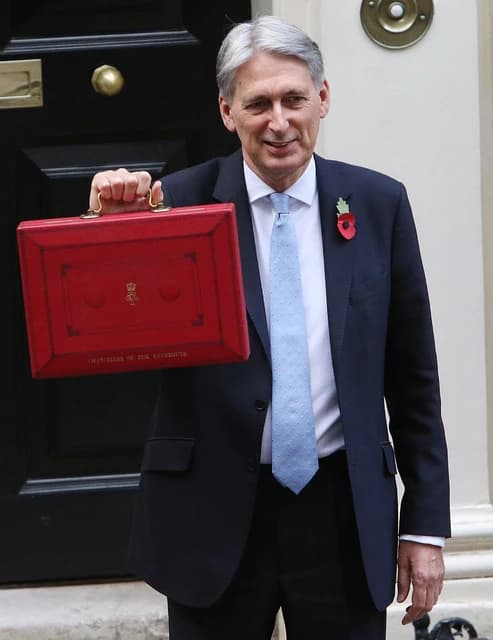
That matters because headroom is the Chancellor’s margin against his fiscal rules — and the smaller it gets, the less scope there is to cushion households, support growth or ease the cost of living without either raising taxes or cutting spending. KPMG said restoring the previous buffer could require fresh tax rises or spending restraint, a difficult choice for a government that has already committed not to increase taxes on “working people.”
The pressure is not just political. It reflects a market reassessment of inflation and interest-rate risks. Long-term borrowing costs have surged as investors price in more persistent price pressure from higher energy costs and expect the Bank of England may need to keep policy tighter for longer. KPMG now sees UK rates rising in November from 3.75% to 4%, before easing only next summer as the energy shock fades. It also expects inflation, which rose to 3.1% in August, to climb to around 3.5% this autumn and peak near 4% in the first quarter of next year.
For investors, the story is a reminder that geopolitics can quickly translate into fiscal stress in debt markets. Higher gilt yields increase the government’s financing bill, narrowing policy options just as the economy slows. KPMG expects growth of 1.3% in 2026 and 1.4% in 2027, but with activity weakening in the second half of next year as inflation erodes household spending power. That mix is usually hostile for domestically focused equities, gilt holders and rate-sensitive sectors, even as it can support energy-linked assets and inflation hedges.
The broader narrative is one of a government being forced to write its first Budget under tighter external conditions than expected. The Iran war is feeding through to energy prices, inflation expectations and bond yields, leaving Healey with less fiscal space at precisely the moment the economy needs support. What happens next will depend on whether gilt markets stabilize and whether inflation peaks as expected — but for now, the path to any meaningful tax cut or spending boost looks narrower than it did just months ago.
| Entity | Gains | Losses |
|---|---|---|
| UK gilt sellers / bond bears | ▲Higher yields | ▼Lower prices |
| Treasury / Chancellor Healey | ▲None | ▼Shrinking headroom |
| Energy producers | ▲Higher prices | ▼— |
| Households / consumers | ▲— | ▼Higher inflation, weaker real incomes |