Norway’s sovereign wealth fund is preparing to trim its holdings of US government debt, a move that could remove as much as $80 billion from one of the deepest and most important funding markets in the world.
Norway Fund Plans to Cut US Treasury Holdings

The proposal from Norges Bank Investment Management, which manages the $2.3 trillion fund, is more than a portfolio rebalance. It would reduce the fund’s allocation to US Treasuries in its benchmark bond index from 70% to 50%, according to the letter reported by the Financial Times. If implemented, the shift would cut total government-bond exposure by about $106 billion, with the bulk of the decline coming from US securities. That matters because Treasuries are not just a reserve asset for global investors; they are the main channel through which Washington finances an already swollen federal debt load.
Sentiment IndicatorsⓘProprietary · adalytica.com · September 4, 2026
This is a snapshot — live sentiment, awareness and momentum for 130+ markets update continuously in the dashboard.Open AlphaPulse

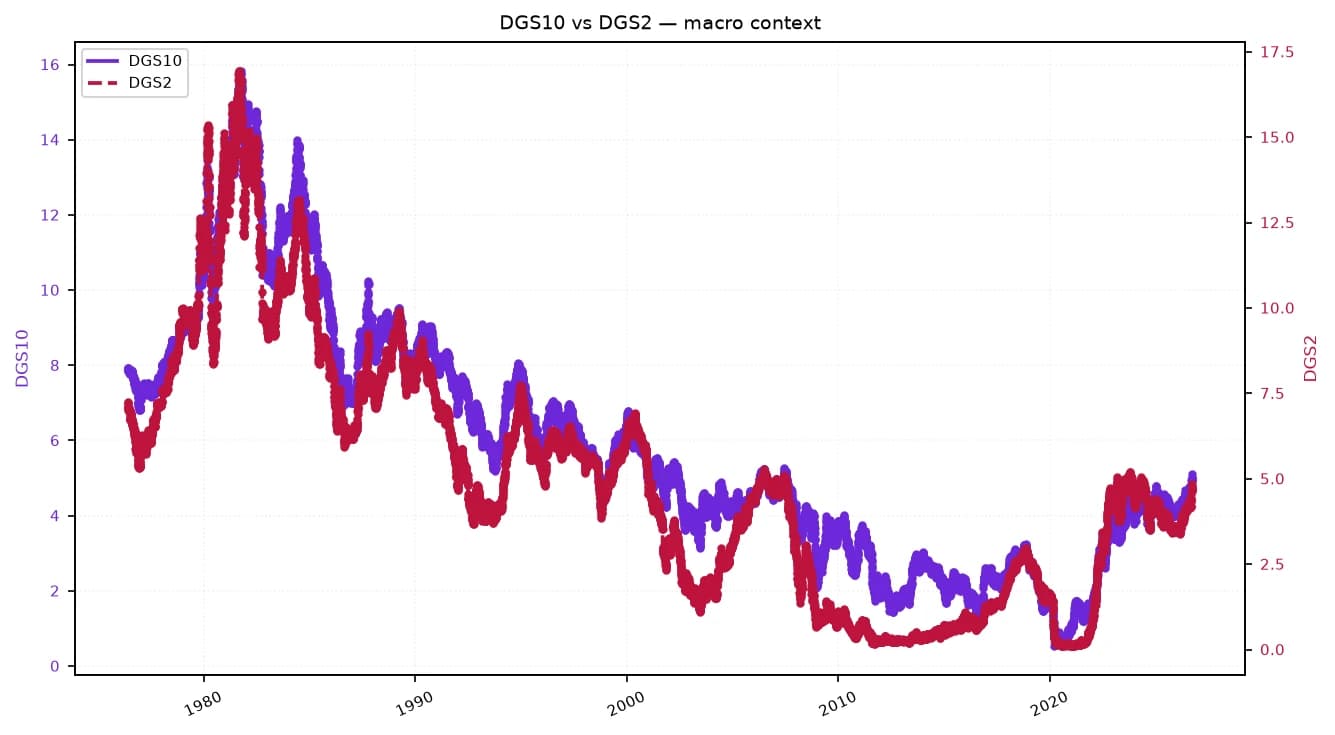
The timing is notable. Benchmark 10-year Treasury yields remain near multi-year highs at about 4.8%, while the Federal Reserve’s policy rate is still around 3.6%, leaving the curve only modestly inverted. Those levels have lifted the income on new Treasury purchases, but they have also increased duration risk and made investors more sensitive to fiscal and inflation risks. With US debt above $40 trillion and borrowing needs elevated, even a marginal reduction in demand from a large, price-insensitive holder underscores how quickly sentiment can shift when compensation no longer looks sufficient.
For Norway, the case is straightforward: the fund is trying to improve return by diversifying into other debt markets rather than remaining concentrated in US sovereign paper. For the US, the implication is more uncomfortable. Treasury demand remains vast and structurally supported by central banks, pension funds and domestic institutions, so one sovereign fund will not move the market on its own. But the decision adds to a narrative that the traditional safe-haven bid for US government debt is becoming more conditional, especially when inflation fears rise alongside geopolitics and fiscal expansion.

That backdrop is already visible in trading. Long-dated Treasury exposure, measured by the iShares 20+ Year Treasury Bond ETF, has been under pressure: TLT closed at 82.31 on Sept. 4, below its 50-day moving average of 82.93 and its 200-day average of 84.59. The fund’s conventional RSI reading at 61 suggests the recent bounce has not yet reversed the broader weakening trend. By contrast, shorter-dated Treasury exposure in SHY has held up better, trading at 81.68 and sitting above both its 50-day and 200-day moving averages, which points to investor preference for less duration risk.
Adalytica’s US Treasury Bonds trade signals also show a sharp deterioration in the recent tone around long-duration Treasuries, with sentiment at 25, labeled “Fear,” even as awareness remains elevated. The dollar, by contrast, is still holding a neutral reading, suggesting investors are not yet treating the Norway move as a broad rejection of US assets. That fits the scale of the event: the immediate market impact is likely to be modest, but the signal is broader than the dollars involved.
The bear case is that this is one large, highly influential investor reducing exposure to the world’s benchmark safe asset at a time of heavy US issuance and sticky yields. The bull case is that Treasury demand remains deep, Norway’s fund is acting on relative value rather than politics, and the market can absorb the flows. Investors will be watching whether other reserve managers or large asset allocators follow the same logic, particularly if fiscal concerns and inflation risks stay elevated.
For now, Norway’s move is best read as a warning that the appeal of US government debt is no longer automatic. In a market where funding needs are rising and yields are already elevated, that is a meaningful shift.
| Entity | Gains | Losses |
|---|---|---|
| Norway sovereign fund | ▲Higher diversification | ▼Lower US concentration |
| US Treasury market | ▲Deep baseline demand | ▼Marginal foreign selling pressure |
| Shorter-duration bonds | ▲Relative stability | ▼Less upside from falling yields |
| Long-duration Treasuries | ▲Potential value buyers | ▼More duration risk |