Norway’s sovereign wealth fund wants to cut the share of government bonds in its benchmark from 70% to 50%, a move that matters because it would shift one of the world’s largest pools of capital toward a broader mix of credit and away from the traditional safe-haven core just as borrowing costs remain elevated.
Norway wealth fund seeks smaller bond benchmark share

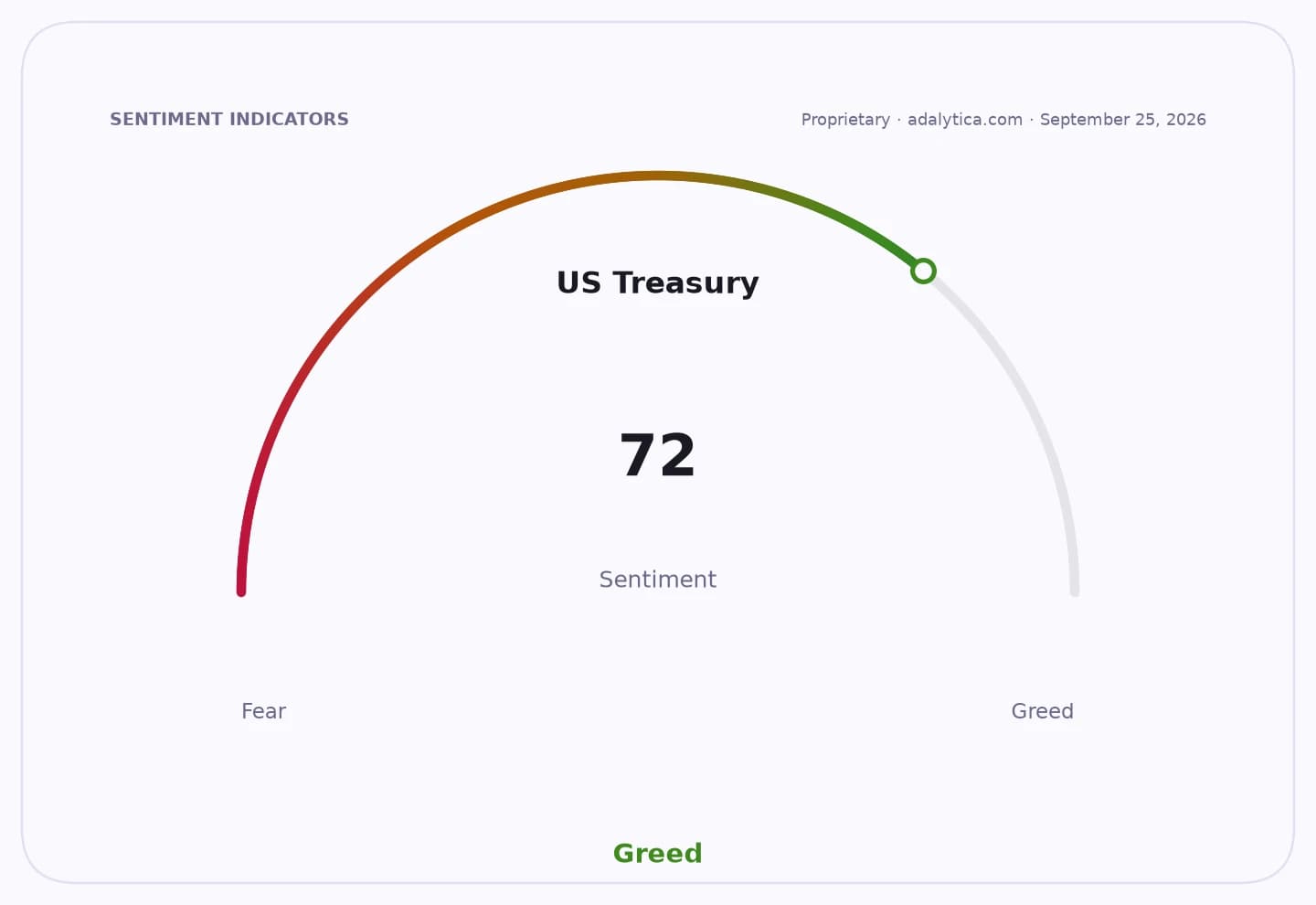
That is more than an internal portfolio tweak. When a giant, long-horizon investor such as Norges Bank Investment Management questions how much public debt it needs to hold for liquidity and stability, it reflects a world where government bonds no longer look like the automatic answer they once did. Ten-year U.S. Treasury yields are still near 4.8%, while the Fed funds rate is around 3.6%, underscoring how much more expensive public borrowing has become after the inflation shock. For investors, that means the old assumption that sovereign debt is the cleanest ballast in every market storm is being reconsidered by institutions that built their reputations on conservatism.
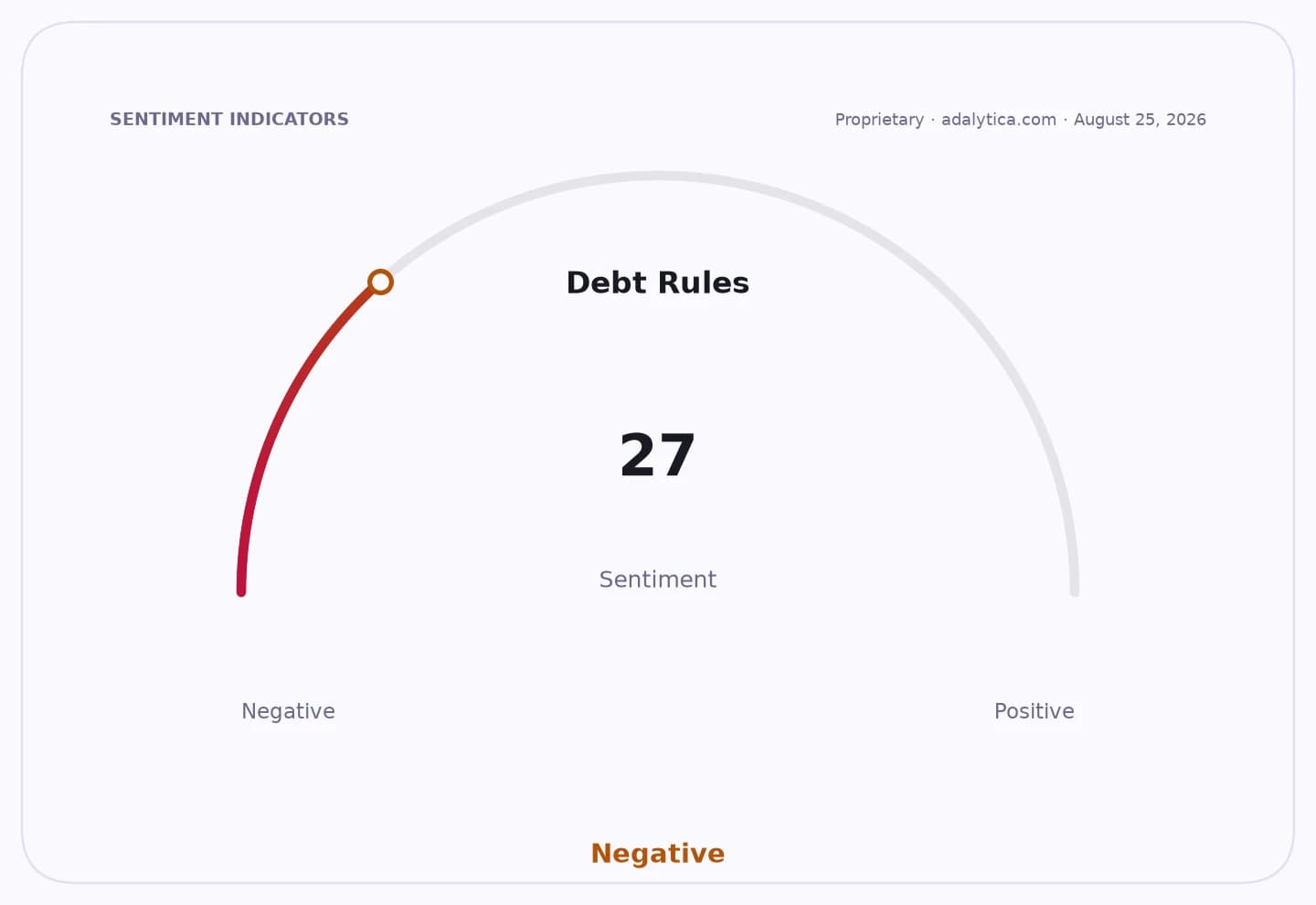
Sentiment IndicatorsⓘProprietary · adalytica.com · September 5, 2026
This is a snapshot — live sentiment, awareness and momentum for 130+ markets update continuously in the dashboard.Open AlphaPulse
Norges Bank said a smaller government-bond allocation would still be enough to meet liquidity needs, even in periods of market stress. It also argued that the government-bond subindex should be weighted by market value rather than GDP, saying high public indebtedness is now a common feature of developed economies rather than a distinguishing trait of a few countries. The fund wants the rest of the benchmark to capture a wider set of risk premiums, including securitized debt such as agency mortgage-backed securities and government-related bonds.
For bond investors, that proposal is a reminder that diversification is not just about adding more issuers. It is about deciding which risks you actually want to own. A market-value weighting would likely give more room to the biggest and most liquid debt markets, while a broader benchmark could steer more capital into asset classes that have historically offered extra yield over plain sovereign paper. In a period when high-grade and high-yield credit are both adjusting to a higher-rate world, that matters for everything from index construction to fund flows.
The timing is also notable. Bond markets are still digesting years of rate hikes and a renewed debate over fiscal discipline, with sovereign debt burdens rising across the developed world. Adalytica’s trade-signal snapshots show neutral-to-cautious positioning in Treasury ETFs even after recent moves, suggesting investors remain sensitive to rate volatility rather than blindly embracing duration.
The broader message for long-term investors is simple: the safest-looking asset class is not static. If one of the most patient capital allocators on the planet wants less concentration in government debt and more exposure to other fixed-income engines, that is worth taking seriously. For diversified portfolios, the lesson is to keep an open mind about where bond risk premiums now live and to review fixed-income exposure with a multi-year horizon, not a reflexive flight to old benchmarks.
| Entity | Gains | Losses |
|---|---|---|
| Norges Bank / Norway fund | ▲More diversified bond benchmark | ▼Less reliance on sovereign debt |
| Corporate and securitized issuers | ▲More index demand | ▼Less benchmark support for governments |
| Government bond markets | ▲— | ▼Smaller share of global benchmark flows |
| Long-term diversified investors | ▲Broader risk-premium access | ▼Simpler “safe haven” allocation model |