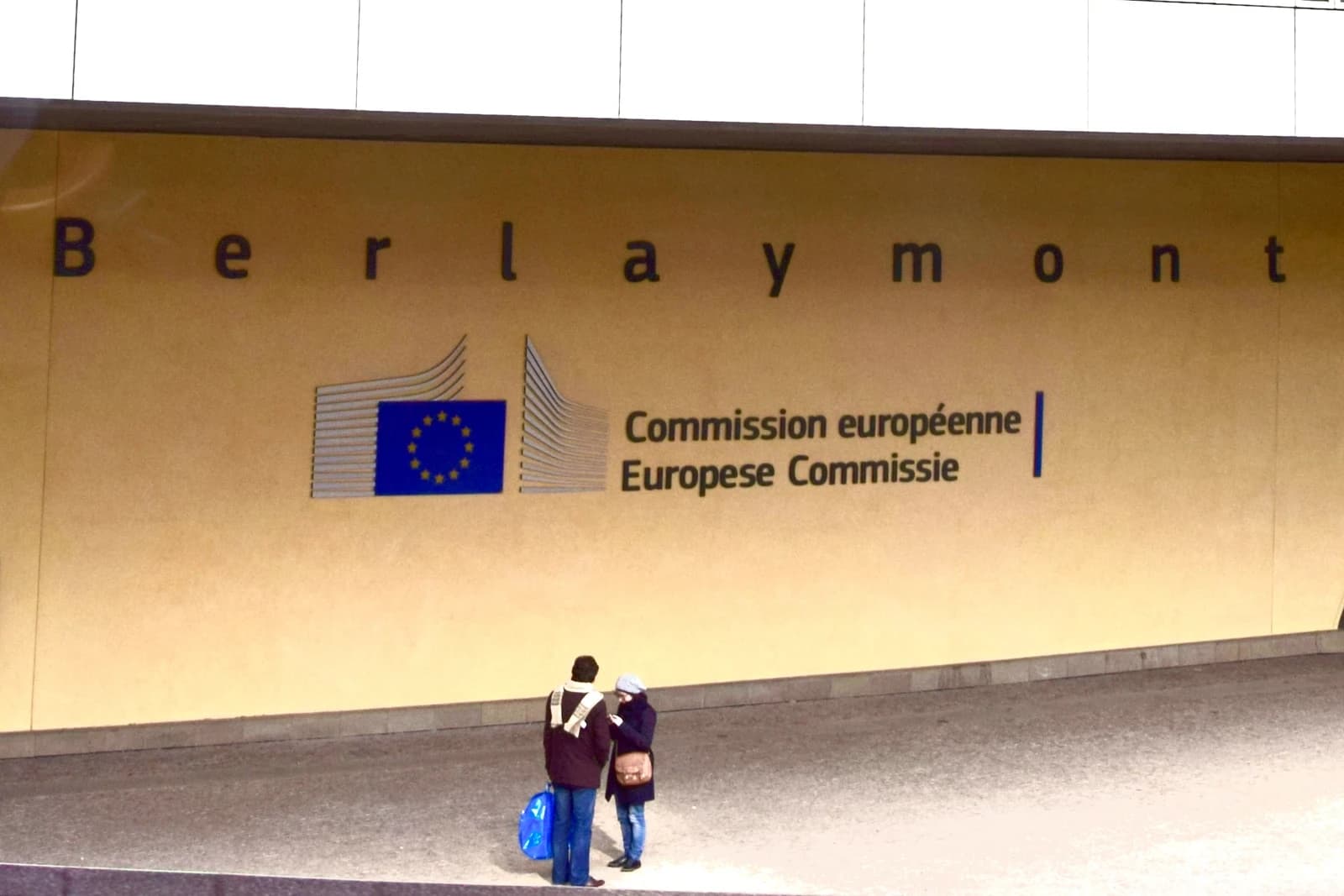
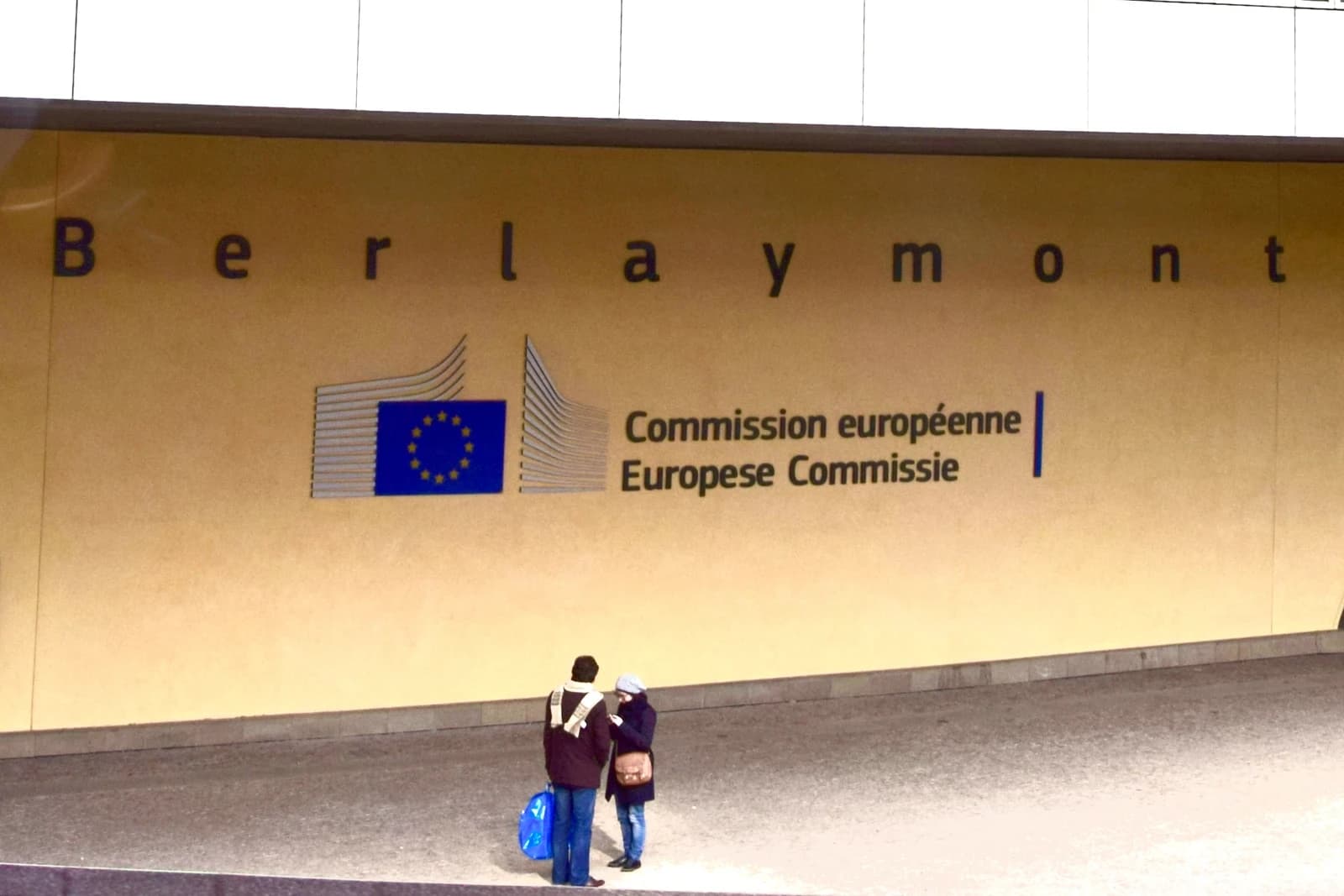
China’s launch of an anti-dumping probe into European Union chemical imports raises the stakes for Thursday’s trade talks and makes a broader, more disruptive clash between the world’s two biggest manufacturing powers more likely if neither side backs off.
China anti-dumping probe targets EU chemical imports
That matters economically because this is no longer just a diplomatic spat over tariffs and subsidies. It is becoming a fight over market access, pricing power and the health of industrial supply chains that stretch from German chemical plants to Chinese factories making dyes, pharmaceuticals and pesticides. Beijing says domestic producers asked for the investigation into low-priced p-nitrotoluene from the EU, arguing the imports are hurting production and operations. The EU has already been probing Chinese products such as polyvinyl chloride, so both sides are now using the same trade-defense playbook.
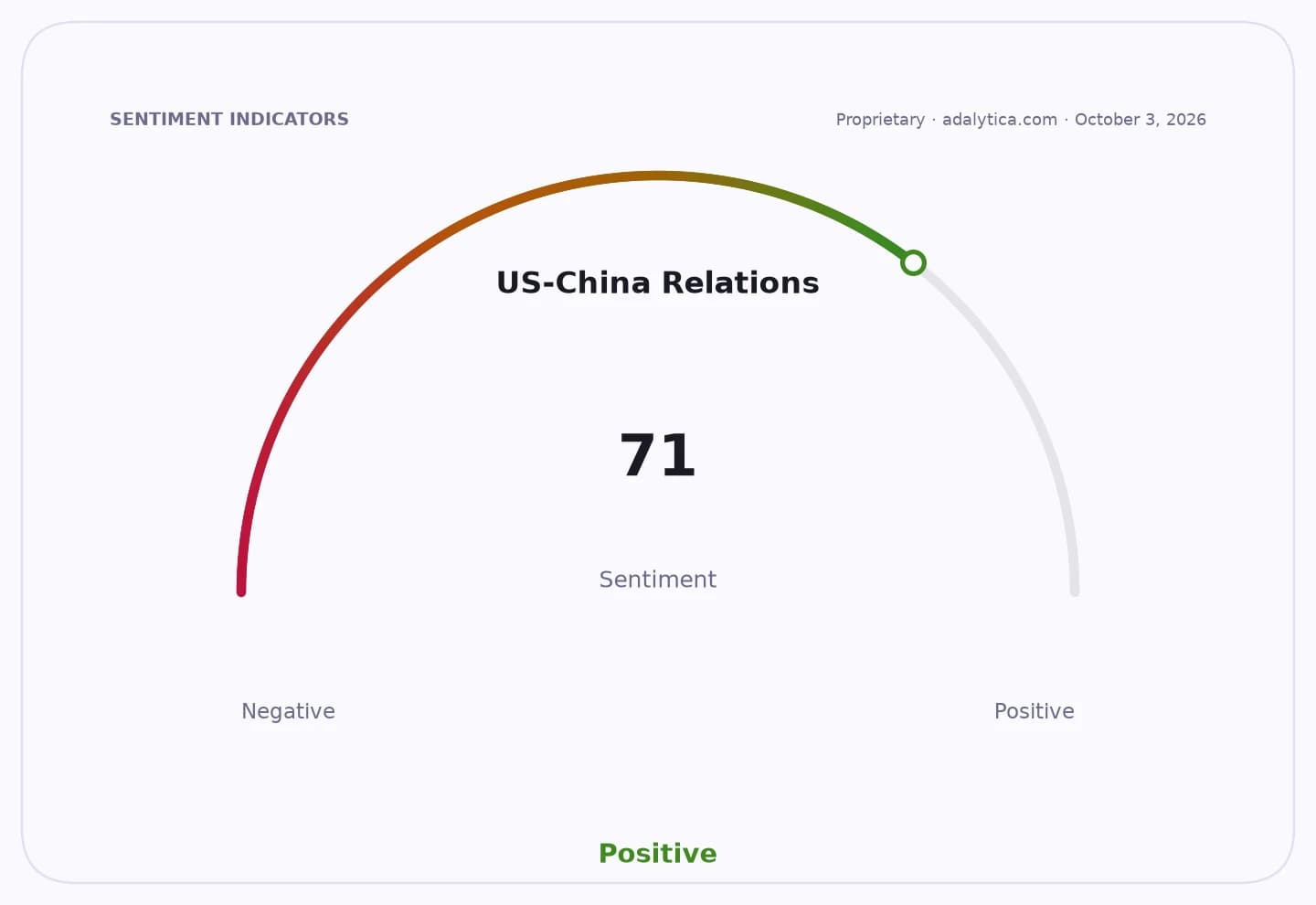
Sentiment IndicatorsⓘProprietary · adalytica.com · October 3, 2026
This is a snapshot — live sentiment, awareness and momentum for 130+ markets update continuously in the dashboard.Open AlphaPulse
For investors, the message is simple: more friction usually means less visibility. Chemical companies, industrial exporters and multinationals with heavy exposure to Europe-China trade face the risk of higher costs, slower volumes and fresh uncertainty around margins. That is especially relevant for names like BASF, Bayer and Shell, which sit close to the crossroads of energy, chemicals and global manufacturing. Their shares can hold up if the dispute stays contained, but a cycle of retaliation would make earnings more volatile and force investors to put a higher discount on future cash flows.
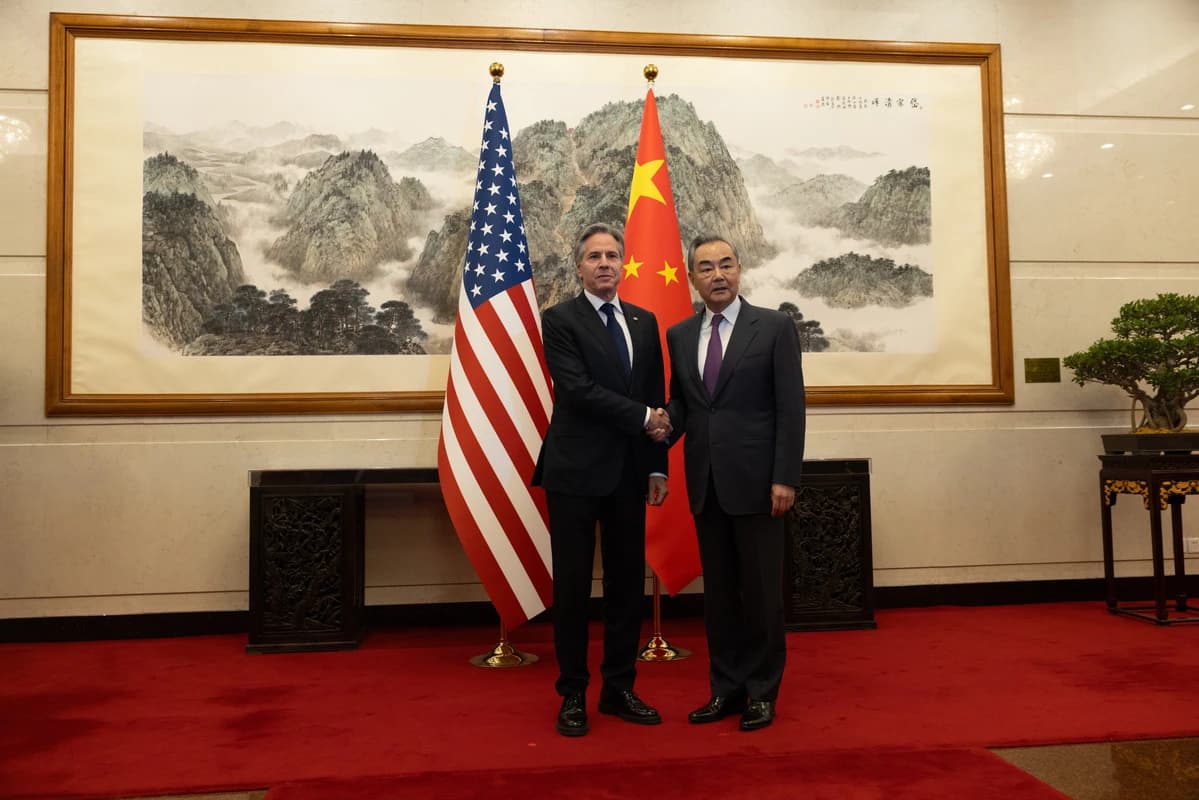
China’s move also shows how trade talks are increasingly taking place under pressure rather than in a stable negotiating framework. Beijing and Brussels have been trying to avoid a full-blown trade war as the European Union defends industries it says are being hit by subsidized Chinese exports. China rejects that charge and has threatened countermeasures of its own. With EU trade commissioner Maros Sefcovic and Chinese commerce minister Wang Wentao due to meet Thursday, the probe gives Beijing leverage at the table and a warning shot to Brussels.
The investigation is expected to run for up to 12 months, with a possible six-month extension, which means the overhang could linger well into next year even if the two sides avoid immediate escalation. That kind of drawn-out uncertainty is often as damaging as a tariff itself, because companies delay orders, investment and hiring when they cannot predict where trade policy is headed.
For long-term investors, the right takeaway is not to trade every headline, but to recognize that global chemicals and industrials are again being shaped by geopolitics as much as by demand. The strongest companies will be the ones with pricing power, diversified supply chains and the ability to pass through shocks. The rest will be more exposed to another round of tit-for-tat retaliation, making this a story worth watching closely.
| Entity | Gains | Losses |
|---|---|---|
| China domestic chemical producers | ▲Protection from cheaper imports | ▼Less import competition |
| EU chemical exporters | ▲Nothing immediate | ▼Risk of probe, possible curbs |
| China and EU negotiators | ▲More leverage in talks | ▼Higher odds of escalation |
| Chemical investors | ▲Potential entry points if tensions ease | ▼Margin and demand uncertainty |