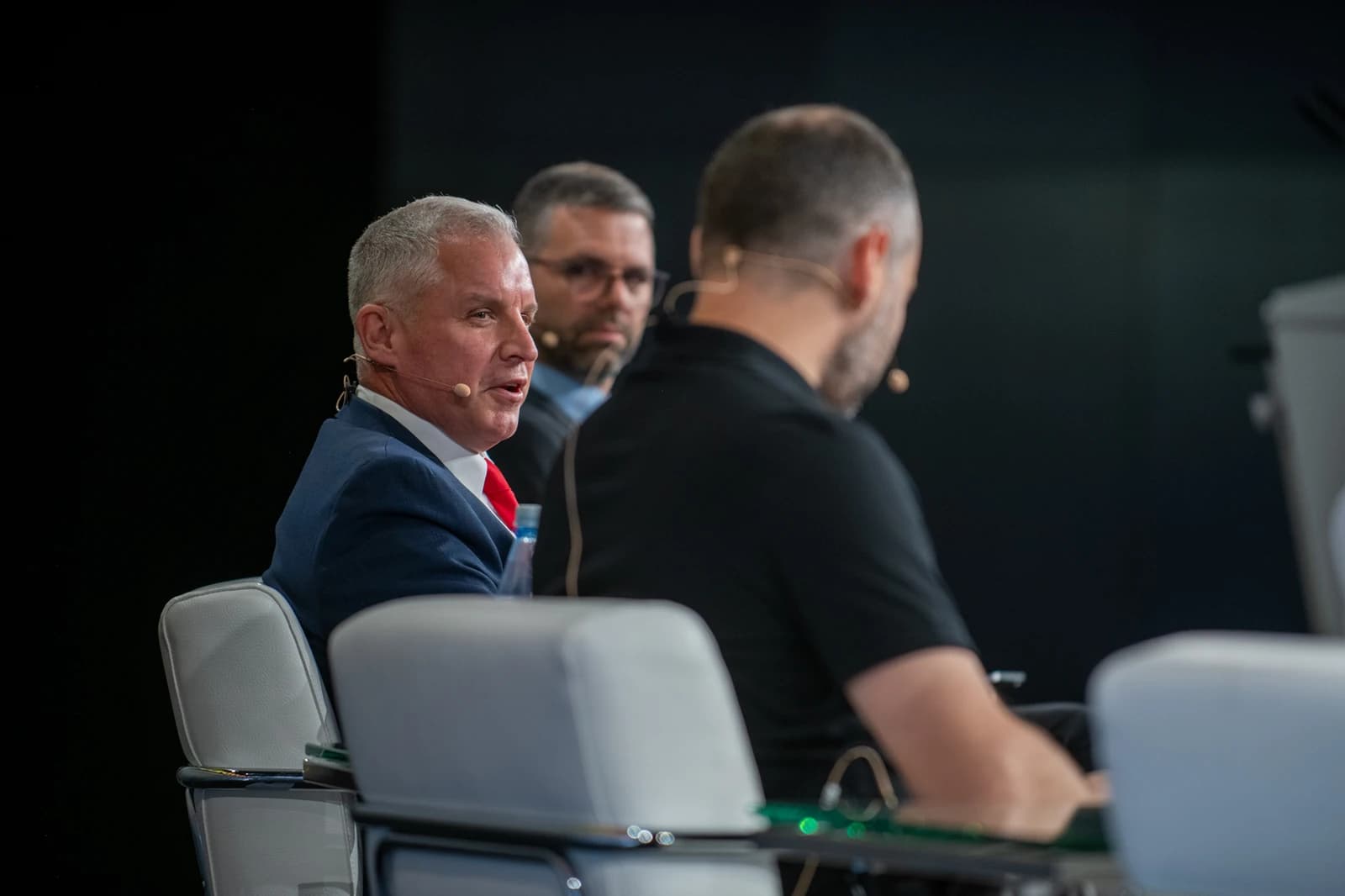
The United States and China have signaled a fresh effort to cool tensions on technology, trade and the seas, agreeing to extend their tariff truce for 90 days while also opening a new line of communication on artificial intelligence risks and rejecting the idea of charging tolls on international waterways.
US China extend tariff truce and open AI talks
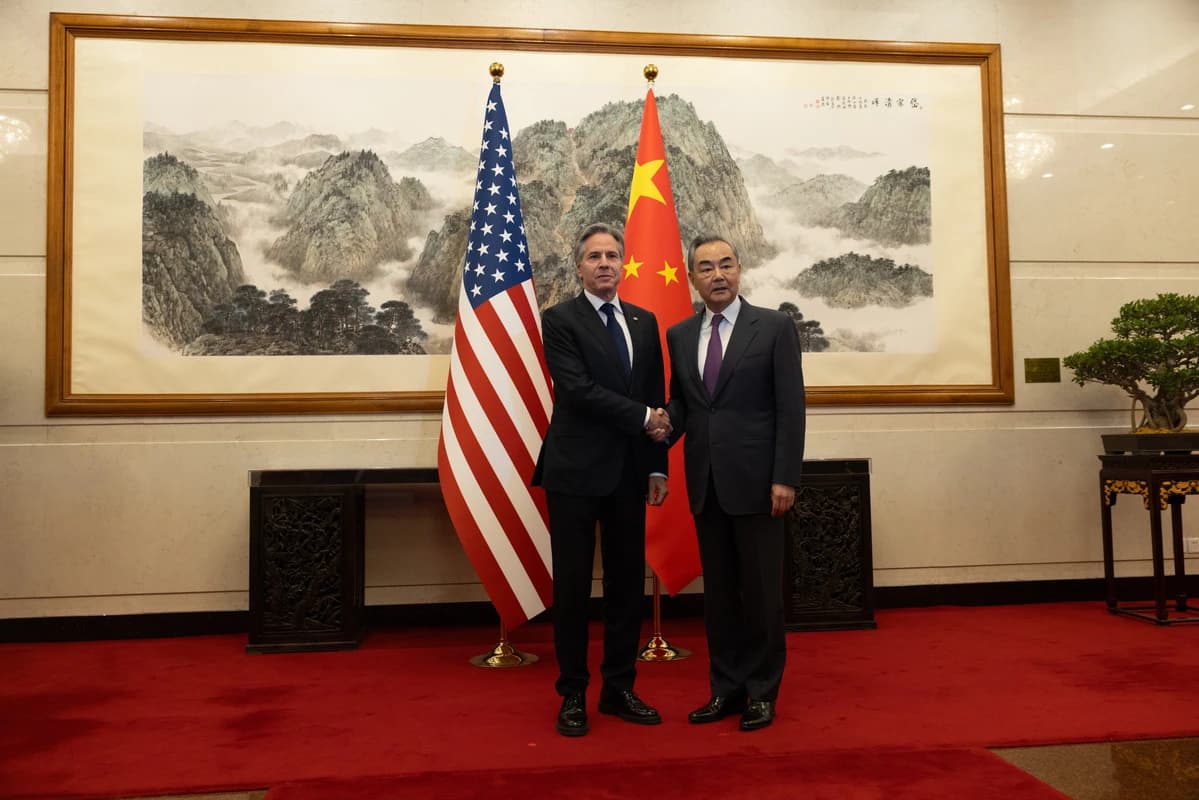
The immediate economic significance is that the two largest economies are buying time rather than escalating. A 90-day extension of the trade pause delays the next round of tariff pressure until January, reducing near-term disruption for supply chains, exporters and importers that have been managing a fragile ceasefire. For markets, that matters because tariff shocks tend to spill quickly into inflation expectations, capital spending plans and corporate margins.
The AI language is more than diplomatic symbolism. By agreeing to use the term “super intelligence” instead of AI in discussions about advanced systems, Washington and Beijing are acknowledging that the competitive race is moving beyond today’s commercial models into a domain both sides now frame as a strategic and potentially existential risk. The practical takeaway is that the two powers are creating a channel to talk about frontier technology without immediately tying it to sanctions or confrontation.
That is relevant to investors because the biggest U.S. beneficiaries of the AI buildout — including Nvidia and Microsoft — remain exposed to export controls, procurement shifts and regulatory intervention. Nvidia has already warned that restrictions on shipments can push overseas customers toward competitors, while Microsoft has said import controls can complicate supply chains. A more stable dialogue reduces the odds of another abrupt policy hit, even if it does not remove the structural risk.
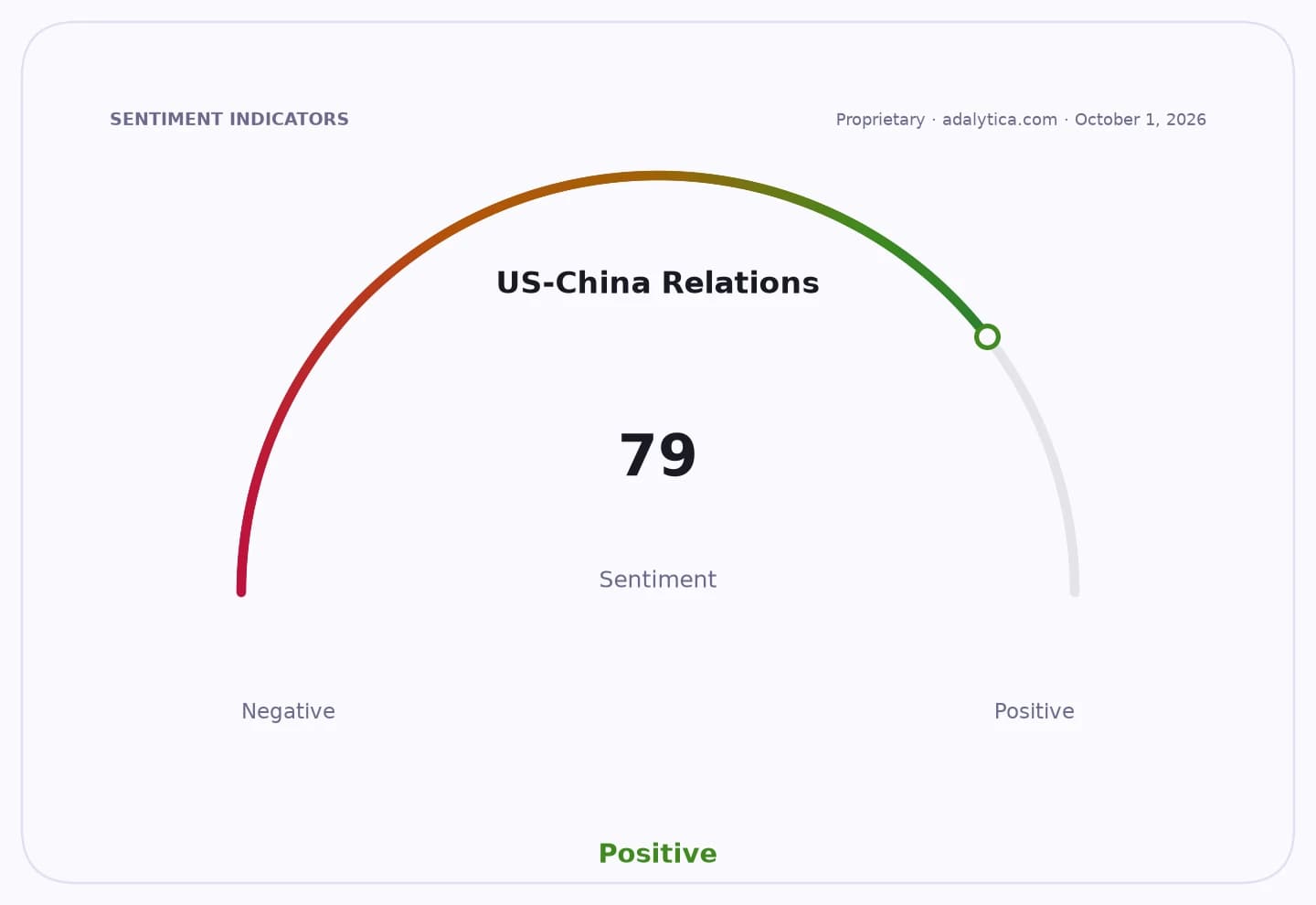
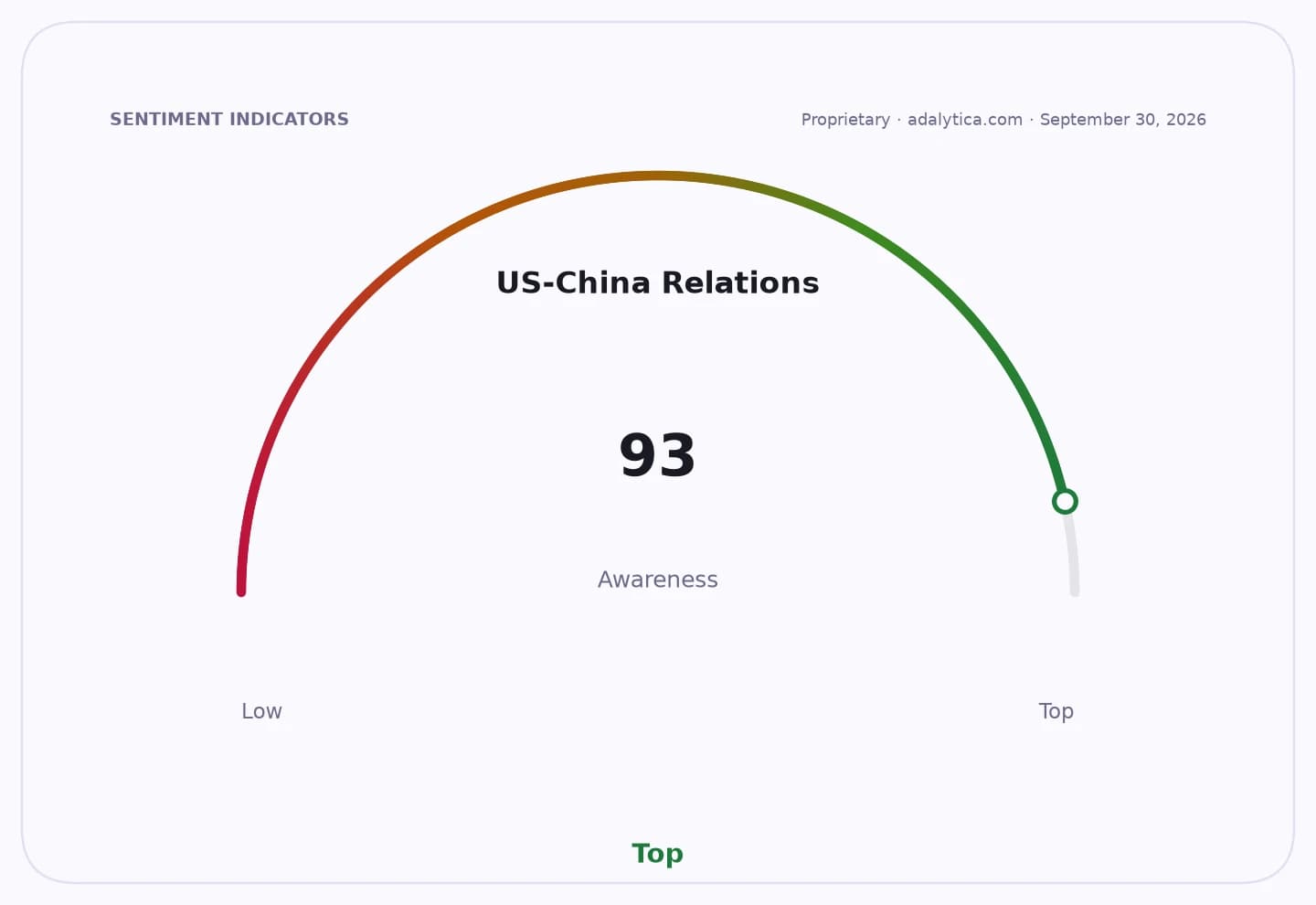
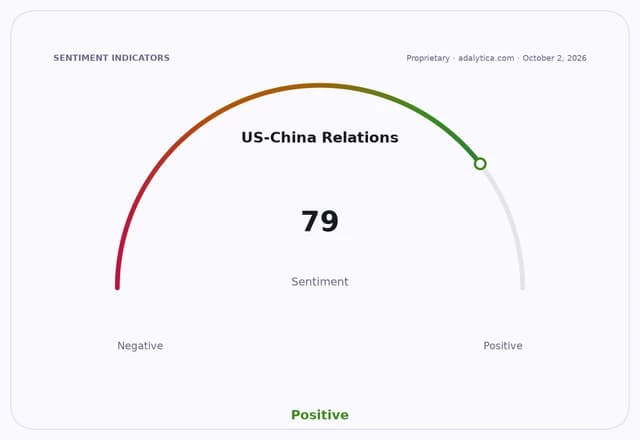
US-China Relations — 30-day sentimentadalytica.com
Explore this data interactively — full history, time series and cross-market comparisons.Open AlphaPulse
The market reaction fits that balancing act. The S&P 500 ETF, SPY, has held near record territory at about 764, with its 50-day moving average above the 200-day average, suggesting the broader market still has momentum. Nvidia has also pushed back above $230, with technical indicators showing the stock above both its 50-day and 200-day moving averages. But those gains coexist with the reality that semiconductors and cloud infrastructure remain highly sensitive to U.S.-China policy shifts.
The waterway toll language points to a separate but connected geopolitical risk: energy and shipping. By saying no country or entity should be allowed to impose tolls on international waterways, the two sides are implicitly taking aim at any attempt to weaponize chokepoints such as the Strait of Hormuz. That is important for oil, freight and insurance markets because shipping disruptions can transmit into headline inflation and trade costs far beyond the Gulf.
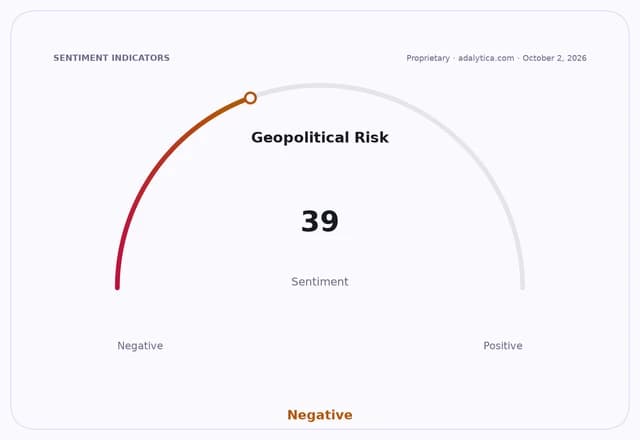
For global stability, the move is modestly reassuring. Adalytica’s US-China relations sentiment gauge remains in “Greed” territory, but its latest reading eased on the day, while its global stability measure fell sharply into neutral, underscoring how quickly sentiment can swing when great-power tensions flare or cool. The truce extension helps prevent that mood from deteriorating further.
The bull case for investors is that the agreement lowers the near-term probability of a tariff shock and gives companies more room to plan capital expenditure, inventories and sourcing. The bear case is that the substance remains thin: a temporary pause, not a settlement, and a rhetorical shift on AI that does not yet resolve export controls, data rules or national-security scrutiny.
What matters next is whether the 90-day window produces any durable framework on tariffs, technology restrictions and maritime security. Until then, the headline risk has eased, but the strategic rivalry that drives it has not.
| Entity | Gains | Losses |
|---|---|---|
| U.S. exporters | ▲Less tariff pressure | ▼Continued policy uncertainty |
| Chinese manufacturers | ▲More time to ship and plan | ▼No lasting trade deal |
| Nvidia and AI peers | ▲Lower near-term trade risk | ▼Export-control exposure remains |
| Oil shippers and insurers | ▲Fewer immediate choke-point fears | ▼Ongoing geopolitical fragility |