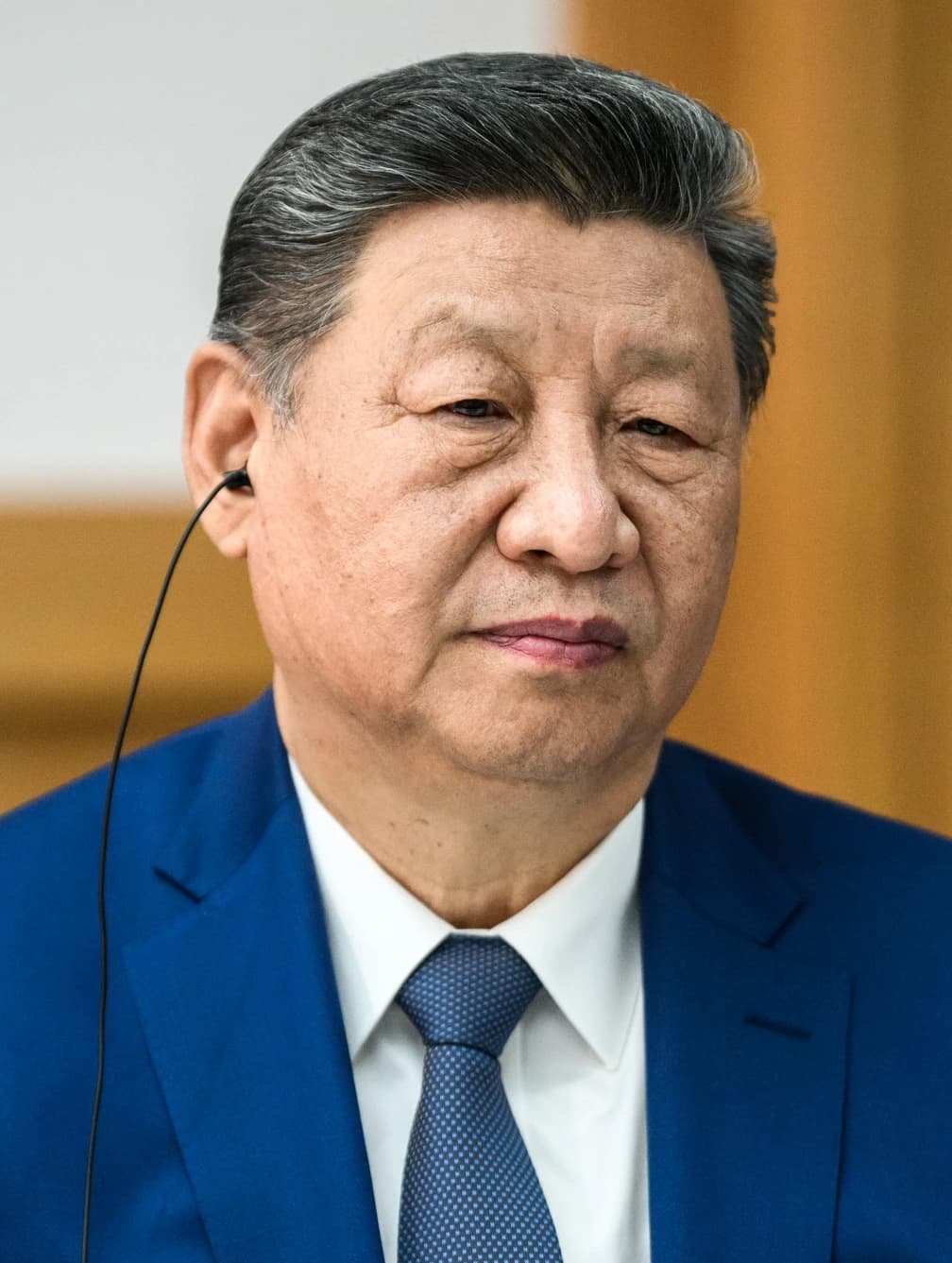
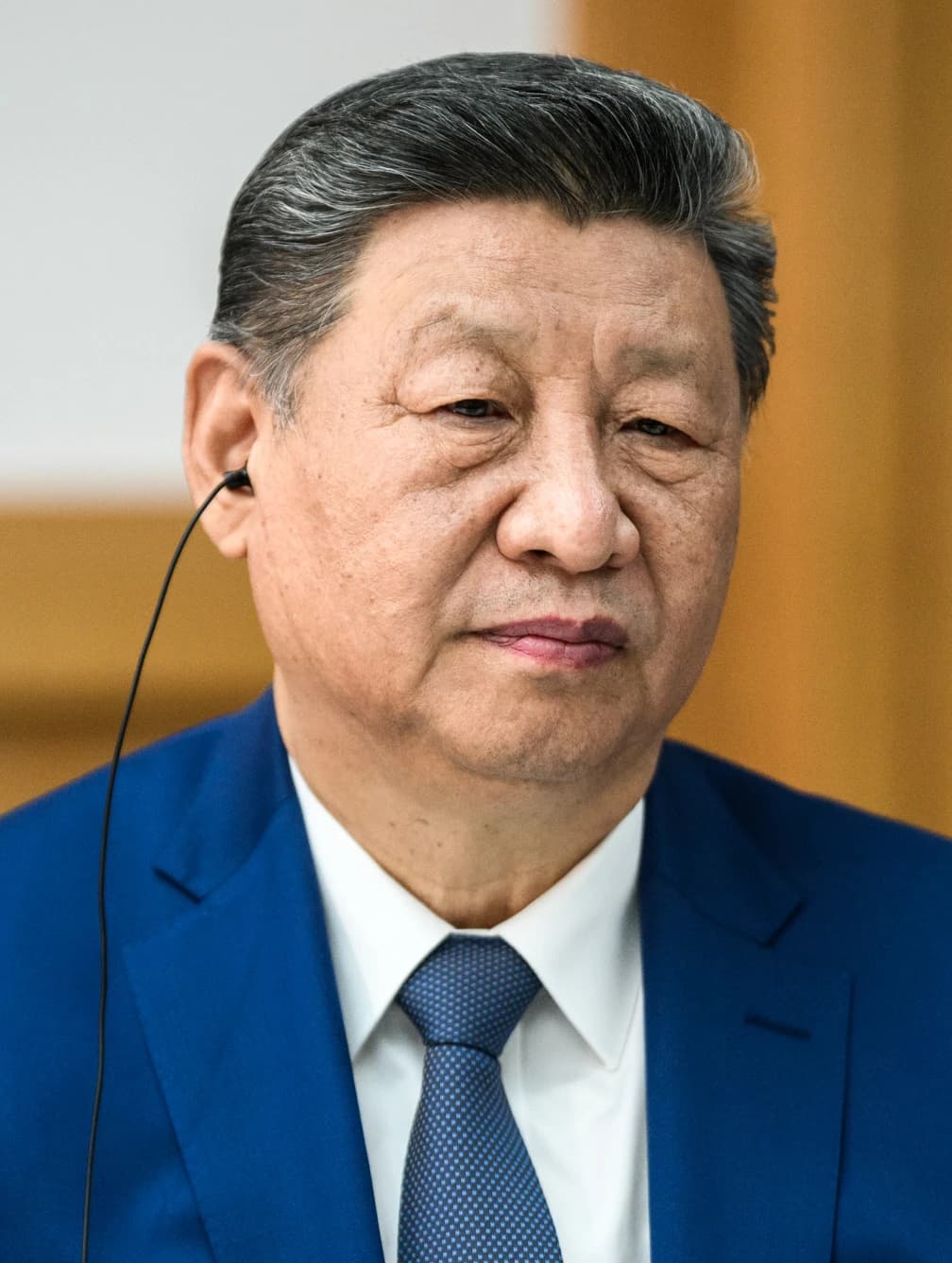
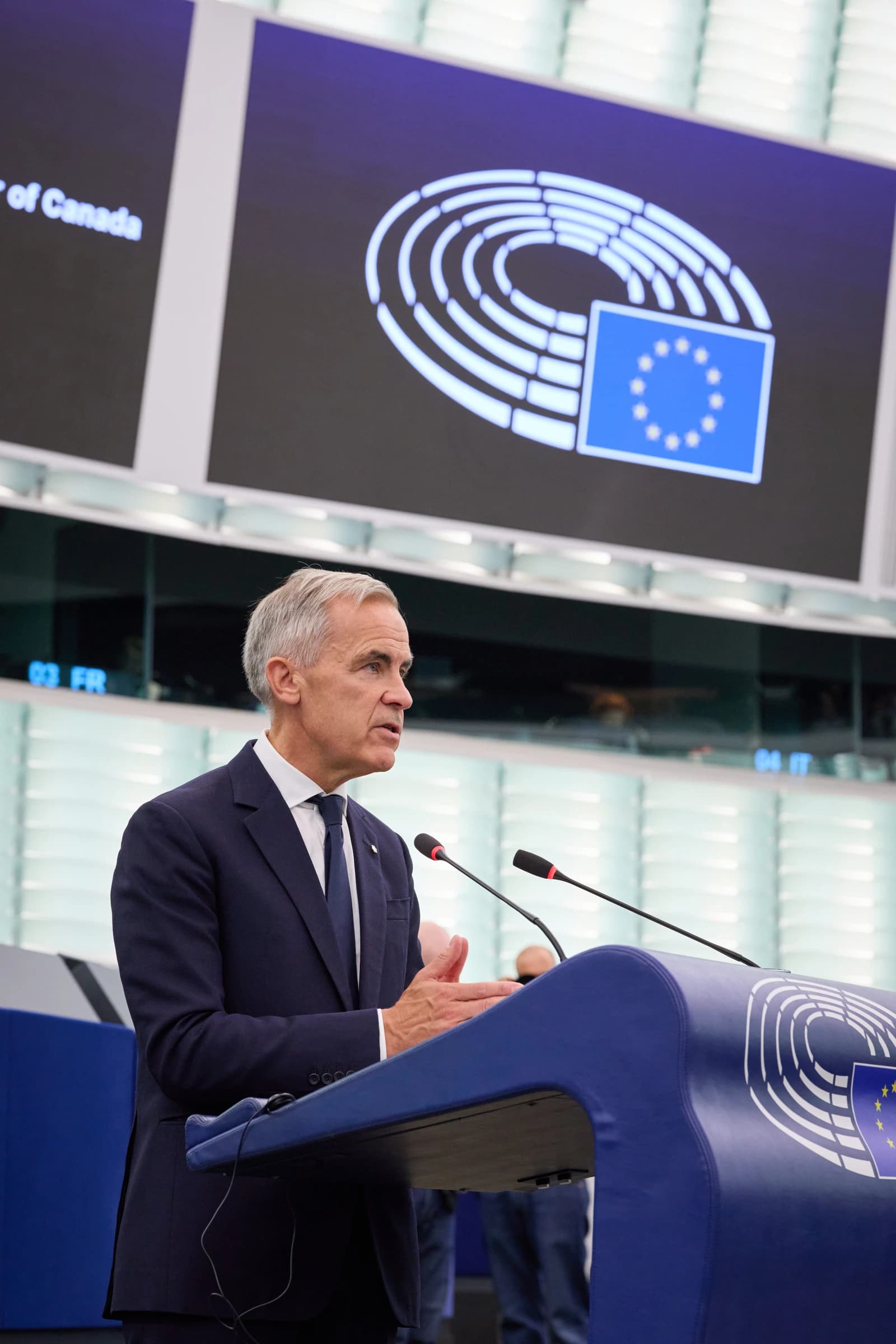
Donald Trump said he will travel to China in November after meeting Xi Jinping, a signal that Washington and Beijing are trying to keep their fragile trade thaw alive even as key disputes remain unresolved.
Trump to visit China in November after Xi meeting
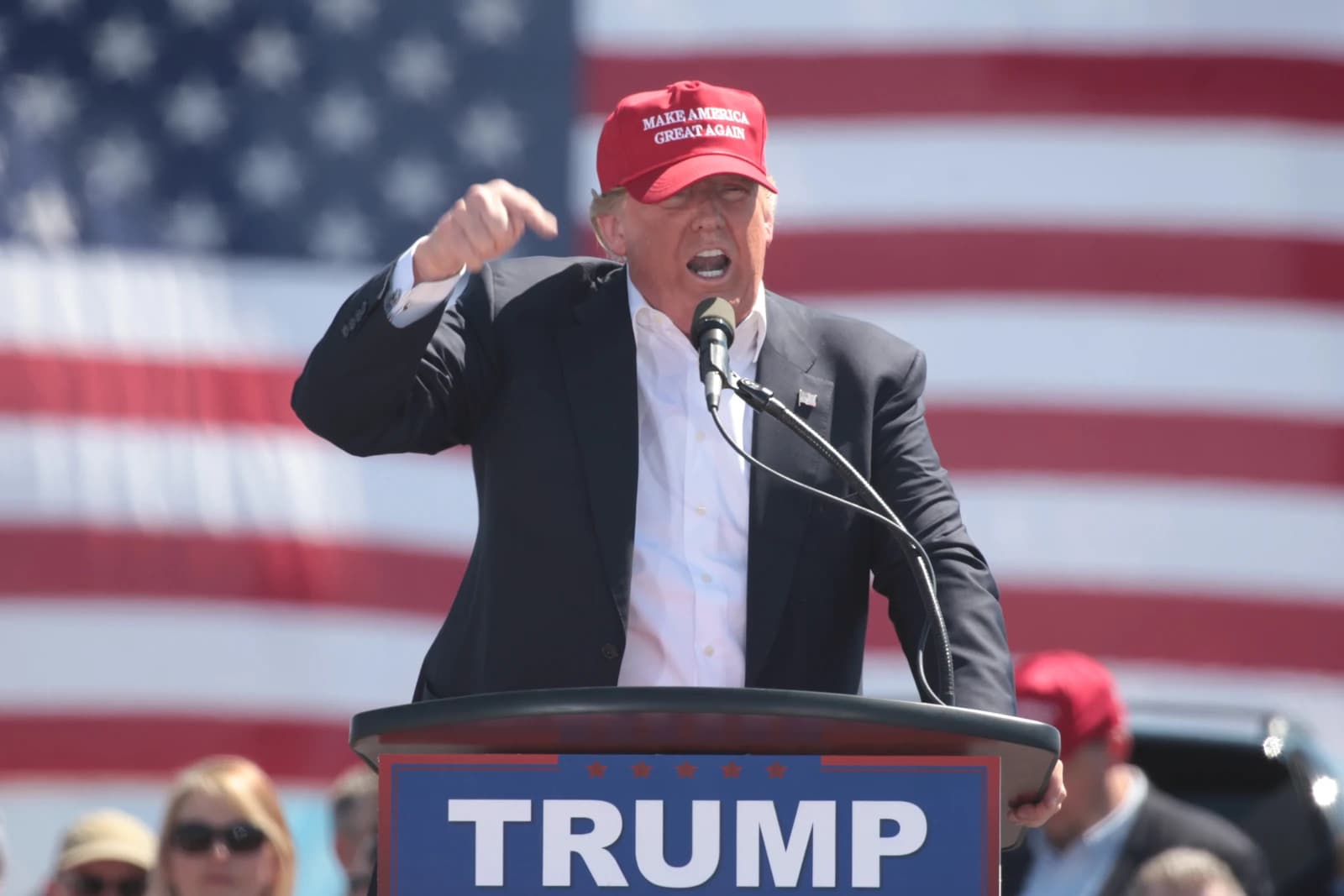
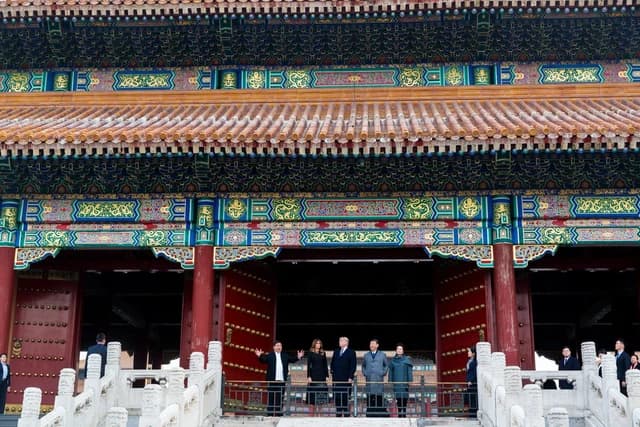
The prospect of another face-to-face meeting matters because any sustained easing in U.S.-China tensions can ripple through tariffs, supply chains, currency markets and exposed sectors from semiconductors to consumer goods. Trump said the talks in Washington were “successful” and described the meeting as friendly, but gave no concrete breakthrough on the issues that have kept the world’s two largest economies at odds.
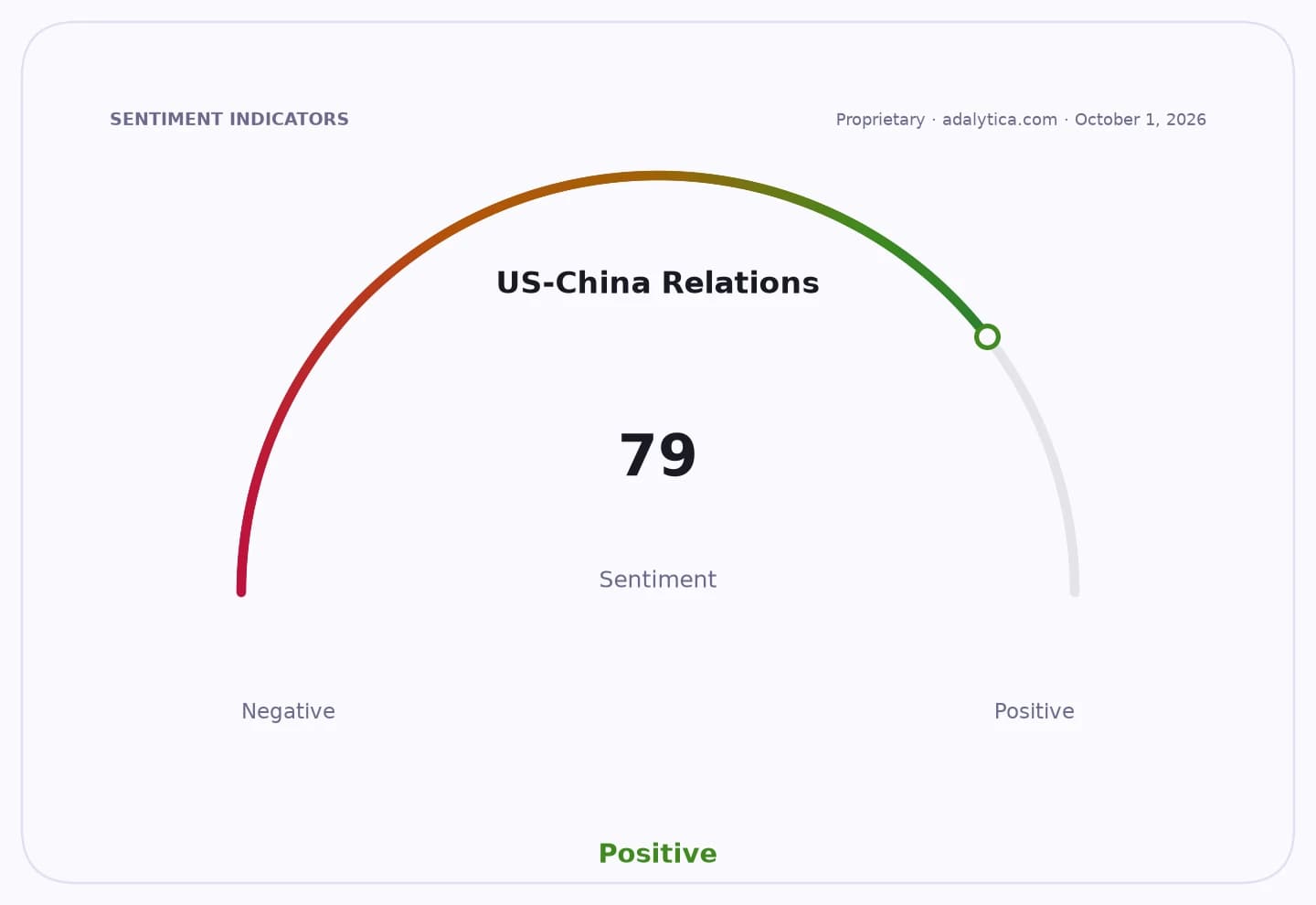
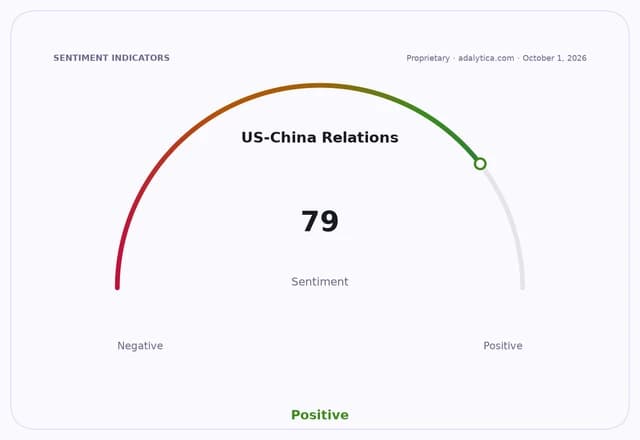
Sentiment IndicatorsⓘProprietary · adalytica.com · October 1, 2026
This is a snapshot — live sentiment, awareness and momentum for 130+ markets update continuously in the dashboard.Open AlphaPulse
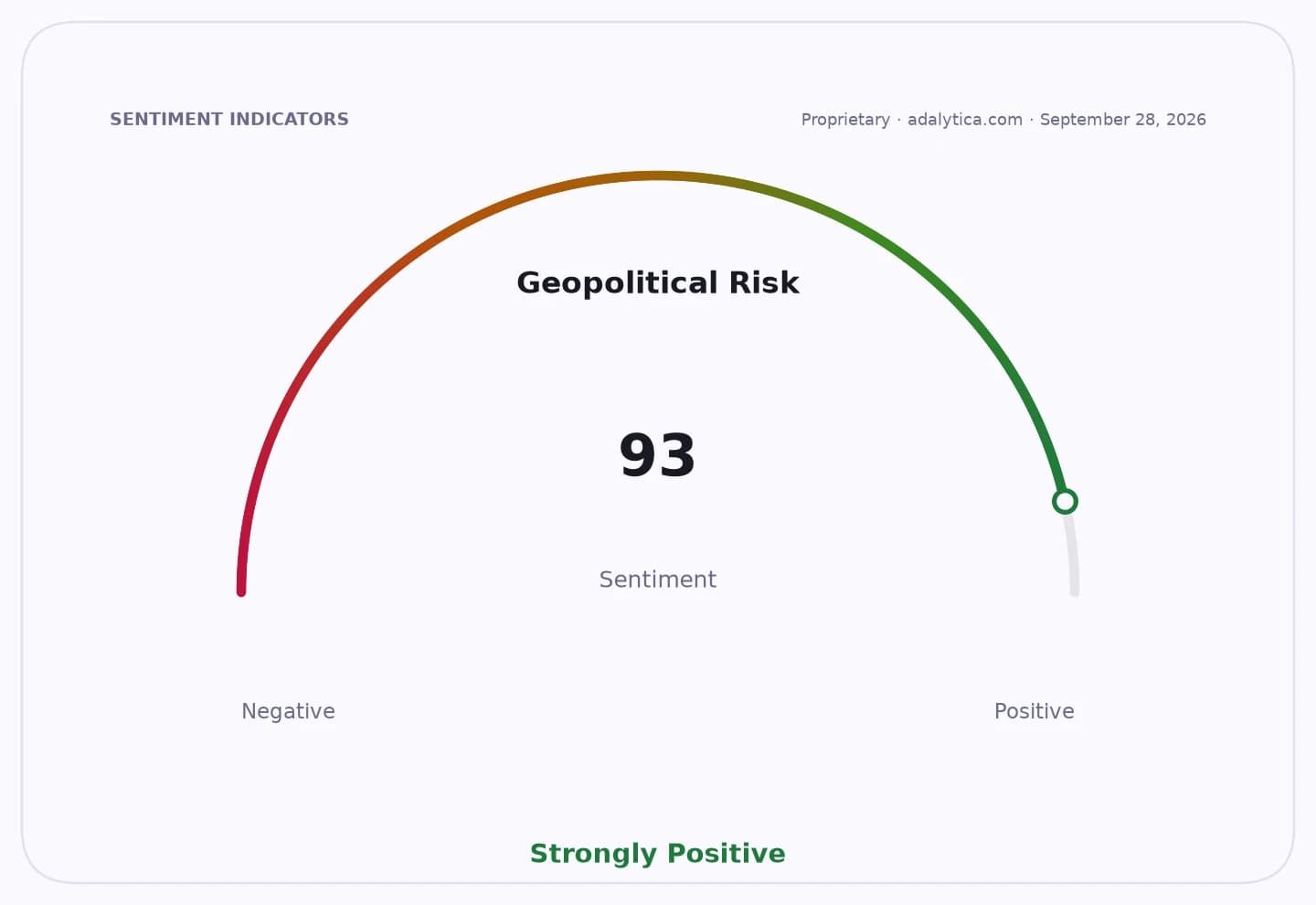
Markets have already been trading the possibility of a more constructive phase in the relationship. Adalytica’s U.S.-China Relations Sentiment gauge stood at 79, in “Greed” territory, even after slipping 4 points on the day, while its Global Stability reading fell sharply to 39, with “Extreme Fear” awareness, underscoring how quickly geopolitical headlines can still move risk appetite.
The policy backdrop is still mixed. A tariff reduction on $60 billion of goods has helped ease some pressure, and the temporary pause in the trade fight has been extended to Jan. 10, but the lack of a formal deal leaves investors exposed to renewed escalation if talks stall. Any progress on export controls, tariffs or market access would be closely watched by companies with direct China exposure, including Apple, Micron, Nvidia and Yum China.
Chinese equities tied to the U.S.-China cycle have reflected that uncertainty. The iShares MSCI China ETF, FXI, slipped to $33.90 on Oct. 1, leaving it below both its 50-day moving average and 200-day moving average, while RSI readings around 42.9 suggest momentum remains soft despite the renewed diplomatic tone.
Trump’s planned November trip also sets up a high-stakes calendar for global trade, with Xi due back in the U.S. in December for the G20. For investors, the next catalyst is whether the two sides turn the latest goodwill into a broader tariff rollback or let the truce lapse into another round of policy-driven volatility.
| Entity | Gains | Losses |
|---|---|---|
| U.S. exporters | ▲Easier China access | ▼Policy uncertainty |
| Chinese exporters | ▲Lower tariff pressure | ▼Weak leverage if talks fail |
| FXI / China equities | ▲Diplomatic thaw bid | ▼Breakout remains unconfirmed |
| U.S.-China trade hawks | ▲Less immediate escalation risk | ▼Reduced bargaining pressure |