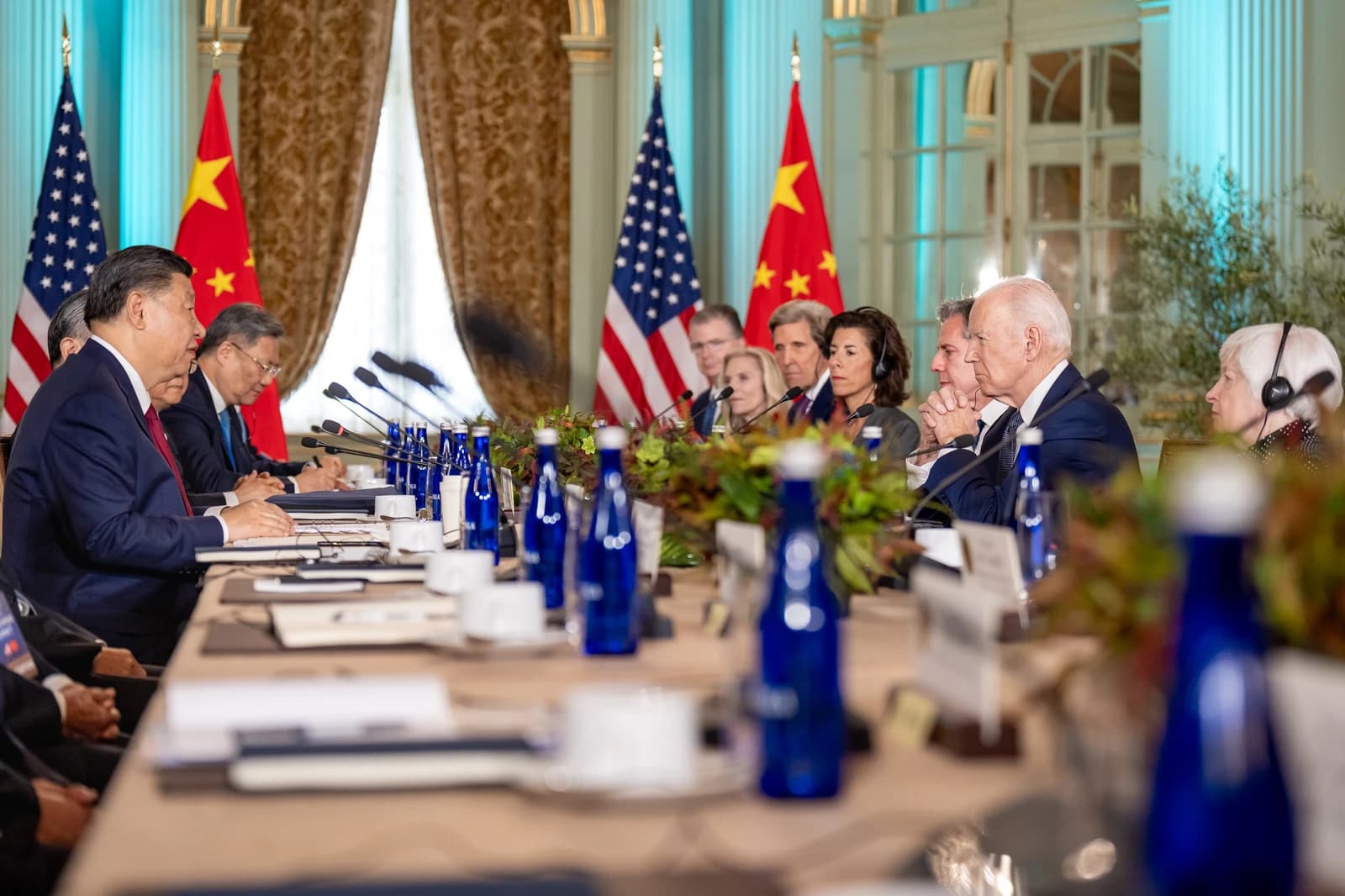
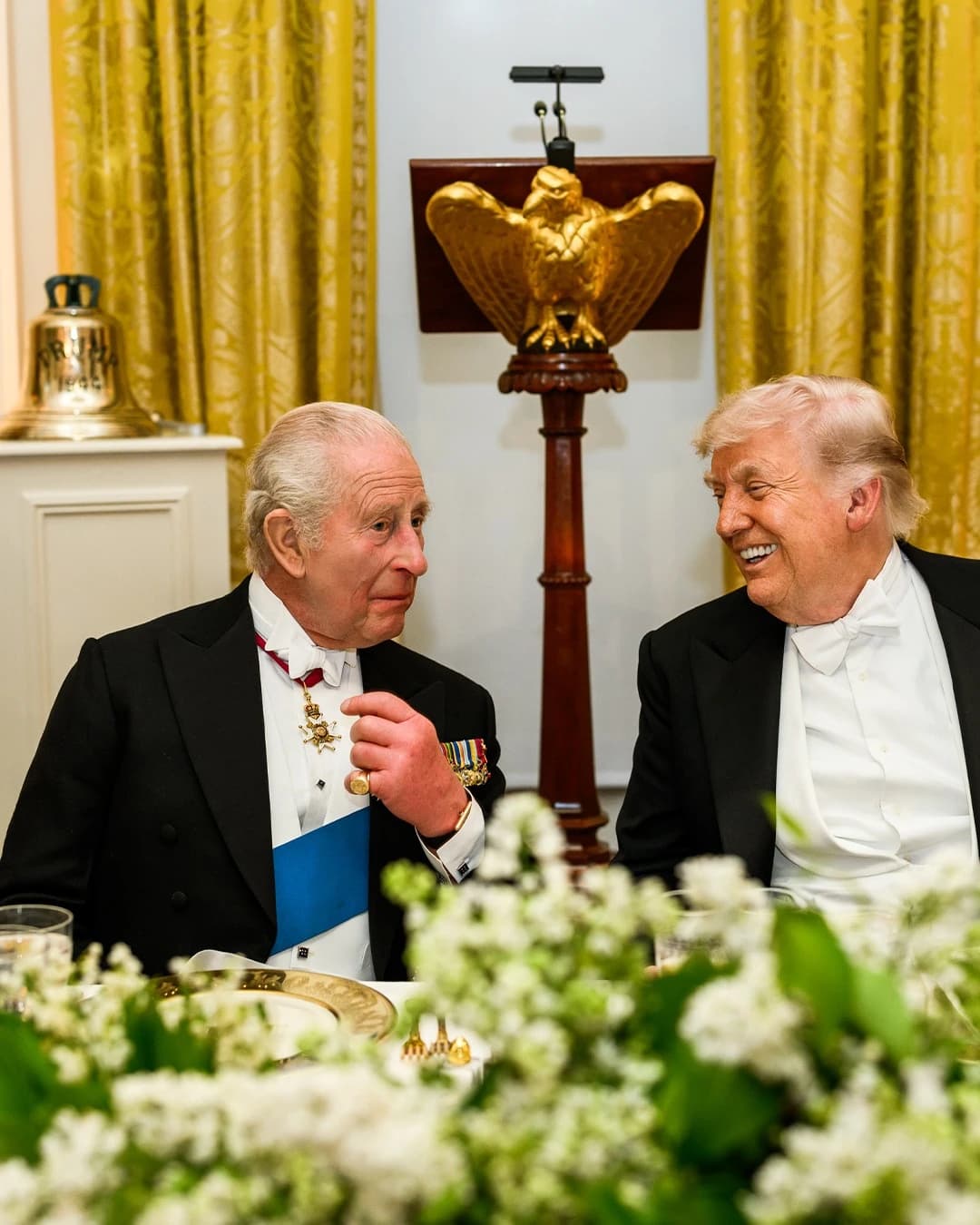
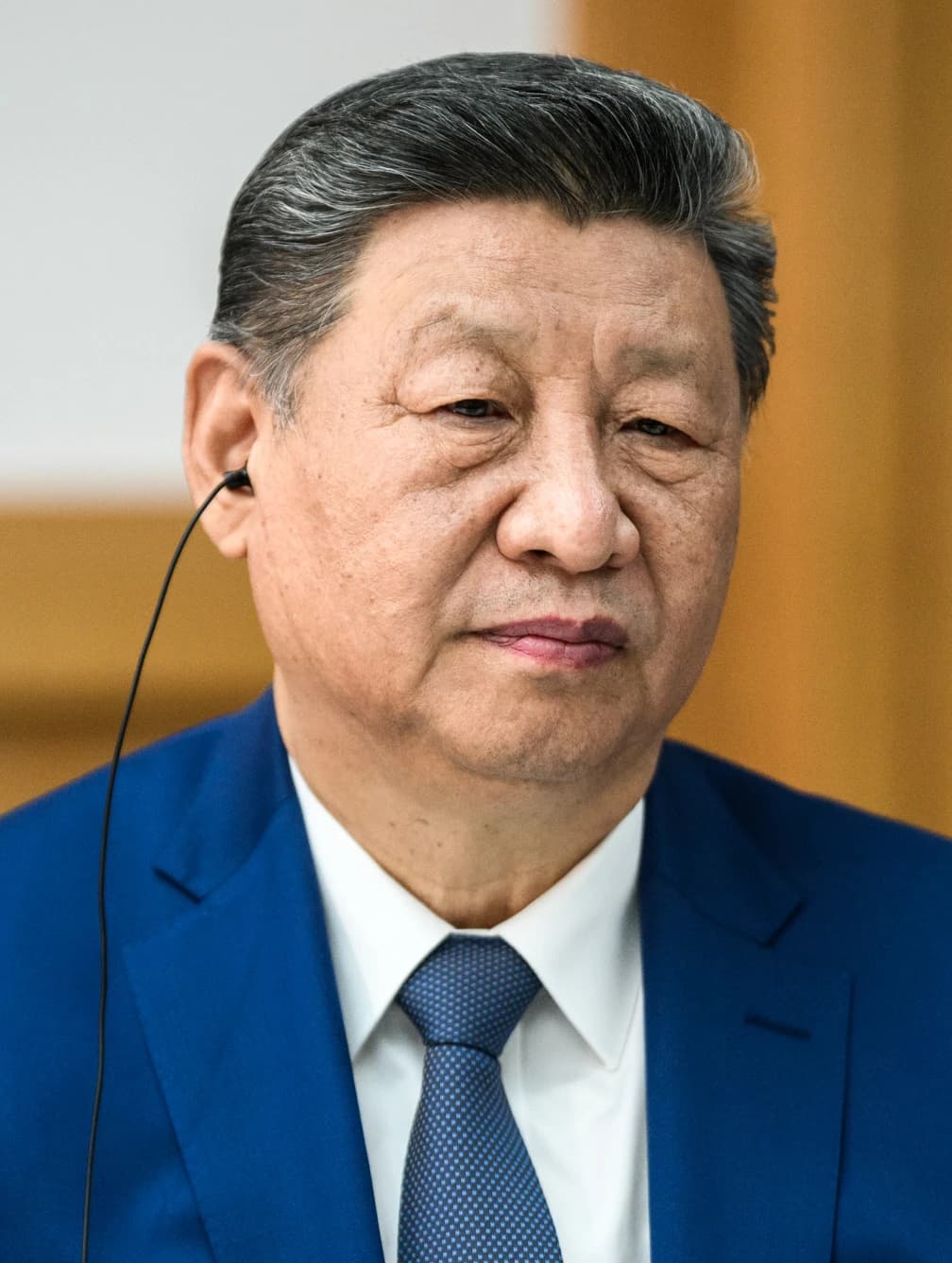
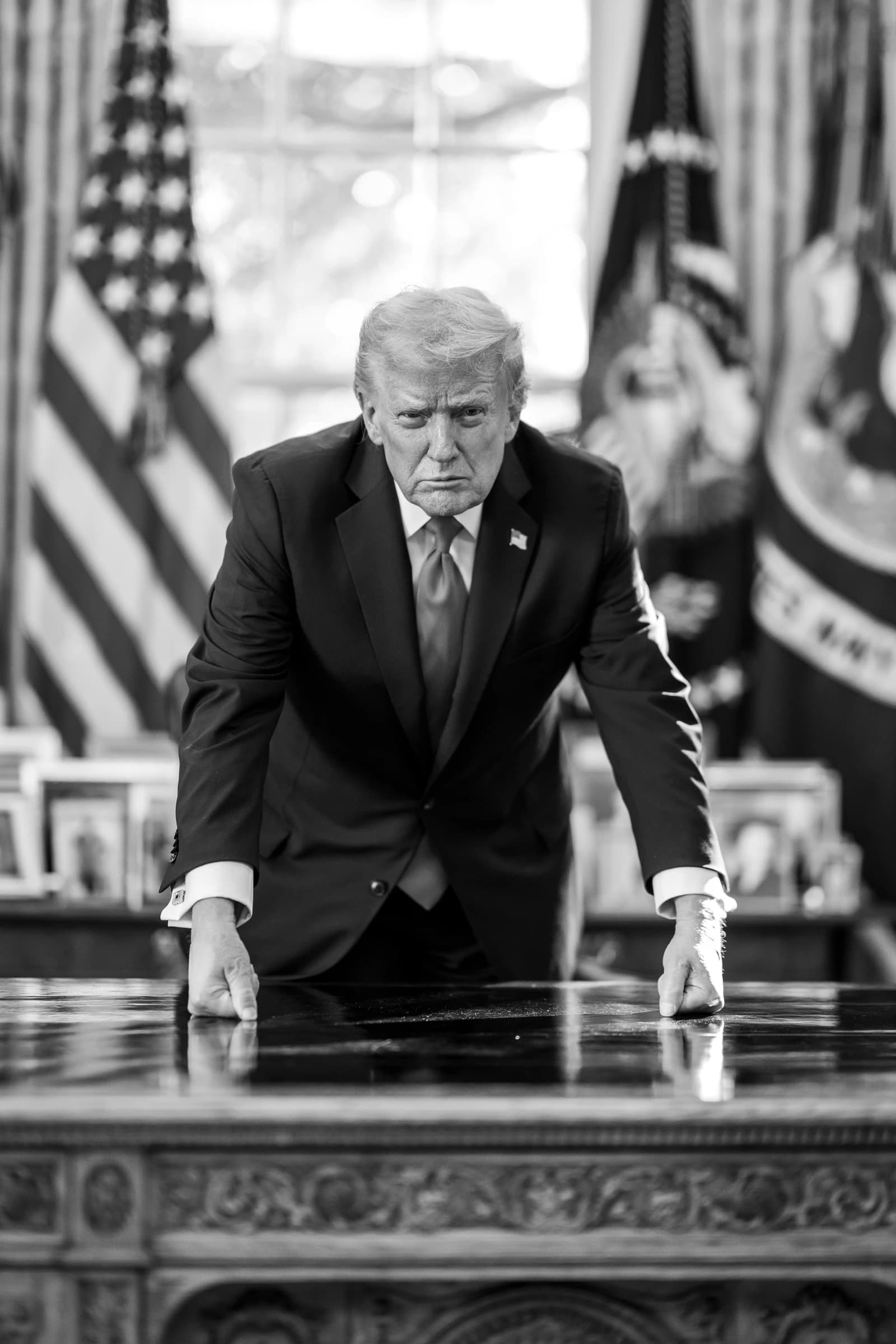
Xi Jinping used his first public remarks before meeting Donald Trump to press Washington on artificial intelligence governance, arguing that responsibility for managing the technology “also lies with the United States” even as Trump signaled he still prefers industry self-regulation.
Xi and Trump Clash Over AI Governance
The exchange matters because AI has become one of the core fault lines in the US-China relationship: a competition over technological leadership, national security and the rules that will govern the fastest-growing part of the digital economy. If the world’s two biggest powers cannot narrow their differences on oversight, export controls and safety standards, companies will face a more fragmented regulatory landscape and investors will have to price in higher policy risk across semiconductors, cloud computing and AI infrastructure.
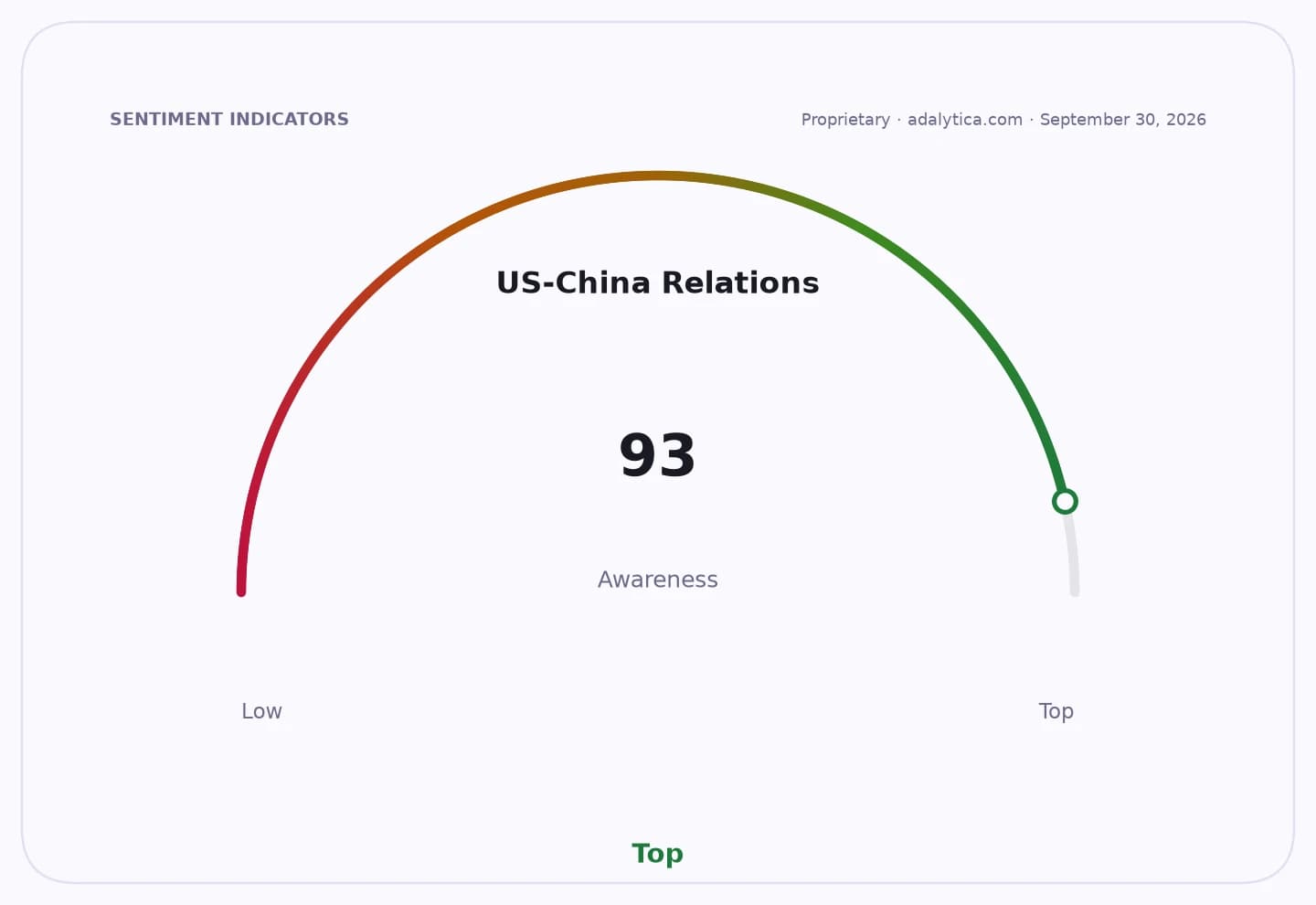
Sentiment IndicatorsⓘProprietary · adalytica.com · September 30, 2026
This is a snapshot — live sentiment, awareness and momentum for 130+ markets update continuously in the dashboard.Open AlphaPulse
Trump’s posture fits his broader view that the sector should police itself, a stance that has won backing from some technology executives but leaves Washington further from the more interventionist approach favored by many lawmakers and international regulators. Xi’s intervention, by contrast, was aimed at framing AI as a global responsibility rather than a purely domestic US issue, a message that also serves Beijing’s long-running effort to present itself as a partner in international governance even as strategic rivalry deepens.
Markets have already begun to reflect the tension between the promise of AI investment and the risk of political intervention. The US-China relations gauge from Adalytica.com shows sentiment at 89, or “Extreme Greed,” after a sharp 81-point jump over the past month, indicating how quickly traders have repriced the relationship around diplomacy and de-escalation hopes. But global stability sentiment sits at 86 with “Extreme Greed” on sentiment and “Extreme Fear” on awareness, a combination that suggests complacency can coexist with low visibility on tail risks.
US-China Relations — 30-day sentimentadalytica.com
Explore this data interactively — full history, time series and cross-market comparisons.Open AlphaPulse
For investors, the immediate significance is less about the language of the summit than about the policy path it points to. A more cooperative tone could support supply chains and ease some pressure on AI-linked hardware names, while a harder line would reinforce demand for geopolitical hedges in chips, data centers and advanced manufacturing. For semiconductor groups such as Taiwan Semiconductor Manufacturing Co., whose shares have climbed to about $456.94 and remain above both the 50-day and 200-day moving averages, the outlook still depends heavily on whether AI spending can outrun export restrictions and summit-level volatility.
The bigger lesson is that AI regulation is becoming inseparable from geopolitics. Trump’s refusal to embrace tighter rules and Xi’s attempt to assign Washington shared responsibility suggest the debate is moving from a technical policy argument to a strategic contest over who sets the terms of the next industrial cycle. That leaves investors watching not only summit communiqués but also any signs of coordinated standards, export control adjustments or fresh restrictions that could reshape valuations across the AI supply chain.
| Entity | Gains | Losses |
|---|---|---|
| US tech firms | ▲Light-touch oversight | ▼Stricter federal rules |
| China | ▲Shared-responsibility framing | ▼Sole blame for AI risks |
| AI chipmakers | ▲Steady AI spending | ▼New export curbs |
| Investors | ▲Diplomatic de-escalation | ▼Policy-driven volatility |