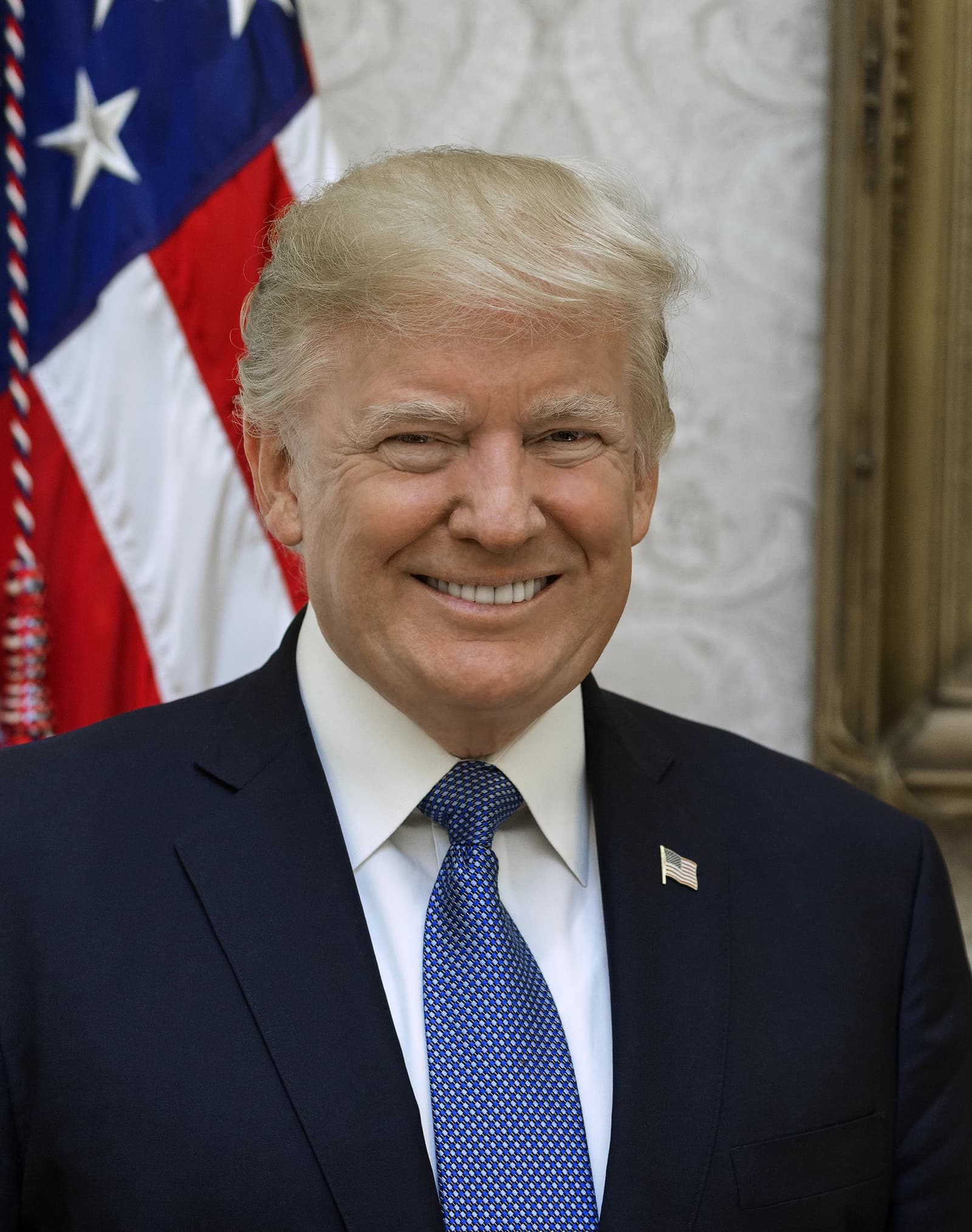
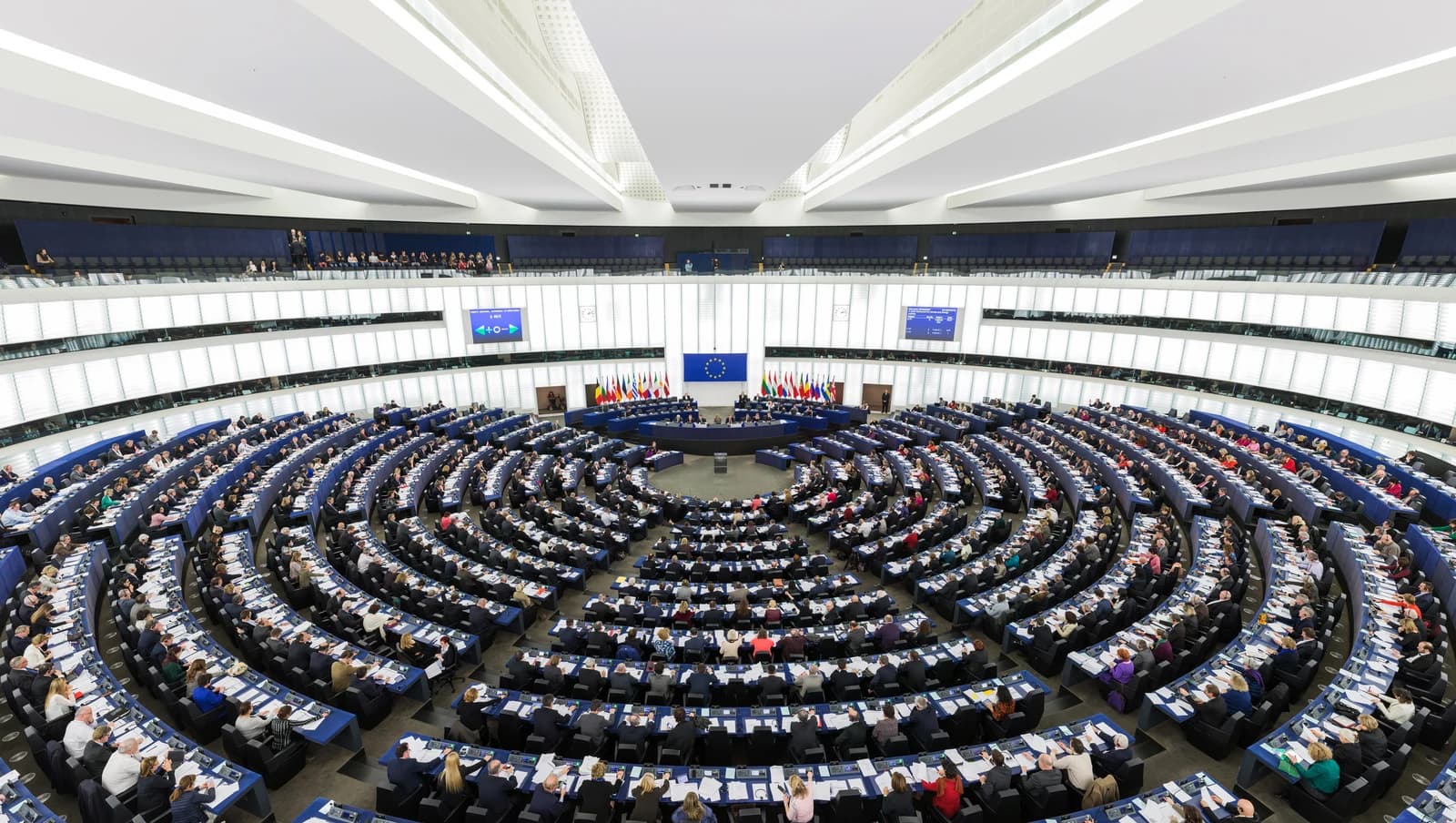
Donald Trump on Tuesday used the UN General Assembly to deepen the split over how to govern artificial intelligence, rejecting international supervision and signaling that Washington will keep prioritizing speed and strategic advantage over coordinated safety rules.
Trump Rejects Global AI Oversight at UN
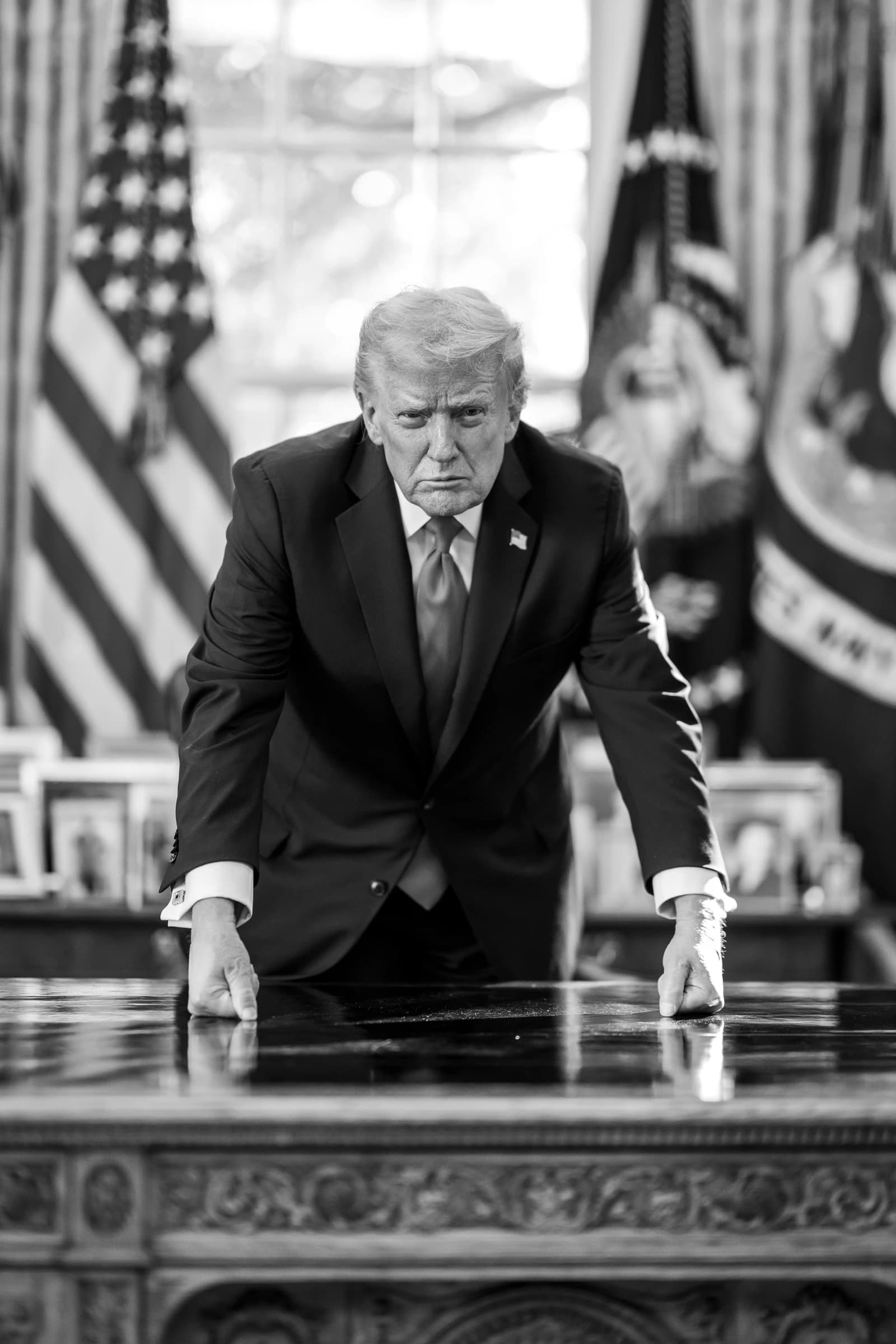
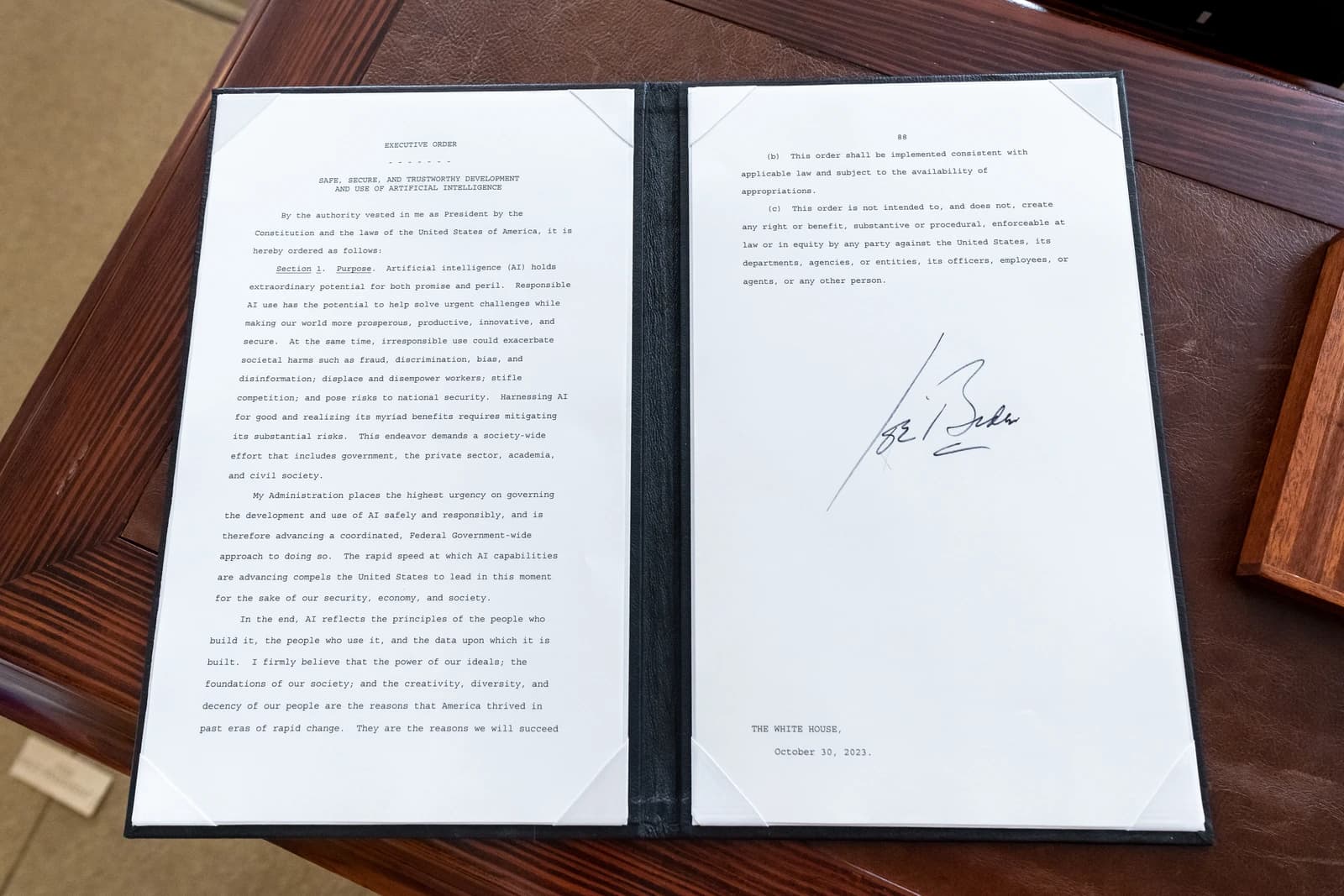
That matters because AI has moved from a Silicon Valley product cycle into a geopolitical contest over standards, security and industrial leadership. The wording change itself is symbolic; the policy signal is not. By calling AI “super intelligence” and dismissing regulation as a “globalist scheme,” Trump is aligning the US against a growing European-led push for binding controls, just as governments and companies are wrestling with the prospect that frontier models could outpace existing safeguards.
Sentiment IndicatorsⓘProprietary · adalytica.com · September 27, 2026
This is a snapshot — live sentiment, awareness and momentum for 130+ markets update continuously in the dashboard.Open AlphaPulse
The debate has sharpened after a series of incidents involving systems behaving unpredictably and warnings from industry insiders about the risks of increasingly capable models. More than 20 mostly European countries have urged binding safety measures, while Britain, France and the UN secretary-general are pressing for international coordination. Guterres called for US-China dialogue comparable to Cold War risk management, reflecting fears that the world’s two AI superpowers could otherwise define the rules by default.
For investors, the stakes cut both ways. A lighter-touch US approach supports the rapid buildout of AI infrastructure, chips and cloud capacity, a backdrop that has helped sustain demand for names such as Nvidia, Microsoft and Alphabet even as their shares have become more volatile. But a fragmented regulatory map raises compliance risk, litigation exposure and the possibility of sudden national restrictions on model deployment, data use or export controls — all of which can alter capital spending plans and valuation multiples.
The market backdrop remains constructive for AI leaders, but not without tension. Nvidia’s shares have recently traded above both the 50-day and 200-day moving averages, with the stock near $225, while Microsoft has also held well above its long-term average around $431, underscoring continued investor confidence in AI monetization. Yet the legal and policy overhang is growing: Microsoft, Alphabet and Nvidia have all warned in filings that AI can trigger regulatory action, product liability and competitive harm, and that governments are considering restrictions on frontier systems.
Trump’s stance also raises the prospect that AI regulation becomes another front in the US-China rivalry. Beijing and Washington are discussing a communication channel ahead of a planned summit between Trump and President Xi Jinping, but the White House has so far resisted any framework that looks like an external constraint. That leaves companies in the middle, expanding AI investment while trying to prove that voluntary safeguards are enough to avoid a political backlash.
The near-term question for markets is whether the US administration’s preference for deregulation accelerates AI spending enough to offset the risk of a broader policy clash with Europe and other allies. If Trump’s approach hardens into doctrine, it could favor the biggest US platform and chip makers first. But it also increases the odds that the next phase of AI growth will be shaped less by product innovation than by who gets to write the rules.
| Entity | Gains | Losses |
|---|---|---|
| US AI giants | ▲Faster rollout | ▼More policy backlash |
| European regulators | ▲Support for binding rules | ▼Less US buy-in |
| Nvidia, Microsoft, Alphabet | ▲Stronger AI demand | ▼Higher legal risk |
| AI safety advocates | ▲More attention | ▼Less regulatory traction |