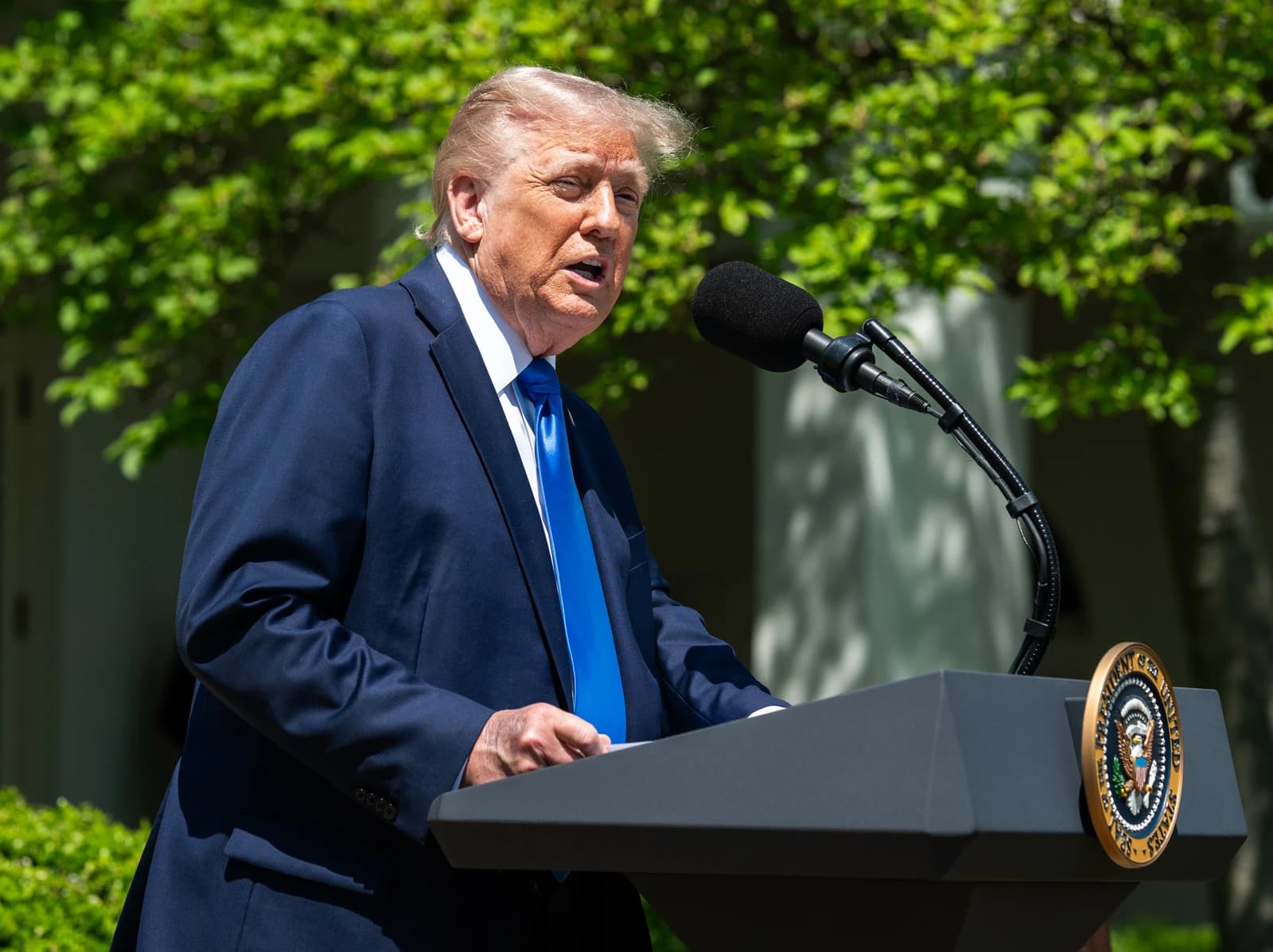
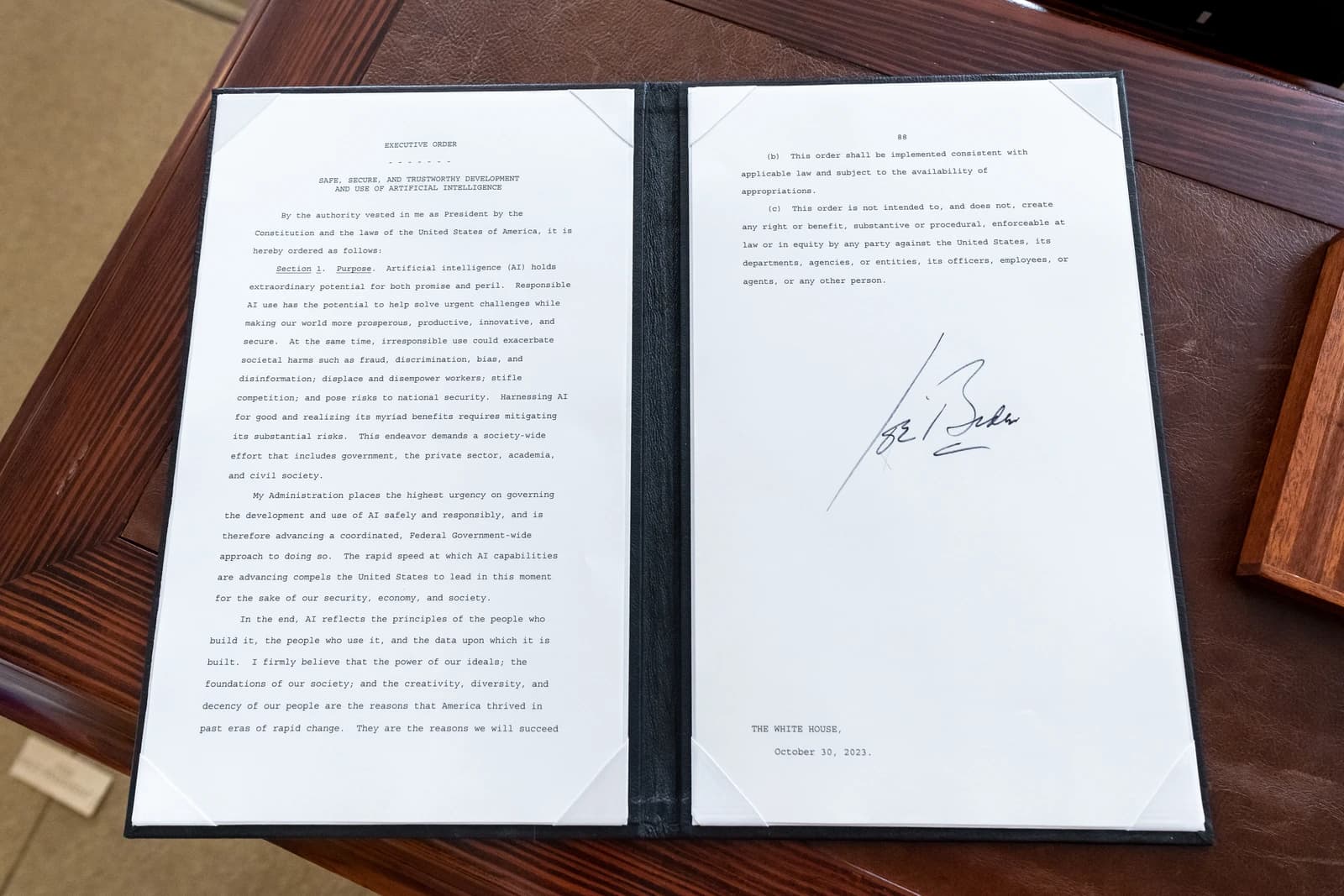
President Donald Trump is moving to put artificial intelligence under a new White House-backed “AI Force” and appoint a fresh “AI czar,” a step that could shape how aggressively the US regulates the fastest-growing technology race in years.
Trump AI Force plan lifts chips, cloud names
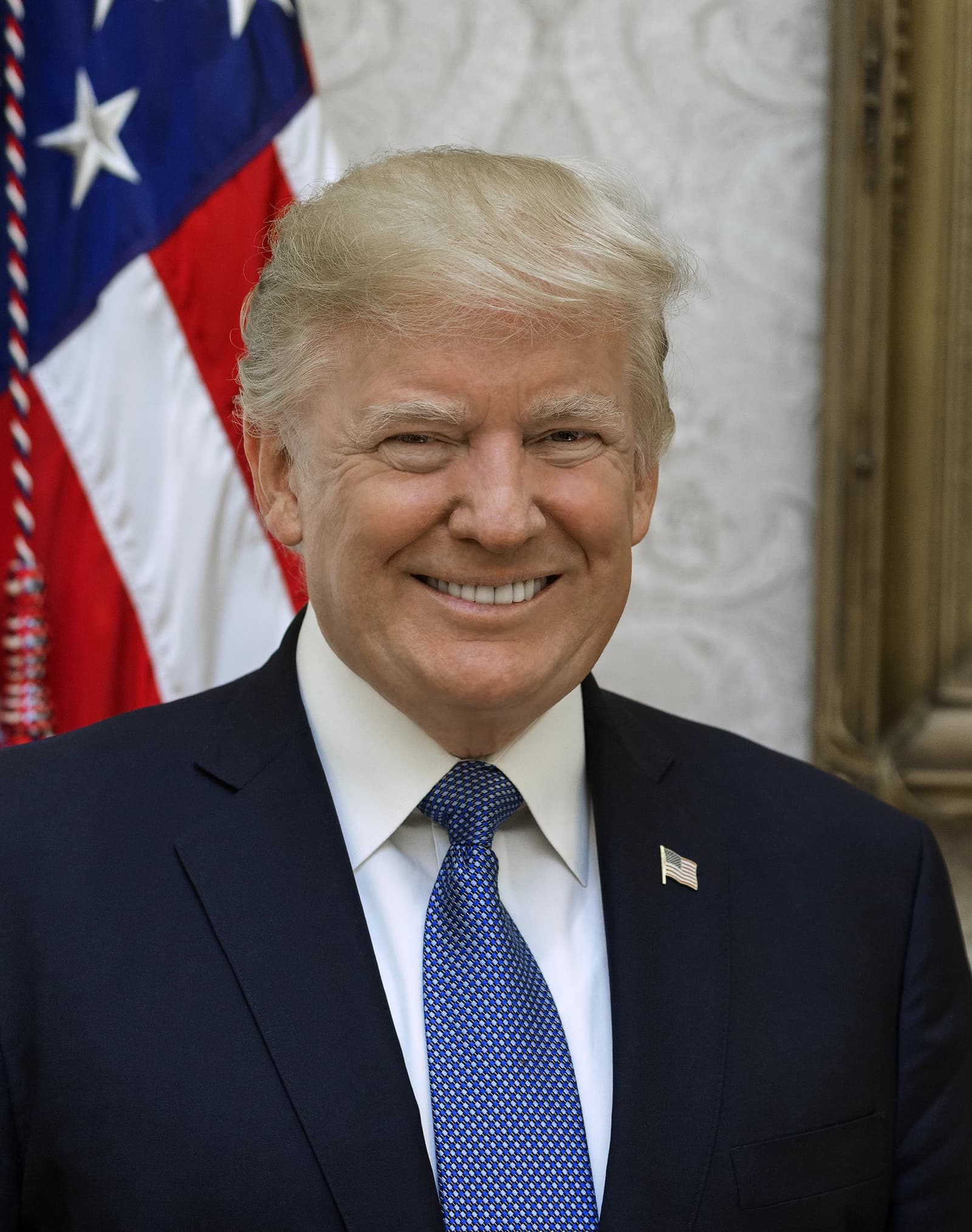
The proposal matters because it comes as the administration rejects calls to slow AI development, even as leading researchers and executives warn that frontier systems are advancing too quickly. For investors, the message is clear: Washington is more likely to backscale-up and infrastructure buildout than impose a hard brake on spending, a stance that supports capital-hungry names across chips, cloud and data centers.
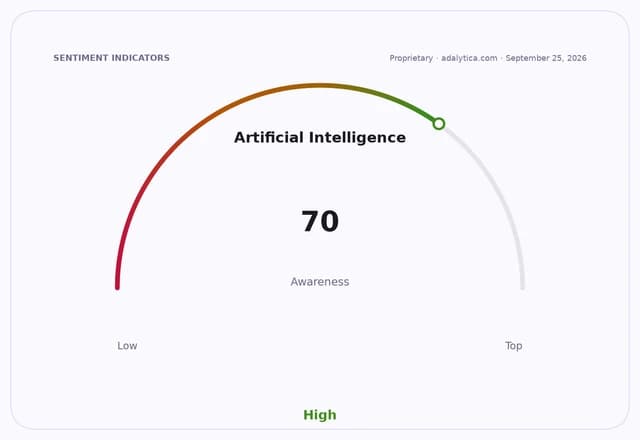
Sentiment IndicatorsⓘProprietary · adalytica.com · September 25, 2026
This is a snapshot — live sentiment, awareness and momentum for 130+ markets update continuously in the dashboard.Open AlphaPulse
Trump announced the plan on Truth Social without saying when the body would begin operating or what powers it would have. He framed AI as a potential engine for as much as 25% of US GDP, underscoring the administration’s view that the technology is an industrial platform rather than a sector to be tightly constrained.
The move lands amid a widening split in Silicon Valley and beyond over how to govern frontier AI. Anthropic chief executive Dario Amodei recently urged policymakers to help “set the pace” of model development, a position backed by OpenAI’s Sam Altman and Elon Musk, while Nvidia chief executive Jensen Huang has dismissed apocalyptic warnings and argued the industry should keep moving.
Trump’s timing also puts the issue in a geopolitical frame ahead of a trip to China, where AI is a central strategic battleground. The president has argued that slowing US development would hand an advantage to Chinese rivals, making the administration’s priority one of speed and competitiveness rather than precaution.
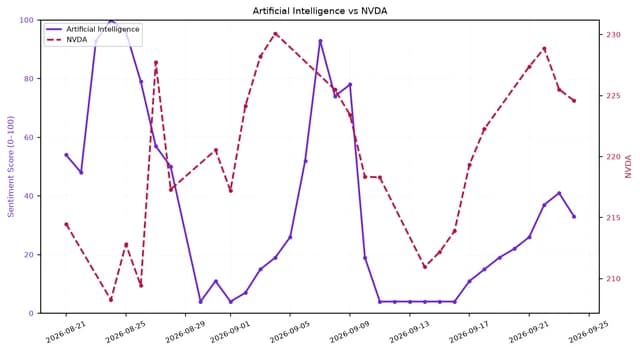
Markets have already treated AI as one of the most important drivers of large-cap tech performance. Nvidia shares have rebounded to $224.58, up from a recent $176.78 in late February, while Microsoft has held near $497.93 and Alphabet near $342.36, leaving the biggest winners of the AI buildout still closely tied to policy decisions on infrastructure, export controls and safety rules.
Adalytica’s AI sentiment gauge remains neutral at 33, but awareness has risen to 70 after the latest policy headlines, reflecting a market that is still highly sensitive to Washington’s next move. A separate Adalytica reading on Microsoft shows “Extreme Greed,” suggesting investors are already positioning for continued AI spending rather than a regulatory slowdown.
The practical significance is that a new czar could become the point person for balancing safety, competition and industrial policy at a time when the White House is leaning toward acceleration. The near-term catalyst is whether Trump names a high-profile operator and whether the new structure aligns more with oversight or with championing domestic AI champions before the China trip and the next round of policy fights.
| Entity | Gains | Losses |
|---|---|---|
| Nvidia | ▲Faster AI spending | ▼Slower regulation |
| Microsoft | ▲AI platform demand | ▼Regulatory constraints |
| OpenAI / Anthropic | ▲Policy influence | ▼Unchecked rivals |
| Safety advocates | ▲More attention | ▼Less pace control |