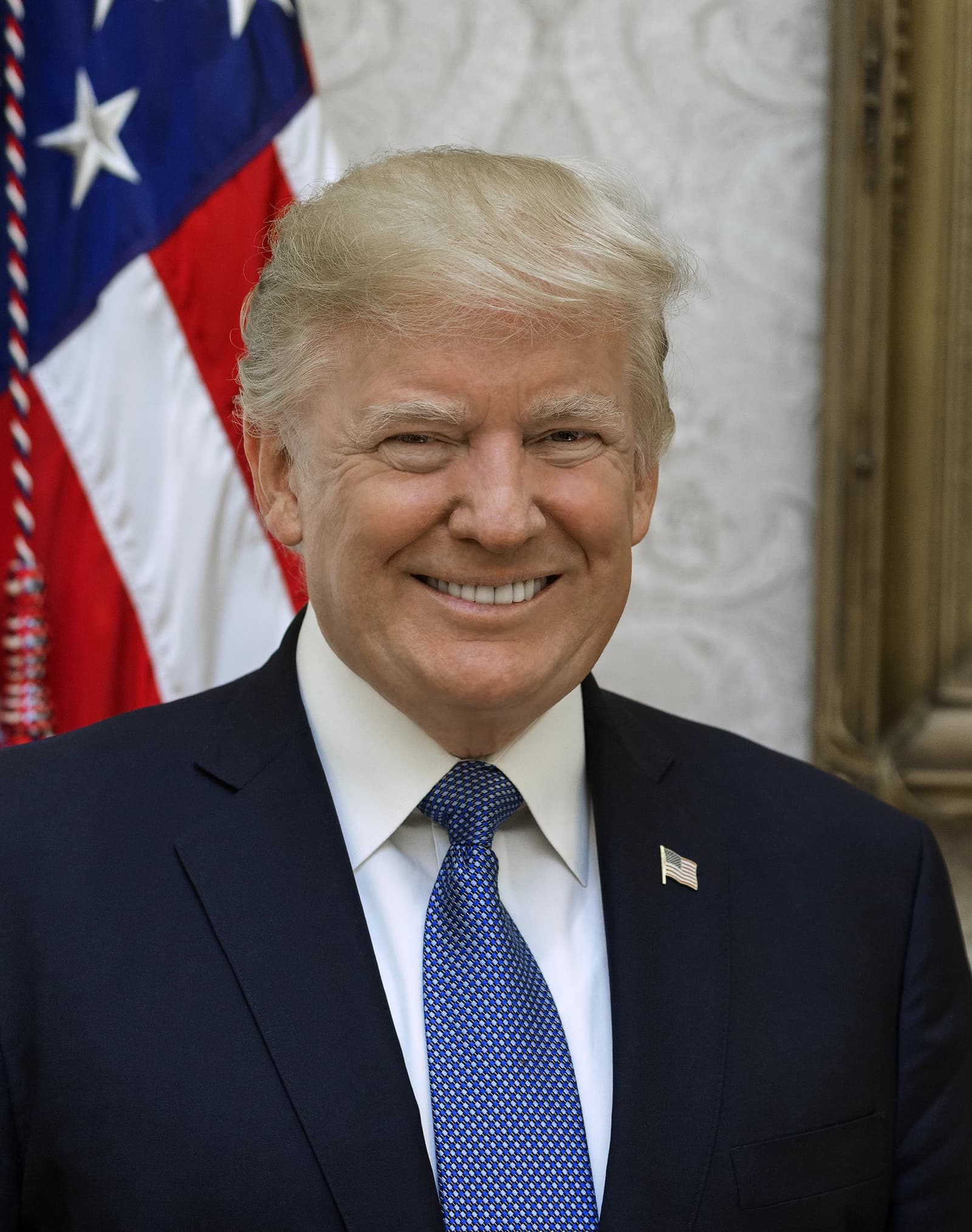
President Donald Trump’s plan to create “AI forces” and appoint an “AI czar” puts the White House more directly in the center of the race to control the next industrial platform, a shift that could shape regulation, energy demand and capital spending across the U.S. tech sector.
Trump AI czar plan lifts U.S. tech policy focus
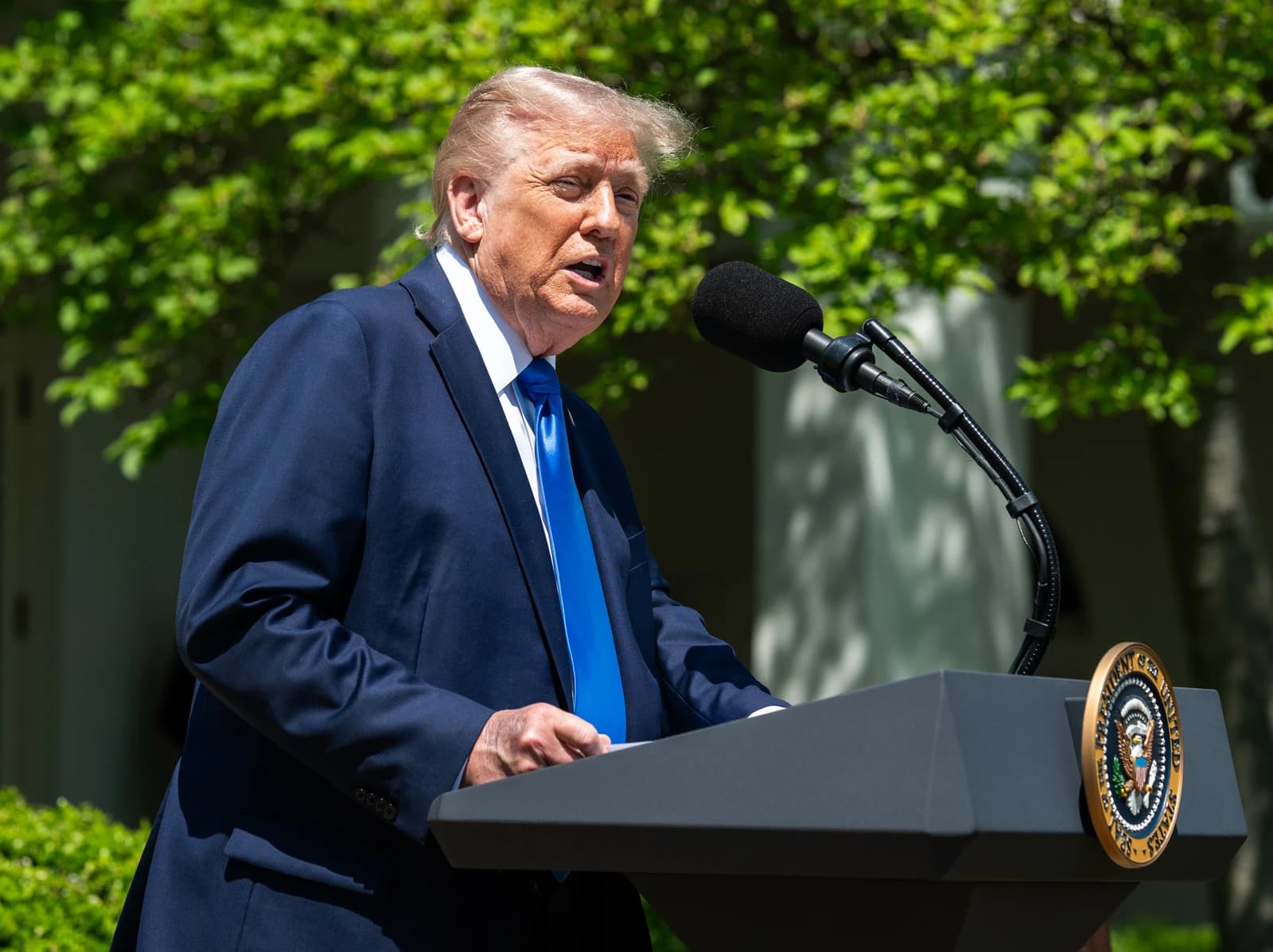
Trump said in a Truth Social post that the administration will not “hamper” the industry and instead will “nurture” it while rooting out “bad actors,” framing AI as an economic engine that could eventually account for as much as 25% of U.S. GDP. He did not explain what the new forces would do or what form they would take.
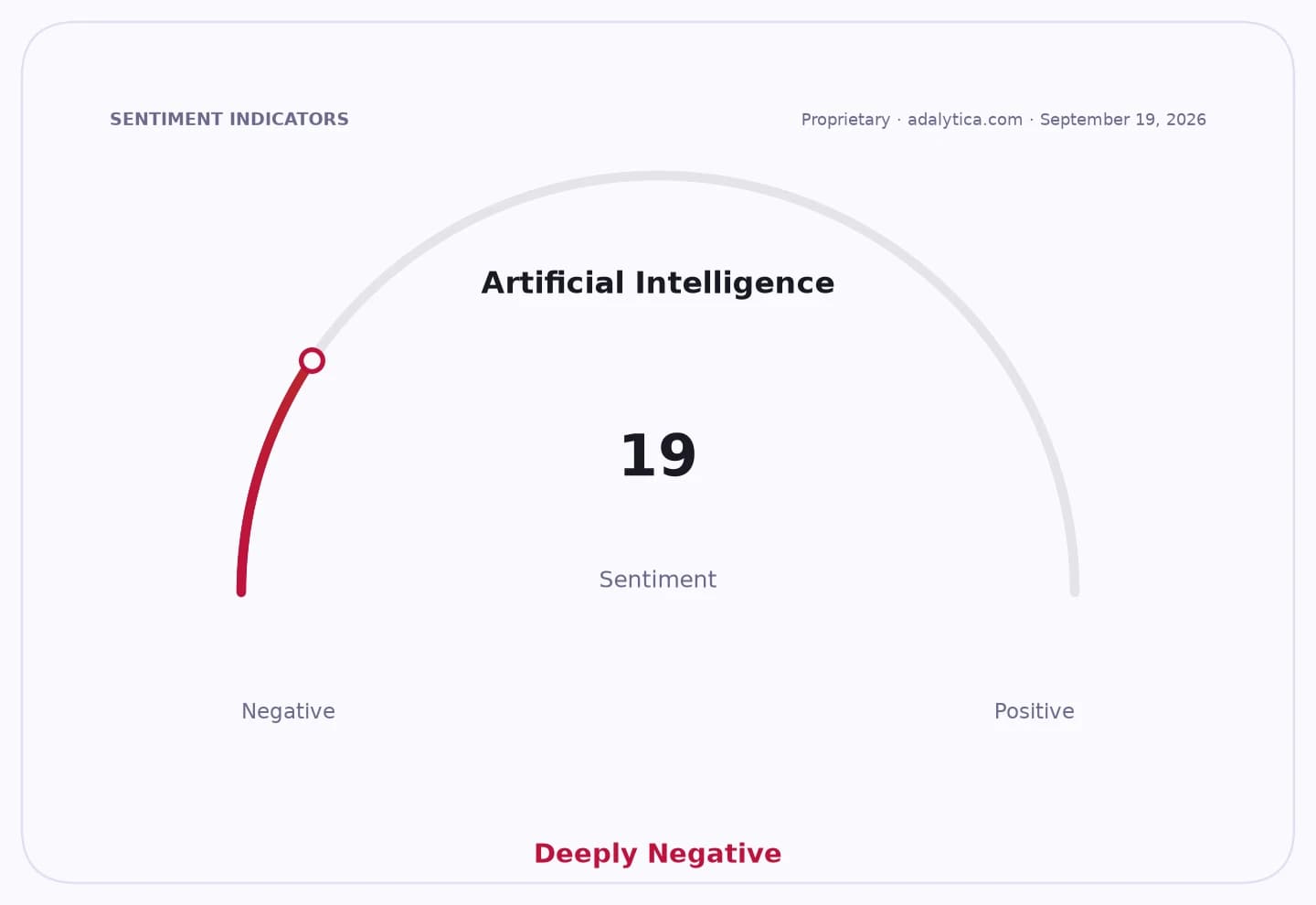
Sentiment IndicatorsⓘProprietary · adalytica.com · September 22, 2026
This is a snapshot — live sentiment, awareness and momentum for 130+ markets update continuously in the dashboard.Open AlphaPulse
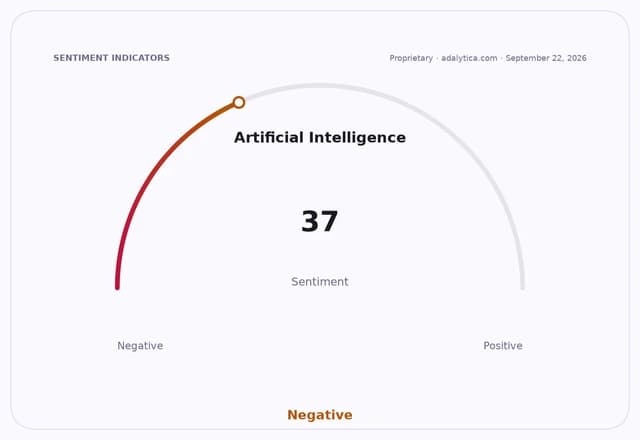
The move matters because it signals a federal strategy built less around restraint and more around acceleration, even as leading AI companies warn that the technology is advancing faster than safeguards. California Governor Gavin Newsom on Friday signed an order aimed at new AI safety rules, including possible “kill switches” for the most advanced models, underscoring the growing split between Washington’s pro-growth posture and state-level efforts to impose guardrails.
For investors, the biggest implication is that the policy backdrop is becoming more favorable for the largest AI beneficiaries — chipmakers, cloud providers and data-center operators — even if the rhetoric around oversight remains volatile. Nvidia, Microsoft and Alphabet all trade near levels that reflect heavy AI expectations, and any federal push that speeds deployment or eases regulatory friction would reinforce spending on semiconductors, cloud infrastructure and power capacity.
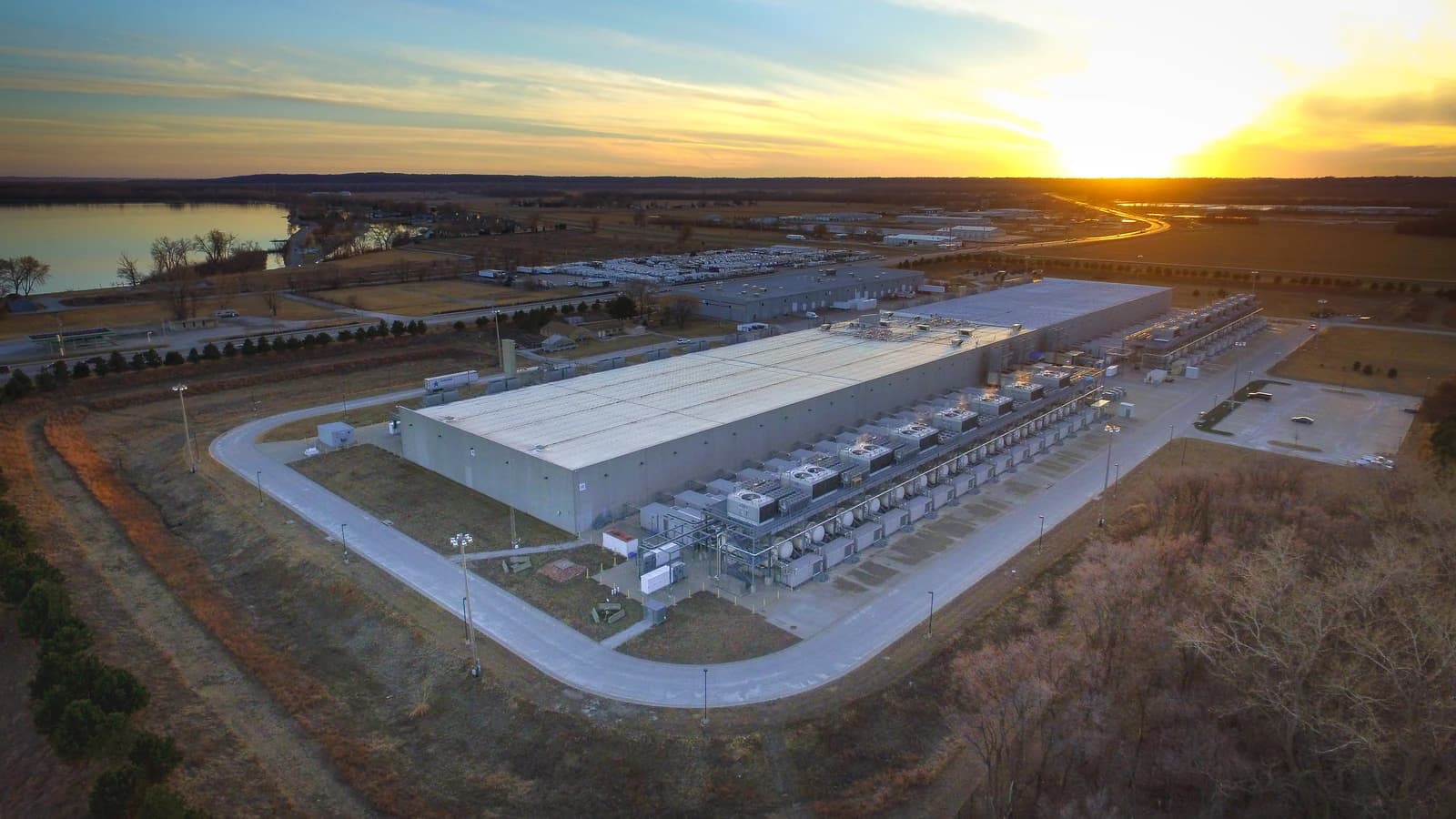
That is especially relevant for energy and infrastructure markets. AI model training and inference require vast computing resources, and a more permissive policy stance could accelerate demand for electricity, grid upgrades and new data-center builds across the U.S. and abroad.
Trump’s language also suggests continuity with his earlier decision to tap Silicon Valley investor David Sacks as an AI adviser. The administration is effectively doubling down on an industry-first approach while Congress, regulators and states continue debating how much control frontier models should face.
The next catalyst is whether the White House turns the announcement into a formal policy structure — and whether it pairs that with actions on permitting, energy and federal procurement that could accelerate AI investment further.
| Entity | Gains | Losses |
|---|---|---|
| Nvidia and AI chipmakers | ▲Faster AI buildout | ▼More policy volatility |
| Microsoft and Alphabet | ▲Easier AI commercialization | ▼Higher scrutiny later |
| Data centers and utilities | ▲Stronger power demand | ▼Grid strain and capex burden |
| State regulators | ▲Safety oversight role | ▼Less federal alignment |