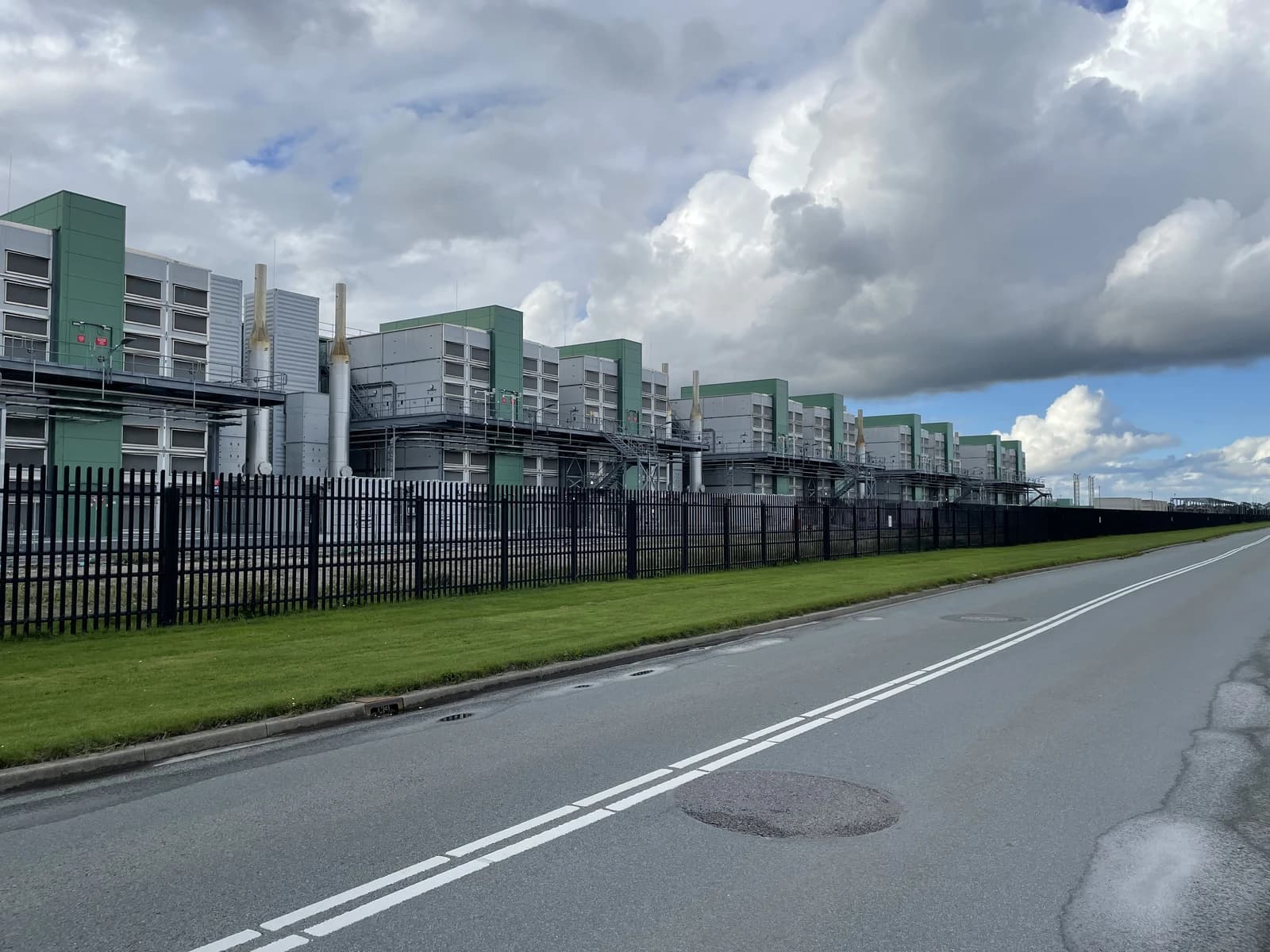
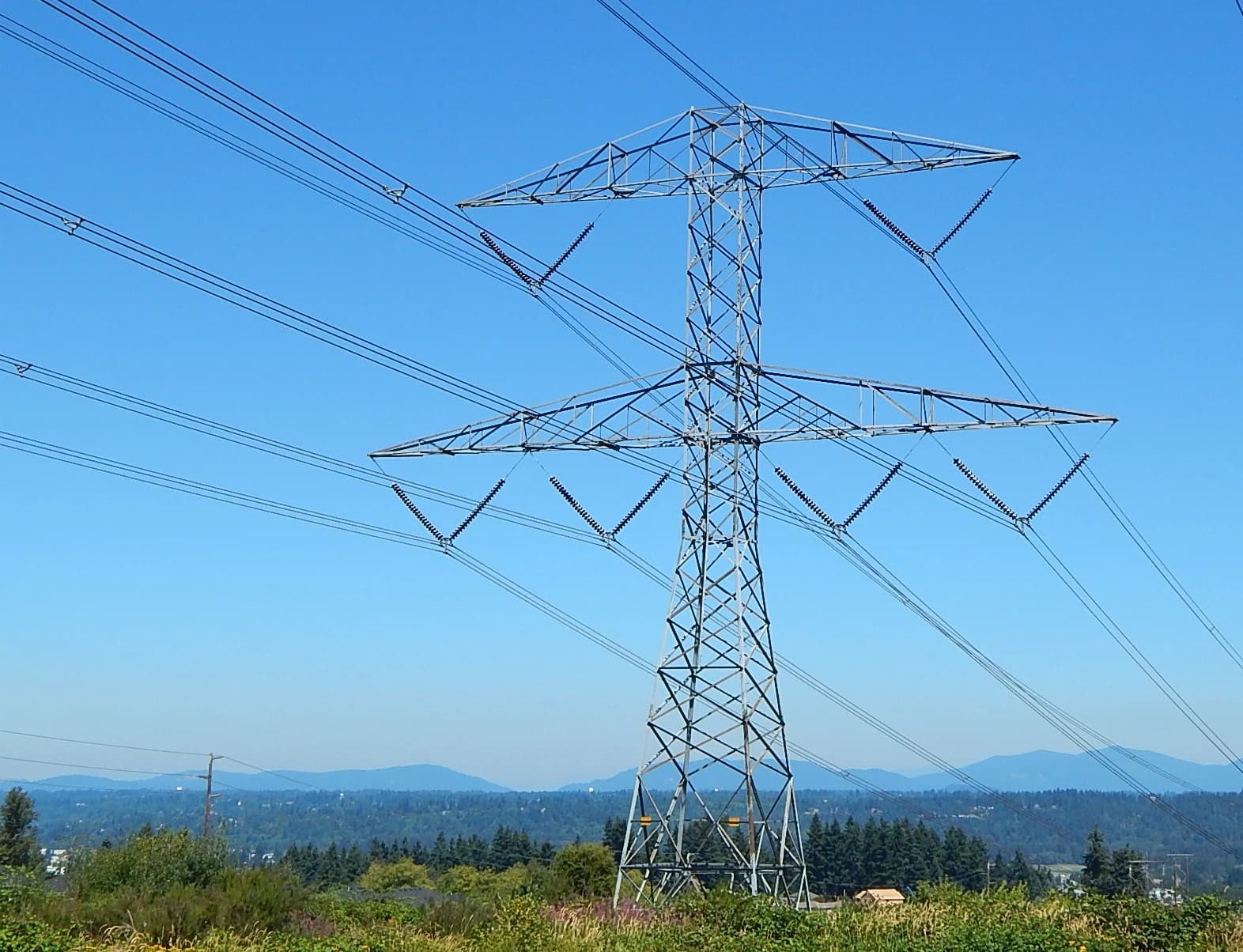
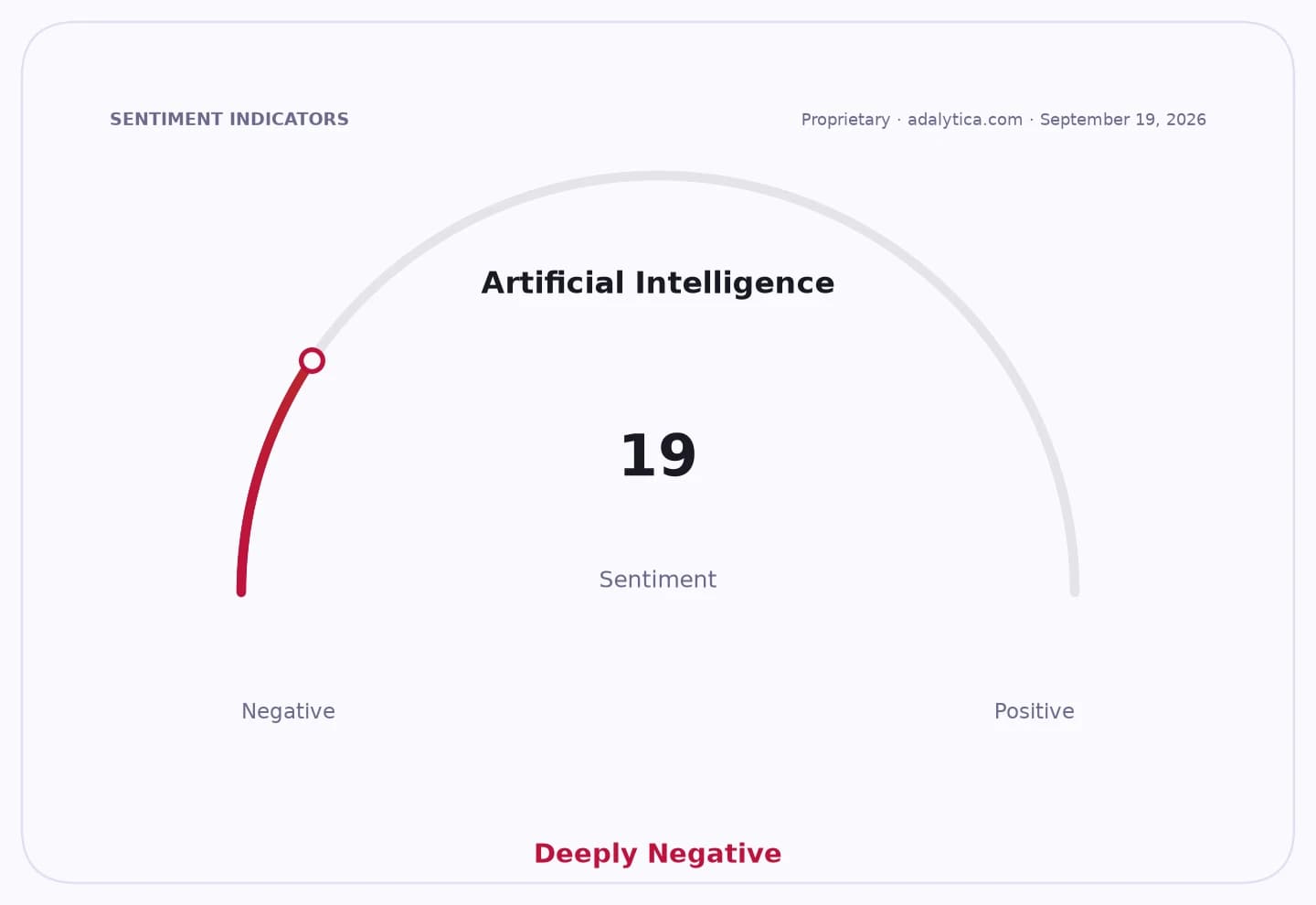
Texas lawmakers are hardening their stance on AI data centers just as the capital costs of building them remain pinned to elevated borrowing costs, a combination that could slow the expansion plans of Microsoft, Nvidia-backed operators and other big tech buyers across the state.
Texas Lawmakers Target AI Data Center Growth
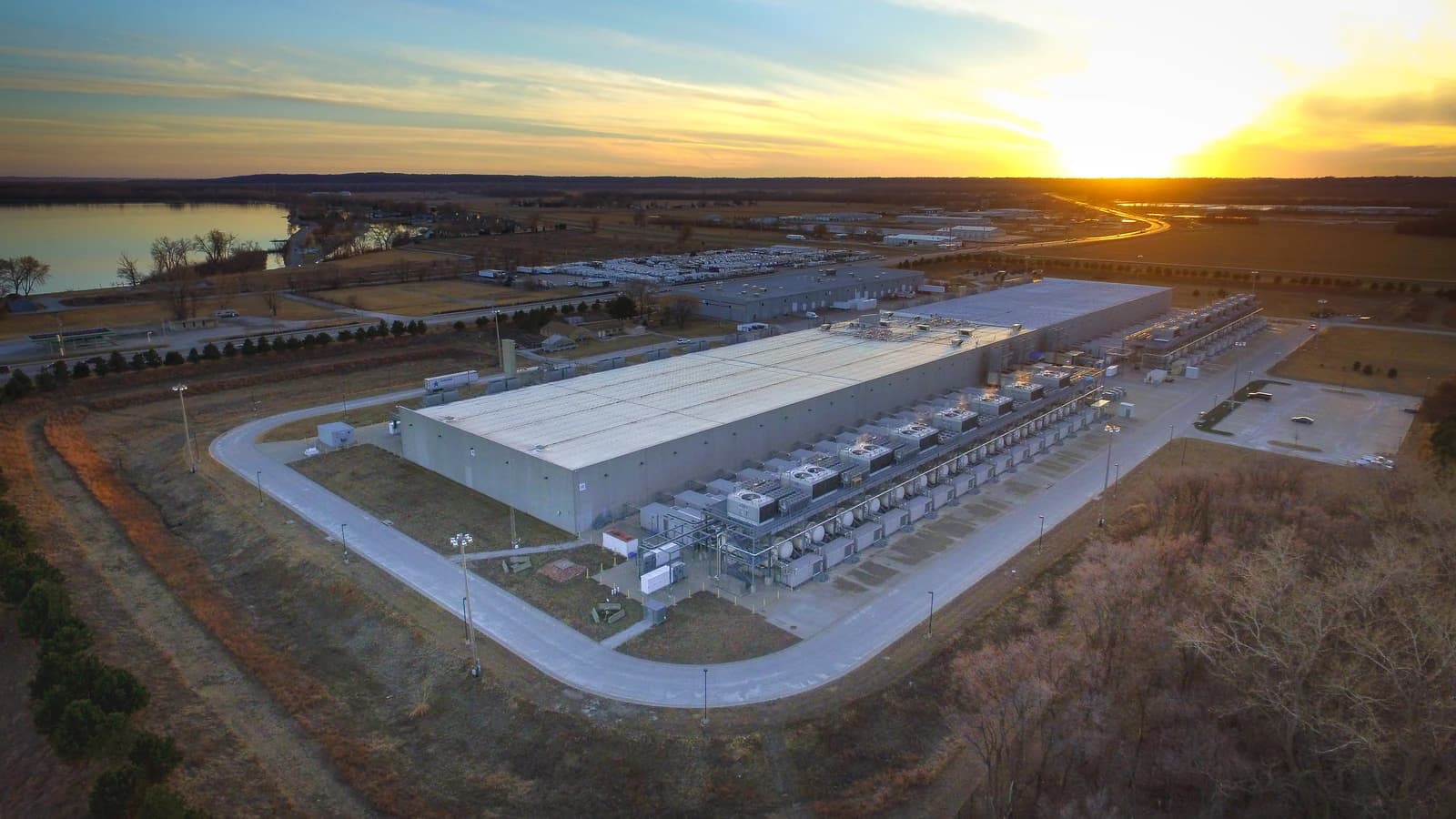
The shift matters because AI infrastructure is no longer a software story; it is a power, permitting and financing story. With the 10-year Treasury yield forecast at 4.836% and still near 5%, the hurdle rate for multi-billion-dollar campuses, transmission upgrades and long-dated power contracts remains high, even before local opposition, grid congestion and environmental scrutiny are added in. That raises the cost of every megawatt and lengthens the payback period on projects that depend on sustained AI demand.
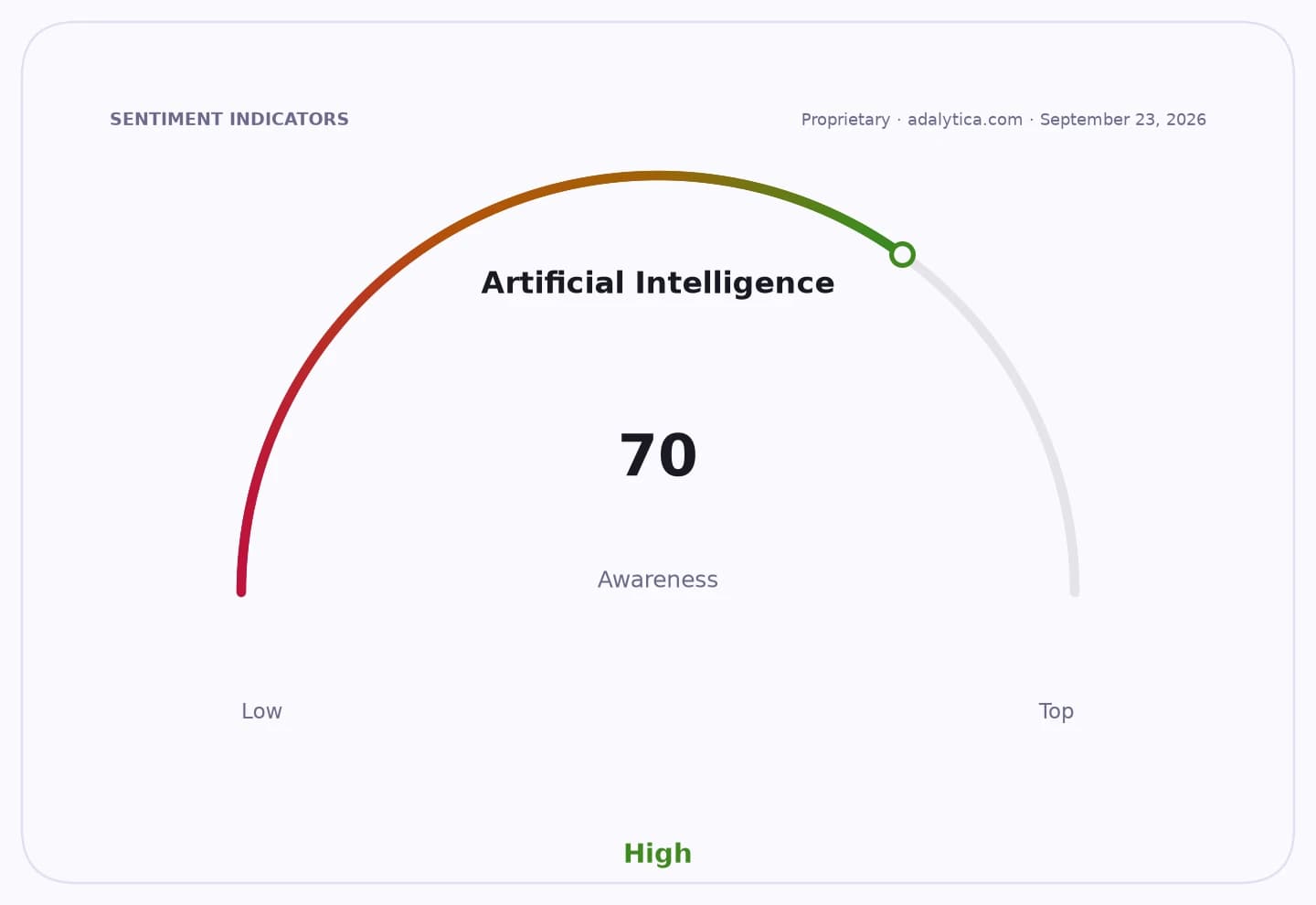
Sentiment IndicatorsⓘProprietary · adalytica.com · September 4, 2026
This is a snapshot — live sentiment, awareness and momentum for 130+ markets update continuously in the dashboard.Open AlphaPulse
For Texas, the political backlash reflects a growing recognition that data centers can strain electricity systems, water supplies and land-use planning while offering fewer jobs than traditional industrial projects. The state has marketed itself as a beneficiary of the AI buildout, but the emerging divide shows policymakers weighing tax revenue and construction activity against grid reliability and voter anger over utility costs. The Federal Reserve data in the context underline the macro backdrop: industrial production is projected to keep inching higher and unemployment is expected to hold near 4.09%, but the financing environment is still restrictive enough to punish heavy upfront spending.
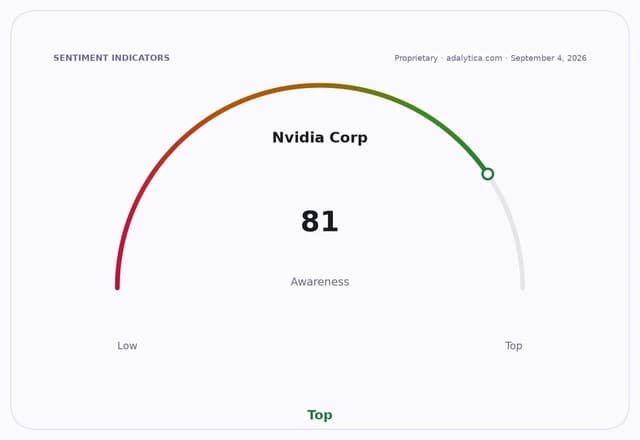
That tension is showing up in the market. Microsoft’s shares have rebounded to about $496.82 from a June low near $352, but they are still trading below their recent highs even as the stock has recovered above both its 50-day and 200-day moving averages. Nvidia has also recovered, with the shares around $224.41 and sentiment readings on Adalytica’s AI earnings gauge in “Greed” territory, but the company’s 10-Q makes clear that customers are committing to major land, power and shell arrangements that could become harder to justify if demand, regulation or financing conditions shift.
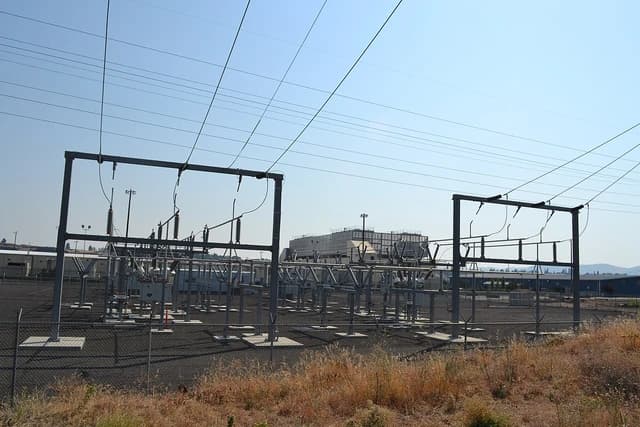
Amazon remains similarly exposed. Its shares at about $254.98 sit close to their recent trading range, but the company’s cloud and infrastructure buildout is dependent on power access, zoning approvals and long-term energy arrangements that can be disrupted by exactly the kind of local political resistance now building in Texas. Microsoft’s filing also warned that power constraints, connection delays and higher energy costs can impede AI deployment, which is why any policy pushback in a fast-growing state matters beyond the headlines.
The bull case for the data-center buildout is that AI demand is still real, compute remains scarce and states competing for investment are unlikely to slam the door entirely. The bear case is that the industry is moving from a period of near-unchecked expansion to one where grid limits, permitting friction and higher rates start to bite at the margins. For investors, the immediate question is not whether AI infrastructure is still strategic, but whether the next phase of growth can be funded and permitted on the same terms as the first.
What happens next in Texas will be watched well beyond the state. If politicians move from rhetorical skepticism to tougher rules on power hookups, environmental approvals or tax incentives, it could force a repricing of AI infrastructure economics across the US. If not, the current backlash may simply raise the political cost of building the physical backbone of the AI boom.
| Entity | Gains | Losses |
|---|---|---|
| Texas utilities/grid planners | ▲More leverage over load growth | ▼Greater political pressure |
| Big tech data-center builders | ▲Continued AI capacity growth | ▼Higher permitting and financing risk |
| Local residents/taxpayers | ▲Potential grid relief | ▼Fewer investment spillovers |
| MSFT/NVDA/AMZN shareholders | ▲AI demand remains intact | ▼Margins under pressure from build costs |