Nvidia CEO Jensen Huang is pushing back hard against the idea that artificial intelligence is a threat to civilization, and that matters because the real market debate is no longer whether AI exists, but whether the spending boom behind it can keep compounding into durable profits.
Nvidia AI Spending Thesis Holds as Huang Pushes Back

Huang’s message was blunt: AI has “zero percent” chance of destroying the world, and the industry should keep moving fast as long as safety standards are in place. For investors, that is more than a philosophical swipe at doomers. It is a defense of the capital cycle that has turned Nvidia into the poster child for the AI buildout, from data centers and advanced chips to the broader ecosystem of software, power, and infrastructure.
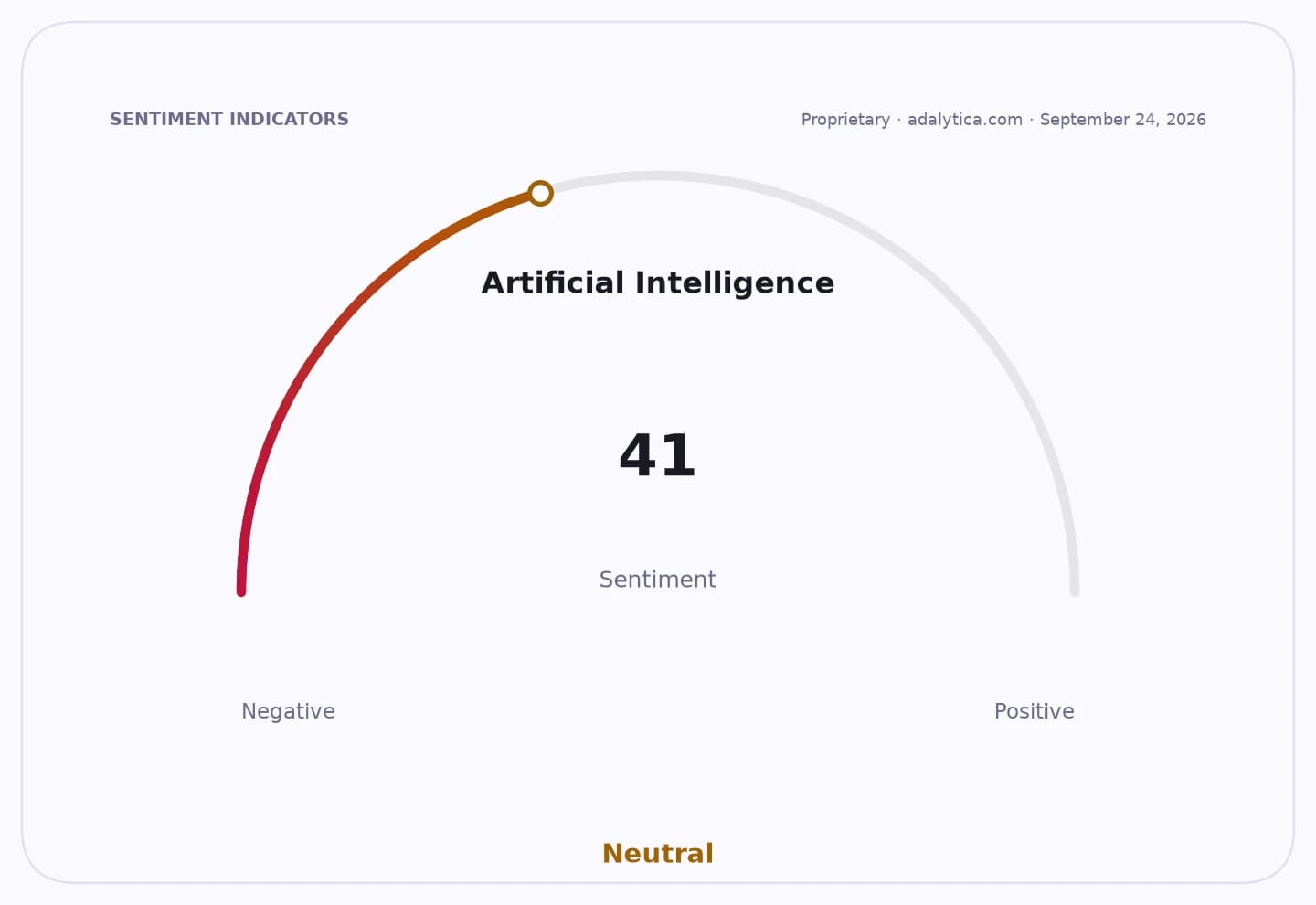
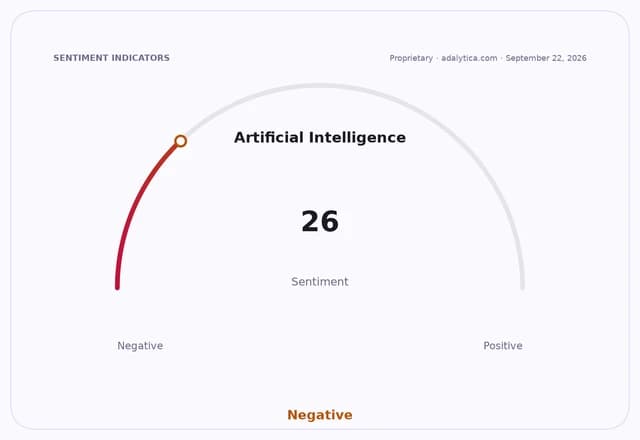
Sentiment IndicatorsⓘProprietary · adalytica.com · September 22, 2026
This is a snapshot — live sentiment, awareness and momentum for 130+ markets update continuously in the dashboard.Open AlphaPulse

The timing is important. The AI trade has been under a harsher filter lately, with investors increasingly asking which companies can turn AI investment into measurable earnings and free cash flow, rather than just narrative and pilot projects. That shift has created a split between the winners and the rest: firms with real demand, real pricing power, and real distribution are still commanding attention, while companies without a clear path to monetization are facing more skepticism.
Nvidia sits firmly in the first camp. Its chips remain central to the training and deployment of large AI models, and the company has spent years building a platform business around that hardware advantage. That is why the stock matters far beyond one executive’s comments. Nvidia is one of the clearest barometers for whether AI spending is a durable secular trend or just a hype cycle that runs out of road.
Artificial Intelligence vs NVDAadalytica.com
Explore this data interactively — full history, time series and cross-market comparisons.Open AlphaPulse
The market backdrop shows both enthusiasm and caution. Nvidia shares have been volatile, but they remain well above the 200-day moving average, a sign the long-term trend is still intact even after sharp pullbacks. Recent technical readings also suggest a stock that has cooled from overheated levels and then recovered, with RSI readings moving back toward neutral after earlier swings into overbought and oversold territory. In plain English: investors are still buying the long-term story, but they are no longer willing to pay any price for it.
That is exactly why Huang’s comments matter economically. If AI adoption keeps accelerating, the winners are not just chipmakers. Cloud providers, data center operators, power suppliers, networking firms and enterprise software vendors with real productivity gains all stand to benefit. If the pace slows, the pressure shifts to everyone who spent aggressively on the assumption that AI demand would keep outrunning supply.
The argument with Anthropic, OpenAI and Google over whether AI needs more brakes or more speed only sharpens that divide. Safety concerns may shape regulation and product design, but they do not change the commercial reality that the largest technology companies are still pouring billions into AI infrastructure. Nvidia’s own filings underscore that demand for its platforms spans scientific computing, robotics, autonomous vehicles and digital twins — the kind of multi-year opportunity investors usually want when they buy a category leader.
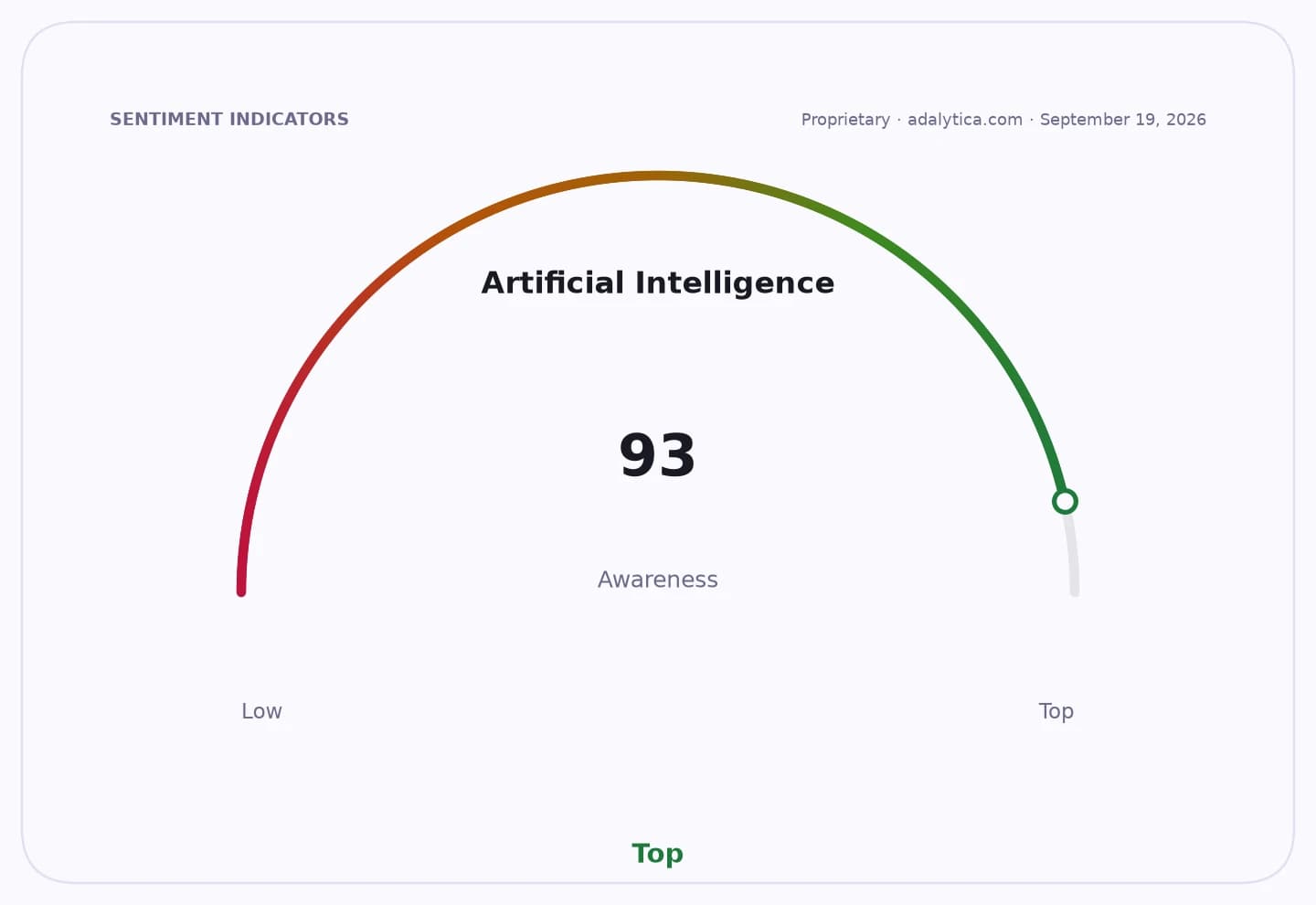
Adalytica’s AI sentiment snapshot shows the market mood is still cautious, with fear outweighing greed even as awareness remains elevated. That combination often appears in long-cycle growth stories: lots of attention, plenty of doubt, and just enough evidence of real earnings power to keep capital flowing anyway.
For long-term investors, the lesson is simple. AI is not a binary bet on apocalypse or perfection. It is a competition to own the companies that can convert computing demand into cash generation. Nvidia remains one of the strongest names in that race, and Huang’s remarks reinforce the same thesis that has driven the stock for years: if AI is going to remake the economy, the picks and shovels are still worth owning. Keep it on the watchlist, and for patient investors, consider holding it for the long haul.
| Entity | Gains | Losses |
|---|---|---|
| Nvidia | ▲AI spending thesis strengthens | ▼Fear-driven selling |
| AI infrastructure suppliers | ▲Higher capex demand | ▼Slow adoption cycles |
| Cautious AI skeptics | ▲Safety debate stays alive | ▼Growth narrative weakens |
| Long-term investors | ▲Clearer buy-the-leader case | ▼Short-term volatility |