The global liquefied natural gas market is heading into winter with too little room for error, and that matters because a supply squeeze in one region can quickly become a price shock for everyone else. Petronas chief executive Muhammad Taufik is warning that Europe’s depleted gas inventories, Asian supply disruptions and already-elevated LNG prices could combine to keep the market “very, very, very” tight.
LNG Market Tightens as Europe Enters Winter
That is the key investment story here: LNG is no longer just a fuel market, it is a competition for security. When inventories are low and geopolitics are noisy, buyers in Europe and Asia stop behaving like normal customers and start bidding against each other for the same cargoes. That pushes up spot prices, strains industrial margins and raises the risk that some users simply walk away from gas if the cost gets too extreme.
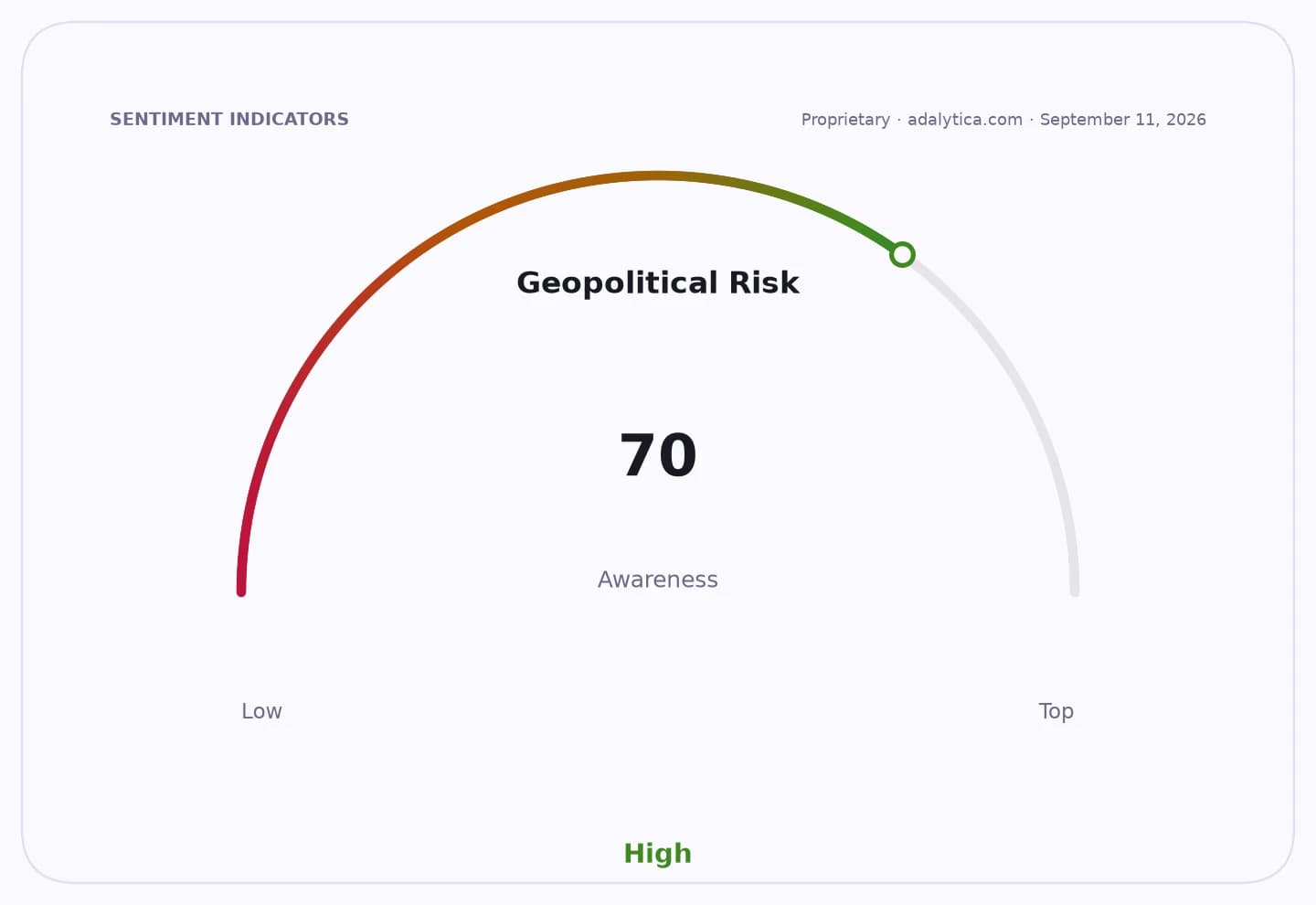
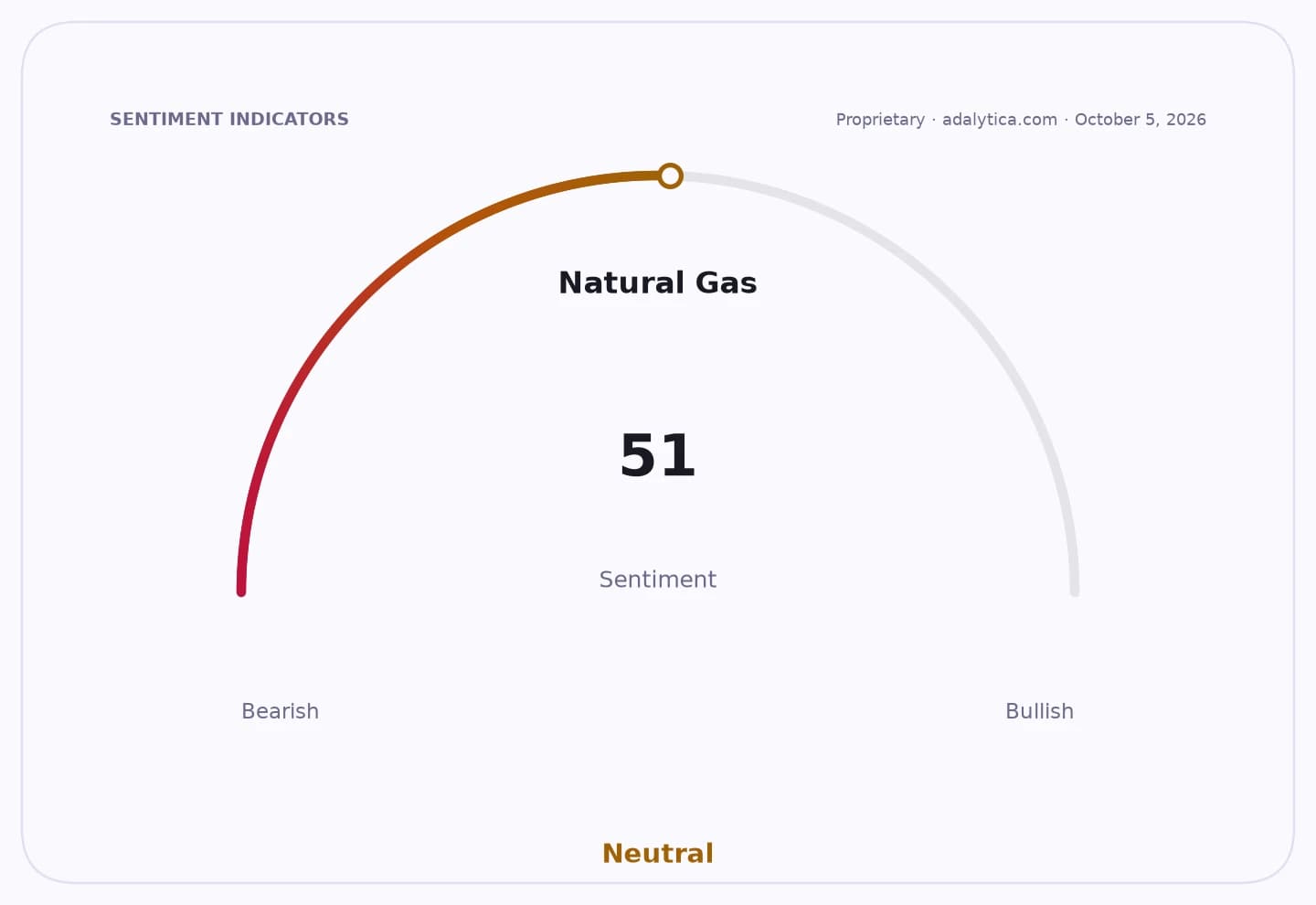
Sentiment IndicatorsⓘProprietary · adalytica.com · October 7, 2026
This is a snapshot — live sentiment, awareness and momentum for 130+ markets update continuously in the dashboard.Open AlphaPulse
Taufik told Bloomberg the danger is not just a temporary spike, but a self-defeating rally that destroys demand. Asian buyers are already paying about $25 to $28 per million British thermal units, and he said that if prices climb toward $40 or $50, some consumers could switch to other fuels. For long-term investors, that is the central tension in LNG: higher prices improve near-term returns for producers and exporters, but if they go too far, they can crush the very demand growth that supports the industry’s expansion thesis.
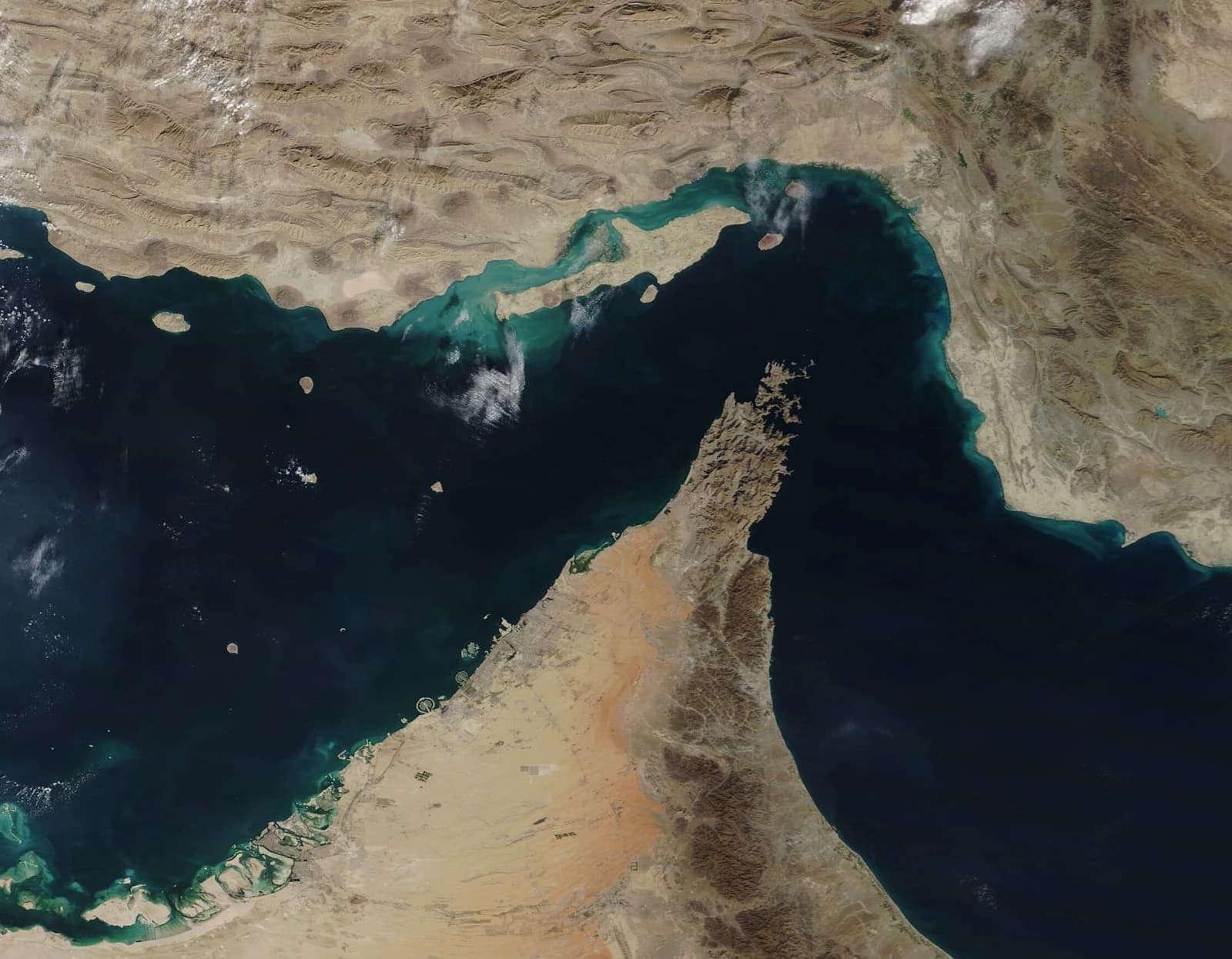
Europe is especially vulnerable. Gas stored in the region is at its lowest level since 2009, leaving utilities and governments with less of a buffer if winter turns cold. Asia is also under pressure, with shipping and energy flows disrupted by conflict in the Middle East and fears around the Strait of Hormuz. Taufik said some Asian countries previously sourced roughly 60% to 70% of imported LNG from the Middle East, underscoring how exposed the region remains to geopolitical bottlenecks.
For producers and exporters, that should keep bargaining power firm for now. U.S. cargoes and other alternative supplies are likely to stay in demand as Europe and Asia fight over flexible volumes. That is why companies such as Cheniere Energy, Shell and other global gas suppliers have more pricing leverage in a winter like this than in a looser market. But investors should also watch the other side of the equation: if prices stay too high for too long, governments and consumers will accelerate fuel switching, efficiency gains and alternative supply investment.
The long-term message from Petronas is bigger than one cold season. Taufik said Asia may struggle to maintain energy security after 2027 because it lacks the storage depth and strategic buffers built by places like Japan and China. His call for more exploration and new production capacity is really a warning that the world still has not built enough resilient gas infrastructure for a volatile geopolitical era. For patient investors, that keeps LNG producers, exporters and midstream infrastructure names worth watching, but it also argues for diversification and a long horizon rather than chasing the next price spike.
| Entity | Gains | Losses |
|---|---|---|
| LNG exporters | ▲Higher spot prices | ▼Demand destruction risk |
| European buyers | ▲Cargo flexibility | ▼Low storage buffer |
| Asian buyers | ▲Alternative supply access | ▼Geopolitical disruption |
| Producers investing in capacity | ▲Stronger long-term volumes | ▼Higher capex burden |