ADNOC has deepened its push into Asian gas markets with a multi-year agreement to supply up to 2 million tonnes of liquefied natural gas to Thailand, a deal that strengthens its trading platform while giving Gulf Group a longer-dated source of fuel in a region where energy security is moving higher up the policy agenda.
ADNOC Secures Multi-Year LNG Supply Deal With Thailand
The agreement matters because it is less about one cargo stream than about the shape of the LNG market heading into the second half of the decade. ADNOC is building a more flexible commercial model around its LNG portfolio, and Thailand is locking in supply at a time when Asia is competing with Europe and other buyers for molecules that remain constrained by liquefaction bottlenecks, shipping disruptions and geopolitical risk. For investors, the deal points to firmer demand for contracted LNG volumes and reinforces the value of companies with integrated production, trading and logistics capabilities.
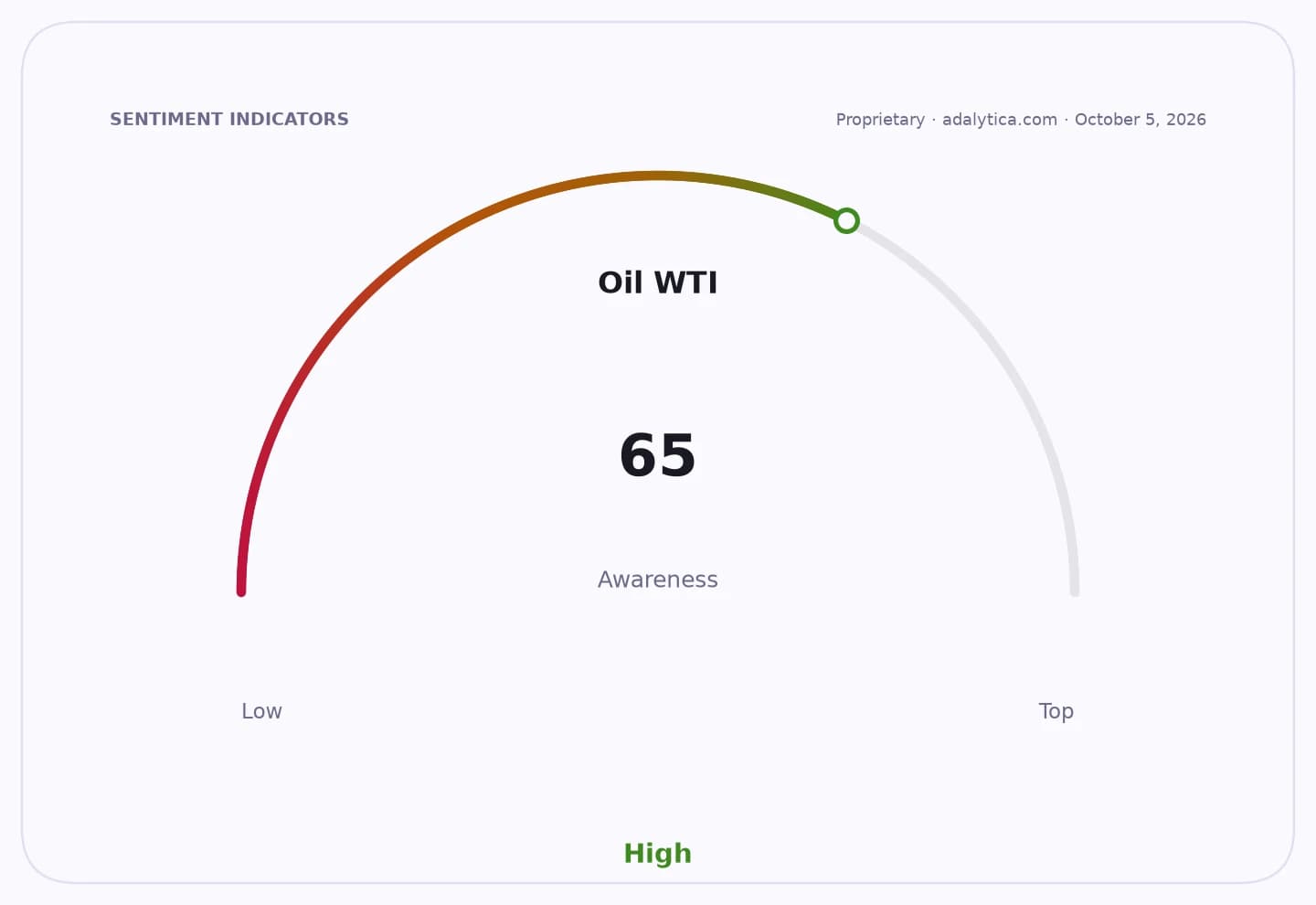
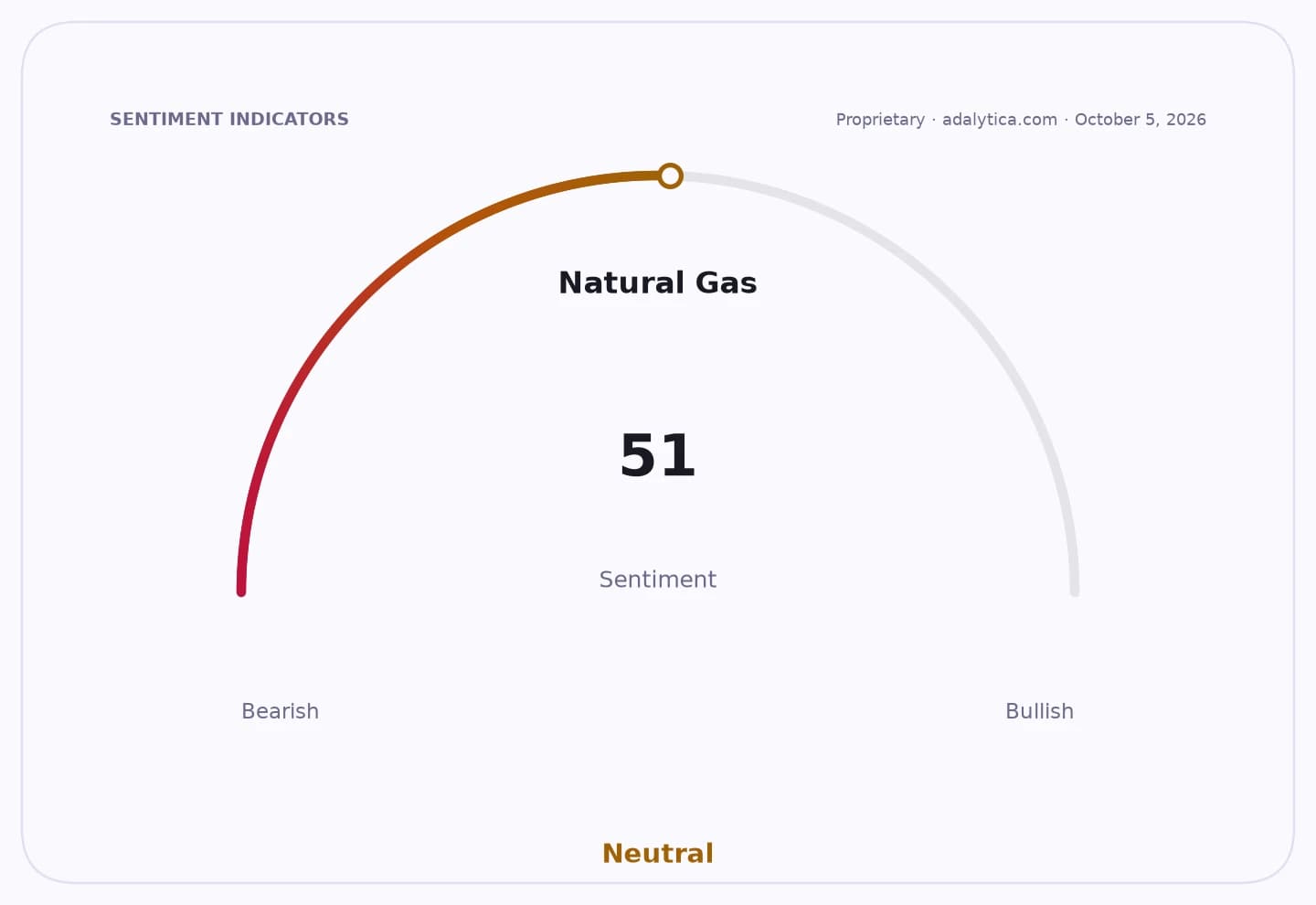
Sentiment IndicatorsⓘProprietary · adalytica.com · October 5, 2026
This is a snapshot — live sentiment, awareness and momentum for 130+ markets update continuously in the dashboard.Open AlphaPulse
Under the sales and purchase agreement, ADNOC Trading will deliver the cargoes over a multi-year term starting in 2027. The companies did not disclose pricing. The arrangement extends a relationship first struck in 2025 and follows ADNOC’s launch in July of its global LNG marketing and trading platform in Abu Dhabi Global Market, which brought its LNG commercial activities under one roof.
That platform is central to ADNOC’s strategy. The company said it is targeting 47 million tonnes per annum of marketable LNG beyond 2030, a scale that would put it among the larger global LNG players. For ADNOC, the appeal is not only in selling more gas but in capturing margin through trading, shipping optionality and portfolio optimization. Its trading arm said it has built a significant third-party LNG portfolio in four years and now operates from Abu Dhabi, Singapore and Geneva.
For Gulf Group, the deal supports a broader diversification strategy. The Thai conglomerate said it is building a resilient LNG portfolio anchored by trading, midstream infrastructure and shipping capacity. That matters in Thailand, where natural gas remains a critical fuel for power generation and industrial demand even as the country pursues a longer-term energy transition. Securing supply from a major producer can help limit exposure to spot-market volatility and delivery risk.
The wider market backdrop is favorable to long-term contracting. LNG Canada’s recent approval to expand export capacity underscored how supply growth is still struggling to keep pace with global demand, while Europe’s continued import appetite and record flows through the Strait of Hormuz have highlighted how geopolitics keeps LNG pricing and logistics under strain. Industry disclosures from peers also point to tightening supply conditions and transit disruptions in key routes, which tend to support the case for contracted volumes over uncommitted spot exposure.
For investors, the deal should be read in two ways. Bullishly, it supports ADNOC’s transition into a more sophisticated gas marketer with steadier cash flow and potentially higher realized margins from trading and optimization. It also confirms that Asian buyers still want multi-year supply even as the market cycles through bouts of volatility. Bearishly, the commercial upside will depend on execution, shipping costs and how much value ADNOC can extract from portfolio flexibility rather than pure upstream volume.
The next catalysts will be whether ADNOC converts more of its LNG ambitions into similar long-term agreements across Asia and whether the 2027 start date coincides with a tighter market that lifts the value of fixed supply. If so, the deal with Gulf Group may prove less a one-off and more a template for ADNOC’s next phase in LNG.
| Entity | Gains | Losses |
|---|---|---|
| ADNOC | ▲Longer-term LNG sales | ▼More execution risk |
| Gulf Group | ▲Supply security | ▼Less spot flexibility |
| Asian buyers | ▲Contracted volumes | ▼Higher dependence on term deals |
| Spot LNG sellers | ▲Tighter market support | ▼Fewer buyers for spot cargoes |