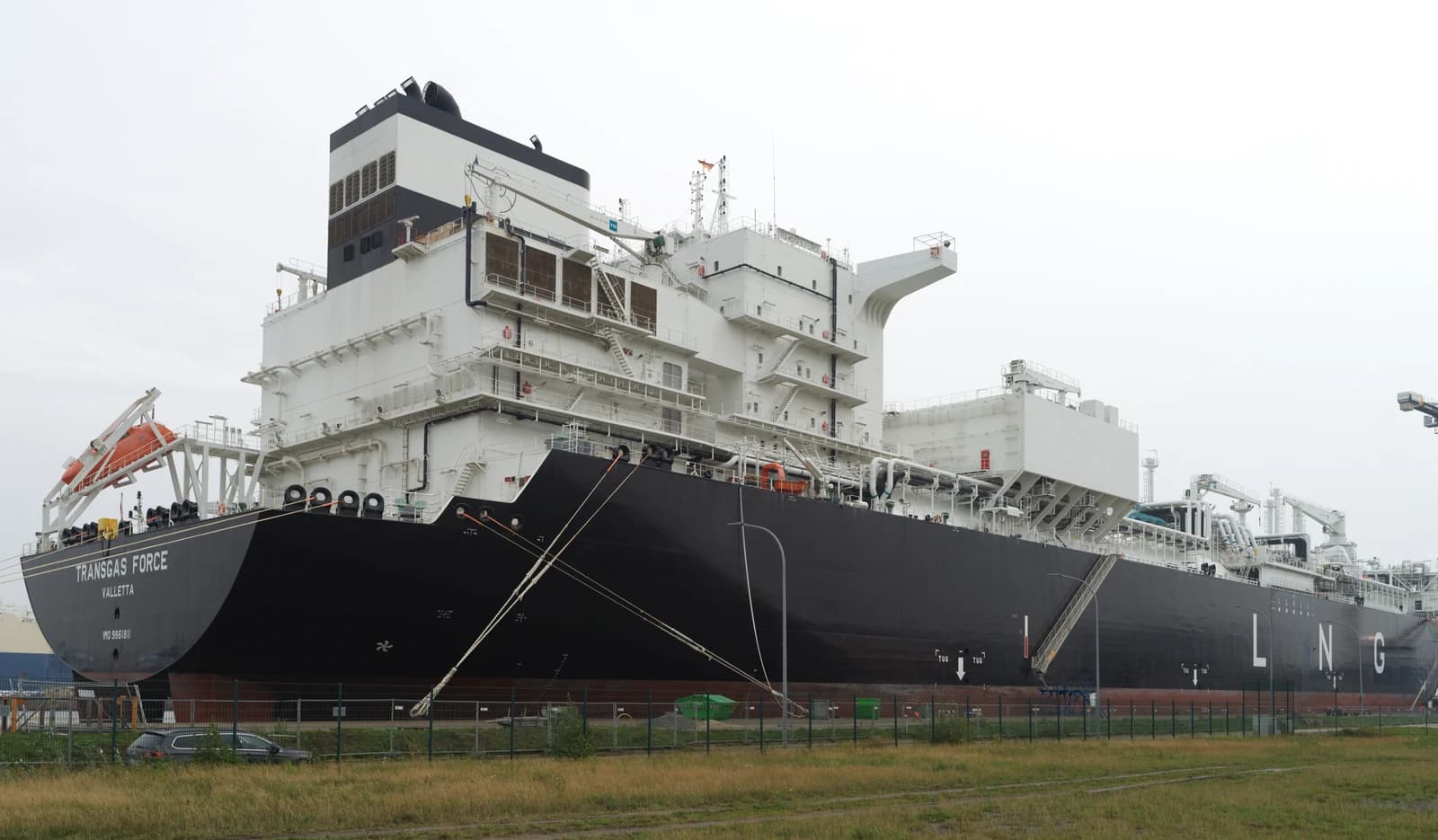
Seatrium has landed its ninth floating storage regasification unit conversion for Karpowership LNG, underscoring how demand for fast-deployable gas infrastructure is still driving orders in a market where energy security concerns remain high.
Seatrium Wins Ninth Karpowership FSRU Conversion
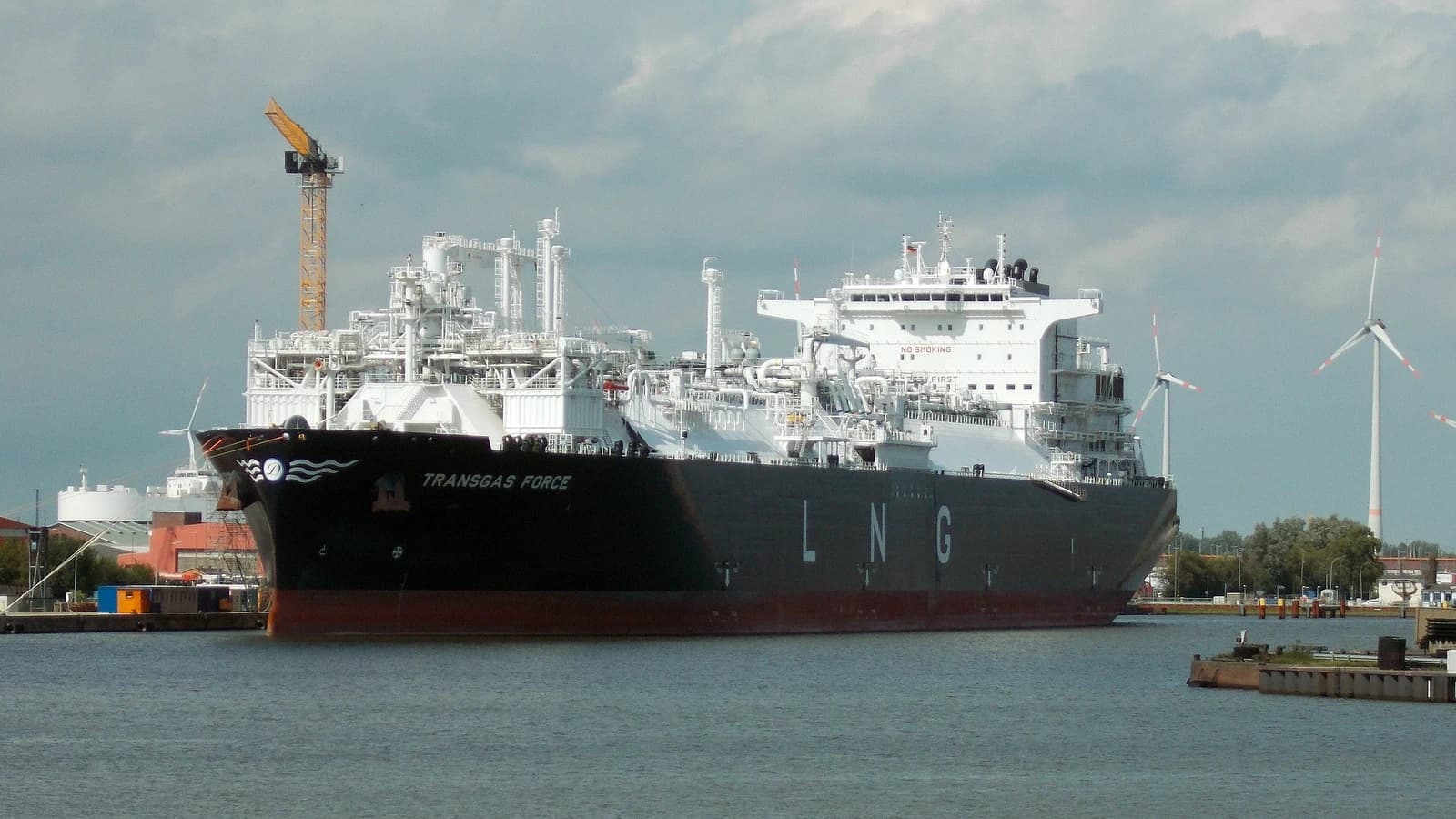
The award matters because FSRUs let buyers add LNG import capacity far faster and cheaper than building onshore terminals. That keeps conversion yards busy and gives shipbuilders tied to the segment recurring work even as global gas prices swing and financing conditions stay tight.
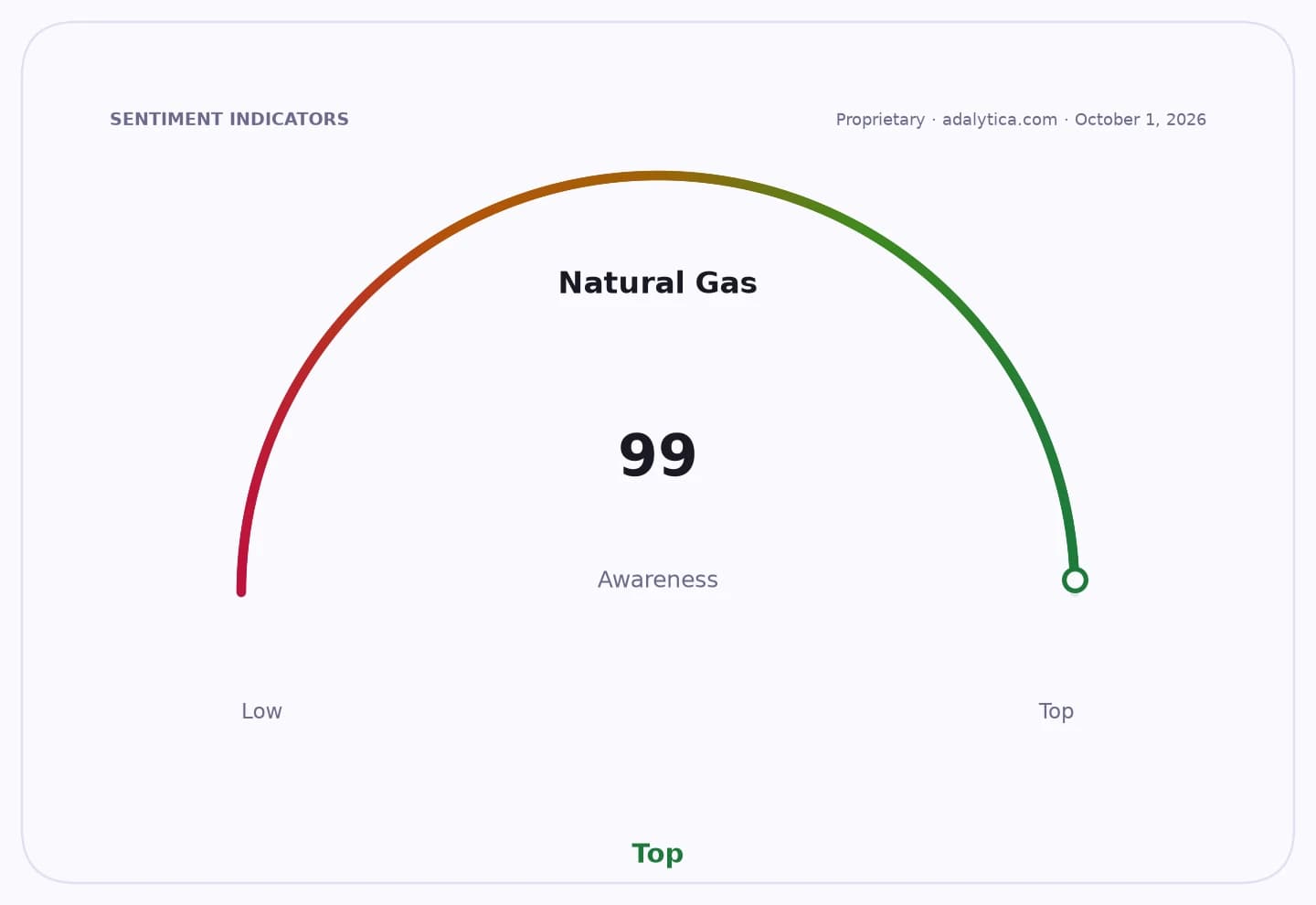
Sentiment IndicatorsⓘProprietary · adalytica.com · October 5, 2026
This is a snapshot — live sentiment, awareness and momentum for 130+ markets update continuously in the dashboard.Open AlphaPulse
For Seatrium, the repeat contract strengthens its position in a niche that has become strategically important since Europe and other importers rushed to diversify away from pipeline gas. A ninth conversion for the same customer suggests Karpowership continues to lean on Seatrium’s execution record, which can improve visibility for the group’s offshore and gas-related backlog.
The broader LNG backdrop is still supportive. Brent-linked oil prices have remained elevated enough to keep energy markets volatile, while U.S. 10-year Treasury yields around 5.3% point to financing costs that can make modular LNG solutions more attractive than large greenfield terminals. In that setting, FSRUs remain one of the few practical tools governments and utilities can deploy quickly to shore up supply.
Investors will read the deal as another sign that Seatrium’s LNG and offshore portfolio remains active even as the market awaits more detail on margins and the pace of conversion work. For Karpowership, the contract extends a strategy built around mobile power and gas import assets that can be moved to where demand is strongest.
The next catalyst is whether Seatrium turns this latest order into more repeat business across the LNG chain, and whether continued geopolitical uncertainty keeps FSRU demand above pre-crisis levels.
| Entity | Gains | Losses |
|---|---|---|
| Seatrium | ▲Higher conversion backlog | ▼Limited pricing pressure relief |
| Karpowership LNG | ▲Faster import capacity | ▼Long-term terminal flexibility costs |
| LNG importers | ▲Quicker gas access | ▼Dependence on floating assets |
| Onshore terminal builders | ▲— | ▼Share of new project demand |