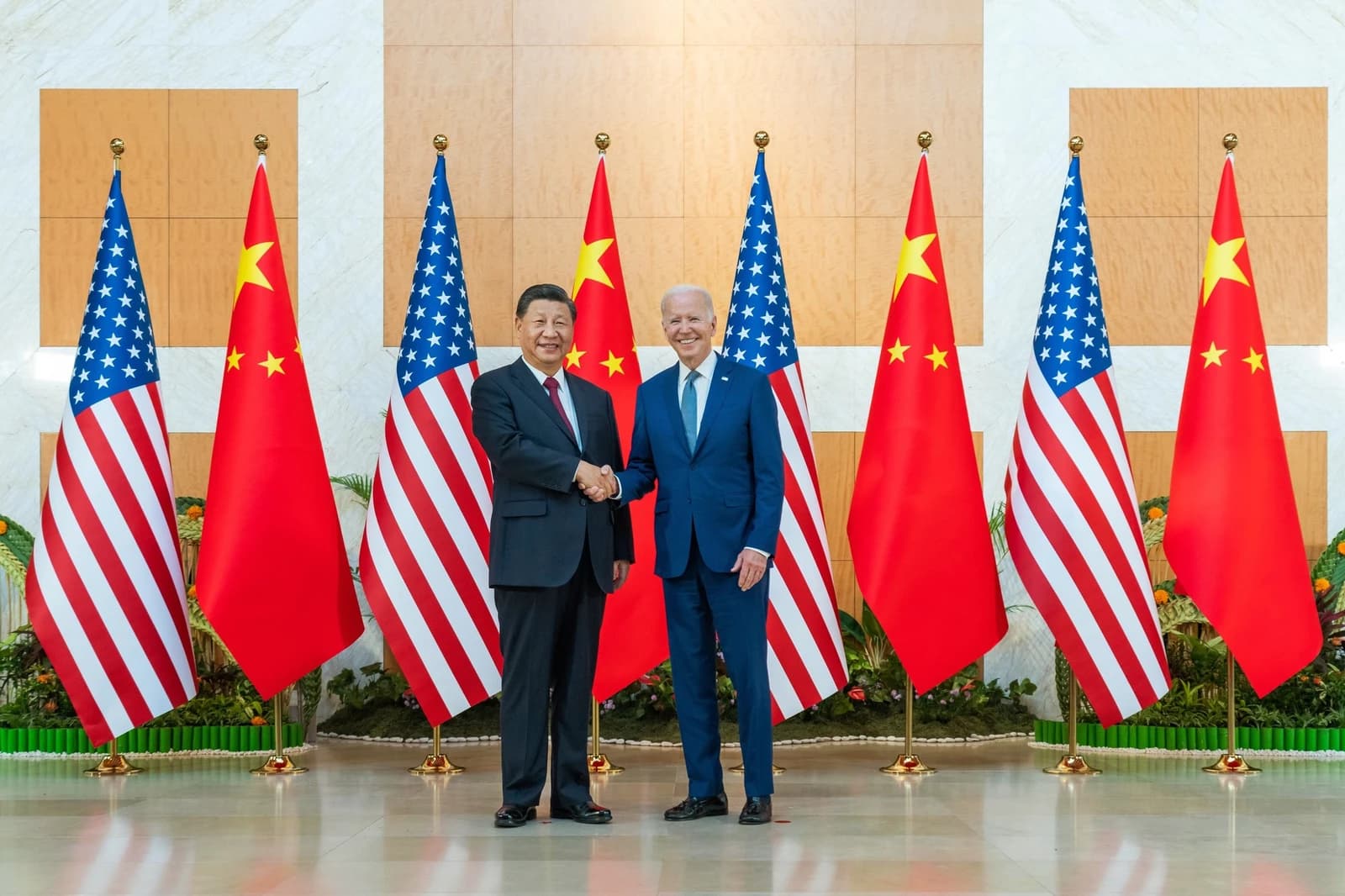
China and Qatar are moving to tighten a strategically important partnership just as conflict risk around the Strait of Hormuz threatens the flow of oil and LNG that both economies depend on.
Qatar, China deepen energy ties amid Hormuz risk
The two countries used Qatari Prime Minister Sheikh Mohammed bin Abdulrahman Al Thani’s two-day visit to Beijing to frame ties as entering a new “golden decade,” with agreements to expand cooperation in energy, investment and advanced technologies. That matters because the relationship is not just diplomatic: it sits at the center of the world’s most sensitive energy corridor, where roughly one-fifth of global oil and LNG normally passes.
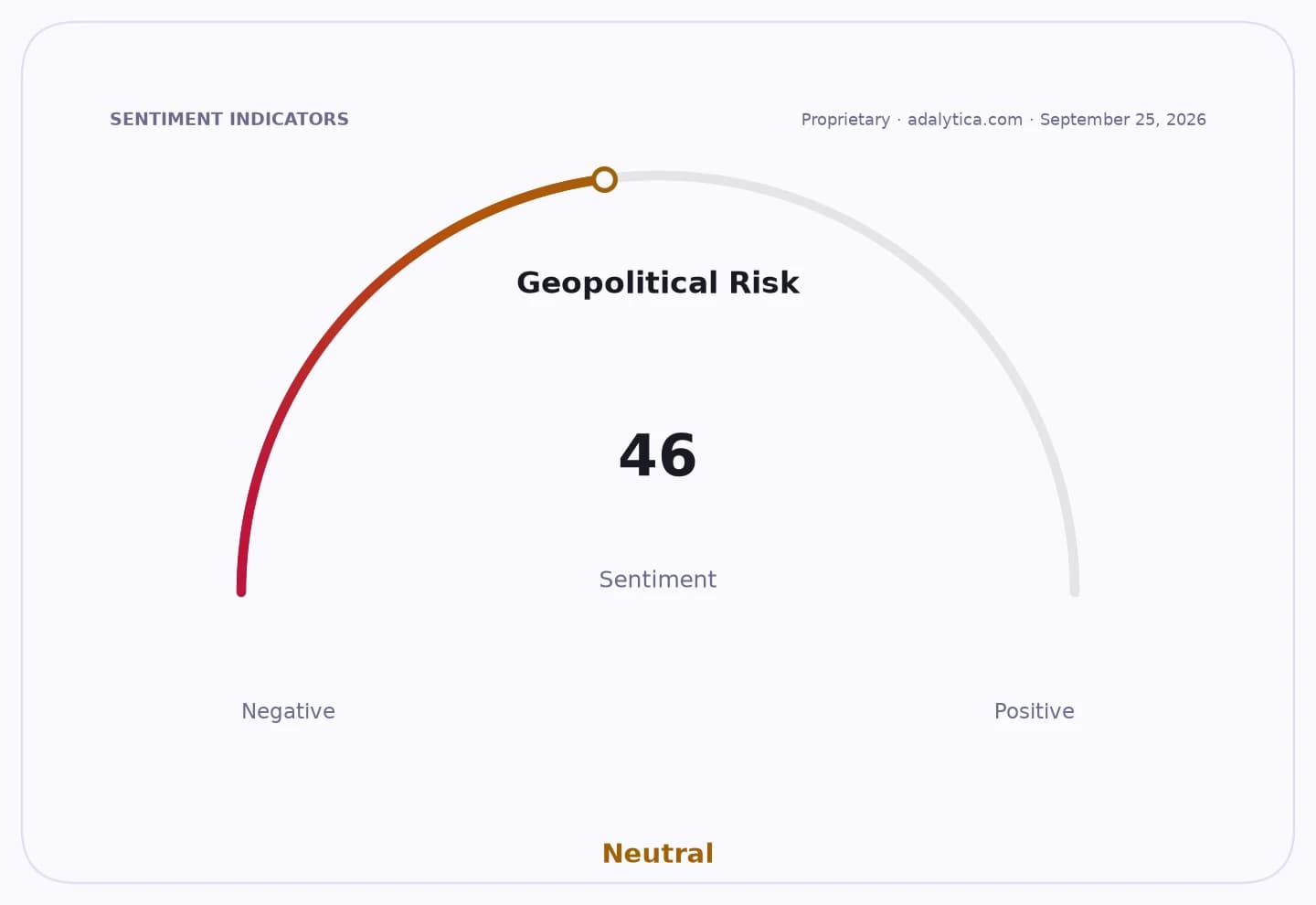
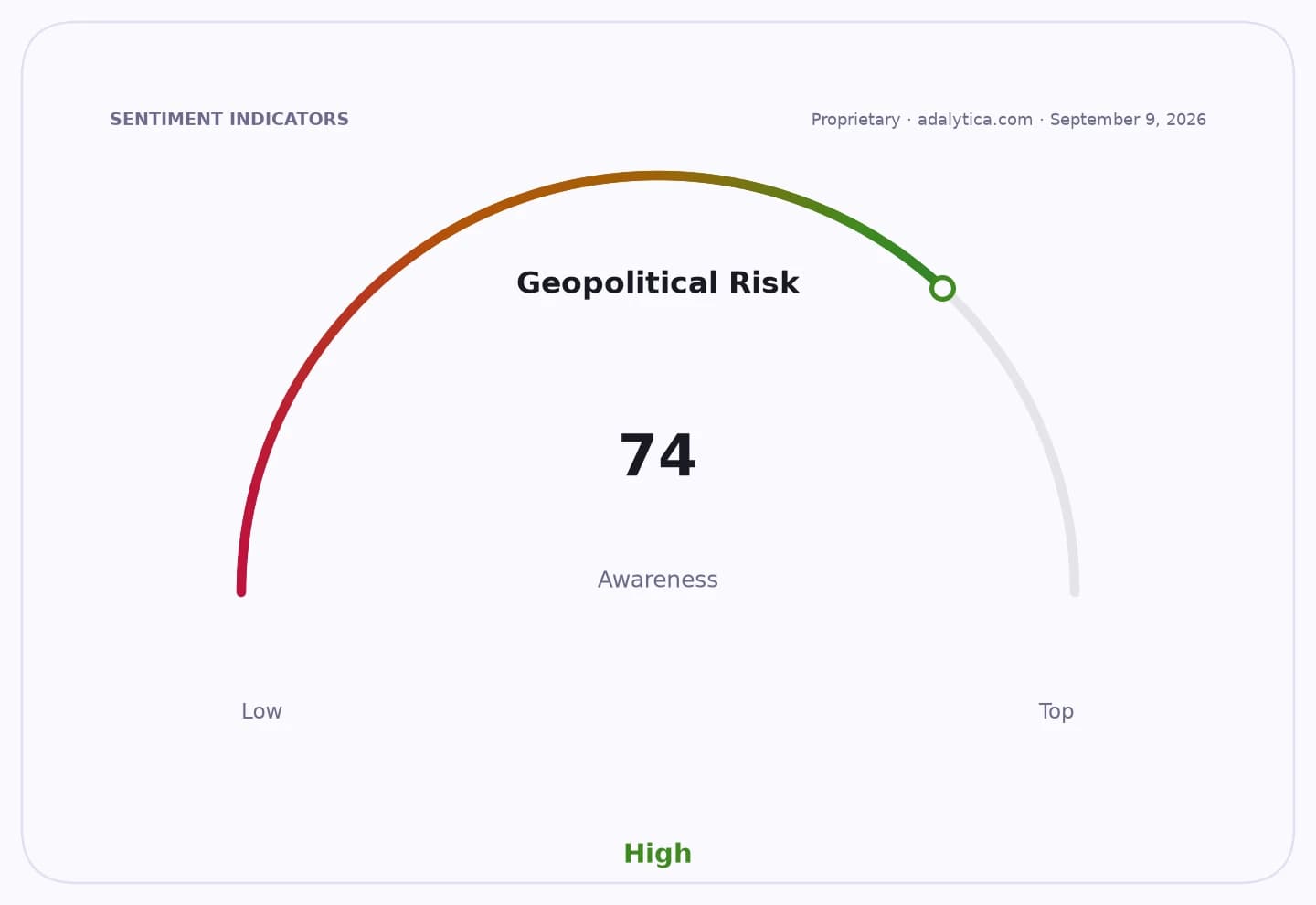
Sentiment IndicatorsⓘProprietary · adalytica.com · September 9, 2026
This is a snapshot — live sentiment, awareness and momentum for 130+ markets update continuously in the dashboard.Open AlphaPulse
For investors, the clearest message is that Qatar is trying to lock in demand from its biggest trade partner while China shores up supply from one of its most reliable LNG suppliers. China is Qatar’s largest trading partner, with bilateral trade worth $23.8 billion last year, and Qatar is China’s second-largest source of LNG, supplying 19.4 million tonnes in 2025.
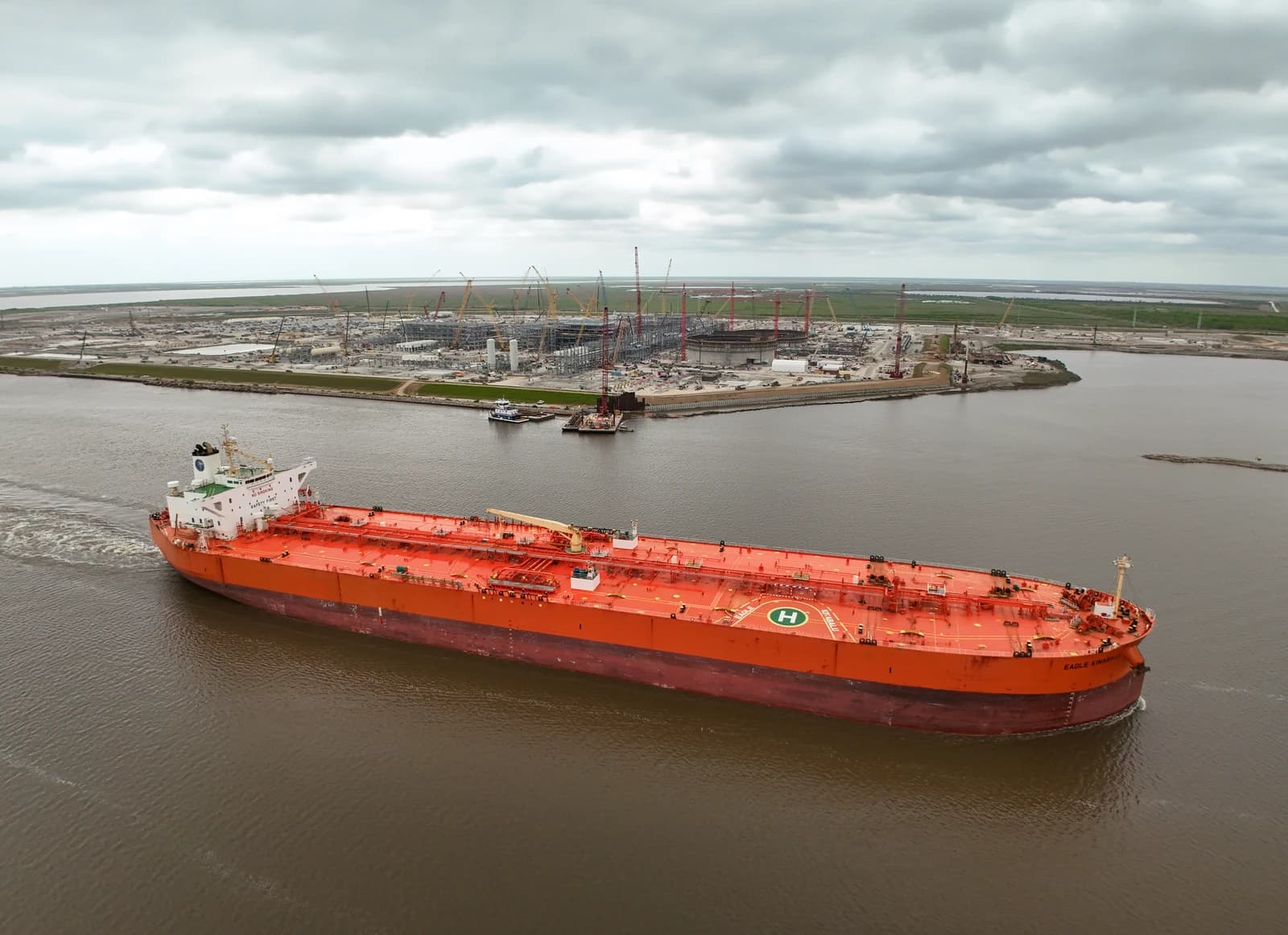
The energy linkage is already deep. QatarEnergy has signed 27-year LNG supply agreements with Chinese state-owned groups CNPC and Sinopec, which have also taken stakes in Qatar’s North Field gas expansion. That gives Beijing long-dated access to supply and gives Doha a durable customer base as it expands output.
The timing is what gives the visit more weight. Disruption in the Strait of Hormuz has heightened concern across energy markets after the conflict involving Iran, the US and Israel intensified, and Qatar said it would prioritize energy supply despite the strain. Any prolonged risk to shipping through the strait can lift volatility in LNG and crude markets, support gas prices and add a premium to exporters with secure shipping and long-term offtake.
Diplomatically, China is backing Qatar’s mediation role while stopping short of direct pressure on Tehran. Beijing repeated calls for dialogue and negotiations, but it remains China’s economic and political patron of choice in the region and has little appetite to use leverage against Iran’s Islamic Revolutionary Guard Corps. That leaves Qatar looking to China not as a security guarantor, but as an additional channel with influence in Tehran.
The balance of power still tilts toward Washington on security, with Qatar hosting the Al Udeid air base, but the visit shows Doha is broadening its options. For markets, that means more evidence that Gulf producers are trying to hedge geopolitical risk with deeper ties to China, while China seeks to secure energy flows and extend its footprint in the Middle East without replacing the US military role.
Beyond energy, the talks also point to a wider commercial agenda in infrastructure, finance, artificial intelligence and advanced manufacturing. Invest Qatar says 520 Chinese companies already operate in the country, with Chinese projects generating more than $3 billion and creating more than 3,200 jobs over the past decade.
The next catalyst is whether the diplomatic alignment translates into new LNG, investment or infrastructure commitments, and whether tensions around Iran and the Strait of Hormuz ease enough to reduce the geopolitical premium now hanging over Gulf energy flows.
| Entity | Gains | Losses |
|---|---|---|
| Qatar | ▲Bigger Chinese market access | ▼Higher geopolitical exposure |
| China | ▲More secure LNG supply | ▼Less room to pressure Iran |
| LNG exporters | ▲Long-term contract visibility | ▼Shipping risk premium |
| US security role | ▲— | ▼Influence diluted by Qatar hedging |