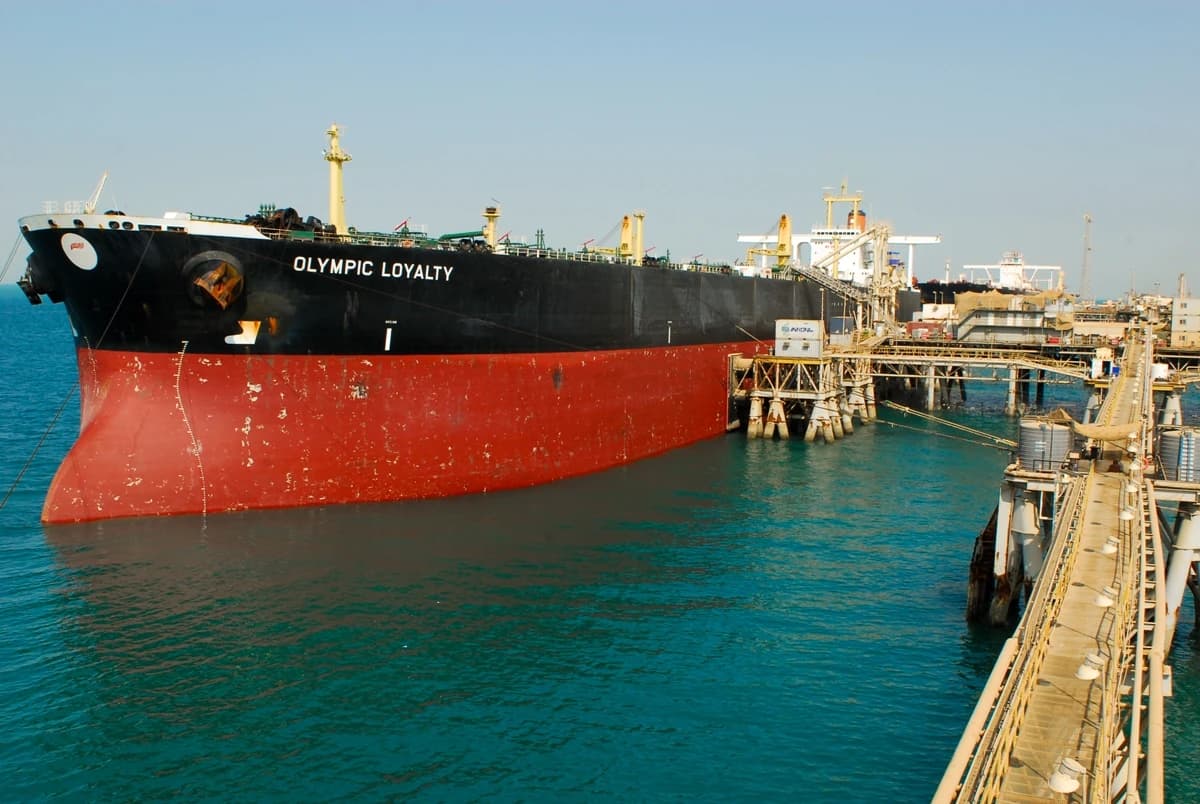
OPEC’s oil production surged in September, a move that matters because it adds supply into a market already grappling with softer demand forecasts and elevated geopolitical risk.
OPEC Output Rises in September as Demand Weakens
A Reuters survey found output from the 11-member group rose by 1.78 million barrels per day month on month to 21.49 million bpd, driven mainly by Saudi Arabia and Iraq. The increase underscores how quickly OPEC producers can bring barrels back when policy allows, even as the market remains constrained by war-related disruptions and sanctions on Iran.
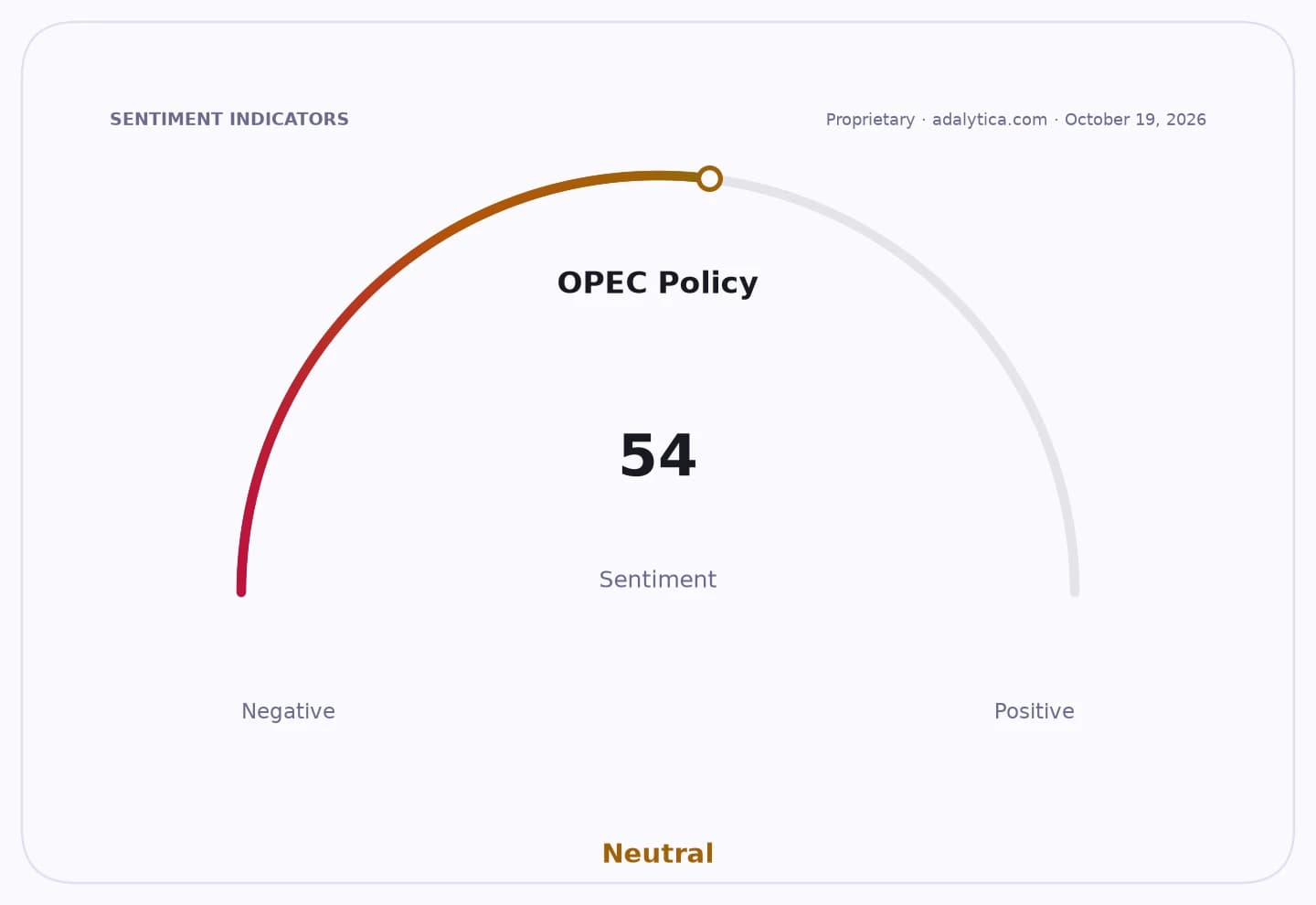
Sentiment IndicatorsⓘProprietary · adalytica.com · October 19, 2026
This is a snapshot — live sentiment, awareness and momentum for 130+ markets update continuously in the dashboard.Open AlphaPulse
The jump is economically significant because it comes as OPEC has already been forced to revisit the demand side of the equation. The group has cut its 2026 global oil demand growth estimate to just 200,000 bpd, a level that implies a much looser balance than producers had been counting on. Higher output and slower demand growth together raise the risk of inventories rebuilding, a combination that typically weighs on crude prices and narrows the margin for OPEC’s price management strategy.
The September increase also reflects the tension inside OPEC+ between producers seeking market share and those trying to defend prices. Seven members of the wider alliance had agreed to raise production in September, but the Middle East conflict made that impossible in practice. That leaves the market with a patchwork supply response: some producers are adding barrels, while others remain constrained by force majeure risks, export disruptions and sanctions.
For investors, the key issue is whether the supply increase proves temporary or marks the start of a broader production normalization. Energy equities and oil-linked funds have already been sensitive to every shift in OPEC policy, and the latest output data suggests the group still has capacity to surprise the market on the upside. That is constructive for upstream producers in the near term if prices remain elevated, but it also raises the odds of volatility if demand weakens further or if OPEC adds more barrels than traders had priced in.
US oil benchmarks and energy stocks have remained firm, but the latest technical readings suggest the market is extended rather than complacent. USO has been trading well above its 50-day and 200-day moving averages, while its relative strength index has at times pushed into overbought territory. XLE and OIH have also been tracking strong energy-sector momentum, meaning any sign that OPEC supply is outpacing demand could trigger profit-taking.
The broader narrative is that OPEC is trying to navigate a market where geopolitics is keeping supply unpredictable, but weakening demand is becoming harder to ignore. If the group keeps raising output while consumption expectations are revised lower, the burden of adjustment shifts back to prices. That would help consumers and importers, but it would pressure producers, particularly those with higher fiscal breakeven costs. The next focus for traders will be whether September’s output jump becomes a one-off response to disrupted flows or the beginning of a more persistent supply overhang.
| Entity | Gains | Losses |
|---|---|---|
| OPEC producers | ▲Higher near-term volumes | ▼Risk of softer prices |
| Saudi Arabia and Iraq | ▲Bigger output share | ▼Greater scrutiny on quotas |
| Oil consumers/importers | ▲Potential supply relief | ▼Less predictable pricing |
| US energy equities | ▲Support from tight supply | ▼Valuation risk if crude retreats |