U.S. crude inventories fell far more than expected last week, tightening the near-term supply picture even as gasoline stocks climbed, a split that keeps oil bulls in control for now and leaves refiners with a mixed demand signal.
U.S. crude inventories fall 8.6 million barrels

The Energy Information Administration said crude stockpiles dropped 8.6 million barrels to 415.6 million barrels in the week ended Oct. 9, while gasoline inventories rose 3.5 million barrels to 208.3 million barrels. Distillate stocks, which include diesel and heating oil, fell 2.5 million barrels.
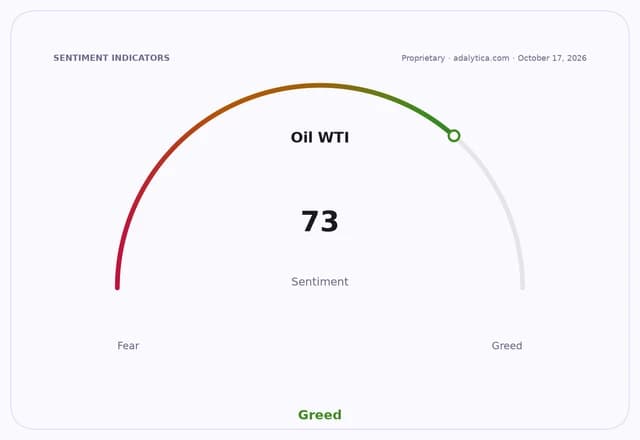
That crude draw matters because it points to a market that is still tighter than many traders anticipated, even after recent volatility in oil prices. Net U.S. crude imports declined by 596,000 barrels a day, while refinery crude runs increased by 135,000 barrels a day and utilization rose 0.8 percentage point to 93.5%. In other words, stronger refinery demand and lower imports are pulling barrels out of storage faster than the market had assumed.
For investors, the message is straightforward: the crude balance remains supportive for energy prices and for upstream producers, even if gasoline demand is not matching that strength. The rise in gasoline inventories suggests motorists are not absorbing supply as quickly as refiners are making it, which can pressure margins for fuel distributors and cap upside in retail gasoline prices. But the bigger market effect is on crude itself, where draws of this size tend to support benchmark prices and keep the sector’s risk premium elevated.
That is why integrated oil majors, shale producers and oil-linked ETFs remain the cleaner way to play the trend than pure gasoline exposure. Chevron and ConocoPhillips benefit if crude prices stay firm, while refiners such as Marathon Petroleum and Valero are more dependent on product cracks and end-demand trends. The tighter crude backdrop also helps explain why oil-sensitive funds such as USO and broader energy exposure through XLE have stayed bid.
The broader narrative is that the oil market is still being driven less by one clean macro theme than by a tug of war between tightening crude supply, resilient refinery activity and uneven product demand. Unless gasoline demand catches up, the next leg higher in energy may be led by crude rather than refined fuels. For investors, that argues for staying overweight upstream and infrastructure exposure, not chasing every move in pump prices.
| Entity | Gains | Losses |
|---|---|---|
| Crude producers | ▲Higher oil prices | ▼None from this report |
| Integrated majors | ▲Stronger upstream margins | ▼Softer gasoline cracks |
| Refiners | ▲Higher refinery runs | ▼Bigger gasoline stocks |
| Gasoline retailers | ▲Cheaper supply to buy | ▼Weaker pricing power |