Global oil markets are running into a supply ceiling, and that matters because it helps explain why crude and refined-fuel prices remain stubbornly high even as governments try to ease shortages with more tanker capacity and fresh export flows.
Oil market supply ceiling keeps prices elevated
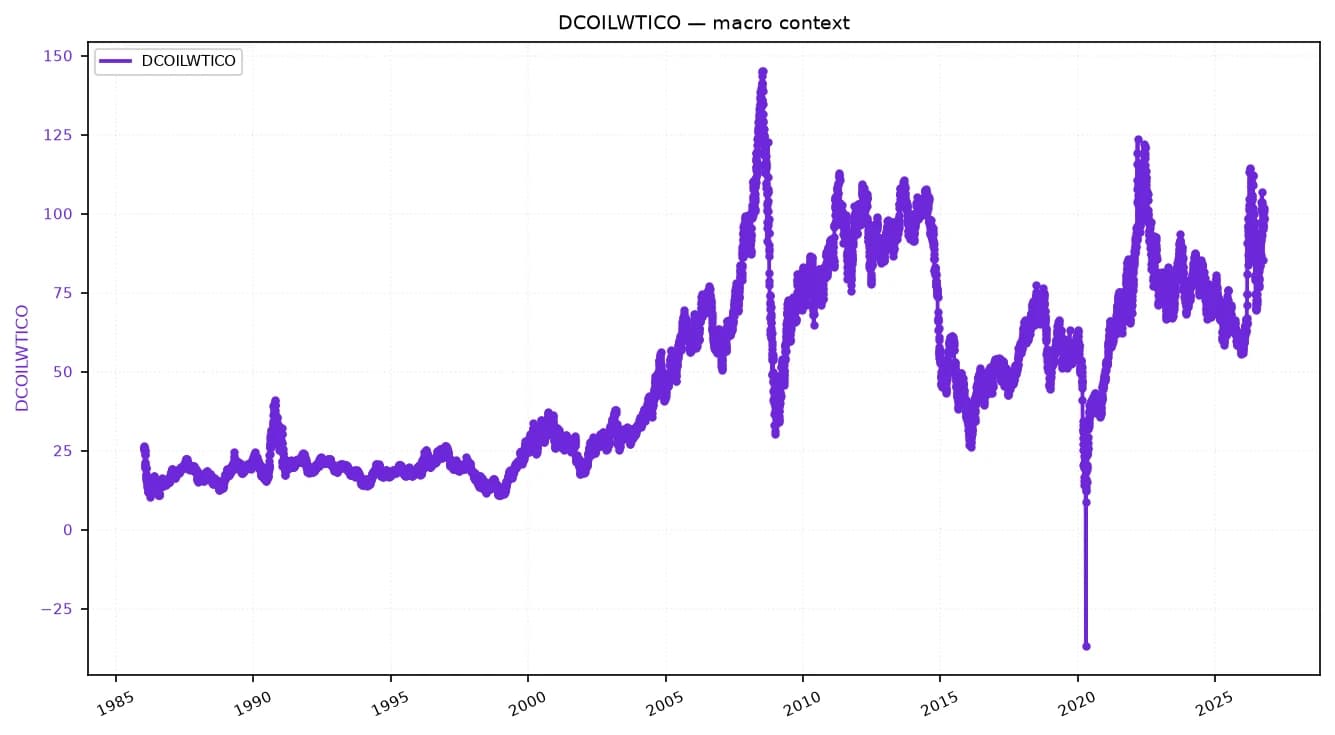
Russian Deputy Prime Minister Alexander Novak said the world is “practically” exhausting the ability to use its oil and petroleum-product reserves, a statement that underscores how tight the system has become from the wellhead to the tanker fleet. For investors, the key point is not the rhetoric itself but the market backdrop behind it: Brent-linked pricing has stayed elevated, U.S. crude has recently been forecast around $102.53 a barrel, and the energy trade is still absorbing disruptions in shipping, refining and geopolitics rather than returning to normal.
Sentiment IndicatorsⓘProprietary · adalytica.com · October 21, 2026
This is a snapshot — live sentiment, awareness and momentum for 130+ markets update continuously in the dashboard.Open AlphaPulse
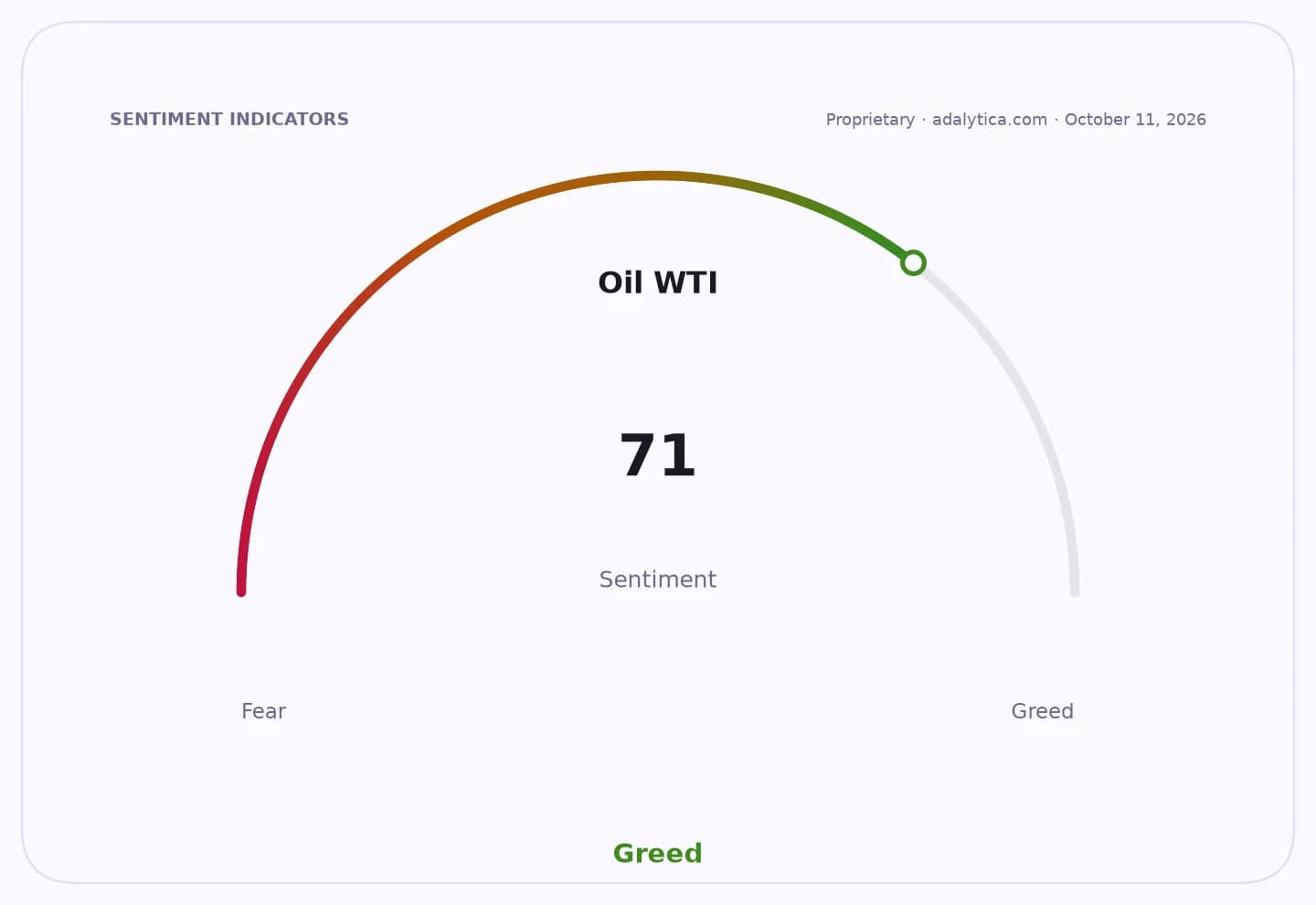
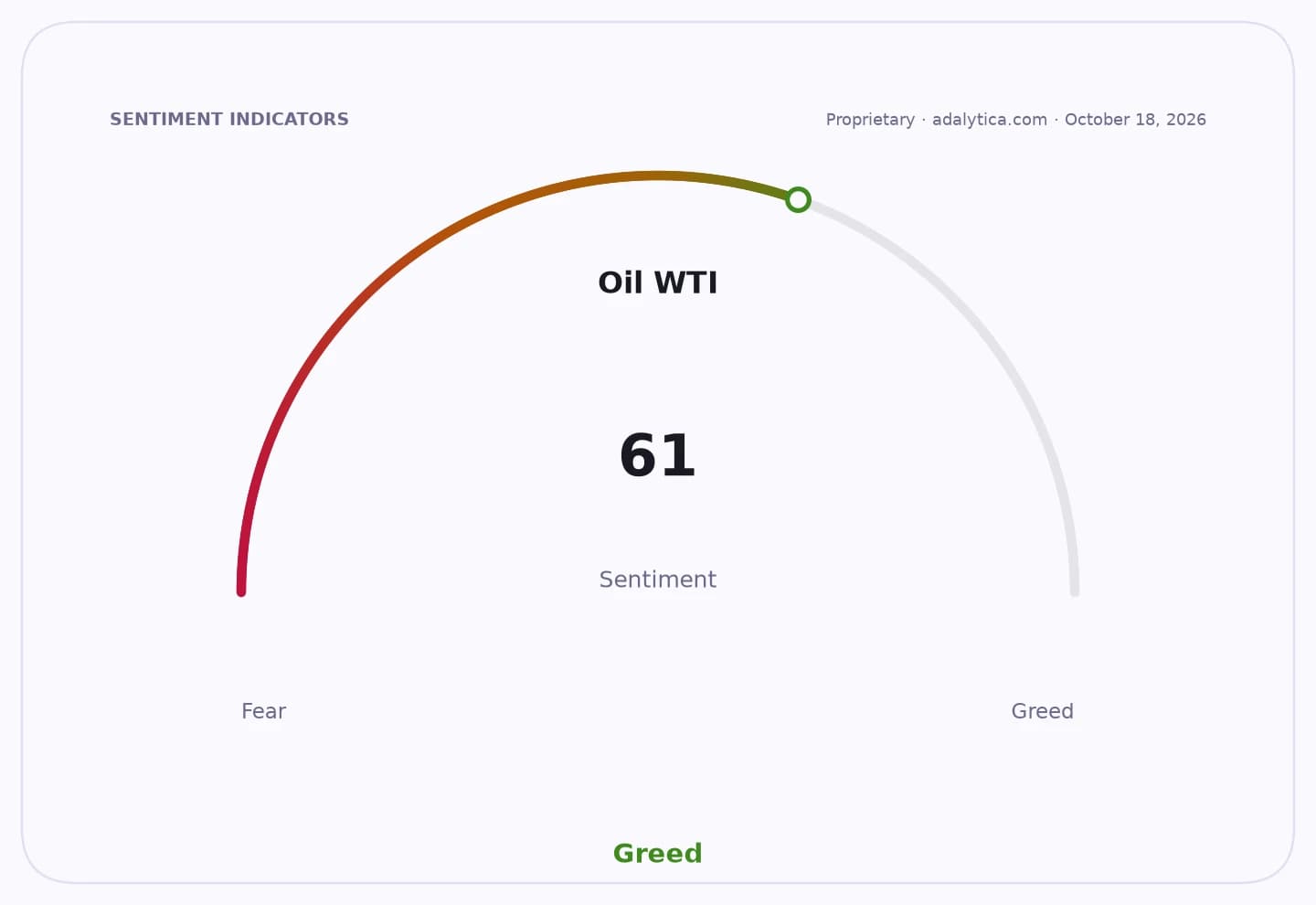
That tension is showing up across oil-related assets. The U.S. Oil Fund, USO, closed at 160.61 on Oct. 20, holding well above its 50-day and 200-day moving averages, while the Energy Select Sector SPDR, XLE, ended at 67.97, also comfortably above both trend lines. In other words, the market is still pricing an energy shortage story, not an oversupplied one. Even Adalytica’s Oil WTI trade snapshot shows fear rather than complacency, with sentiment at 29 and down sharply over the past week and month.
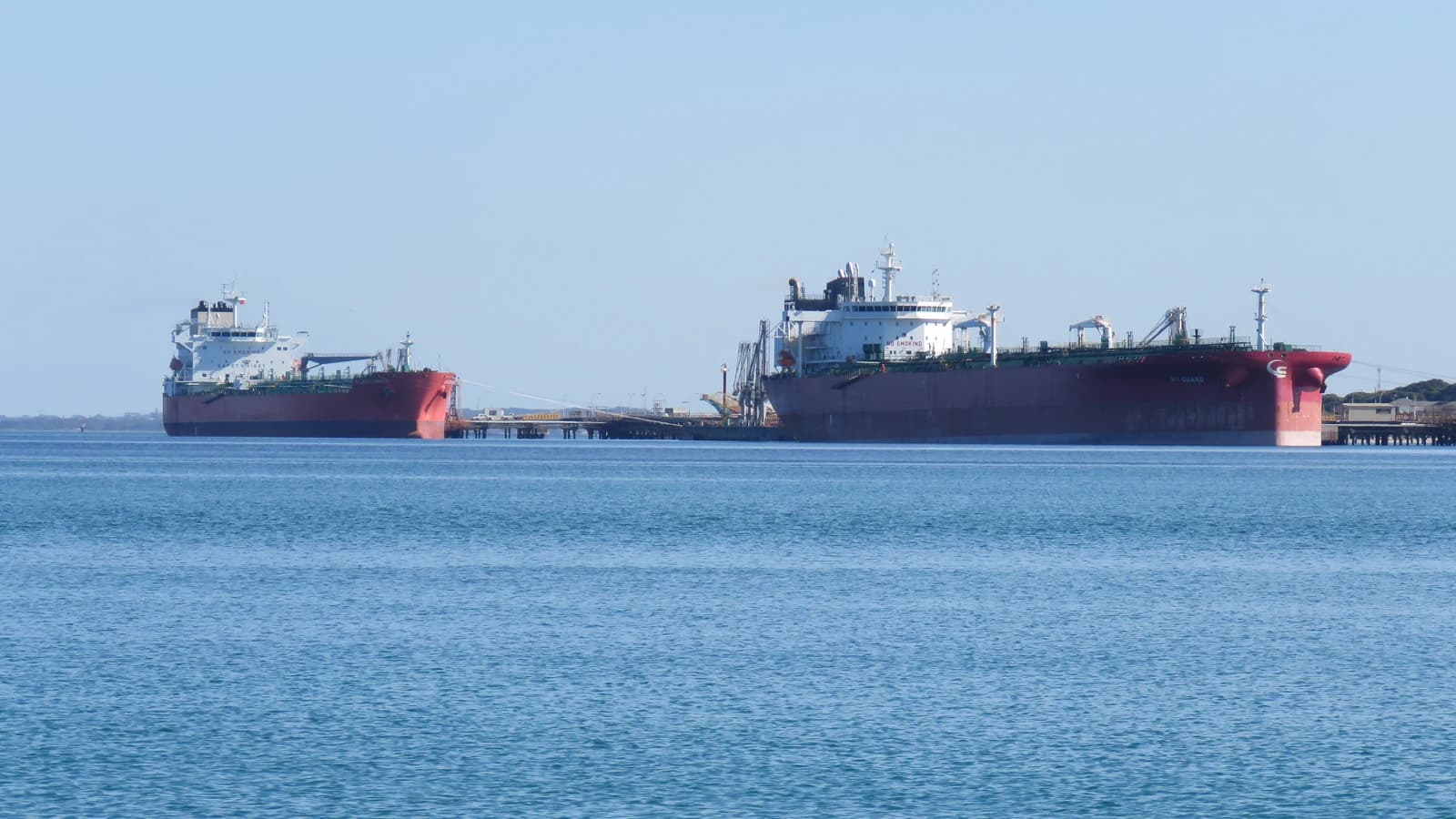
The supply picture remains messy. A separate news context points to Washington authorizing the conversion of sanctioned “dark-fleet” tankers to legal crude carriers, a sign that shipping capacity is still a bottleneck. At the same time, tanker rates have surged in the Strait of Hormuz, and diesel shortages are expected to linger until at least 2027. Russia’s renewed diesel exports may ease some pressure, but not enough to erase the broader constraint on global product availability.
For long-term investors, this is exactly the kind of environment that rewards discipline over prediction. Tight supply tends to support integrated oil companies, refiners and energy infrastructure businesses with strong free cash flow, while squeezing importers, airlines and other fuel-intensive users. Chevron and other large producers have been able to raise output and keep capital returns in focus, but their earnings still depend on a volatile commodity backdrop that can change quickly if logistics improve or demand softens.
The bigger lesson is that oil is still a geopolitical market as much as an industrial one. When spare capacity, tanker availability and refining flexibility all look limited at the same time, price shocks can persist far longer than investors expect. For diversified portfolios, energy remains worth watching, not because it is always cheap or fashionable, but because the combination of constrained supply and durable demand can keep cash flows resilient for years.
| Entity | Gains | Losses |
|---|---|---|
| Oil producers | ▲Higher pricing power | ▼Consumers facing higher fuel costs |
| Refiners and tanker operators | ▲Stronger margins, tighter shipping markets | ▼Importers and fuel users |
| USO and XLE holders | ▲Support from elevated oil prices | ▼Consumers and airlines |
| Fuel importers | ▲Temporary relief from added supply | ▼Exposure to persistent shortages |