Brent crude barely moved even as Washington weighed whether to ease sanctions on the tanker “shadow fleet,” a policy shift that could loosen one of the oil market’s tightest logistical bottlenecks without necessarily changing the supply picture much.
Brent crude steady as US weighs tanker sanctions easing
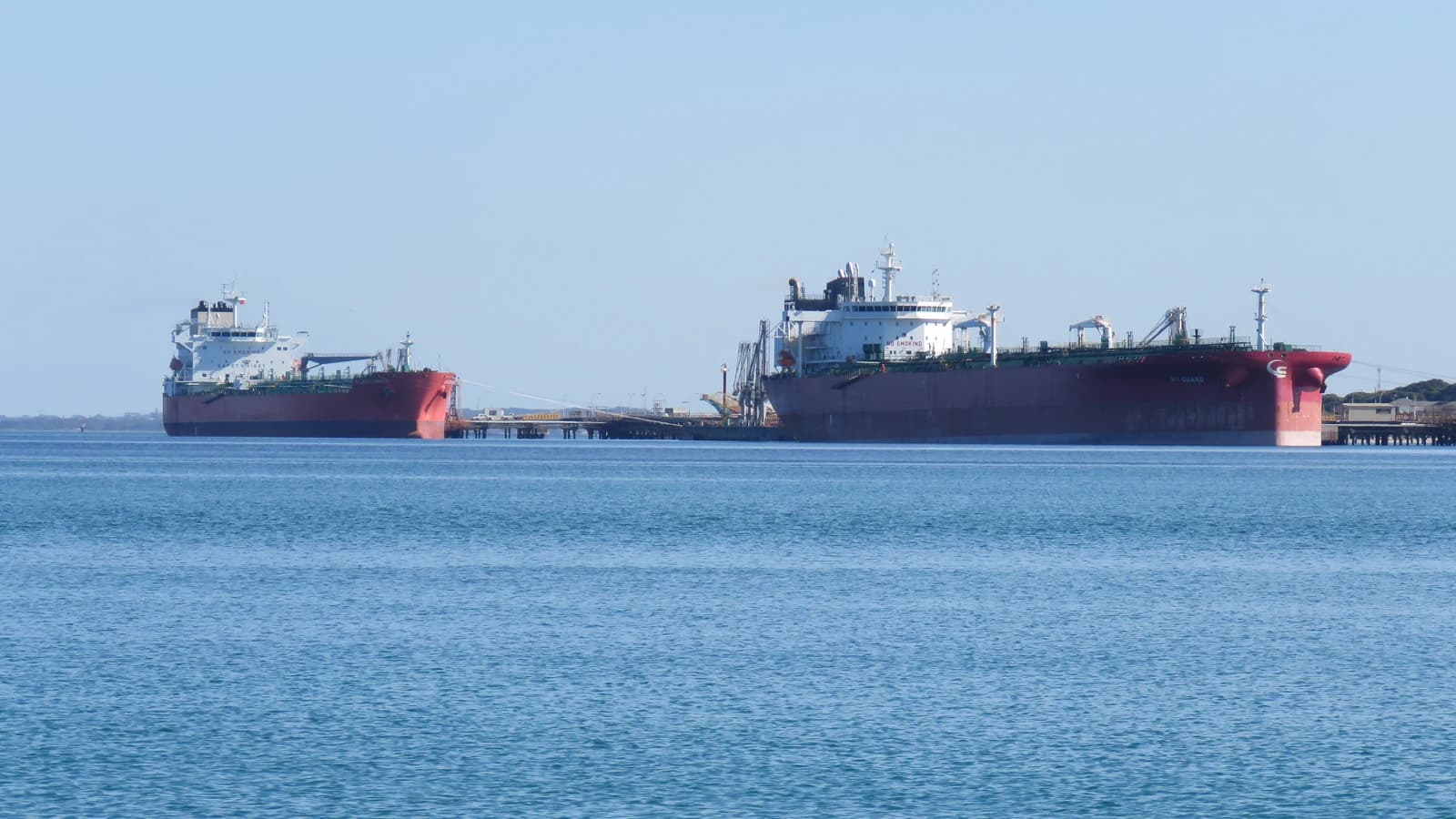
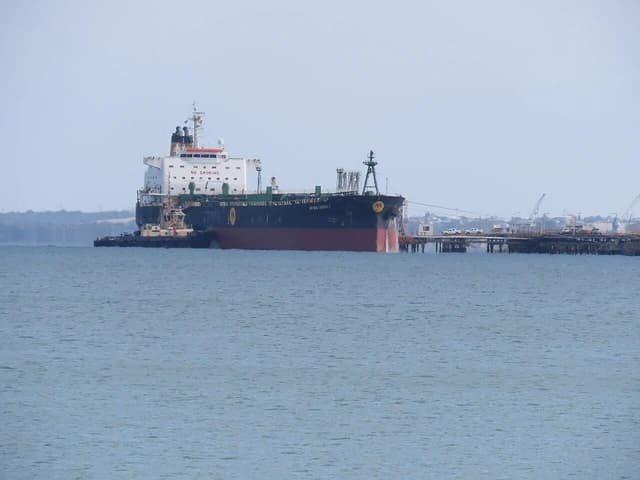
That is why the move matters: freight capacity, not just barrels, has become a price lever in global energy markets. If the US allows more vessels on the sanctioned fleet to carry legal cargoes, it could trim shipping costs at the margin and ease some bottlenecks in moving crude and refined products. But it would also underscore how sanctions policy is now being used as a pressure valve for an overheated oil system rather than a clean geopolitical tool.
Sentiment IndicatorsⓘProprietary · adalytica.com · October 18, 2026
This is a snapshot — live sentiment, awareness and momentum for 130+ markets update continuously in the dashboard.Open AlphaPulse
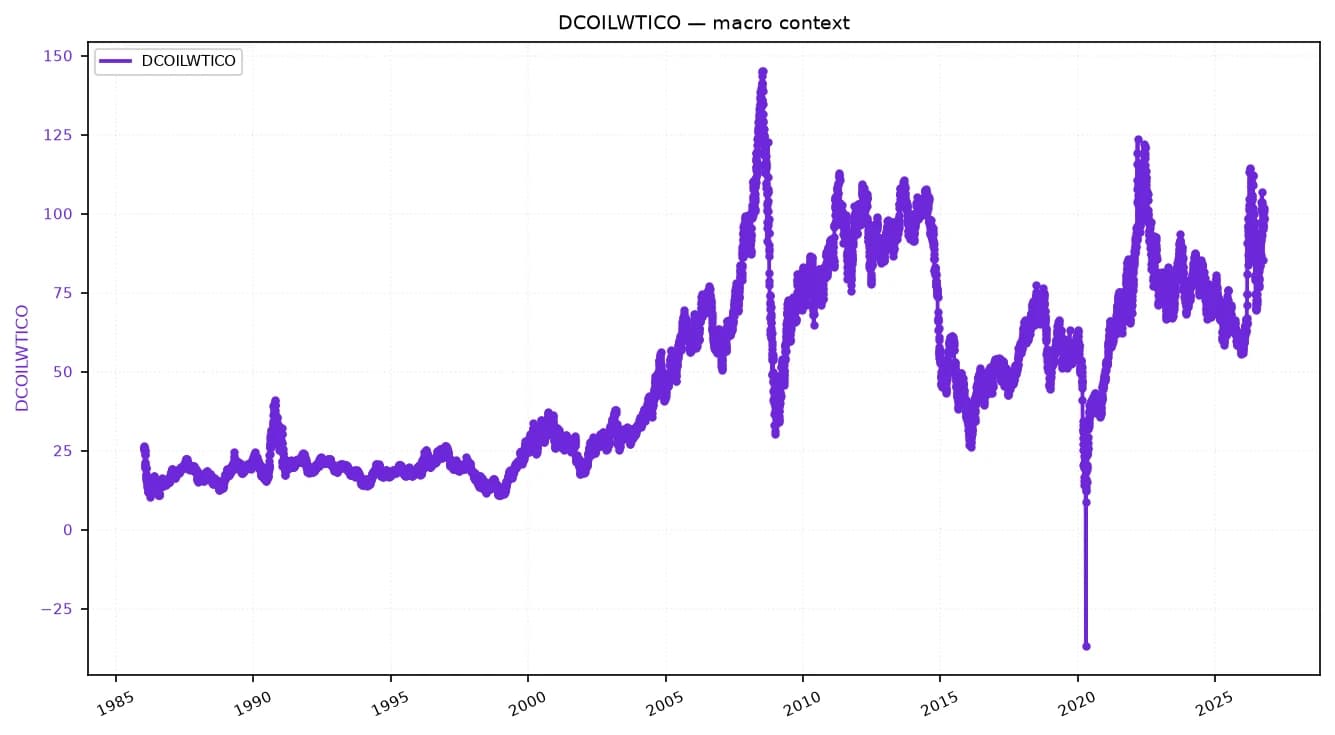
Brent settled down 14 cents at $105.92 a barrel, while US West Texas Intermediate jumped 3% to $97.97 after a much larger-than-expected US crude stock draw. The Energy Information Administration said crude inventories fell by 8.6 million barrels last week, far more than the 288,000-barrel decline analysts had expected, reinforcing the view that physical balances remain tight.
The policy debate comes just days after President Donald Trump temporarily lifted sanctions on Russian diesel fuel to curb a global price spike. Now the discussion has broadened to whether Washington should allow “legal oil” to move on vessels that had previously been blacklisted. The Energy Department said any easing would not help Russia move oil or oil products, but markets will read the move as another sign that sanctions enforcement is becoming more flexible as inflation and fuel costs bite.
At the same time, geopolitics is still keeping a floor under crude. Escalating conflict in the Middle East, fresh ship attacks near the Strait of Hormuz and renewed Ukrainian strikes on Russian refineries all argue against a sharp pullback in prices. The market is effectively being pulled in opposite directions: easing restrictions on tankers could improve logistics, but renewed disruption risks are keeping traders unwilling to fade crude aggressively.
For investors, the key point is that oil is no longer being driven only by OPEC, demand growth or inventory data. Shipping chokepoints, sanctions enforcement and emergency reserve releases are now just as important. That favors nimble positioning in energy, tanker, and commodity-linked assets rather than a simple bet on lower crude.
Oil ETFs and producers with stronger balance sheets can still work in a volatile tape, but the bigger opportunity may be in the infrastructure side of the trade. If the shadow fleet is partially reabsorbed into legal trade, the beneficiaries are likely to be operators that can move compliant barrels efficiently, while high-cost and noncompliant shipping capacity could lose pricing power.
The market underestimates how much of the next oil cycle will be decided in the freight market. If Washington keeps relaxing sanctions to manage prices, Brent may stay range-bound near elevated levels, but the real winners will be those positioned for persistent logistical tightness, not a clean collapse in crude.
| Entity | Gains | Losses |
|---|---|---|
| US refiners | ▲Cheaper crude logistics | ▼Less pricing leverage on products |
| Tanker operators | ▲Higher legal utilization | ▼Sanctioned vessels excluded |
| Oil importers | ▲Easier cargo flow | ▼Less chance of supply squeeze profits |
| Russia | ▲Limited breathing room | ▼Tighter sanctions scrutiny |