Germany’s surprise show of support for Kyiv underscores that the war is not settling into a frozen conflict but remaining an active geopolitical shock for energy markets, European security and risk assets.
Germany Visit to Kyiv Keeps War Risk Bid
Chancellor Friedrich Merz’s arrival in Kyiv with Economy Minister Katherina Reiche came just as Moscow warned foreigners to stay away from the Ukrainian capital and renewed strikes hit bridges, power infrastructure and the city itself. The timing matters because every escalation keeps pressure on Europe’s growth outlook, raises the odds of tighter sanctions and reinforces the market’s bid for war hedges such as oil and gold.
The clearest investment signal is that the conflict is still feeding a durable risk premium into commodities. USO, the oil ETF, has been volatile but remains far above where it traded earlier in the year, while gold has also retained a powerful safe-haven bid even after a pullback. That is exactly what you expect when investors are pricing not just battlefield risk, but the possibility of wider disruption to energy flows, transport routes and European industry.
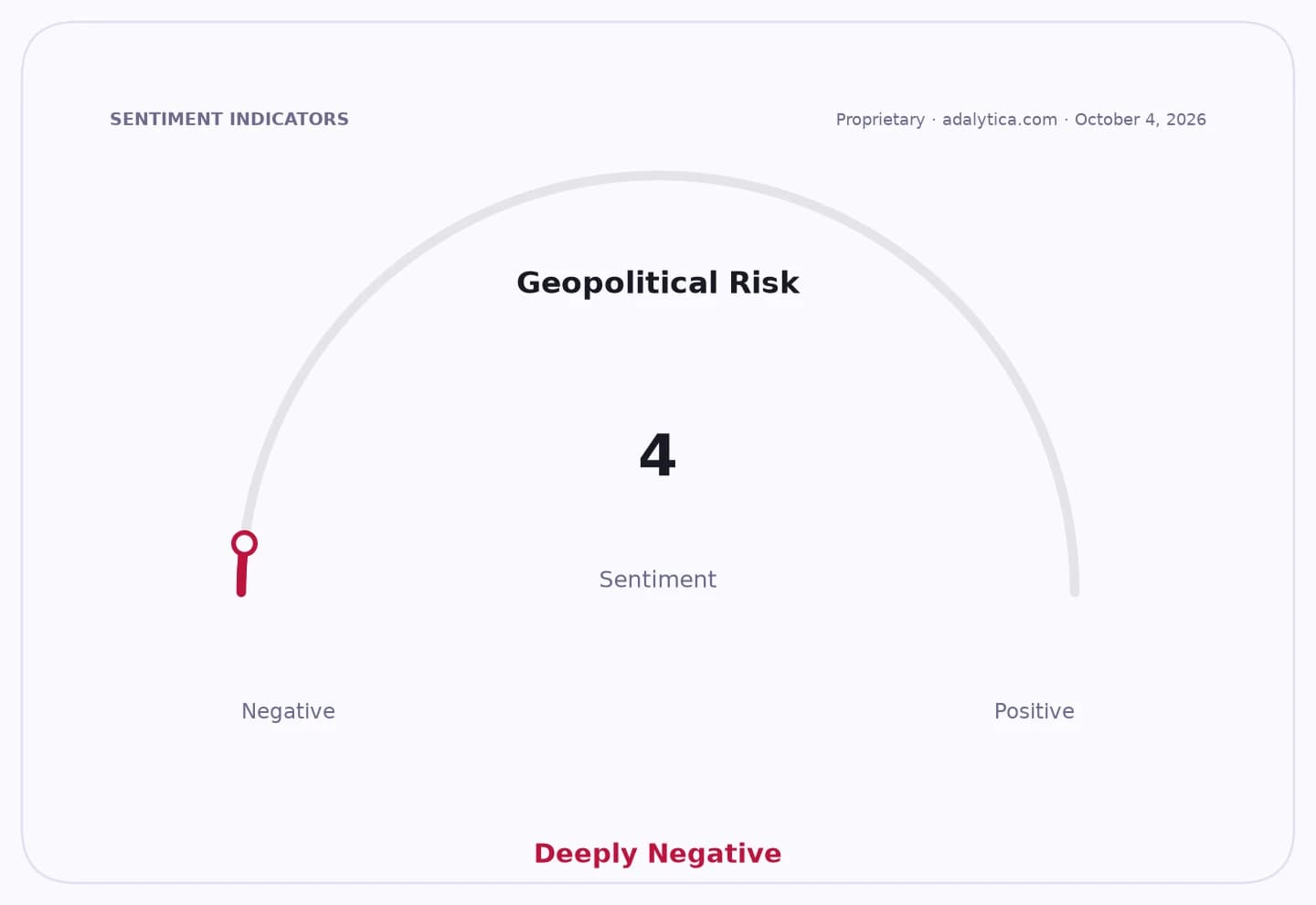
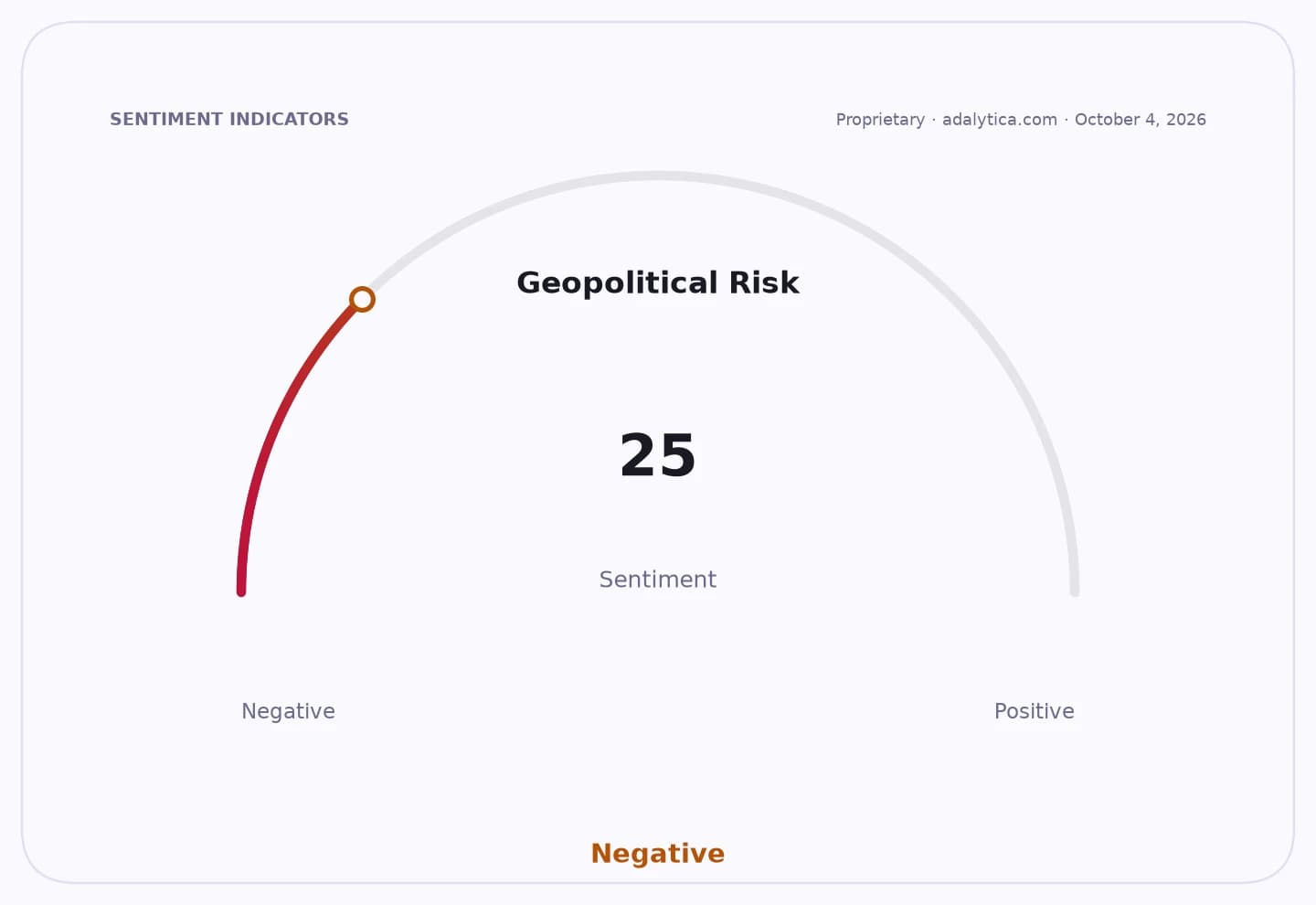
Technically, USO is still holding well above its 200-day moving average, a sign the broader uptrend in oil has not broken even after recent weakness. Gold has slipped from its highs and is trading below its 50-day moving average, but that does not erase the bigger point: the metal is still sitting near elevated levels, and proprietary Adalytica sentiment readings show global stability at “Fear” and gold sentiment at “Extreme Fear.” In plain English, investors are not yet pricing peace.
Geopolitical Risk vs USOadalytica.com
Explore this data interactively — full history, time series and cross-market comparisons.Open AlphaPulse
That is why Merz’s visit is more than symbolic diplomacy. Germany is one of Ukraine’s key backers, and Berlin’s presence in Kyiv signals that European support is still being institutionalized even as the war drags on. For investors, that means defense spending, air-defense procurement, energy-security capex and sanctions enforcement remain live themes, while any fresh damage to Ukrainian infrastructure keeps the case open for commodities and defense suppliers.
The market underestimates how persistent this setup can be. Russia is pressing attacks deeper into Ukraine, Europe is still uneasy about spillover risk, and the diplomatic track remains stalled. As long as that holds, the trade is not to fade the war premium too aggressively. The better play is to stay positioned in energy exposure, gold, defense and infrastructure names that benefit when geopolitical instability becomes a recurring feature rather than a headline event.
| Entity | Gains | Losses |
|---|---|---|
| Oil producers / USO | ▲War premium, tighter supply fears | ▼Demand-sensitive industries |
| Gold / GLD | ▲Safe-haven flows | ▼Risk-on assets |
| Defense contractors | ▲Higher procurement demand | ▼Peace-dividend trades |
| Ukraine / Germany | ▲Allied support, policy backing | ▼Energy infrastructure under attack |