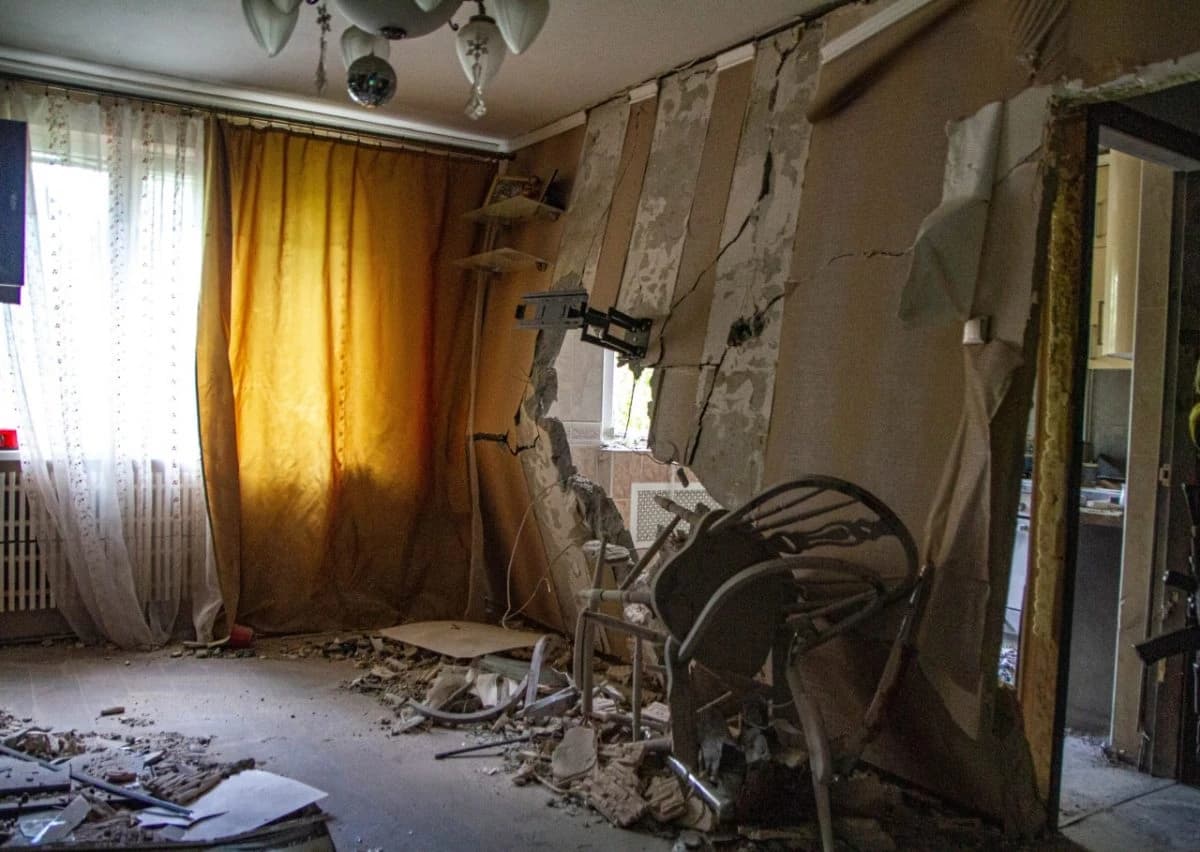
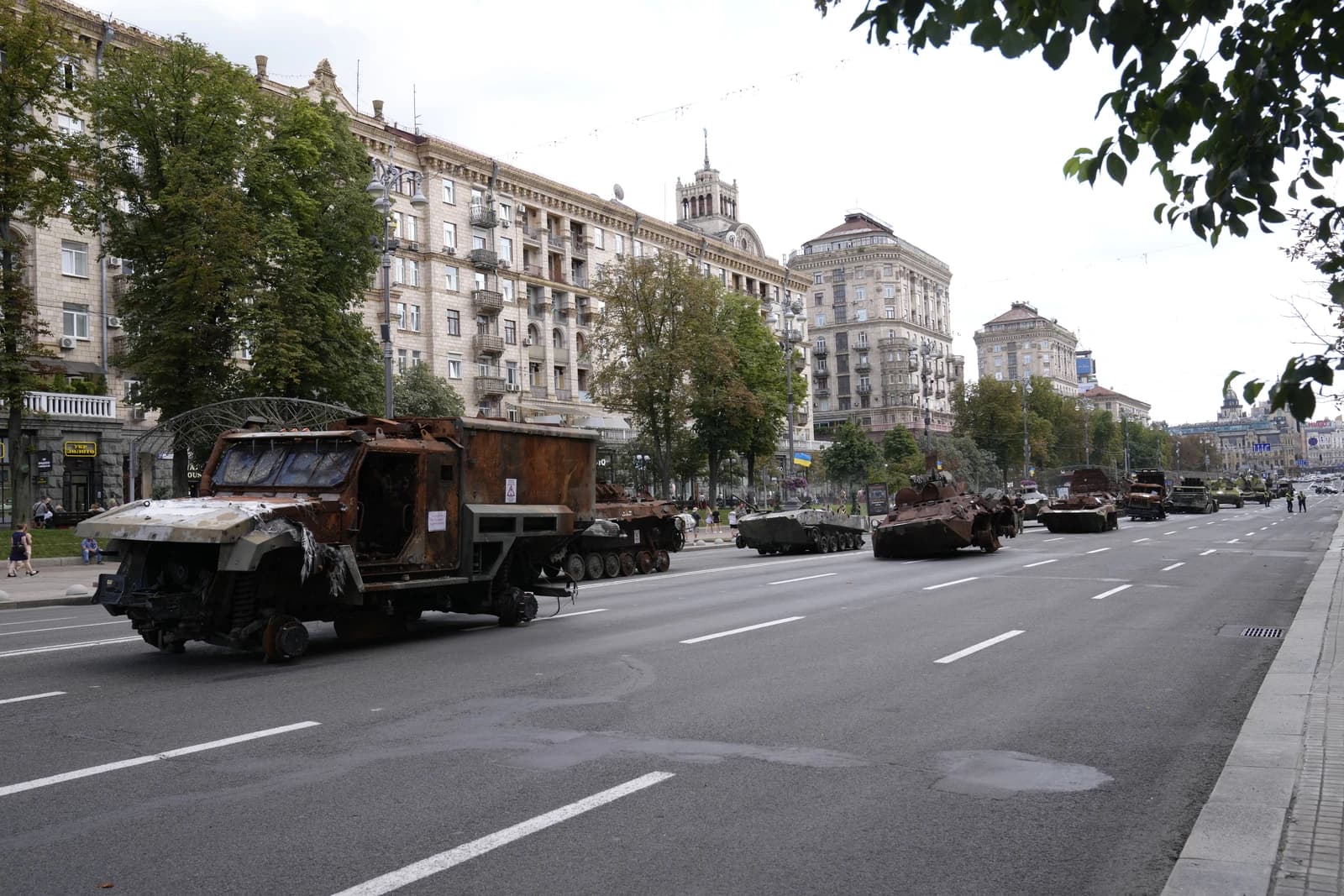
Russia’s attack on a bridge in Kyiv as German Chancellor Friedrich Merz arrived underscored how the war is increasingly targeting the infrastructure that keeps the Ukrainian capital moving, while Europe moves to harden Ukraine’s defenses and rebuild its military-industrial base.
Germany, Ukraine Defense Deal After Kyiv Bridge Strike
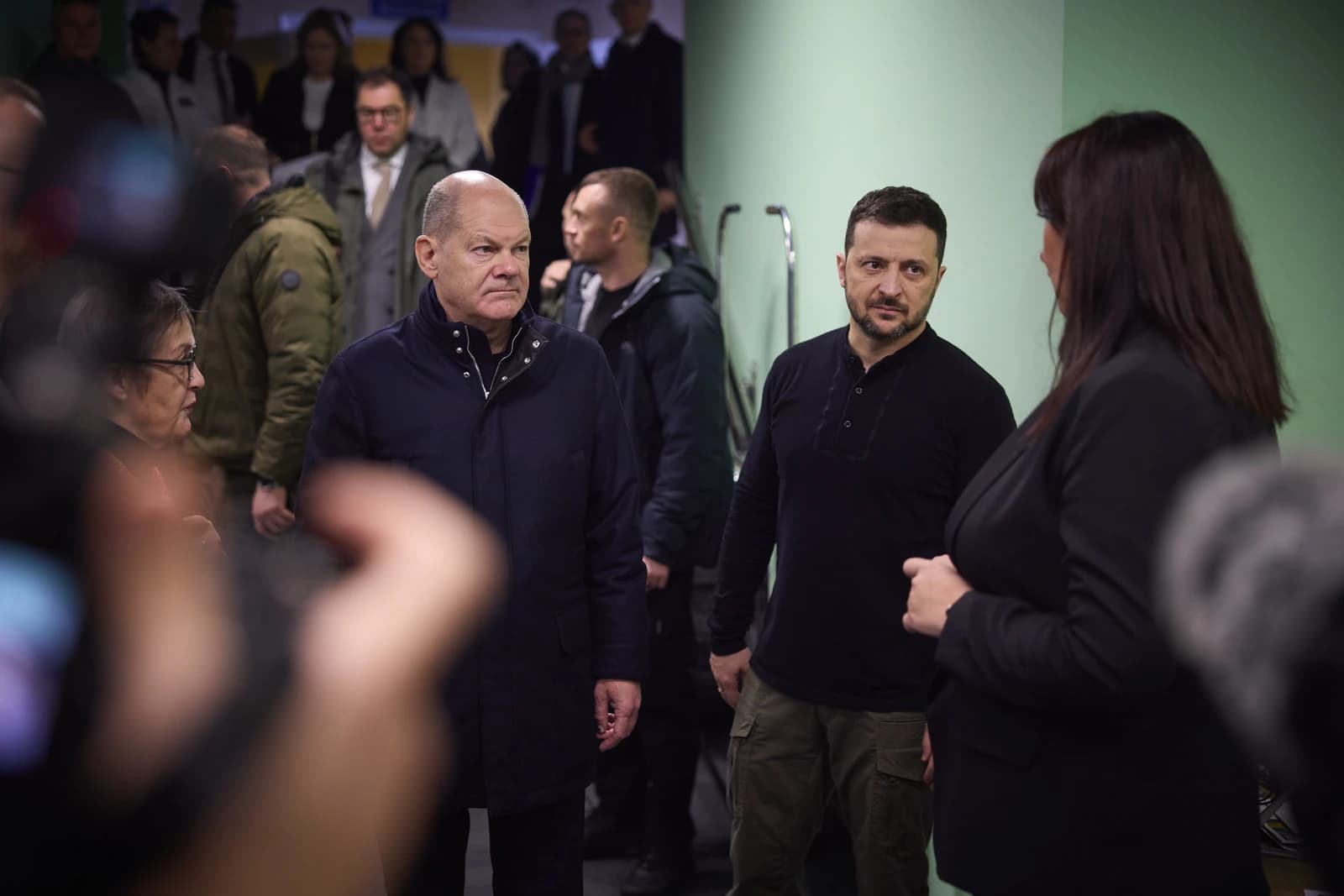
The strike on the Northern Bridge over the Dnipro damaged a key transport link and briefly disrupted traffic just as Merz landed in the city with Economy Minister Katherina Reiche and executives from Siemens Energy, Hensoldt, Diehl Defence and Quantum Systems. The timing sharpened the political message of the trip: Berlin is not only pledging continued support, but is also leaning into direct industrial cooperation to help Ukraine replace imported weapons with domestic production.
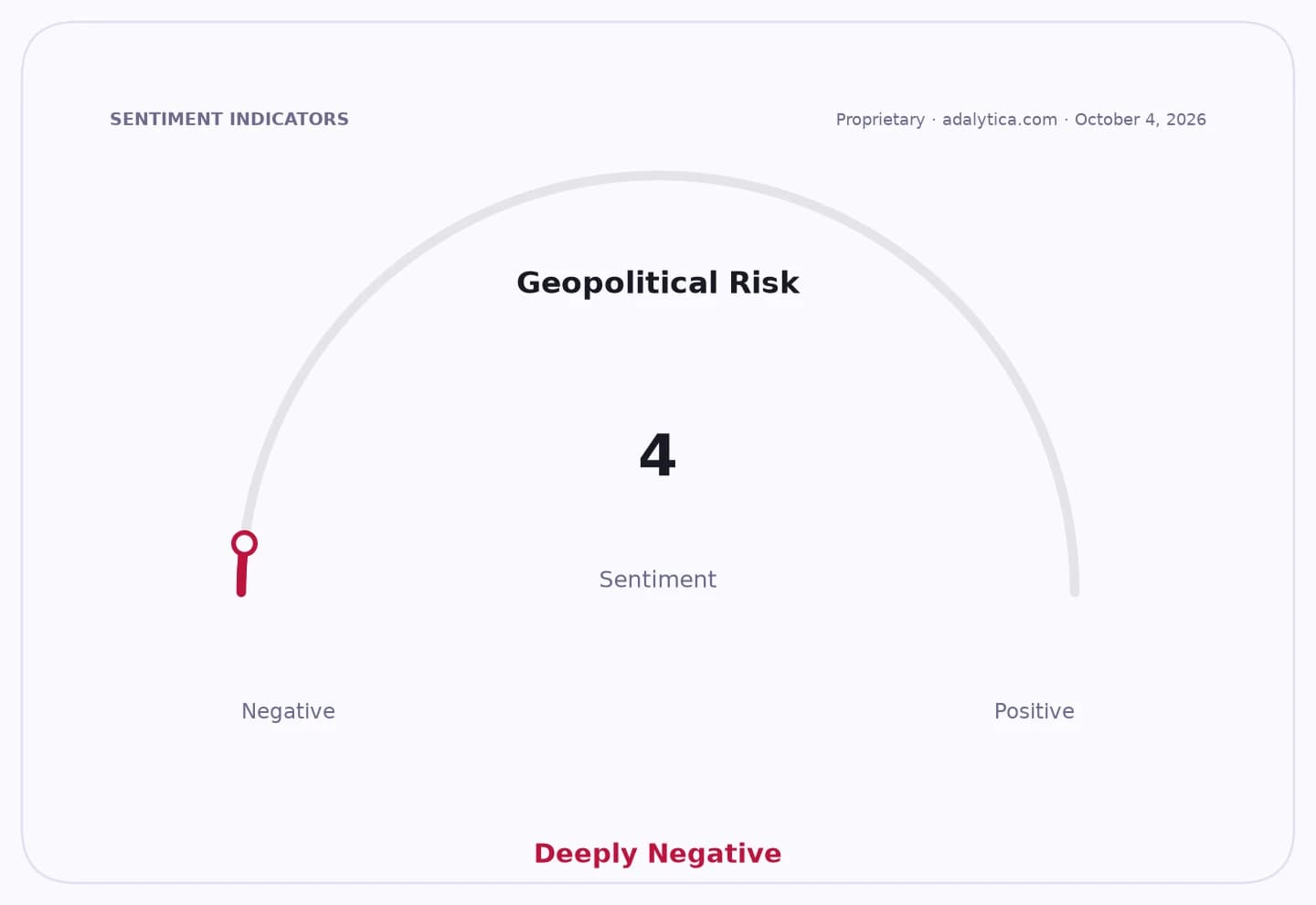
Sentiment IndicatorsⓘProprietary · adalytica.com · October 4, 2026
This is a snapshot — live sentiment, awareness and momentum for 130+ markets update continuously in the dashboard.Open AlphaPulse
That matters economically because Russia’s campaign against bridges, power assets and urban infrastructure is aimed at raising the cost of daily life, logistics and wartime governance in Ukraine. Repeated attacks on crossings in Kyiv complicate civilian movement, military transport and emergency response, while also increasing the need for repairs, air defenses and hardening of critical assets. For an economy already under strain, every strike adds to public spending needs and widens the gap between available resources and the demands of a protracted war.
Merz said Germany was in Kyiv because Ukraine needs “all our support” in the coming weeks and warned that Russia’s war machine could eventually turn against Europe if unchecked. Behind the rhetoric is a growing industrial logic: Kyiv said it is close to finalizing a deal with Germany to produce drones, missiles and related software, with a particular focus on anti-jet drones tested by Quantum Systems. Officials said broader cooperation would channel money and technology into Germany as well as Ukraine, with weapons production and counter-drone defenses tied to protecting critical infrastructure.
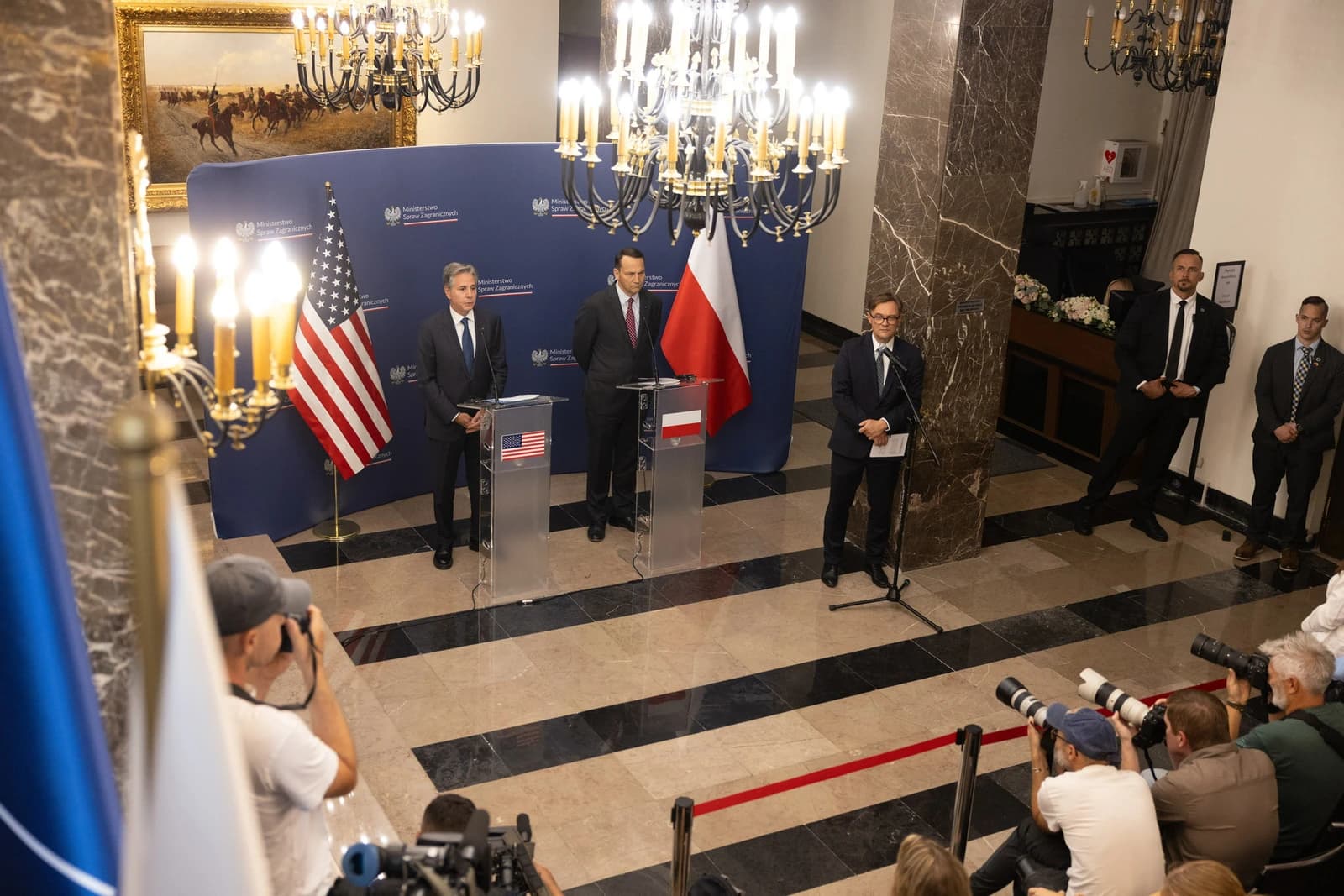
The visit also highlighted Europe’s role as Ukraine’s principal war financier and supplier as Washington tries to keep peace talks alive. Kyiv says it still faces a $27 billion defense budget shortfall this year, underscoring why deeper European industrial involvement matters. If Germany and its defense suppliers can help scale local production, Ukraine reduces dependence on fragmented foreign deliveries and gains faster replenishment of the systems most needed for 2027 and beyond.
For investors, the clearest read-through is not just geopolitical risk but the likelihood of more sustained demand for European defense, energy-security and counter-drone equipment. The delegation’s composition points directly to potential beneficiaries: Hensoldt, Diehl and Quantum Systems on defense electronics and unmanned systems; Siemens Energy on infrastructure resilience and power-related rebuilding. The flip side is that the longer the war drags on and infrastructure remains a battlefield, the higher the pressure on Ukrainian public finances and the more exposed civilian logistics become.
Market reactions remain sensitive to the broader war backdrop. The euro has been trading in a narrow but fragile range, with technical readings showing it near the lower end of its recent band and momentum still soft, while global risk sentiment has deteriorated sharply in Adalytica’s stability gauge. That combination suggests investors are treating the conflict less as a one-off shock than as a persistent source of European tail risk, with any escalation feeding demand for safe havens and defense-linked assets.
The strategic narrative is becoming clearer: Russia is trying to make Ukraine ungovernable through infrastructure strikes, while Germany and other European partners are responding by turning support into production. If that shift accelerates, the war’s economic center of gravity will move further toward industrial capacity, air defense and reconstruction — and away from the idea that aid alone can keep pace with Moscow’s campaign.
| Entity | Gains | Losses |
|---|---|---|
| Germany’s defense firms | ▲More orders, deeper Ukraine ties | ▼Higher exposure to wartime demand |
| Ukraine | ▲Stronger air defense, local production | ▼More infrastructure damage, fiscal strain |
| Russia | ▲Tactical pressure on Kyiv | ▼Harder European resolve, more sanctions risk |
| European taxpayers/importers | ▲Stronger security posture | ▼Higher defense and reconstruction costs |