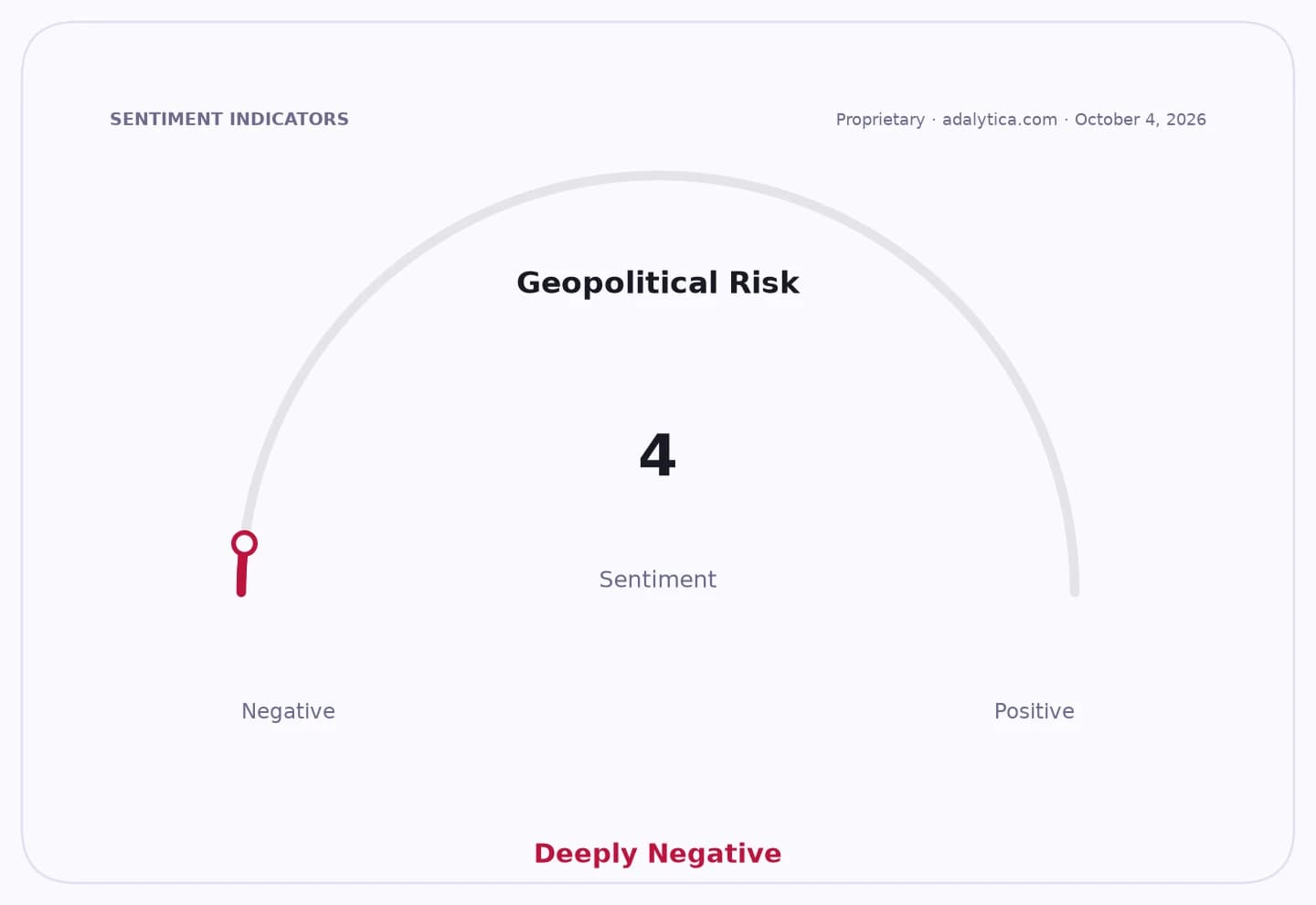
Russia is shifting from grinding gains on the battlefield to a far more expensive form of pressure on Ukraine’s economy, and that matters because it raises the price of the war for Kyiv, Europe and investors watching energy, gold and broader risk sentiment.
Russia Shifts to Infrastructure Strikes on Ukraine
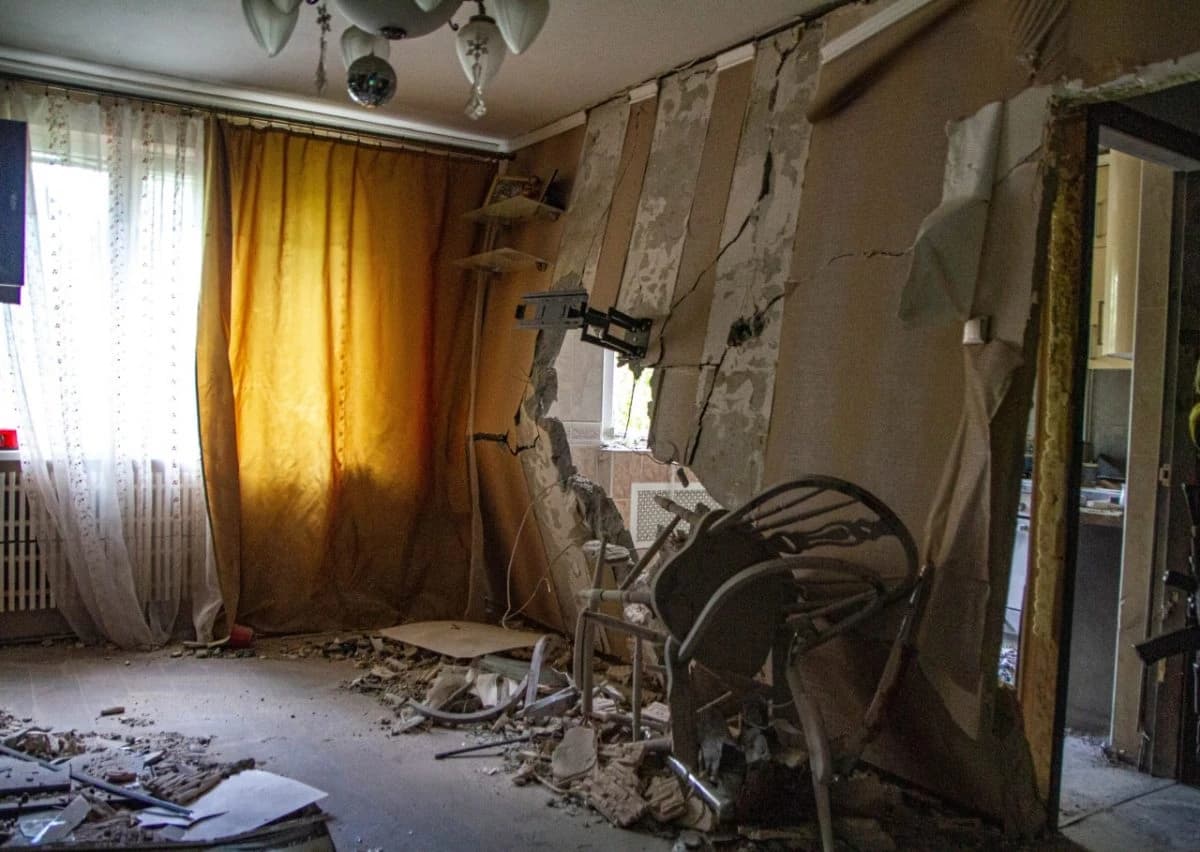
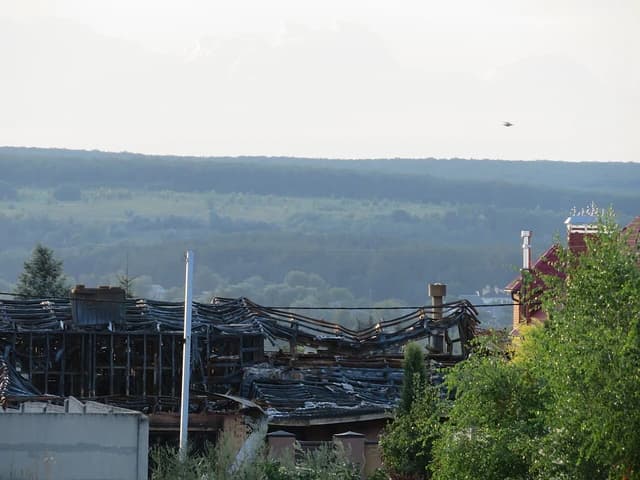
After failing to force a निर्णining breakthrough along the front, the Kremlin is leaning harder on missile and drone strikes against power plants, industrial sites and cities in an effort to make Ukraine harder to finance and harder to live in through the winter. That is the central economic change in the conflict: Moscow appears to believe it can do more damage by hitting the infrastructure that keeps a modern state functioning than by trying to consume territory inch by inch.
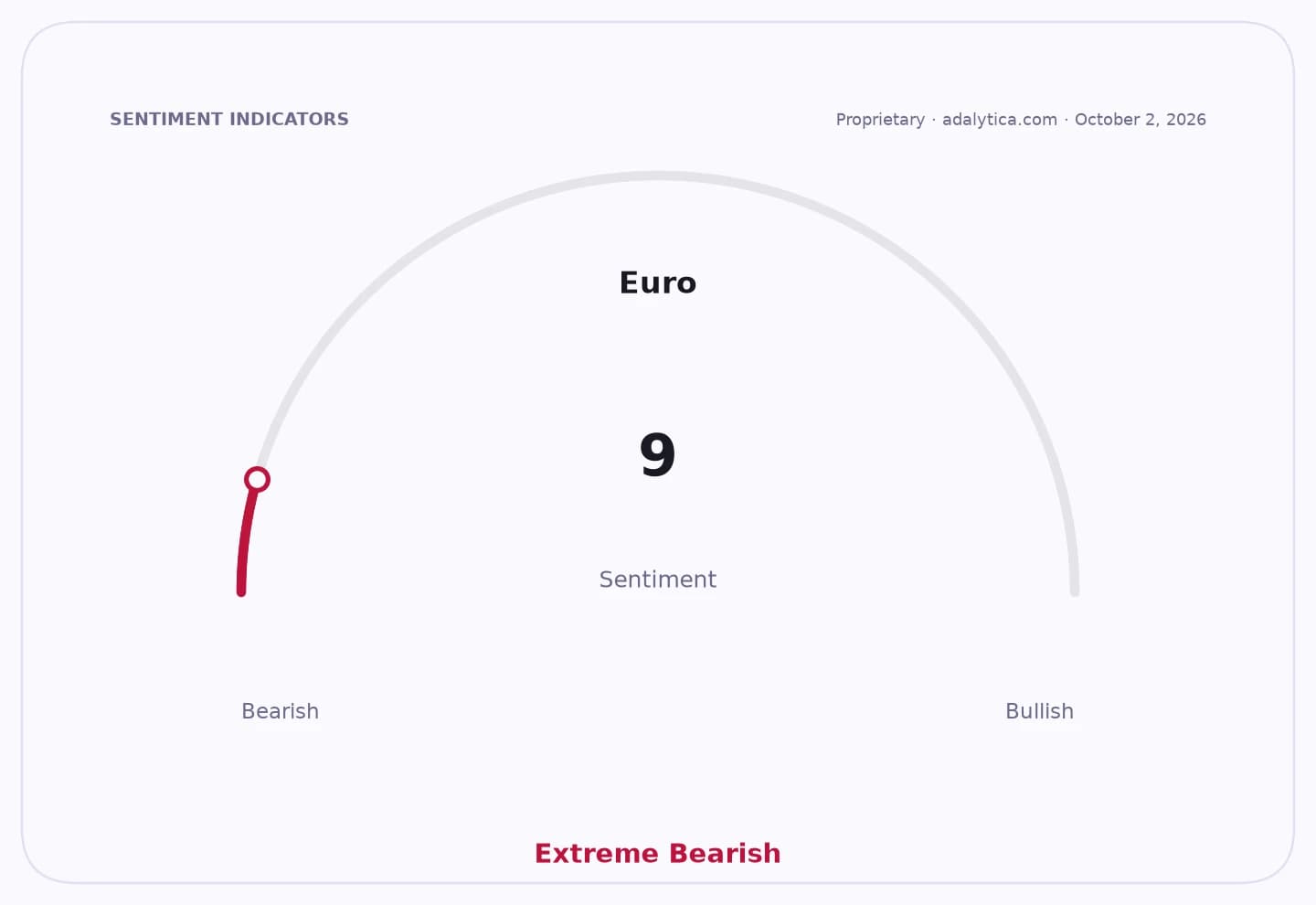
Sentiment IndicatorsⓘProprietary · adalytica.com · October 3, 2026
This is a snapshot — live sentiment, awareness and momentum for 130+ markets update continuously in the dashboard.Open AlphaPulse
The shift is not just military theater. It is an attempt to turn battlefield pressure into budget pressure. Ukraine has to pay for air defenses, repairs to the grid, heat and power, public services and the military all at once. Its finance minister has warned of a funding gap that could reach $78 billion in 2027 if partners do not step up. That is exactly the kind of arithmetic the Kremlin wants to exploit.
For investors, the implications are immediate even if the war itself remains brutally uncertain. More strikes on power and industrial assets mean more demand for air-defense systems, interceptors, generators, reconstruction materials and emergency financing. They also keep alive a broader premium on safe-haven assets and energy security, because every escalation raises the odds of fresh disruptions to European growth and fiscal policy.
Gold has already reflected that anxiety. The GLD exchange-traded fund closed at $380.14 on Oct. 2, well below its 50-day moving average of $396.29 and under its 200-day average of $416.16, but still in a market where geopolitical fear can reassert itself quickly if attacks intensify. Brent-linked oil exposure has also stayed sensitive to the possibility that a wider, longer war could keep energy markets unstable. USO finished at $147.37 on Oct. 2, with the fund still far above its 200-day moving average of $115.17, underscoring how conflict risk can support prices even when momentum cools.
This is why the winter matters so much. Russia does not need to conquer all of Ukraine to change the economics of the war. If it can force repeated blackouts, damage industrial output and drain public finances, it can try to make continued Western support look expensive and politically exhausting. That is the real logic behind the “war of cities”: not territorial conquest, but attrition of a state’s ability to function.
There is a second, less obvious market angle. The fight is increasingly about funding. Europe still holds about 210 billion euros of frozen Russian central bank assets, and the debate over whether and how to use them for Ukraine will only intensify if the Kremlin keeps pressing on civilian infrastructure. Any move to create a steadier financing stream for Kyiv would help blunt Moscow’s calculation that it can outspend the West’s patience.
Still, investors should not read this as a clean Russian advantage. Ukraine’s air defenses are improving, and every missile or drone Russia launches comes with real cost to an economy already carrying the burden of war. Even pro-Kremlin voices acknowledge that air campaigns cannot run forever without strain. The more Russia relies on expensive strikes to make progress, the more it exposes its own limits.
The bigger takeaway is that this war is moving deeper into the realm of endurance investing, not battlefield headlines. The winners are defense contractors, energy-security trades and safe havens. The losers are Ukrainian households, industrial output, European taxpayers and anyone hoping for a quick settlement. For long-term investors, the lesson is simple: keep Ukraine-related risk on the watchlist, stay diversified, and expect the next phase of the war to be fought as much over balance sheets and infrastructure as over territory.
| Entity | Gains | Losses |
|---|---|---|
| Ukraine’s air-defense sector | ▲More demand | ▼Munition shortages |
| Gold and safe havens | ▲Geopolitical bid | ▼If tensions ease |
| Russian strategy | ▲Lower front-line costs | ▼Rising sanctions burden |
| Europe and Ukraine taxpayers | ▲— | ▼Higher funding strain |