The market backdrop shows how sensitive investors are to that policy mix. Nvidia shares rose to $233.95, up from $228.38 two sessions earlier, while Microsoft climbed to $517.53 from $512.90 over the same stretch. The semiconductors ETF SMH also advanced to $630.60 from $609.00, leaving it well above both its 50-day and 200-day moving averages. Those moves reflect not just enthusiasm for earnings power, but confidence that AI spending remains structurally supported by policy and public-sector demand.
By contrast, smaller and more speculative AI names remain far more fragile. C3.ai, which trades under the ticker AI, closed at $11.01 after spending much of the year below its 200-day moving average, a reminder that the AI trade has been brutally uneven outside the dominant platform and chip suppliers.
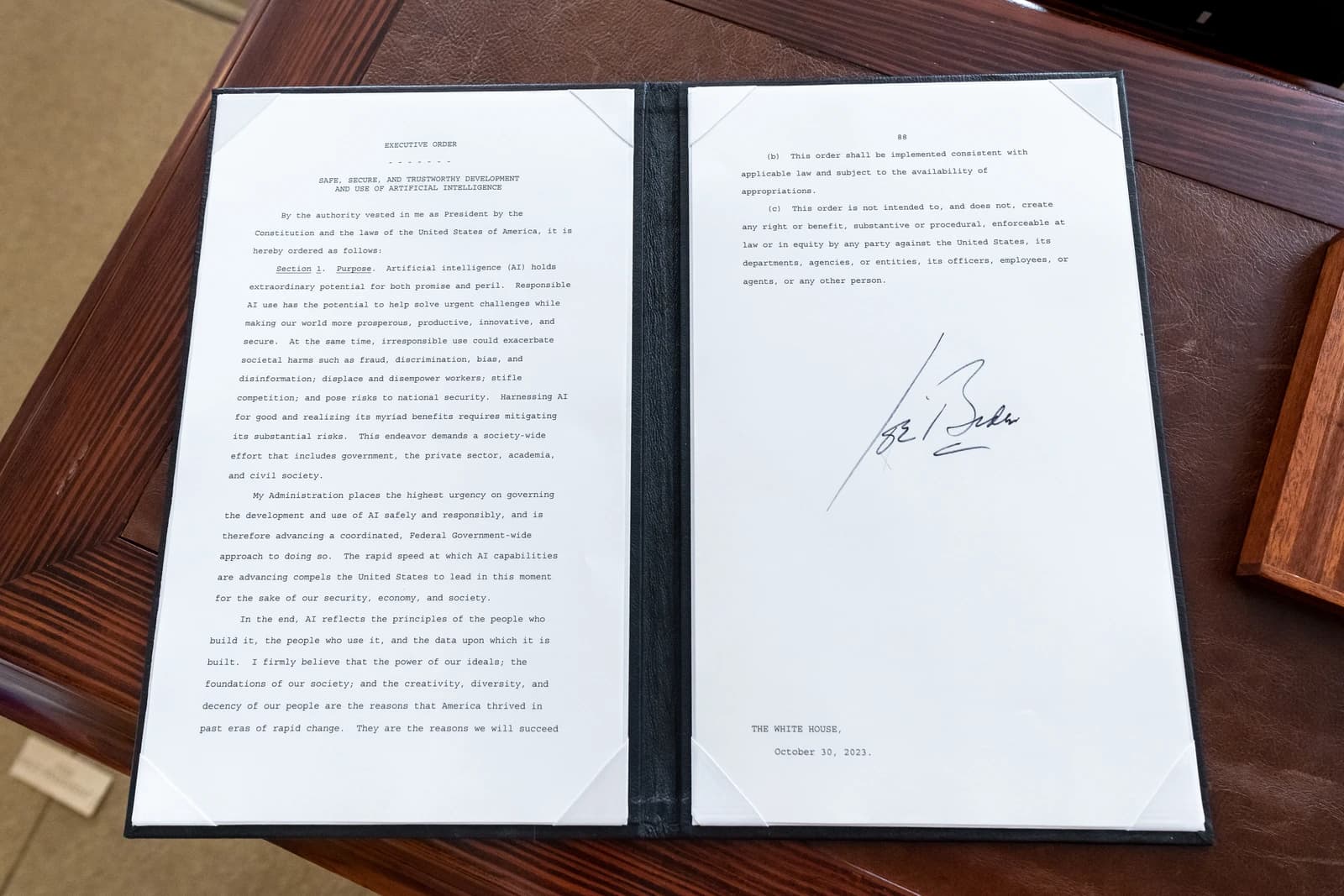
Trump’s move also fits a broader global pattern. Defense spending has surged, and governments from G7 members to Saudi Arabia and the UAE are integrating advanced AI into military and industrial strategy. In that environment, AI leadership is increasingly tied to sovereignty, procurement and supply-chain control rather than just product cycles. For investors, that increases the importance of policy winners: the chipmakers, cloud providers and infrastructure suppliers most exposed to federal demand and strategic backing.
The bull case is that a centralized U.S. AI apparatus speeds deployment, reinforces domestic supply chains and extends the runway for capital spending by hyperscalers and chipmakers. The bear case is that tighter government involvement could bring heavier oversight, procurement distortions or political risk, especially if AI policy becomes entangled with national-security restrictions and cross-border technology controls.
For now, the message from Washington is that AI is a race the U.S. intends to manage more aggressively. Investors will be watching whether the new force translates into faster approvals, larger public-sector contracts and clearer rules for the companies building the backbone of the AI economy.