French President Emmanuel Macron is pressing for a third way in artificial intelligence, urging countries that want strategic autonomy to build an alternative model outside US and Chinese control as governments grow more uneasy about who sets the rules for the technology.
Macron pushes sovereign AI model at UN
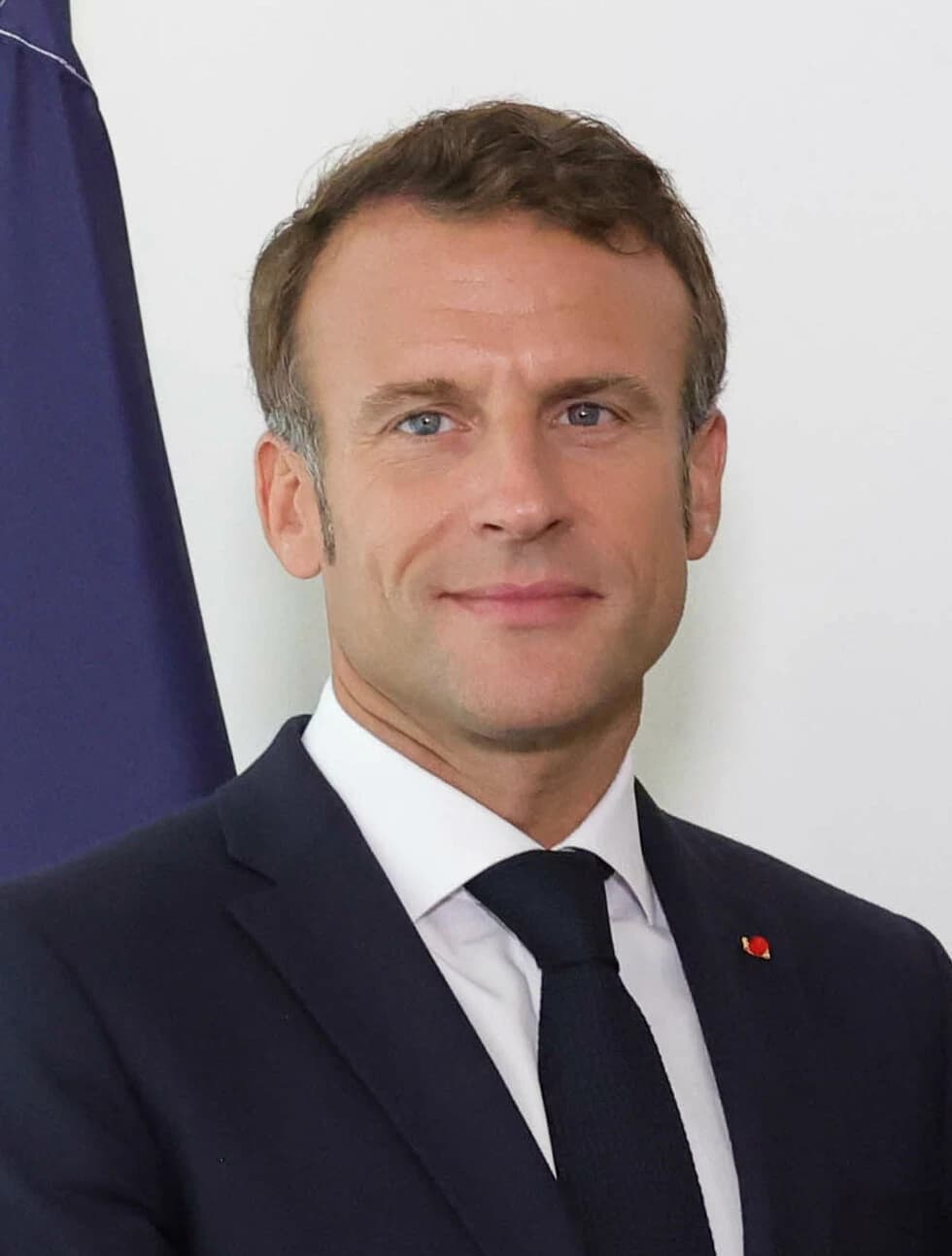
Speaking at the UN General Assembly in New York, Macron called on “independent states” to pool computing power and investment behind an open-source AI model that would not leave them dependent on either superpower. The appeal turns AI from a commercial race into a geopolitical one, with access to chips, cloud infrastructure and model training increasingly seen as national-security assets rather than just tech inputs.
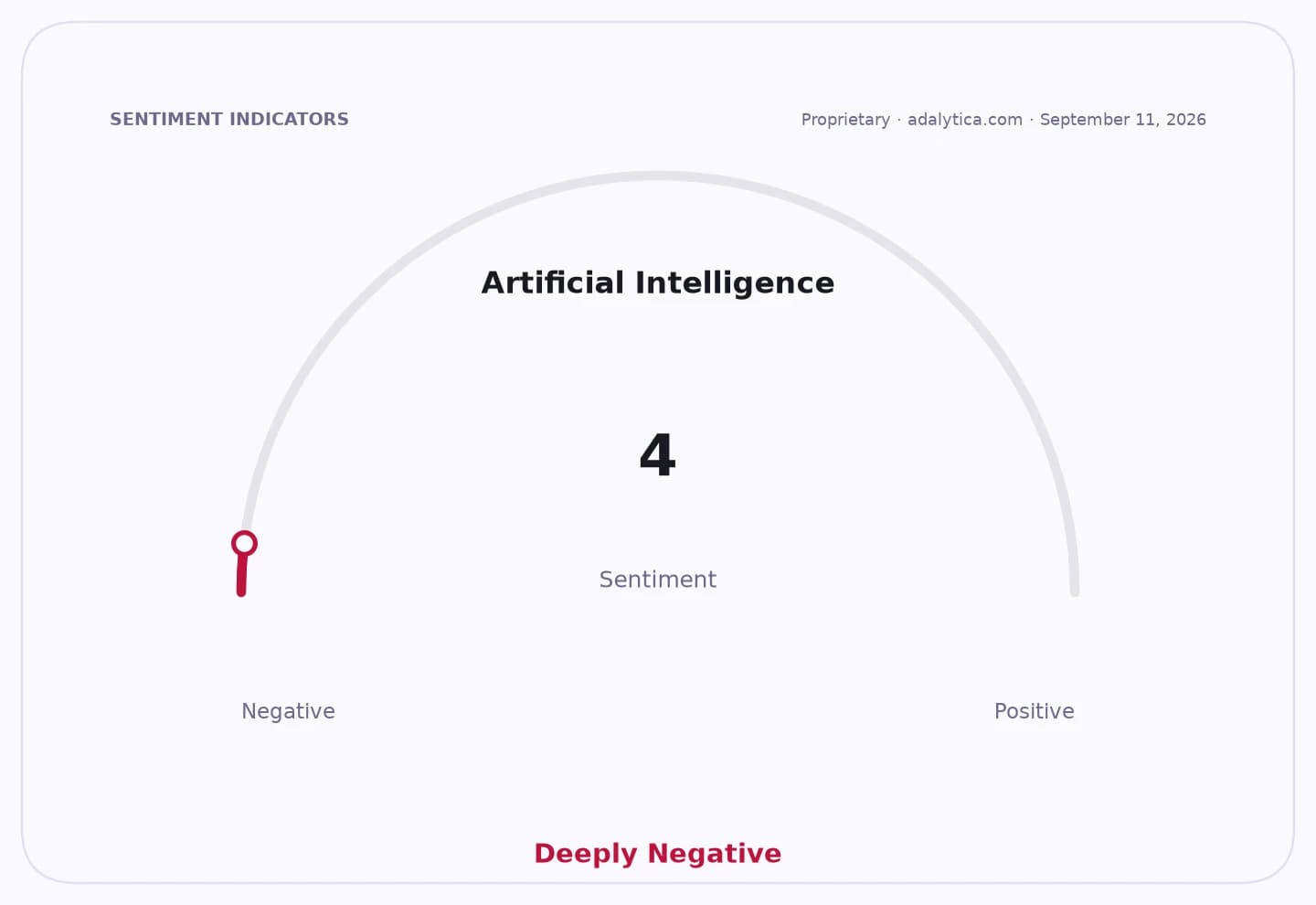
Sentiment IndicatorsⓘProprietary · adalytica.com · September 27, 2026
This is a snapshot — live sentiment, awareness and momentum for 130+ markets update continuously in the dashboard.Open AlphaPulse
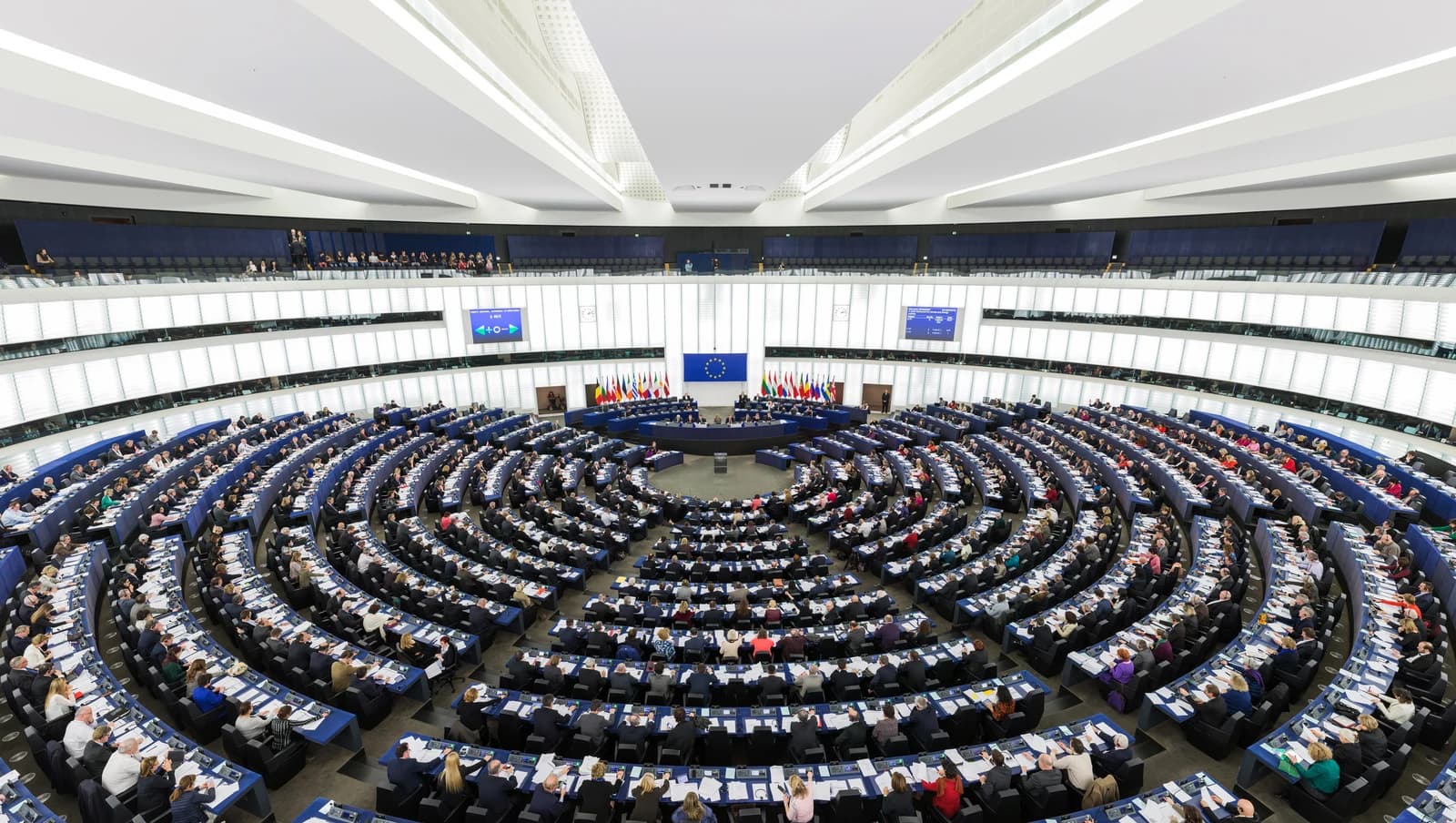
The timing matters because the US has resisted recent demands from 20 countries and the European Union for global AI regulation, including an international monitoring body, underscoring how fragmented AI governance has become. That leaves middle powers in a bind: they want safeguards and sovereignty, but the two dominant ecosystems are still the US-led stack of frontier models and semiconductor supply chains, and China’s fast-moving state-backed alternative.
For investors, Macron’s push reinforces the case that AI is becoming a policy-driven market as much as a technological one. Any serious attempt by Europe and aligned states to build their own open-source or sovereign AI infrastructure would mean more demand for data centers, power, networking equipment and chips — but it could also channel public money away from US hyperscalers and toward domestic champions.
Nvidia, the clearest beneficiary of the AI buildout, remains central to that trade. Its shares closed at $225.07 on Sept. 25, holding above both the 50-day and 200-day moving averages, while its relative strength index sat at 44, suggesting the stock has cooled from earlier highs but remains in an uptrend. Microsoft, another key AI platform name, closed at $516.17, also above its 50-day and 200-day averages. The broader market, tracked by the S&P 500 ETF, ended at $771.35, near record territory.
The bull case for Macron’s vision is that AI infrastructure spending is broadening beyond Silicon Valley and Beijing, creating a second wave of demand from Europe and other nonaligned countries. The bear case is that fragmentation slows innovation, raises costs and leaves smaller economies dependent on open-source tools that still rely on US chips, US cloud capacity and US-designed software stacks.
Macron also used the UN speech to press his broader foreign-policy agenda, backing a two-state solution for Israel and Palestine and calling for moratoriums in the Russia-Ukraine war on attacks against energy and civilian infrastructure, including in the Black Sea to facilitate grain trade. But the AI message was the most economically consequential: the contest over the next technological platform is now being framed as a struggle over sovereignty, supply chains and leverage.
For investors, the key question is whether “sovereign AI” becomes a funding slogan or a real procurement trend. If Europe and its partners move from rhetoric to capital commitments, the winners are likely to be semiconductor suppliers, cloud infrastructure providers and industrial groups tied to power and cooling. If not, the US AI giants keep the pricing power — and the geopolitical dependence Macron is warning about persists.
| Entity | Gains | Losses |
|---|---|---|
| European states | ▲AI sovereignty agenda | ▼Dependence on US and China |
| Nvidia | ▲More infrastructure demand | ▼Risk of fragmented demand |
| Microsoft | ▲Continued AI platform spending | ▼Potential shift to sovereign stacks |
| US-led AI ecosystem | ▲Global demand for chips and cloud | ▼Pressure from regulation and alternatives |