The White House’s plan to create U.S. “AI Forces” has the potential to steer another wave of federal spending toward the same companies that benefited from the Pentagon’s push into space, cloud and data analytics, with Palantir, Microsoft and Nvidia emerging as the most obvious market winners.
White House AI Forces Could Boost Palantir, Microsoft, Nvidia
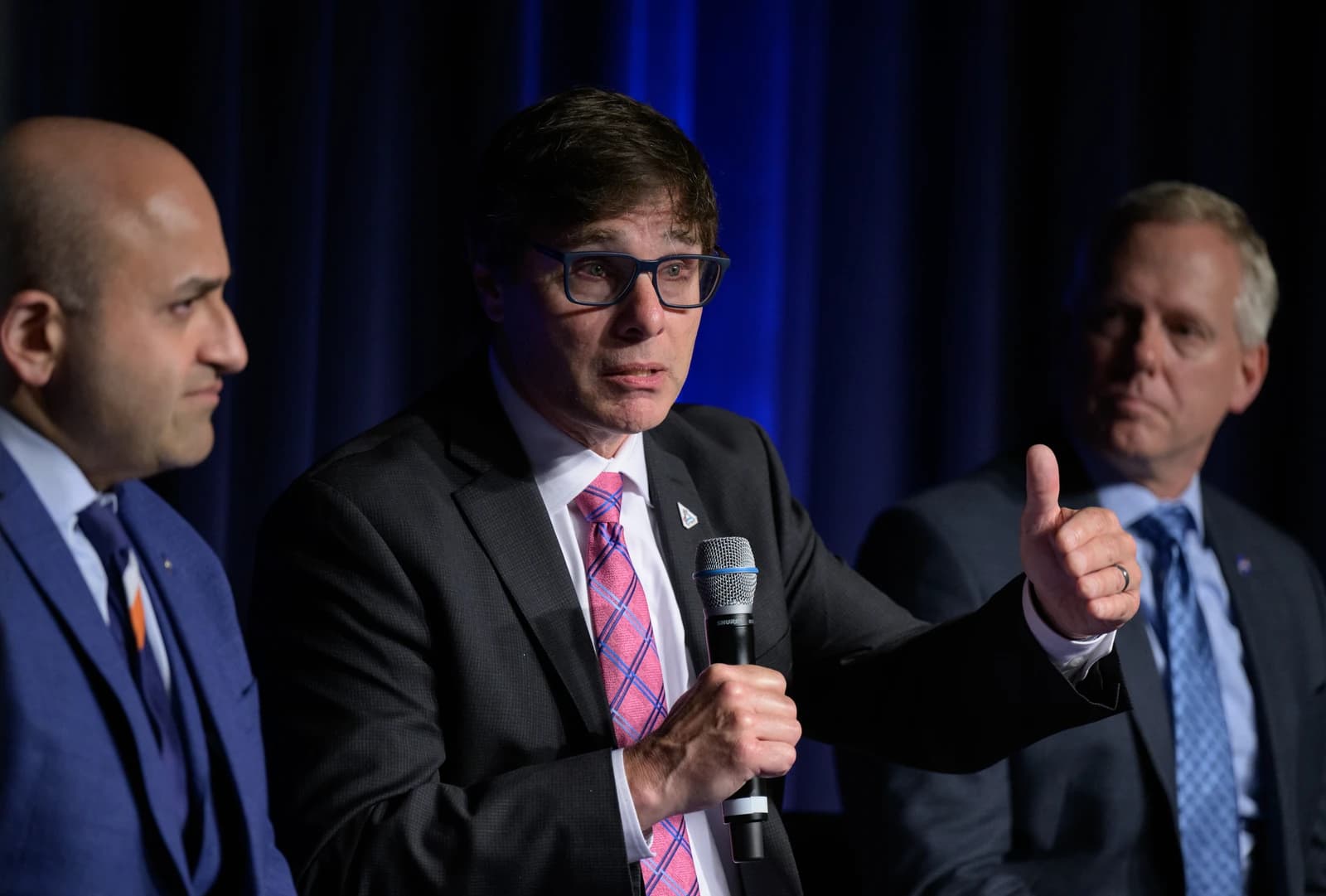
President Donald Trump said he will form the new unit on the model of the Space Forces created in 2019, arguing that artificial intelligence could eventually account for as much as 25% of U.S. GDP. That makes the announcement more than symbolic: it frames AI as a strategic national asset and suggests a future procurement pipeline that could resemble the long-duration, high-budget contracts that have already supported the defense and space ecosystem.
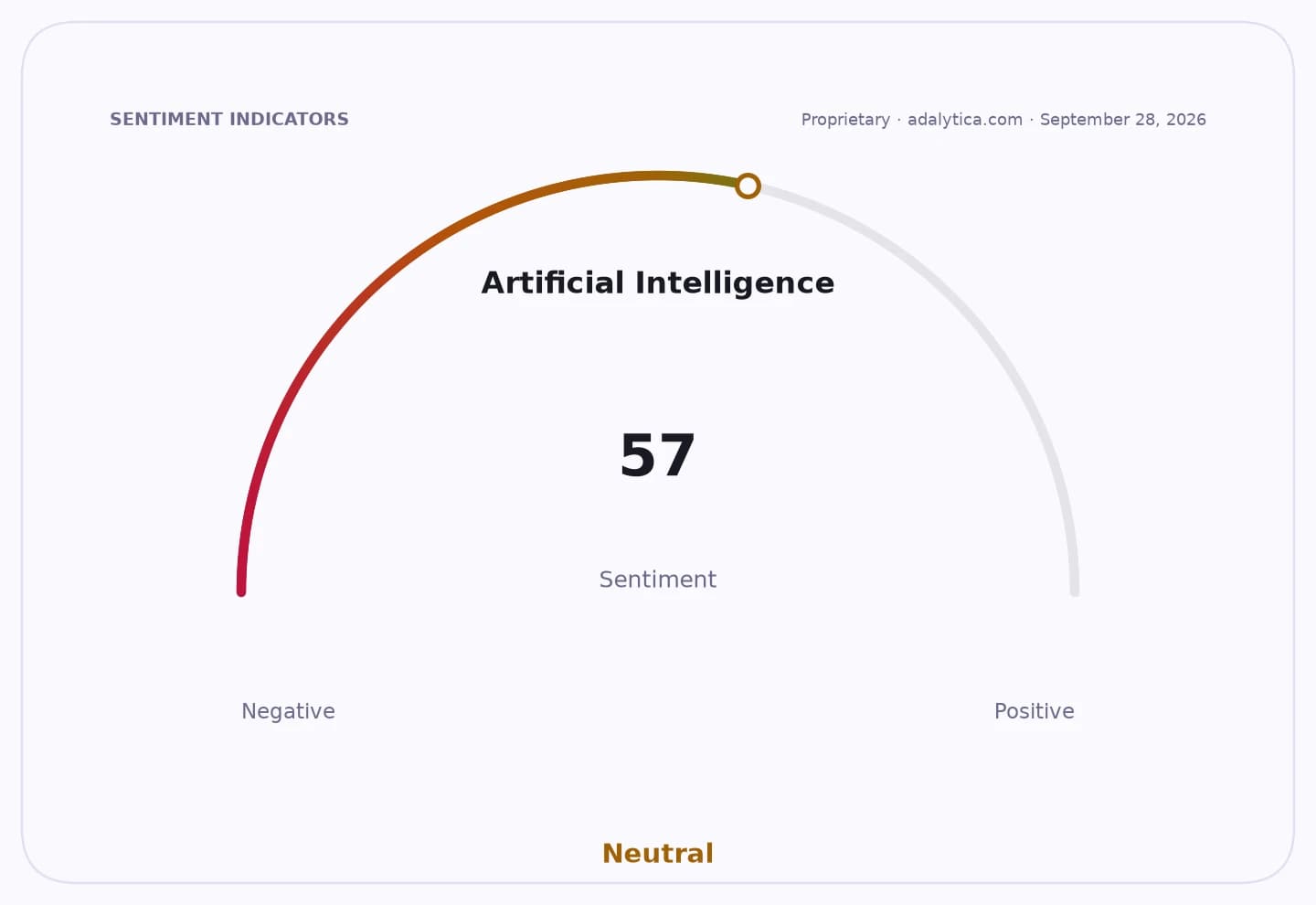
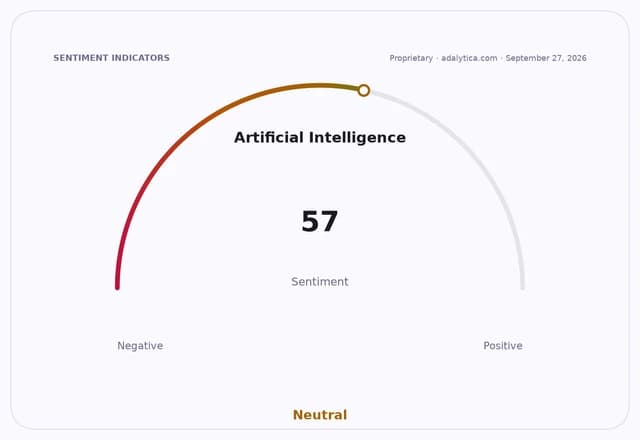
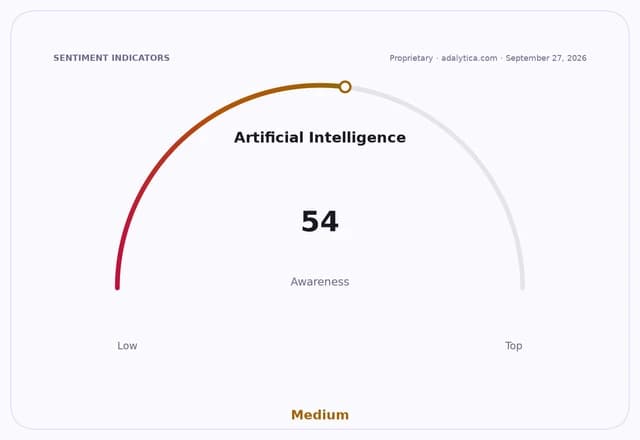
Sentiment IndicatorsⓘProprietary · adalytica.com · September 27, 2026
This is a snapshot — live sentiment, awareness and momentum for 130+ markets update continuously in the dashboard.Open AlphaPulse
For investors, the significance lies in the likely translation of policy into spending. A new force structure would not itself generate revenue, but it could legitimize faster federal adoption of AI platforms, lift contract visibility and expand demand for cloud infrastructure, chips and decision-support software. That is why analysts and military watchers are already drawing parallels with Space Forces, which strengthened the standing of SpaceX and traditional contractors such as Boeing and Northrop Grumman.
Among the clearest beneficiaries would be Palantir, which has built its franchise around intelligence, surveillance and defense analytics. Microsoft would also stand to gain through Azure, its government cloud relationships and its broader AI stack, while Nvidia could benefit from any increase in demand for AI compute tied to defense and intelligence workloads. The stock market has already been treating those names as core AI infrastructure plays: Microsoft closed at $516.17 on Friday, above its 50-day moving average of $475.40, while Nvidia finished at $225.07, also above its 50-day average of $215.79.
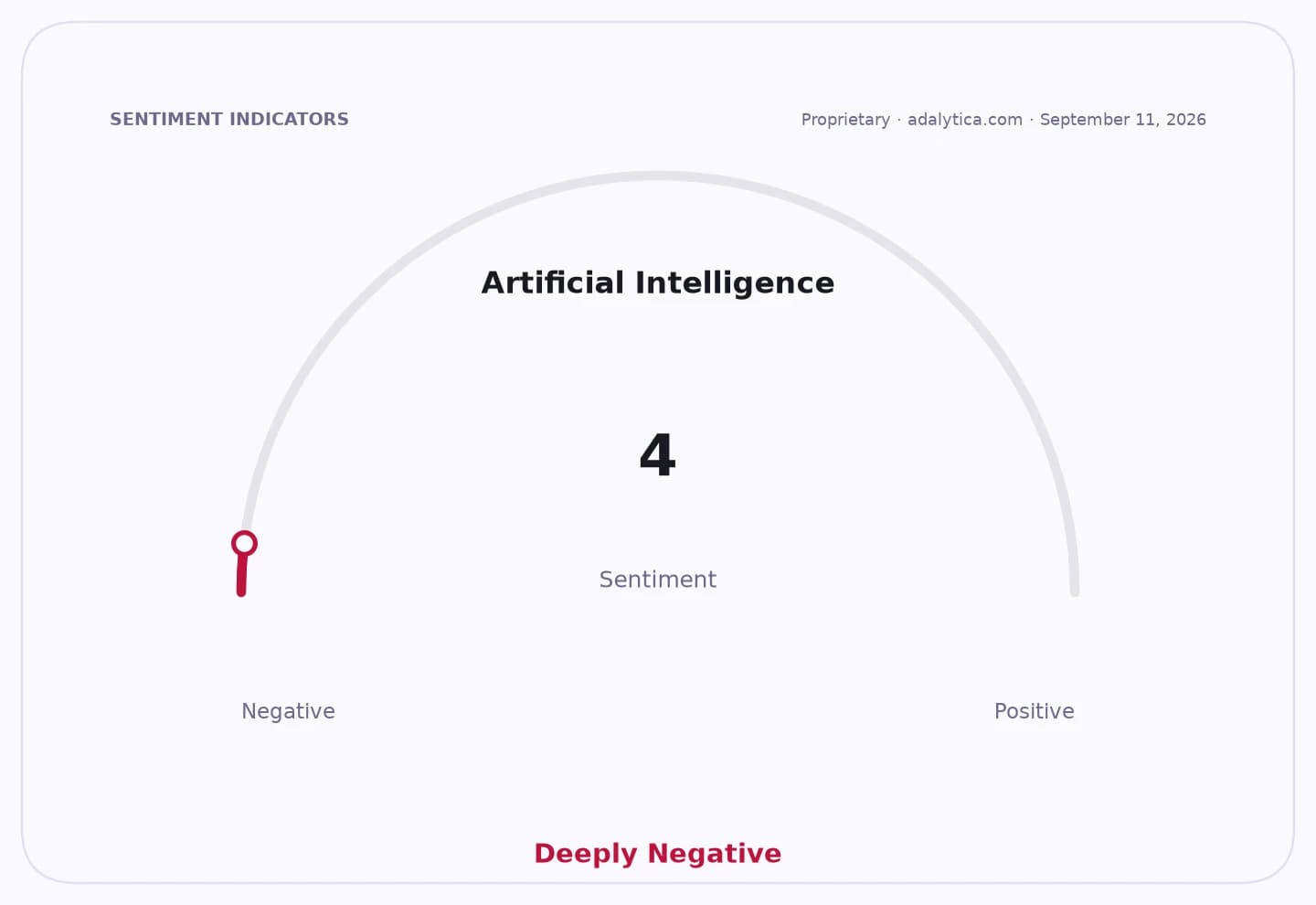
Artificial Intelligence — 30-day sentimentadalytica.com
Explore this data interactively — full history, time series and cross-market comparisons.Open AlphaPulse
The move also fits a broader pattern in Washington of using national-security language to accelerate access to advanced technology. Stepanov’s comparison to the Space Forces is not merely rhetorical: SpaceX’s ascent showed how quickly a new military domain can become a funding channel for private-sector players with the right technical capabilities and political access. A similar dynamic in AI would likely favor firms with security clearances, government procurement experience and the ability to deploy at scale.
There are, however, constraints that could limit the near-term payoff. Defense procurement is slow, budgeting is politically contested and AI adoption inside government remains uneven. The most immediate beneficiaries may therefore be contractors positioned for pilot programs, software integration and cloud migration rather than full-scale hardware orders. That helps explain why market reactions may stay concentrated in AI leaders rather than traditional defense primes, even though Lockheed Martin and other contractors could ultimately pick up work if AI is embedded into command, control and battlefield systems.
Still, the strategic message is clear: Washington is signaling that AI is no longer just a commercial technology race but a state-backed industrial priority. If the initiative moves from announcement to budget line item, it could reinforce the secular bull case for the companies that supply the chips, software and infrastructure underpinning America’s AI buildout.
| Entity | Gains | Losses |
|---|---|---|
| Palantir | ▲Defense analytics demand | ▼Slower procurement cycle |
| Microsoft | ▲Government cloud contracts | ▼Margin pressure from heavy AI spend |
| Nvidia | ▲AI compute orders | ▼Export and supply constraints |
| Traditional defense primes | ▲AI integration work | ▼Smaller share of software-led spending |