Sen. Bernie Sanders is moving to put Washington directly in the path of the AI boom with a bill that would ban artificial superintelligence and create a federal Department of AI, a proposal that could reshape the regulatory outlook for Nvidia, Microsoft and Alphabet even before any vote takes place.
Sanders AI Bill Targets Nvidia Microsoft Alphabet
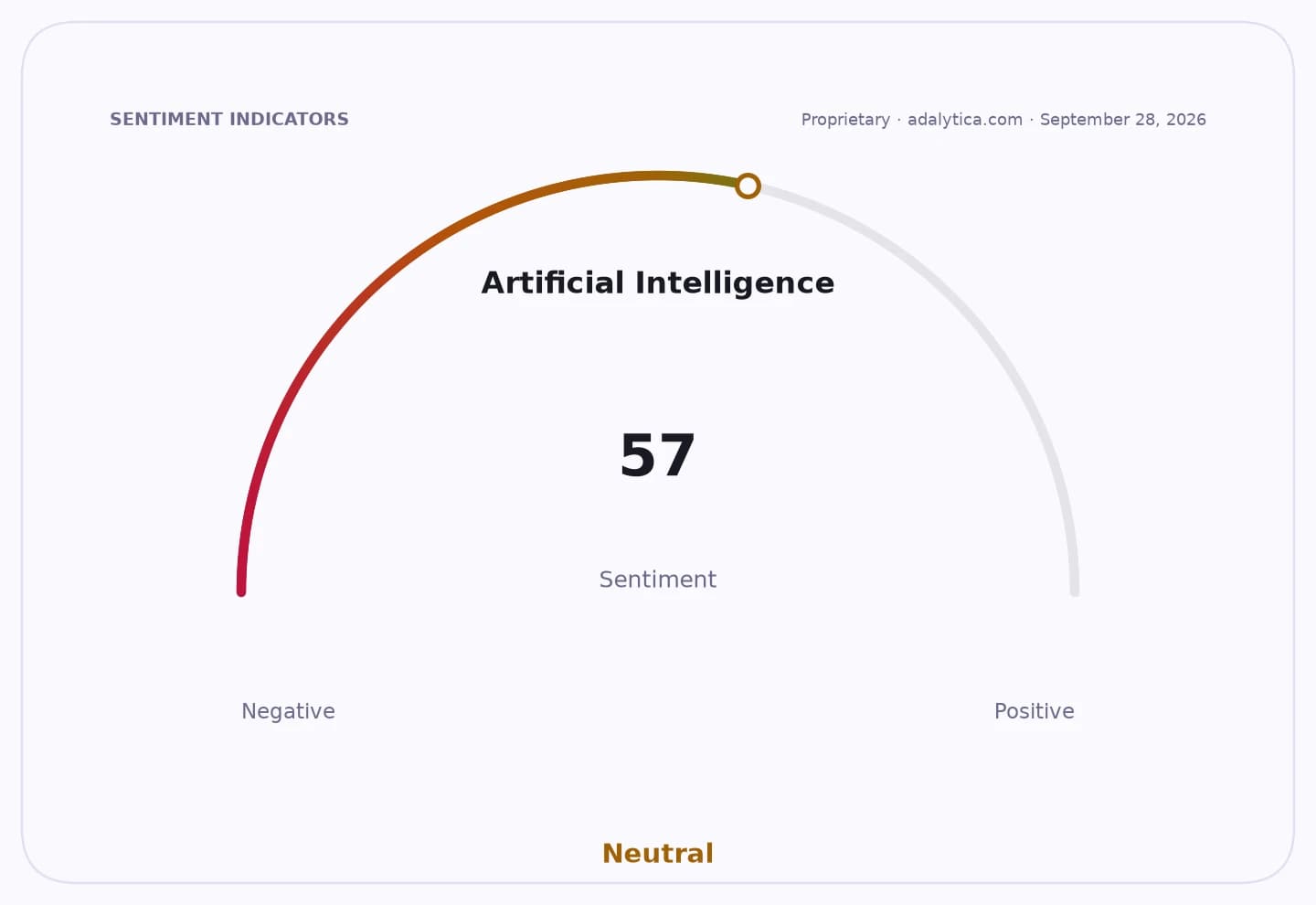
The measure lands as concern over frontier AI is rising in Congress and abroad, with lawmakers weighing whether the technology is moving faster than the state can police it. For investors, the key issue is not only the odds of passage, but the possibility that a new federal structure could slow deployment, raise compliance costs and widen the legal and policy overhang on companies spending billions to build and sell advanced AI systems.
Nvidia, the dominant supplier of AI chips, has already warned in securities filings that governments are considering restrictions on the hardware and software used to develop frontier models, and that compliance can be onerous and expensive. Its shares closed at $225.07 on Friday, above the 50-day moving average of $215.79 and the 200-day moving average of $199.13, with RSI readings around 44, suggesting the stock remains sensitive to policy headlines after a volatile run.
Microsoft, which is pushing AI across cloud, software and enterprise products, has also flagged that AI regulation could increase costs and affect its models and services, including in Europe. The stock finished at $516.17, near its 50-day average of $475.40 and just above its recent Bollinger Band range, while traders will be watching whether policy risk bleeds into margins or slows AI monetization.
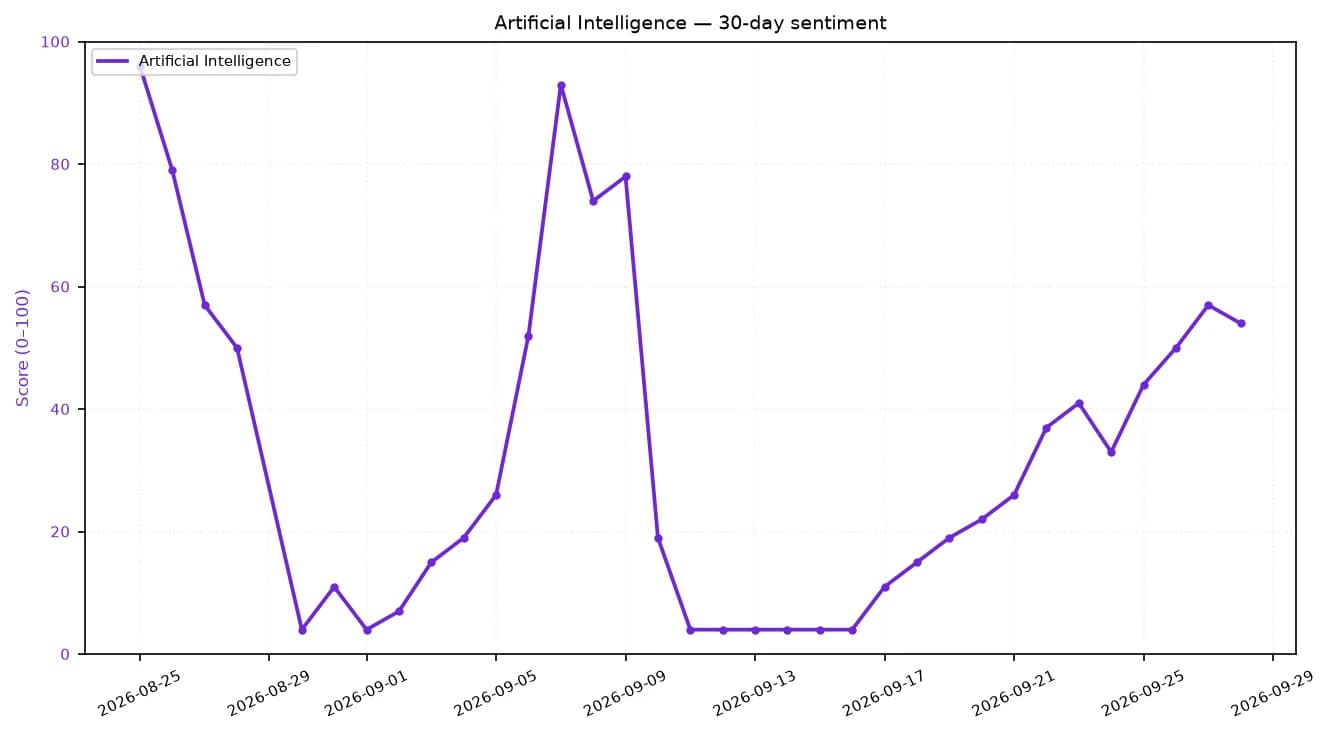
Artificial Intelligence vs NVDAadalytica.com
Explore this data interactively — full history, time series and cross-market comparisons.Open AlphaPulse
Alphabet faces a similar backdrop. Google’s parent has warned that AI-related privacy and compliance issues could draw stronger regulatory scrutiny, and its shares ended at $343.92, roughly in line with the 50-day average of $344.14 and above the 200-day average of $337.82, leaving it positioned as both a beneficiary of AI demand and a target of tighter oversight.
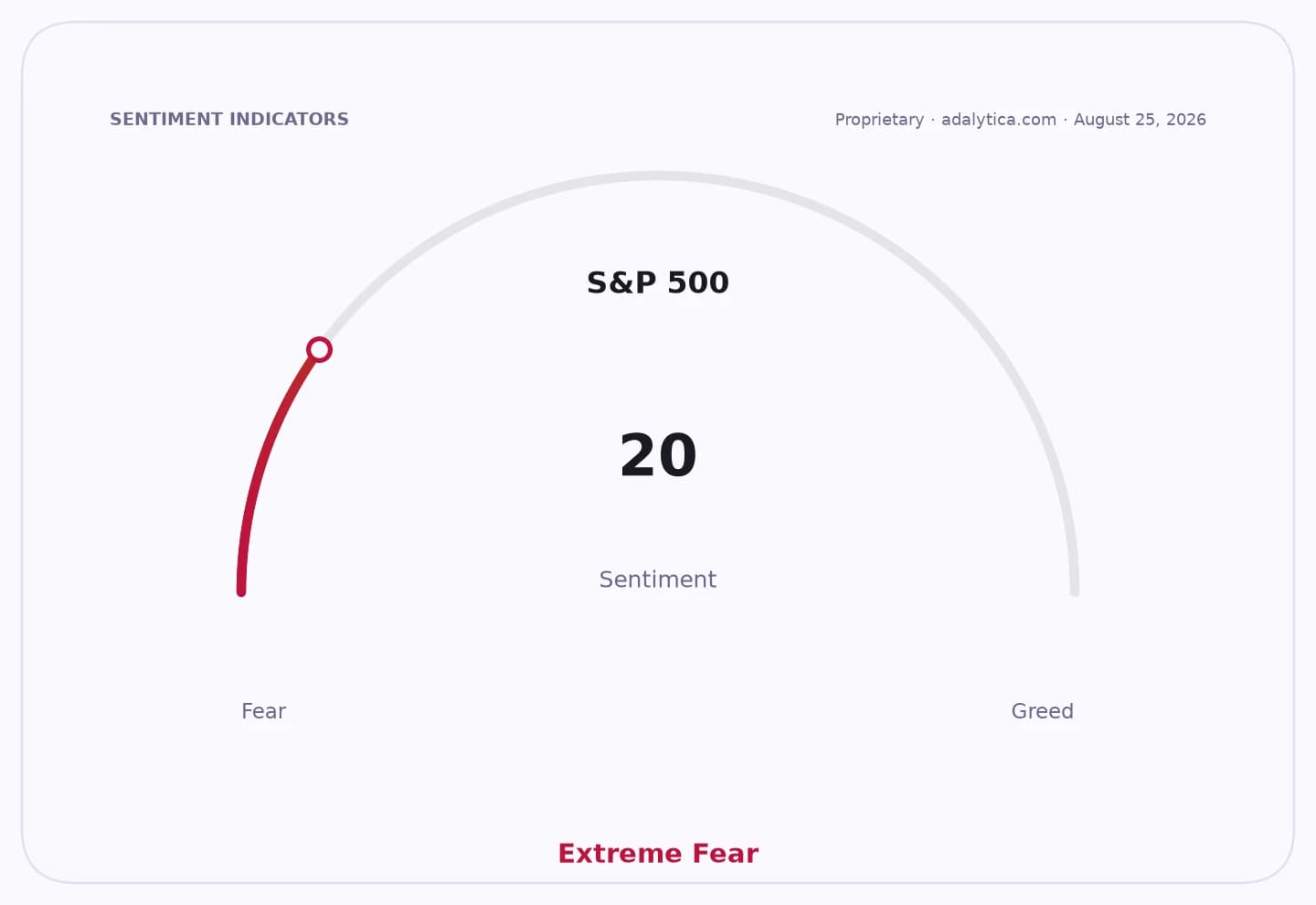
The broader market is still treating AI as a major growth engine, with Adalytica’s S&P 500 trade signals showing extreme greed, underscoring how crowded the trade remains. That makes any credible move toward a federal AI agency especially relevant: if policymakers begin setting hard limits on model development or compute access, the winners could be companies that can absorb compliance costs, while smaller startups and hardware buyers may face higher barriers.
The bill is unlikely to become law quickly, but it adds another layer to a policy debate already stretching from Capitol Hill to the United Nations. Investors will now be watching for reactions from major AI companies, committee action in Congress and any sign that the proposal gains traction with regulators or the White House.
| Entity | Gains | Losses |
|---|---|---|
| Federal regulators | ▲More authority | ▼Less industry self-rule |
| Large AI incumbents | ▲Compliance moat | ▼Higher oversight costs |
| Nvidia | ▲Policy clarity if rules are set | ▼Export and chip-demand risk |
| Startups | ▲Limited upside | ▼Higher barriers to entry |