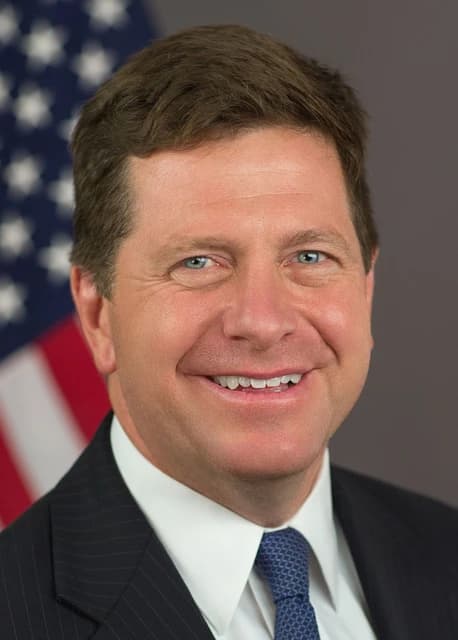
President Donald Trump’s choice of intelligence chief Jay Clayton to run a new White House AI task force puts national security at the center of US technology policy just as companies are pouring capital into the sector and investors are trying to gauge how much oversight will follow.
Trump AI Task Force Names Jay Clayton
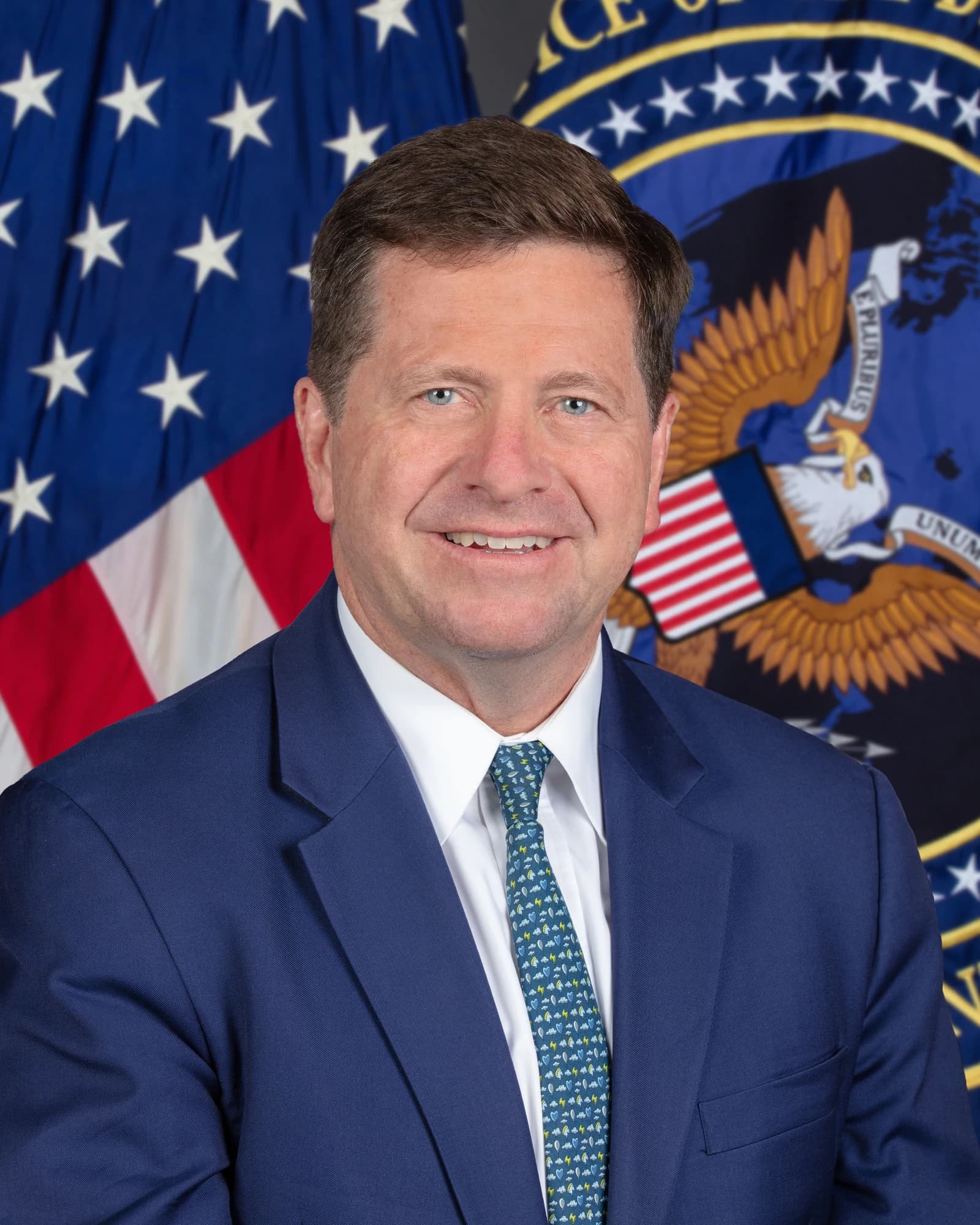
The appointment matters because it creates a single White House point person for a technology that is increasingly entwined with defense, cybersecurity, data infrastructure and industrial policy. The task force is due to deliver a report within 120 days on the risks and opportunities posed by AI and on what role the federal government should play, according to the Wall Street Journal. That timeline gives the administration a fast lane to shape rules that could affect how quickly frontier models are deployed, how incidents are reported and how much of the risk-management burden stays with industry.
Sentiment IndicatorsⓘProprietary · adalytica.com · October 4, 2026
This is a snapshot — live sentiment, awareness and momentum for 130+ markets update continuously in the dashboard.Open AlphaPulse
Clayton’s mandate also underscores a clear policy thesis from the Trump White House: Washington wants the US to stay ahead of China and other rivals in AI, while leaving the private sector as the main mechanism for managing many of the risks. Clayton said the danger of “not being first” was high and that falling behind adversaries would increase both identified and unidentified risks. The task force’s charter, as described by the Journal, will review current government reporting for hacks, breaches and other AI-related incidents and recommend ways to strengthen federal response capabilities under existing authorities.
For investors, the immediate implication is not a sweeping crackdown but a more coordinated regulatory and security framework that could still reshape winners and losers. Large US AI platforms and chip suppliers such as Microsoft and Nvidia remain exposed to tighter reporting expectations, national-security review and export-control pressure, even if the administration continues to favor innovation over prescriptive regulation. Microsoft has already warned in filings that AI systems could create legal, regulatory and competitive harm, while Nvidia has cited concerns over unilateral restrictions on products linked to AI misuse.
The market context helps explain why the appointment matters. Nvidia shares have risen sharply this year and are trading well above their 50-day and 200-day moving averages, with the stock recently pushing into overbought territory on conventional technical indicators. Microsoft has also held near record levels. That leaves both stocks vulnerable to any sign that Washington is moving from encouragement to constraint, even if the first order of business is coordination rather than enforcement.
The broader backdrop is that AI policy is becoming more strategic, not less. The task force includes senior administration officials, FTC Chair Andrew Ferguson, and outside figures such as venture capitalist David Sacks and former Secretary of State Condoleezza Rice, suggesting the White House wants to balance industrial policy, security and market access. The fact that Trump previously tapped Sacks for an AI role makes Clayton’s appointment less a course correction than an escalation of the effort to centralize control over the policy agenda.
The key question now is whether the 120-day review becomes a blueprint for light-touch industry cooperation or the opening move toward a more formal federal regime. For now, the message to investors is that AI remains a growth story, but one increasingly shaped by the state as well as the market.
| Entity | Gains | Losses |
|---|---|---|
| Trump White House | ▲More control over AI policy | ▼Less fragmented oversight |
| US AI companies | ▲Policy clarity | ▼Higher compliance burden |
| Nvidia | ▲Continued pro-growth narrative | ▼Export/control risk |
| Microsoft | ▲Coordination with Washington | ▼Regulatory and liability exposure |