A U.S. appeals court ruling gives the Pentagon room to keep excluding Anthropic’s Claude models from Defense Department systems, underscoring how national-security screening is becoming a live commercial risk for AI developers seeking government business.
Anthropic Claude Excluded From Pentagon Systems
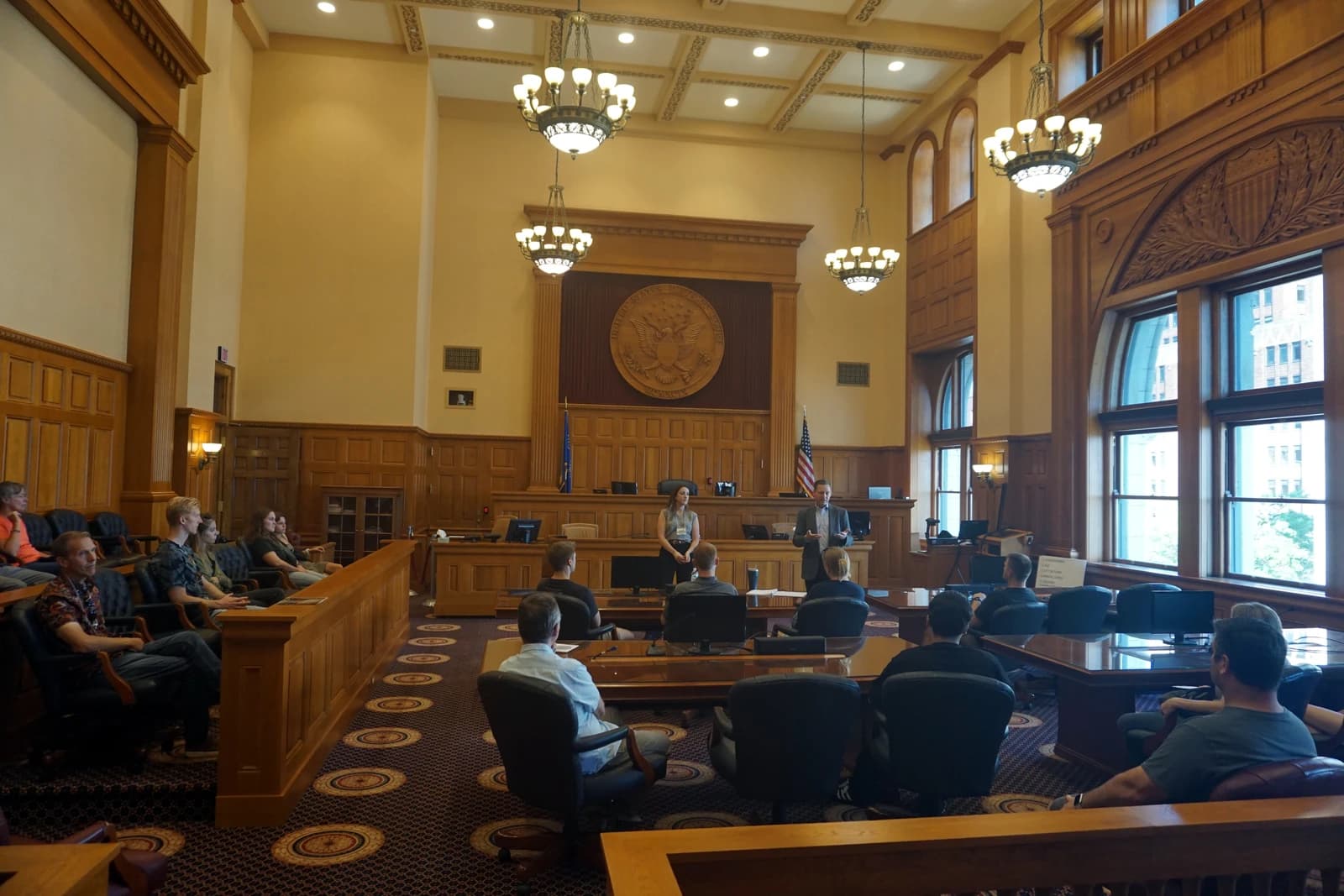
The 2-1 decision from the U.S. Court of Appeals for the District of Columbia Circuit means the Pentagon can continue removing Claude from its workflows and bar contractors from using Anthropic products on Defense Department work. For investors, the immediate significance is less about one lost contract than the precedent: AI vendors that build in safety restrictions or usage limits can still find themselves treated as supply chain risks if Washington decides those controls could interfere with military requirements.
Sentiment IndicatorsⓘProprietary · adalytica.com · October 1, 2026
This is a snapshot — live sentiment, awareness and momentum for 130+ markets update continuously in the dashboard.Open AlphaPulse

The ruling sharpens a broader policy tension around frontier AI. On one side, Anthropic has argued that its model constraints are designed to reduce misuse, including mass surveillance and autonomous weapons applications. On the other, the court said the Pentagon had “ample support” for its designation and that the relevant question is what Anthropic does, not why it does it. In other words, safety features meant to protect users or limit harmful outputs can be viewed by defense buyers as operational constraints if they reduce the government’s ability to direct the system for national-security purposes.
That distinction matters economically because federal and defense procurement is not just another sales channel for AI companies. It can be a gateway to long-duration, high-margin enterprise adoption, broader credibility with regulated customers, and influence over technical standards. Losing access to Defense Department workflows can slow product penetration in a market that is likely to remain strategically important as governments expand AI use in intelligence, logistics and battlefield support. It also reinforces the message that AI providers will face legal and commercial scrutiny not only over safety, privacy and copyright, but over whether their design choices align with state security demands.
The decision arrives amid a more uncertain market backdrop for large-cap AI and cloud names. Microsoft, Alphabet and Amazon all remain deeply exposed to enterprise AI demand, while the latest technical readings on their shares suggest investors have been rotating rather than abandoning the trade. Microsoft has been holding above its 200-day moving average after a strong run, while Alphabet’s shares have been consolidating near that long-term support. Amazon has also been trading below its 50-day average, reflecting a less forgiving market for growth spending. None of that is a direct read-through from the Anthropic case, but the ruling reinforces a common theme: AI monetization is increasingly shaped by policy friction, not just model performance.
The case also highlights the split between legal outcomes in different jurisdictions. Anthropic noted that another federal court in California found a separate Pentagon action unlawful, while the company said it remains confident and is weighing further review. That leaves the company in a mixed position: it avoided a total federal ban, but the Pentagon’s ability to keep Claude out of Defense Department use stands for now. For a private AI developer that has positioned itself around safety and responsible deployment, the problem is not only lost revenue but the risk that its core product philosophy becomes a liability in the very markets most interested in advanced AI.
For investors, the near-term watchpoints are whether Anthropic appeals, whether the Pentagon broadens its restrictions, and whether other agencies or contractors follow the Defense Department’s lead. More broadly, the ruling is another signal that the AI trade is moving from pure enthusiasm to a phase defined by procurement rules, export controls and security design reviews. Companies that can sell compliant, flexible systems stand to gain; those whose products are seen as too constrained, too opaque or too easy to weaponize may find the addressable market narrower than promised.
| Entity | Gains | Losses |
|---|---|---|
| Pentagon | ▲Broader procurement discretion | ▼Less access to Claude models |
| Anthropic | ▲Partial legal standing preserved | ▼Defense Department revenue and access |
| Defense contractors | ▲Clearer compliance guidance | ▼Fewer AI vendor options |
| Rival AI vendors | ▲Chance to win contracts | ▼Higher regulatory scrutiny across sector |