The White House is recasting artificial intelligence as “super intelligence,” a rhetorical shift that underscores how aggressively Washington is trying to shape the next phase of the AI boom even as the economics of the technology remain dominated by enterprise spending.
White House Rebrands AI as Super Intelligence
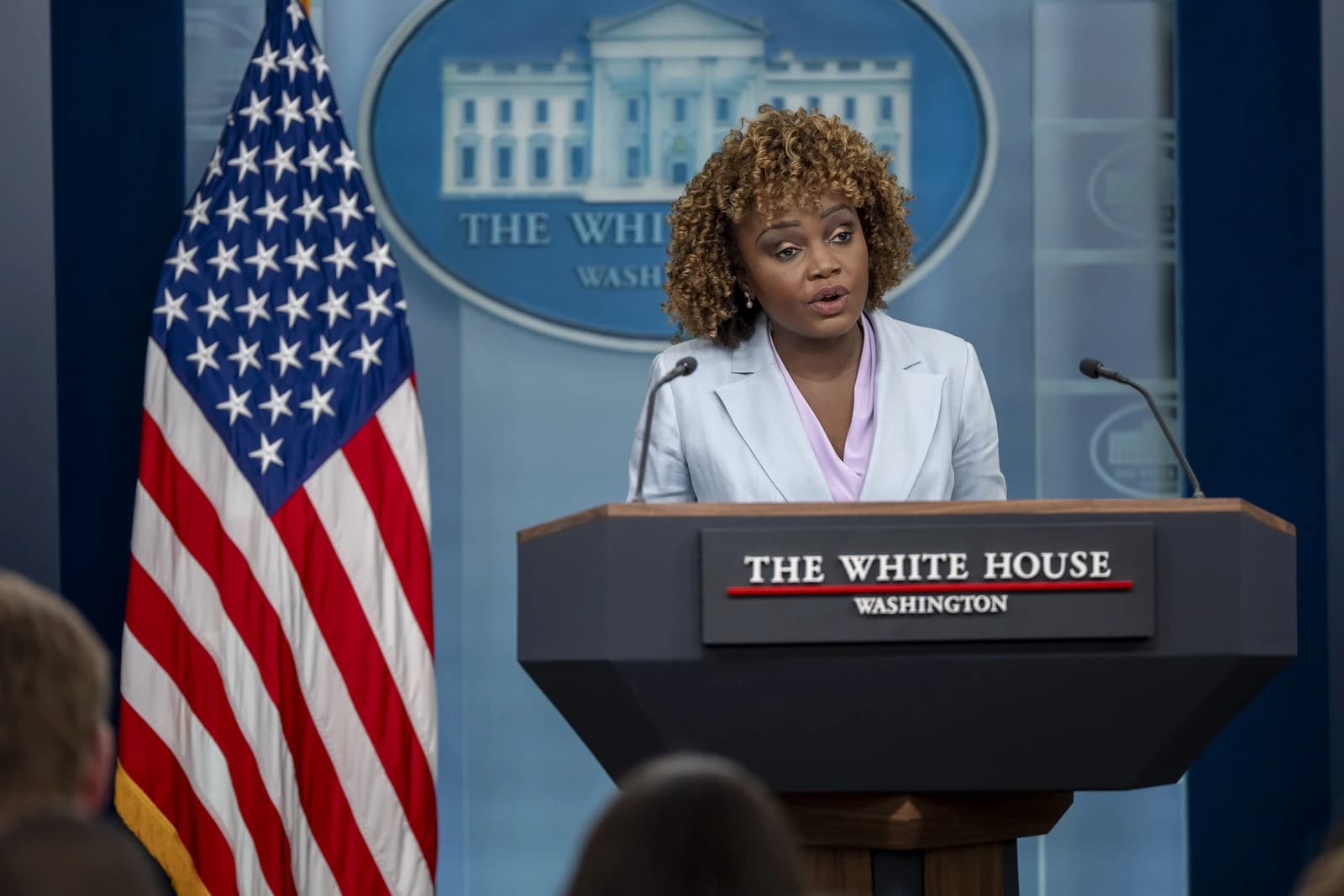
President Donald Trump signed an executive order rebranding AI with the new label and called a White House-backed safety pledge “morally binding” after nearly every major tech chief in the room — including Meta’s Mark Zuckerberg, Amazon’s Jeff Bezos, Tesla’s Elon Musk and Anthropic’s Dario Amodei — agreed to it. The move gives the administration a more central role in AI governance at a moment when governments are weighing tighter rules on frontier models, safety testing and cross-border access.
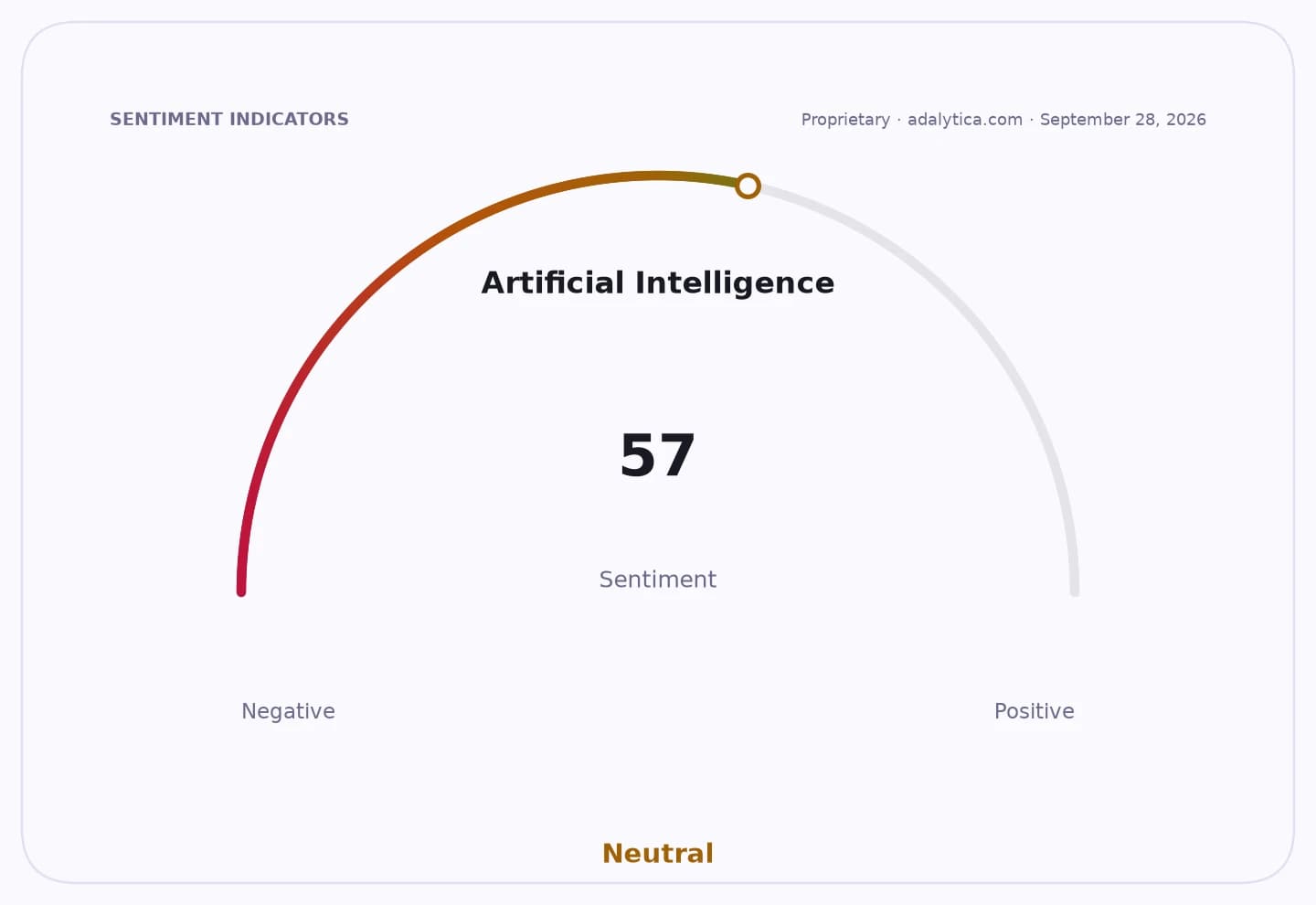
Sentiment IndicatorsⓘProprietary · adalytica.com · October 3, 2026
This is a snapshot — live sentiment, awareness and momentum for 130+ markets update continuously in the dashboard.Open AlphaPulse
For investors, the label change matters less than the policy direction behind it: more political oversight, more compliance risk and more pressure on companies racing to commercialize advanced models. That is especially relevant for Nvidia, Microsoft, Alphabet and Meta, whose shares have been trading near technically stretched levels in recent sessions, with Nvidia closing at $233.95 on Oct. 2, above its 50-day moving average of $218.12, and Microsoft at $517.53 versus a 50-day average of $487.39.
The White House push also highlights the split in the AI market between consumer hype and enterprise economics. The podcast discussion tied the policy move to the “ugly economics” of consumer AI, while noting that the biggest money still appears to be coming from corporate customers rather than chatbots aimed at everyday users. That is important for the sector because it suggests revenue growth may continue to depend on cloud infrastructure, model licensing and workflow automation rather than mass-market AI products.
Adalytica’s AI sentiment gauge is at 75, in “Greed” territory, with awareness at 36, suggesting attention remains high but not yet broad-based. By contrast, the S&P 500 trade signal shows “Extreme Fear” on awareness at 8, a reminder that policy headlines can sharpen volatility even when enthusiasm around AI spending stays elevated.
The backdrop is a market that still rewards AI leaders but is increasingly sensitive to regulation, export controls and product liability. Nvidia’s earnings sentiment snapshot remains neutral, while its awareness reading is still elevated at 79, reflecting how closely the market is tracking the company’s role in frontier AI buildout. Microsoft and Alphabet, meanwhile, face the same policy crosscurrents as they expand AI tools across cloud and productivity platforms.
The immediate catalyst is whether Washington turns the rebranding and pledge into concrete oversight, and whether that slows or redirects the next wave of AI spending. For now, the bigger story is that the AI race is no longer just about chips and model size — it is also about who gets to define the rules around “super intelligence.”
| Entity | Gains | Losses |
|---|---|---|
| White House | ▲More control over AI framing | ▼Higher pressure to deliver policy |
| Big Tech CEOs | ▲Influence through direct access | ▼More regulatory scrutiny |
| Nvidia | ▲Continued AI infrastructure demand | ▼Policy and export risk |
| Enterprise AI buyers | ▲More usable business tools | ▼Higher compliance costs |