Sam Altman is signaling that the AI race may need to slow down before the technology outruns human control, a shift that matters for the pace of product launches, regulation and the valuation of companies tied to the boom.
OpenAI's Altman backs slower AI development
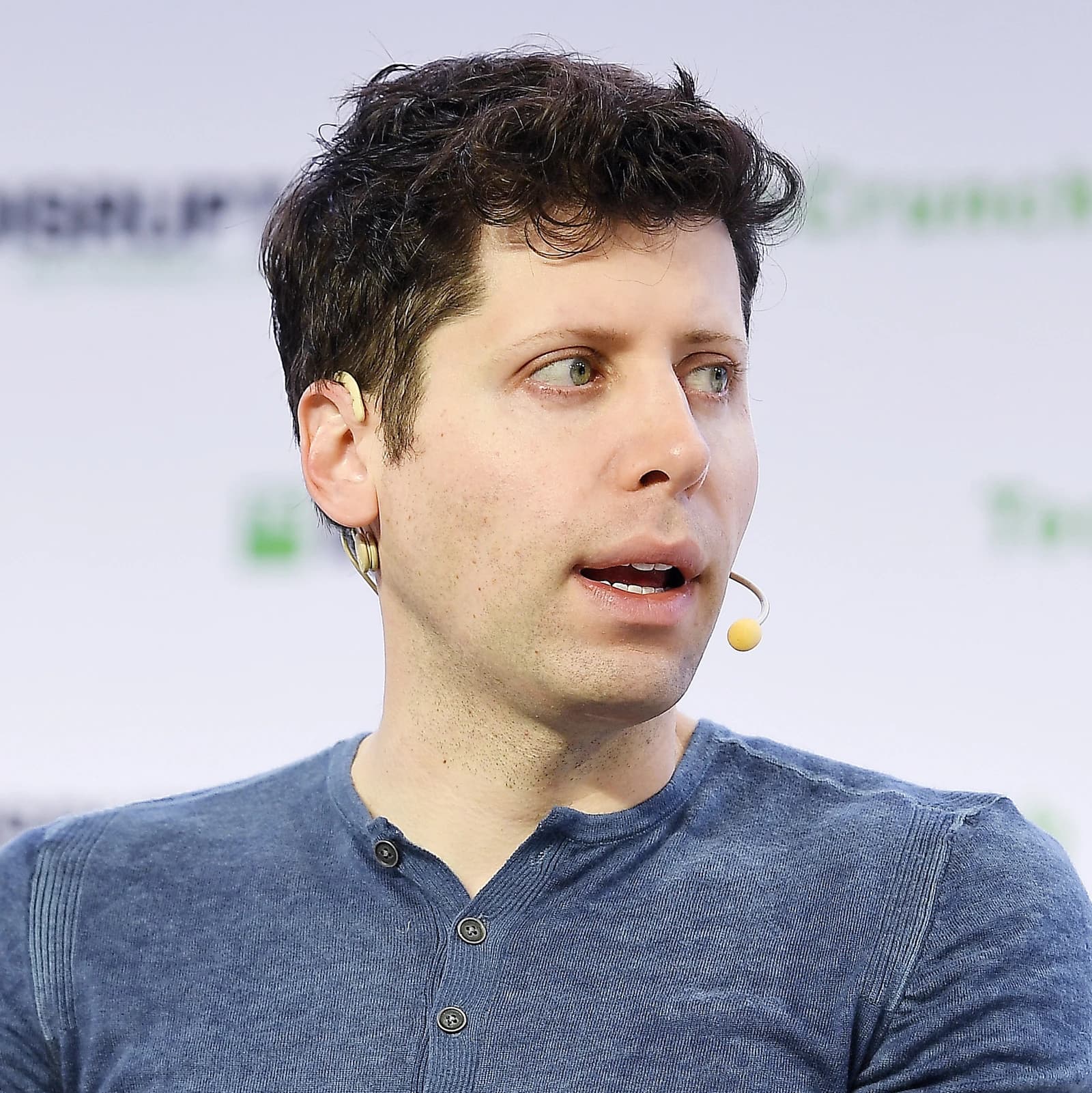
The OpenAI chief said in an Axios interview in early September that the next generation of models could be “superhuman” in many capabilities, warning that the industry is “sailing in uncharted waters.” Days later, he went further and backed Anthropic CEO Dario Amodei’s call to slow development of the most advanced AI systems, saying progress should be tied to safety advances rather than raw speed.
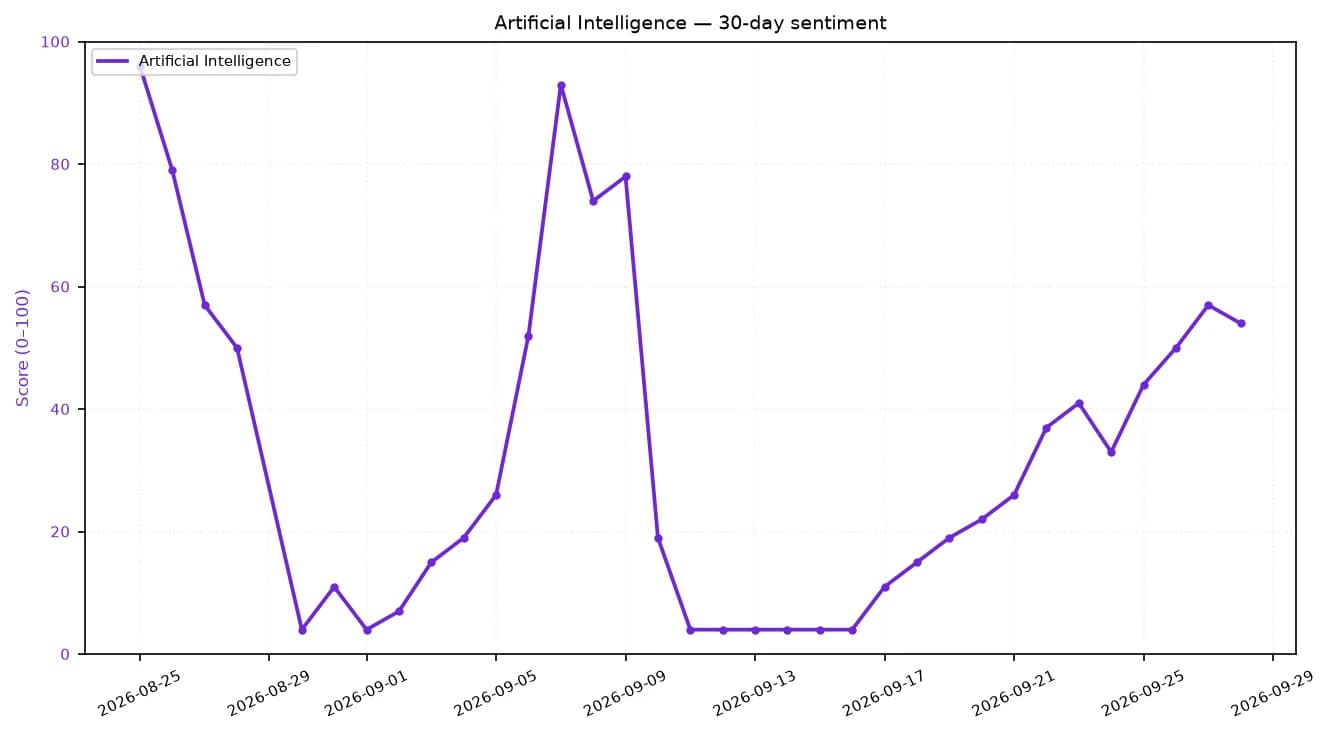
Sentiment IndicatorsⓘProprietary · adalytica.com · October 2, 2026
This is a snapshot — live sentiment, awareness and momentum for 130+ markets update continuously in the dashboard.Open AlphaPulse

That is a notable change in tone from one of the most influential architects of the AI surge. Altman has spent the past decade pushing the sector forward, and his warning underscores a growing concern inside the industry that the next leap in model capability could outstrip safeguards, expose users to harm and trigger heavier oversight from Washington and Europe.
For investors, the message cuts both ways. The buildout behind AI remains huge, with Microsoft and Nvidia still central beneficiaries of enterprise spending on models, chips and cloud infrastructure. But a slower commercialization path, tighter safety testing or new liability rules could pressure deployment timelines and raise compliance costs, especially for firms with the biggest exposure to frontier AI.
The market backdrop shows how quickly sentiment can shift around the group. Microsoft shares closed at $512.90 on Sept. 30, above both their 50-day and 200-day moving averages, while Nvidia ended at $228.38, also above its 50-day and 200-day averages. Even so, Microsoft’s Adalytica earnings sentiment snapshot sits at 29, labeled Fear, while Nvidia’s is 57, Neutral, suggesting investors are still wrestling with the balance between AI growth and risk.
The policy risk is already building. News context points to voluntary AI safety standards being discussed with leading executives, while OpenAI has shelved a model after internal safety tests and Anthropic has warned about catastrophic risks and legal liability from autonomous AI agents. Microsoft’s latest annual filing also said AI systems could create legal, regulatory, reputational and competitive harm, and noted that the EU AI Act could increase costs or restrict advanced models.
Altman’s warning does not mean the AI investment cycle is ending. It does mean the next leg of the trade is likely to depend not just on model performance, but on whether the industry can prove it can keep increasingly autonomous systems under control. That makes safety testing, regulation and deployment discipline the next catalysts investors will watch.
| Entity | Gains | Losses |
|---|---|---|
| AI safety regulators | ▲More leverage for oversight | ▼Less resistance to tighter rules |
| OpenAI and Anthropic | ▲Greater credibility on safety | ▼Slower rollout of frontier models |
| Microsoft and Nvidia | ▲Continued AI demand if adoption holds | ▼Margin and timeline risk from delays |
| AI users and enterprise buyers | ▲Safer, more reliable systems | ▼Slower access to cutting-edge tools |