Vietnam is pressing households and businesses to treat fire prevention as a daily operating task, not a one-off drill, as recent blaze and explosion figures show the risk remains high despite a new legal framework and broader grassroots safety efforts.
Vietnam Fire Law Tightens Safety Rules
The message matters economically because fires and explosions can shut down production, destroy inventories and equipment, and trigger costly disruptions to housing, retail and industrial activity. In a country where dense residential areas, mixed-use buildings and older electrical systems are common, the damage can quickly spread from a single fault into a broader hit to local commerce and asset values.
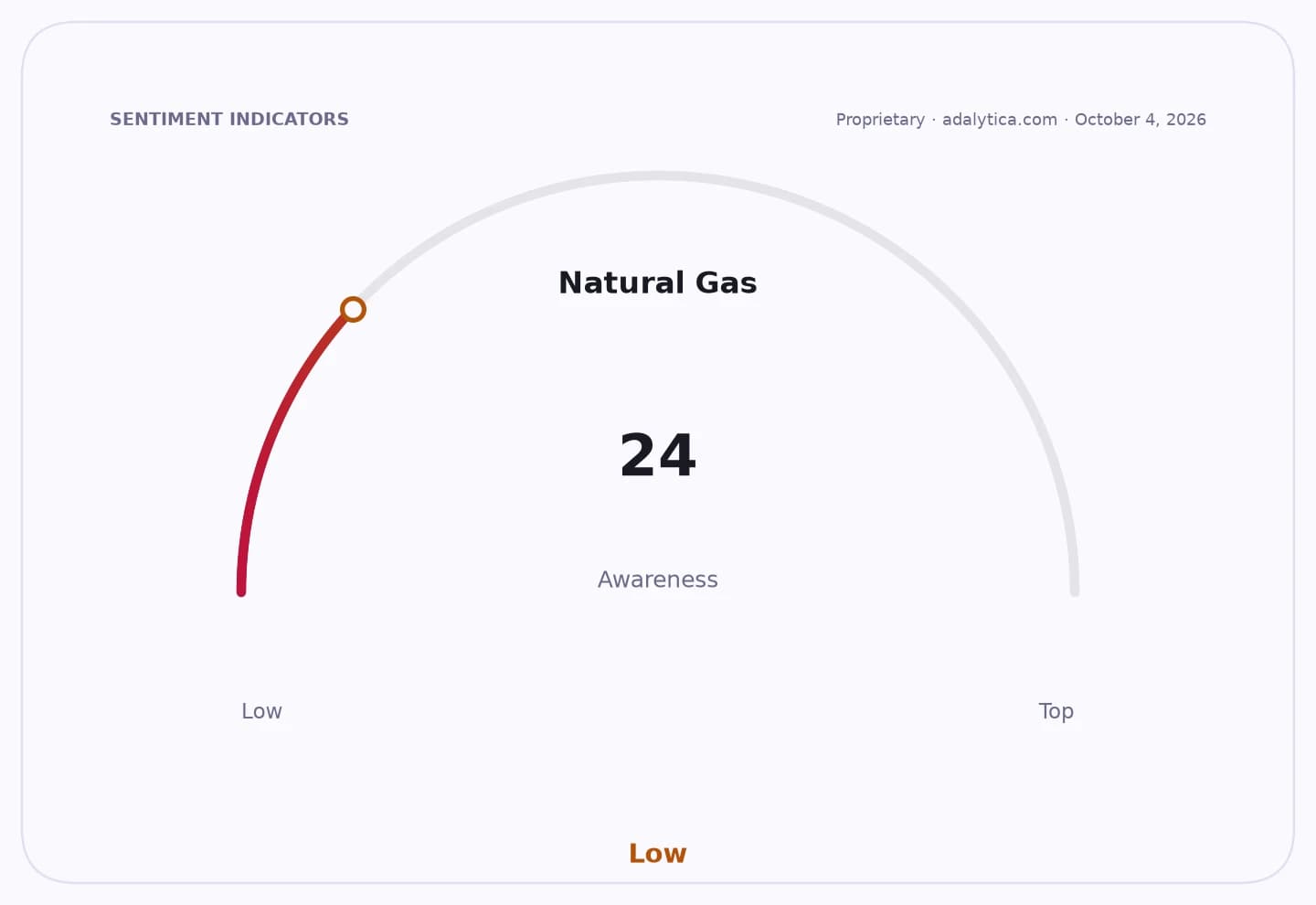
Sentiment IndicatorsⓘProprietary · adalytica.com · October 4, 2026
This is a snapshot — live sentiment, awareness and momentum for 130+ markets update continuously in the dashboard.Open AlphaPulse
Authorities said the new Fire Prevention, Fighting and Rescue Law took effect on July 1, 2025, alongside decrees tightening implementation and penalties. The law makes fire prevention and rescue a responsibility of agencies, organizations, households and individuals, while setting Oct. 4 as the annual national day for fire prevention and rescue.
The scale of the threat remains clear. Vietnam recorded 3,060 fires in 2025, causing 90 deaths and 93 injuries, with property damage estimated at 786.78 billion dong and 251.35 hectares of forest lost. In August 2026 alone, there were 245 fires and two explosions, with 4 deaths and 12 injuries combined, according to official statistics.
Many of the recent incidents were tied to familiar vulnerabilities: electrical faults, careless use of heat and fire, and technical failures. Of the August fires, 74 occurred in homes, 14 in houses combined with production or business activities, 21 at industrial and warehouse sites, and 42 involved vehicles, underscoring how quickly risk can move from domestic space to the balance sheets of small firms and larger operators.
The emphasis on prevention also carries a clear investor angle for industrial landlords, manufacturers, insurers and utility-heavy businesses. Better compliance on escape routes, storage, wiring, extinguishers and on-site drills can reduce downtime and liability, while poor enforcement raises the odds of losses, claims and operational interruptions.
The government said more than 56,000 neighborhood fire safety groups and over 61,000 public fire points were maintained in 2025, and more than 91% of households were equipped with portable extinguishers. Fire police conducted 107,644 safety inspections in the first half of 2026 and responded to 1,954 fires, explosions and accidents, rescuing 748 people.
The next test is whether those measures translate into fewer incidents in mixed-use homes, factories and warehouses, where electrical load, blocked exits and weak evacuation skills remain the biggest risks. For businesses and investors, the focus now shifts to enforcement, upgrading equipment and keeping escape routes open before the next fire starts.
| Entity | Gains | Losses |
|---|---|---|
| Households and small businesses | ▲Lower fire risk | ▼Repair and compliance costs |
| Industrial operators | ▲Fewer shutdowns | ▼Higher safety spending |
| Insurers and lenders | ▲Better loss control | ▼Claims from preventable fires |
| Fire services and regulators | ▲Stronger mandate | ▼Pressure to enforce standards |