Algeria has launched a nationwide gas-safety campaign through Sonelgaz as the government moves to curb deadly carbon monoxide poisonings and reduce the winter burden on households, hospitals and the power system.
Algeria launches nationwide gas safety campaign
The ministry of energy said the program will combine public awareness with field inspections across the country’s wilayas, focusing on chimney sweeping, cleaning exhaust vents, checking carbon monoxide detectors and replacing batteries where needed. It also calls for maintenance of gas appliances such as water heaters and heating systems, inspection of pipes, connections and indoor gas installations, and tighter checks on ventilation and basement and utility spaces.
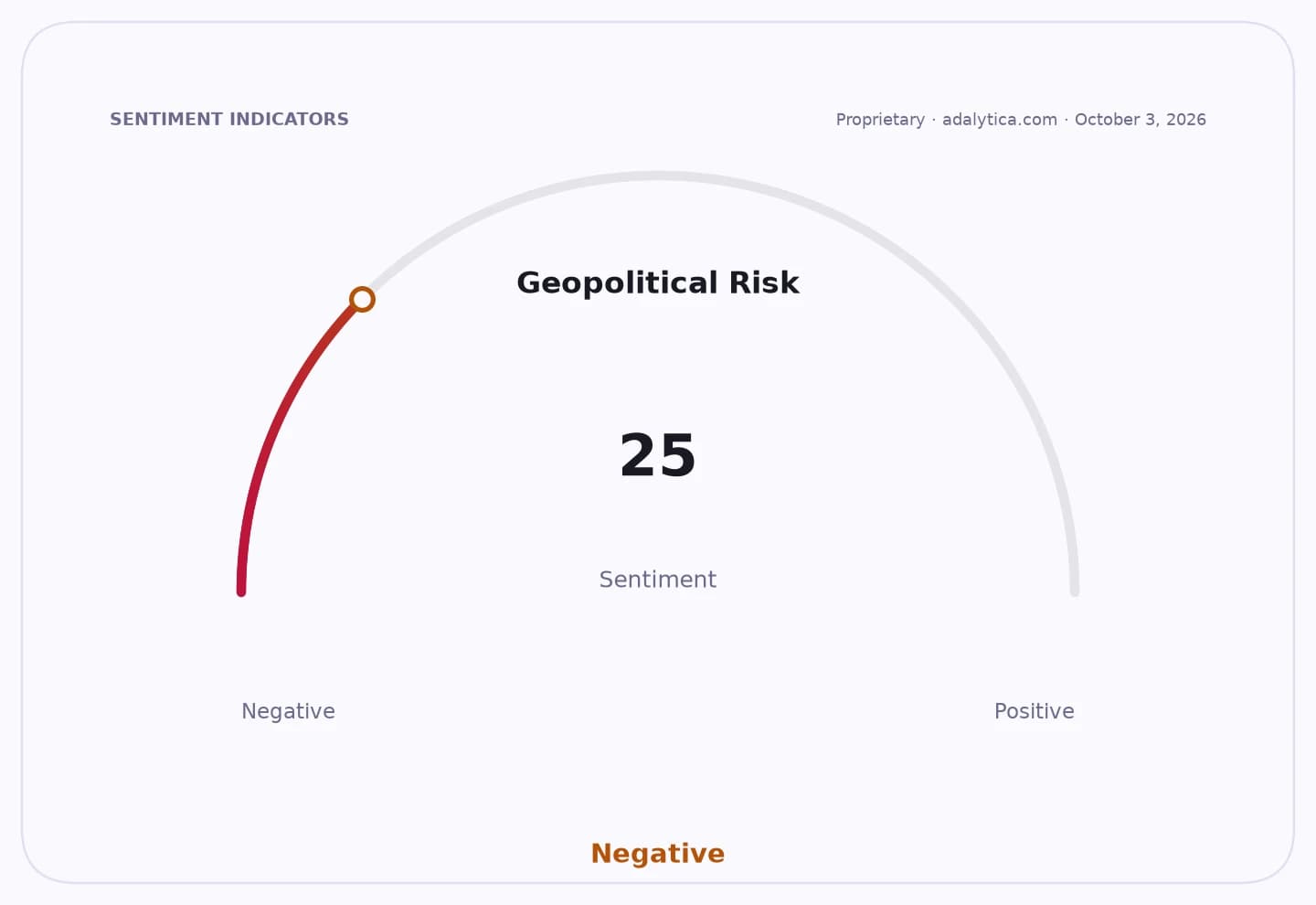
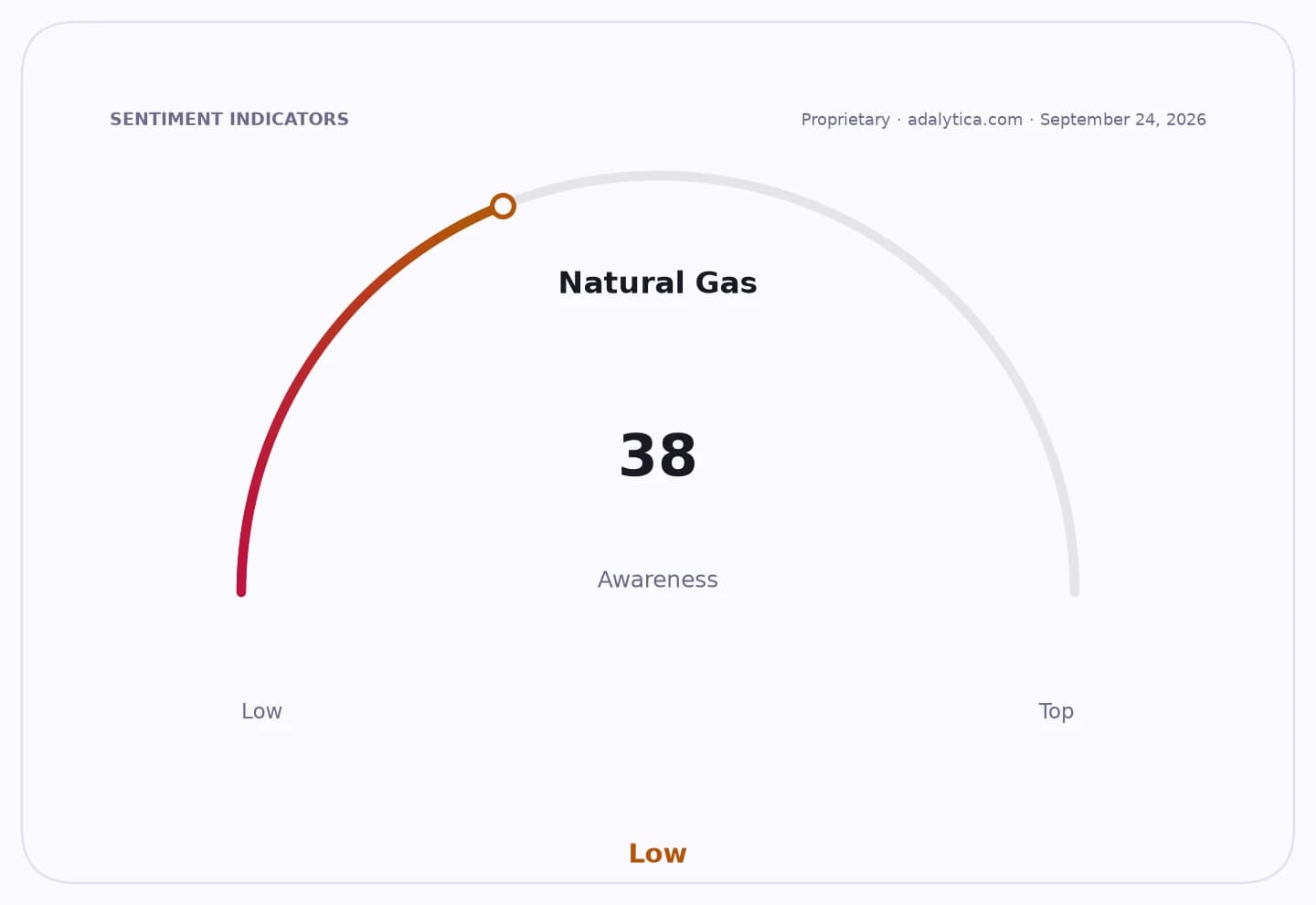
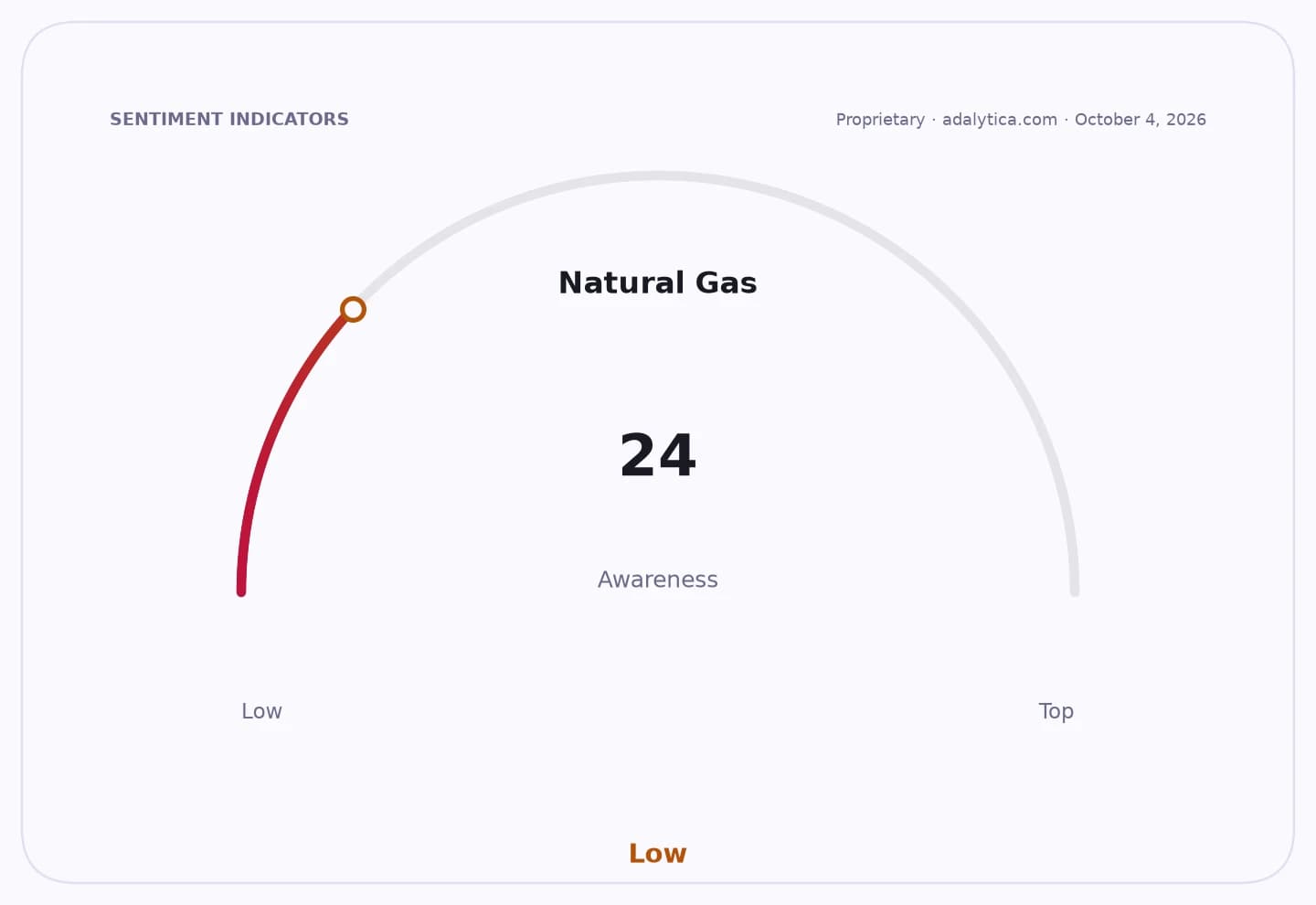
Sentiment IndicatorsⓘProprietary · adalytica.com · October 4, 2026
This is a snapshot — live sentiment, awareness and momentum for 130+ markets update continuously in the dashboard.Open AlphaPulse
The timing matters because gas-related accidents in homes are not just a public-health issue in Algeria; they are a recurring seasonal shock that can strain emergency services and undermine confidence in domestic energy use. Preventing carbon monoxide incidents also lowers the chance of disruption to household consumption and emergency response costs when colder weather lifts gas demand.
For Sonelgaz, the campaign underscores the role of the state utility as both operator and safety enforcer. That adds an operational burden, but it also reflects the economics of prevention: relatively low-cost maintenance and inspection can avert much larger costs from accidents, litigation, compensation and reputational damage. It also points to the government’s preference for intervention at the household level rather than relying only on equipment standards or post-incident response.
The broader market context is one of structurally high gas sensitivity. Global natural gas benchmarks remain volatile, with the NG market showing sharp swings in sentiment, while oil-linked energy markets have also been trading with elevated volatility. That makes consumer safety and system reliability more important for energy ministries trying to preserve domestic energy demand and social stability without adding pressure on already stressed public services.
Investors should read the campaign less as a direct market-moving event than as a reminder that energy policy in producer countries is increasingly shaped by household safety, infrastructure maintenance and social risk management. For utilities and equipment suppliers, it could support demand for detectors, maintenance services and gas-system upgrades. For policymakers, the next test will be whether this remains a one-off awareness drive or turns into a more sustained inspection and enforcement regime before the cold season peaks.
| Entity | Gains | Losses |
|---|---|---|
| Households | ▲Lower poisoning risk | ▼More inspection disruption |
| Sonelgaz | ▲Stronger safety role | ▼Higher operating workload |
| Equipment and maintenance suppliers | ▲More service demand | ▼Tighter compliance scrutiny |
| Public-health system | ▲Fewer emergencies | ▼Less room for reactive response |