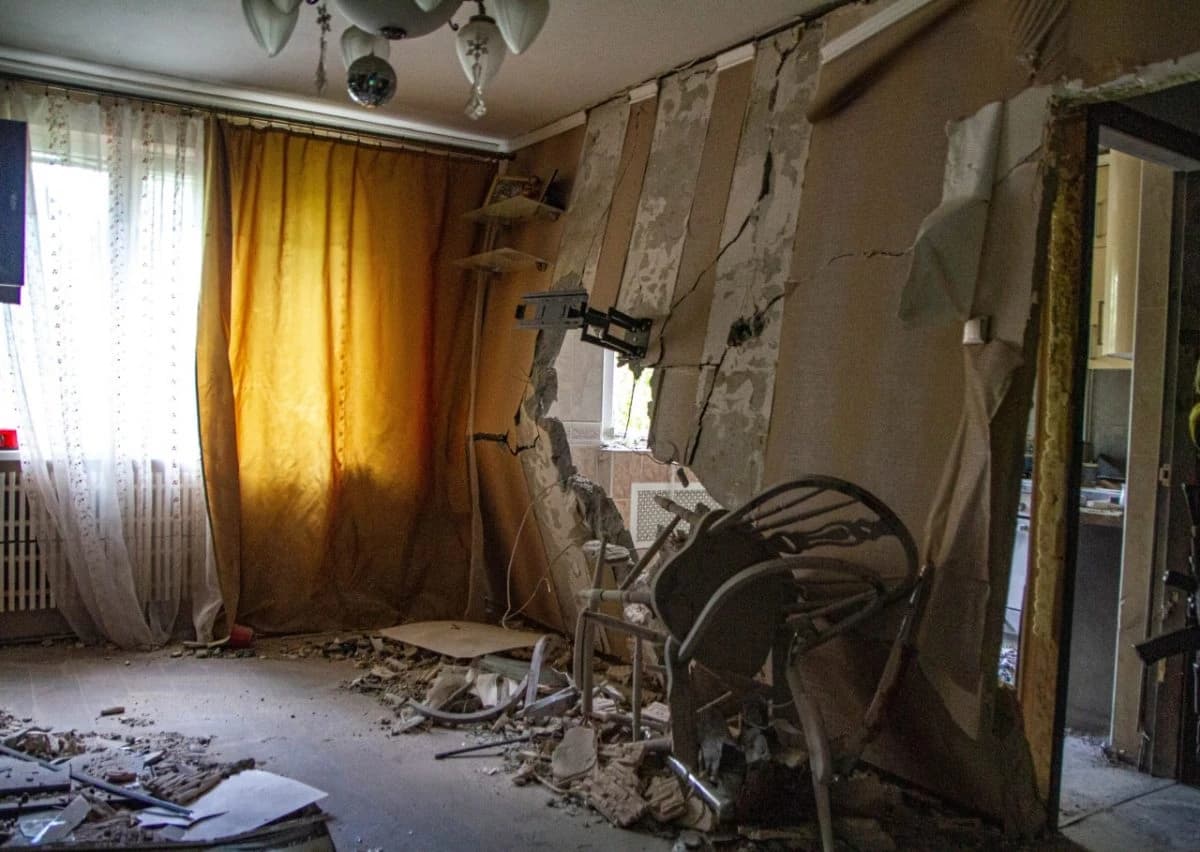
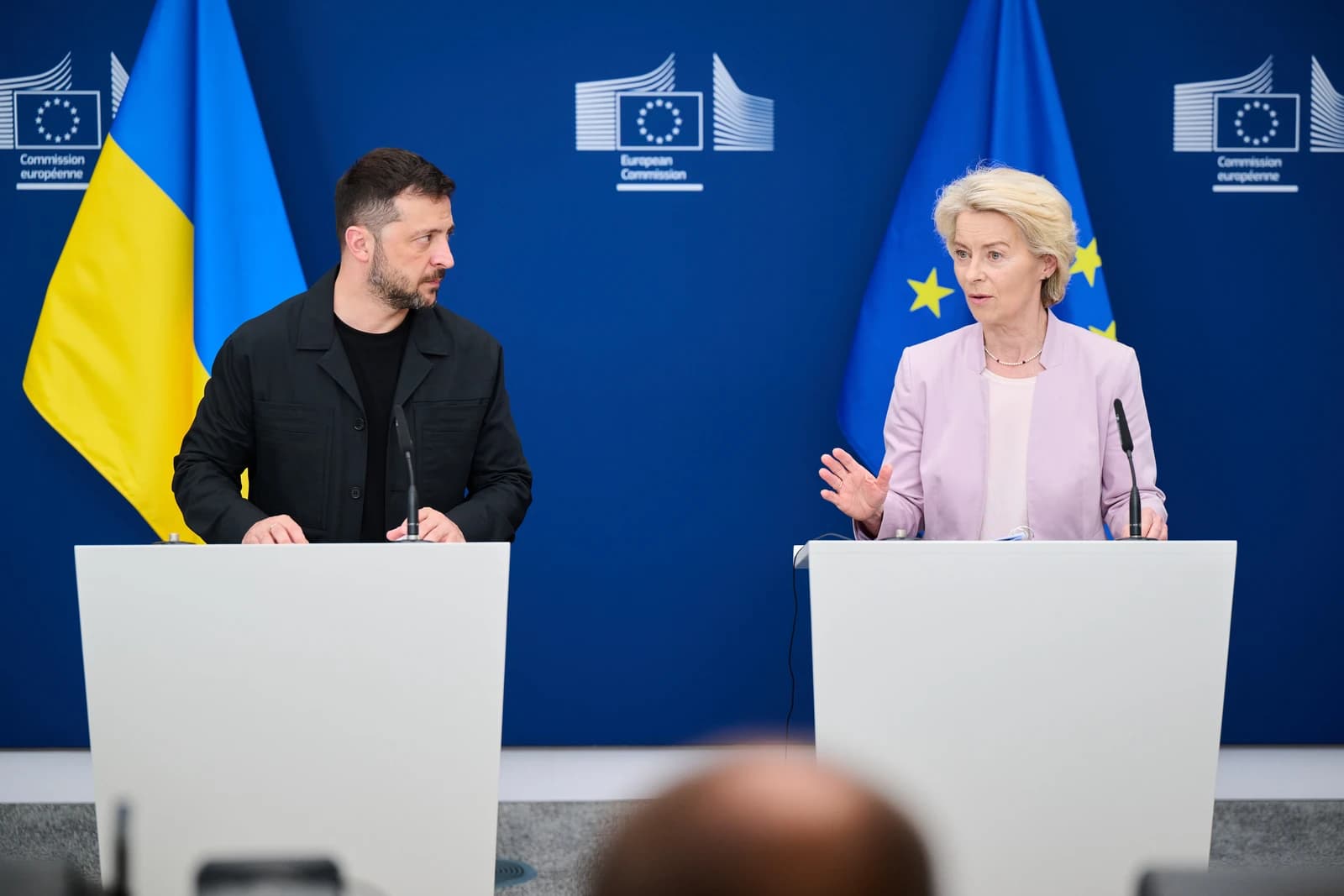
Ukraine President Volodymyr Zelensky’s push for a ceasefire underscores a central market and geopolitical reality: Moscow believes it has the stronger hand, and that asymmetry is shaping any prospect for talks.
Russia Ukraine Ceasefire Talks and Market Risks
That matters because the war is no longer just a battlefield contest. It is now a question of timing, leverage and endurance, with each side trying to force the other into concessions before winter, energy strain and dwindling political patience change the calculus. The latest reporting says Zelensky is presenting an unconditional ceasefire to US President Donald Trump partly as a genuine diplomatic move and partly as a tactical gamble, betting Russia will reject it and expose itself as the obstacle to peace.
The argument from Moscow remains the opposite. President Vladimir Putin said Kiev has been pressing for truces across the energy, air and Black Sea fronts, but insisted Russia will not agree to temporary pauses that would allow Ukrainian forces to rearm. Russian officials say they want a “stable peace” that addresses the causes of the conflict, not a short ceasefire that freezes gains.
For investors, the significance is not only military but macroeconomic. A prolonged war keeps a geopolitical risk premium embedded in European assets, energy pricing and defense spending expectations. It also leaves open the possibility of sanctions persistence, disrupted Black Sea trade and further pressure on Ukraine’s infrastructure and financing needs. In other words, even when the front line is relatively static, the economic damage keeps compounding.
The energy channel is the most immediate transmission mechanism. Russian rhetoric around strikes on Ukraine’s energy and air systems, and Kiev’s attempts to block the Black Sea coast, show that the war continues to target infrastructure critical to food, power and logistics. That keeps grain, shipping and fuel markets sensitive to any escalation, while raising the cost of insurance and supply-chain hedging across the region.
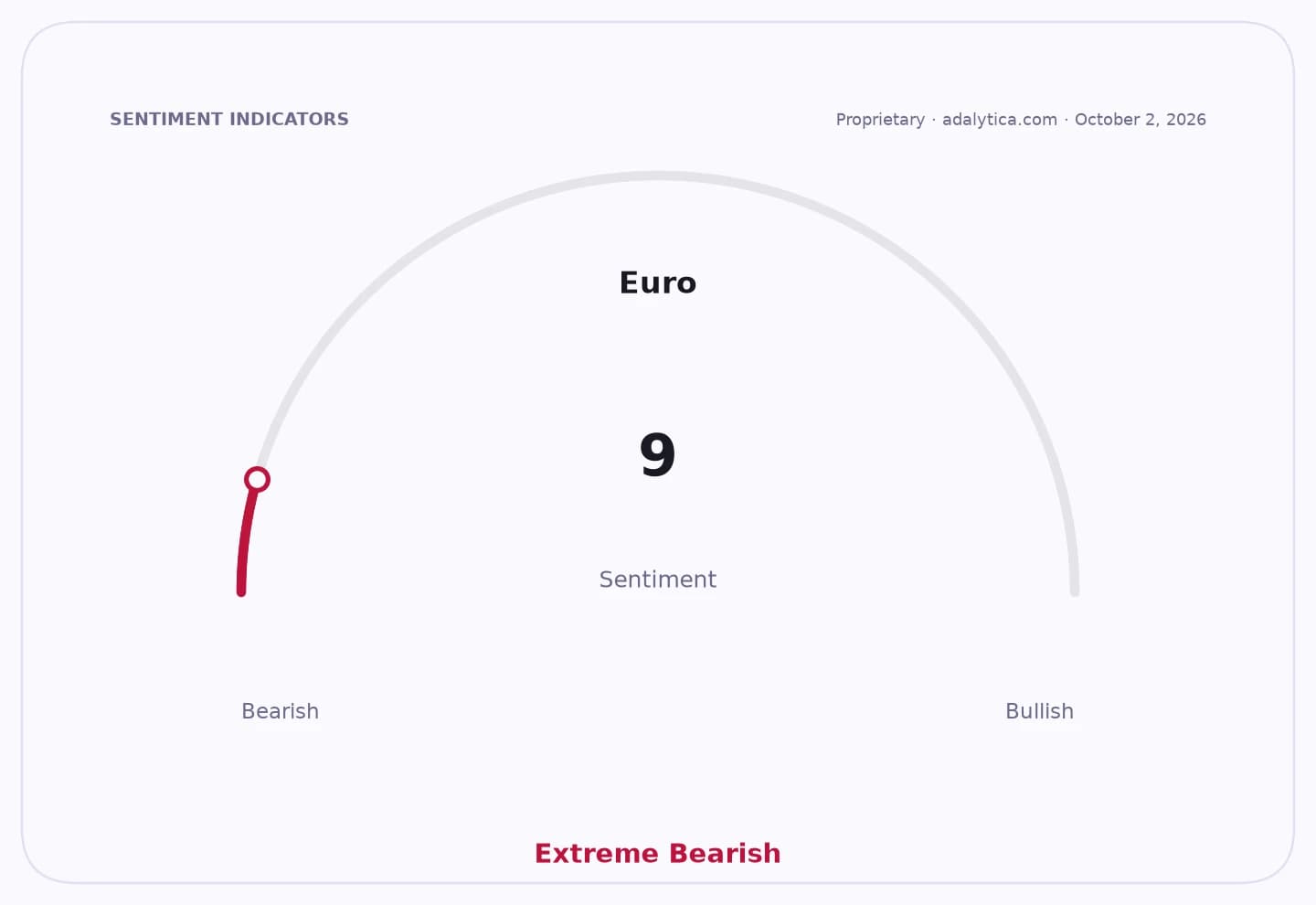
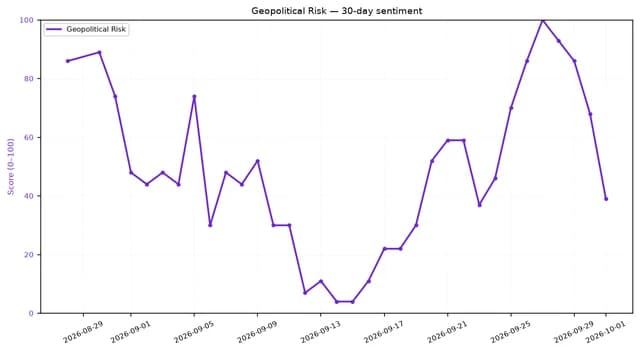
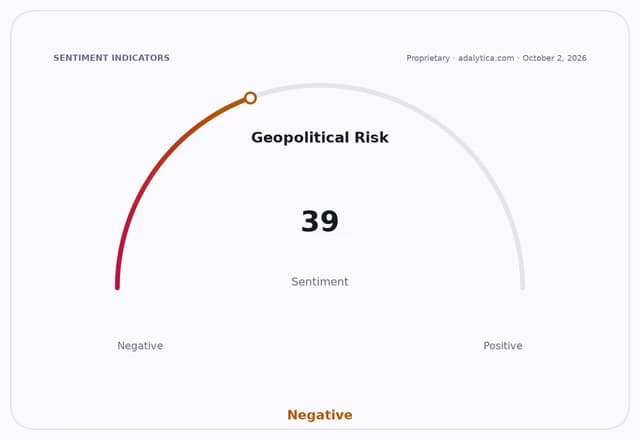
The broader market backdrop reflects that unease. Adalytica’s Global Stability Sentiment gauge has slipped to 39, neutral but down 18 points in a day, while its Euro Trade Signals sit at 9, an “Extreme Fear” reading. Gold’s own fear-and-greed gauge is also at 8, “Extreme Fear,” even as the metal’s price has eased from recent highs. The conventional message from those indicators is not complacency but caution: investors are still treating geopolitical risk as a live macro variable, not a headline backdrop.
That said, a ceasefire narrative can cut both ways. A credible path to talks would ease pressure on European risk assets, lower some energy volatility and support the euro and industrials. But if Moscow believes time is on its side, negotiations are likely to remain tactical rather than transformative, limiting any durable risk rally. The market’s base case, for now, remains a war that is difficult to end because neither side sees enough incentive to concede.
For investors, the key question is whether winter and battlefield attrition force a shift in negotiating power. Until then, peace overtures are likely to be read less as a breakthrough than as another move in a conflict where leverage still belongs to the side that can endure longer.
| Entity | Gains | Losses |
|---|---|---|
| Russia | ▲stronger bargaining leverage | ▼incentive to accept truce |
| Ukraine | ▲diplomatic cover for peace push | ▼leverage in negotiations |
| European energy/importers | ▲lower risk if ceasefire gains traction | ▼higher costs if war escalates |
| Defense stocks/oil bulls | ▲prolonged conflict demand | ▼ceasefire-led risk premium unwind |