Ukraine said it will temporarily halt air strikes on Russia while U.S. envoys travel to Moscow and Kiev for talks, a tactical concession that underscores how seriously the war’s latest diplomatic opening is being pursued and how much hangs on whether negotiations can produce even a limited ceasefire framework.
Ukraine Halts Air Strikes During U.S.-Russia Talks
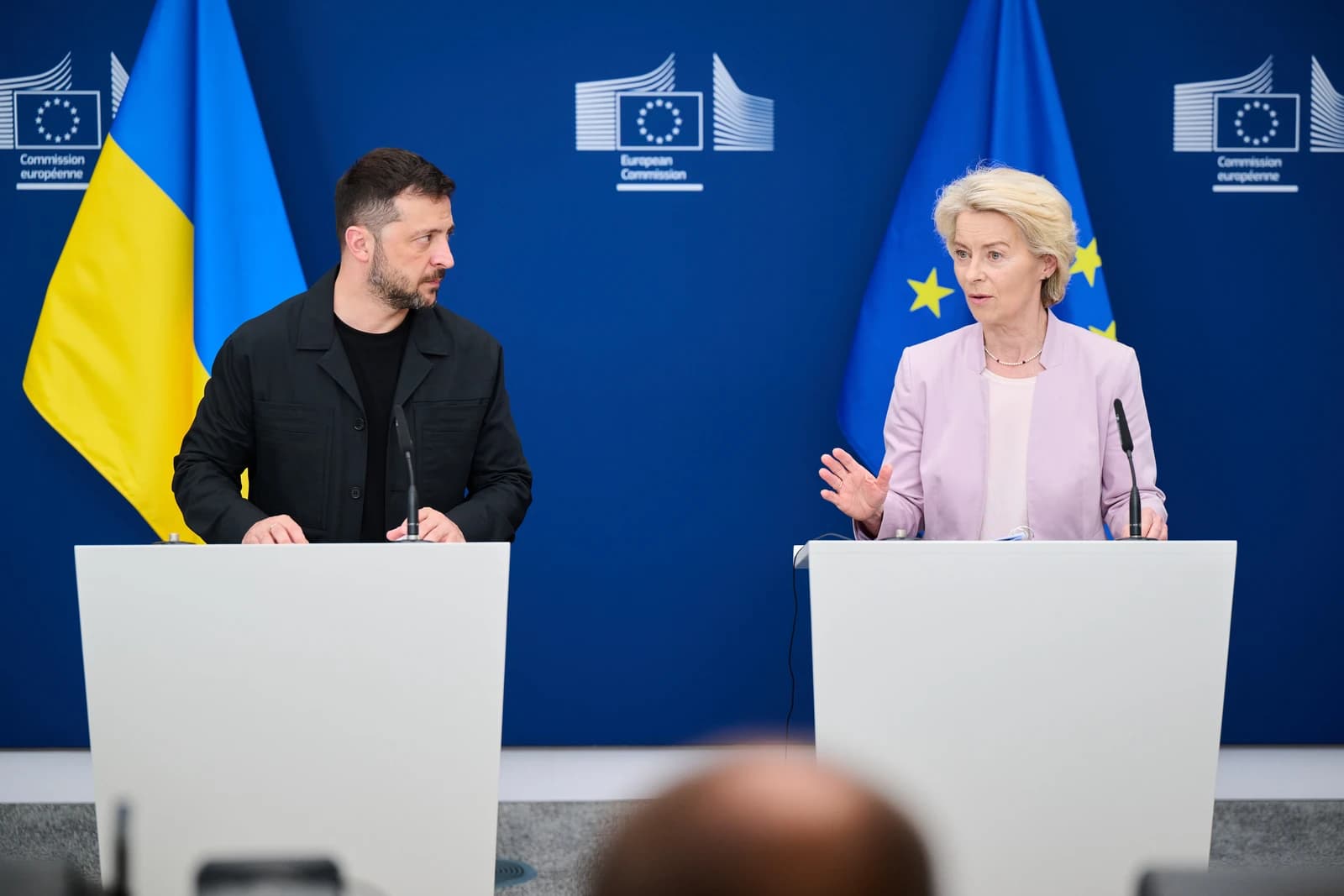
The move matters because it shifts the immediate balance from escalation to deconfliction at a moment when Washington is trying to test whether Moscow is prepared to engage on terms that could narrow the conflict. President Volodymyr Zelensky said Kyiv would refrain from strikes during the U.S. delegation’s trip for safety and negotiation logistics, while also pressing Russia to stop its own attacks over the same period. That makes the pause less a gesture of goodwill than a pressure tactic: Ukraine is signalling restraint to keep diplomacy alive, but is also trying to shift responsibility onto the Kremlin if the talks fail.
Sentiment IndicatorsⓘProprietary · adalytica.com · September 5, 2026
This is a snapshot — live sentiment, awareness and momentum for 130+ markets update continuously in the dashboard.Open AlphaPulse

The diplomatic sequencing is important. According to the reported plan, U.S. special envoy Steve Witkoff and adviser Jared Kushner were to go to Moscow first, meet President Vladimir Putin at the Kremlin, and then travel to Kiev to meet Zelensky. That is a rare, tightly choreographed shuttle effort and suggests the White House is trying to broker a concrete proposal rather than merely convene exploratory talks. President Donald Trump said the envoys were carrying a plan aimed at ending the war, which raises the stakes for any progress — or lack of it — in the coming days.
For markets, the immediate relevance is not just the possibility of peace, but the reduced probability of near-term escalation around energy, shipping and European risk assets. A real diplomatic thaw could ease the war premium embedded in parts of the region, support the euro and lift sentiment in European equities. That said, investors have been here before: rhetoric has often outpaced substance, and the absence of a verified, mutual pause in attacks means military risk remains elevated.
The backdrop is also shifting on the battlefield in the air. Zelensky said on Sept. 2 that Russian airspace was becoming increasingly dangerous as Ukraine’s drone campaign intensified, warning airlines, insurers and operators using Russian airports that the situation was deteriorating. Moscow in turn lodged a complaint with the International Civil Aviation Organization, accusing Kyiv of reckless conduct and insisting the notices had no legal standing. That exchange shows how the war is spilling into civilian logistics and aviation risk — an issue with broader implications for insurers, carriers and regional transport flows if airspace restrictions deepen.
Adalytica’s Global Stability sentiment gauge remains neutral at 44, but awareness is elevated at 85, a sign that the market is highly attuned to the diplomatic window even if conviction is still limited. That combination typically reflects a market waiting for hard confirmation before repricing risk. The euro trade signal has also improved, with sentiment at 59 and a sharp one-day rise, consistent with modest relief positioning around any prospect of lower geopolitical stress in Europe.
The bullish case for risk assets is straightforward: if the U.S. delegation can secure even a temporary freeze on strikes and a roadmap for broader talks, Europe’s geopolitical risk premium could compress quickly. The bearish case is equally clear: if the talks produce no tangible restraint, the pause in Ukrainian strikes may simply leave Russia with more room to press its advantage while negotiations unwind.
For investors, the key watchpoint is whether the temporary halt becomes the first operational step toward a wider ceasefire or merely a brief pause in an unchanged war. Until there is reciprocal action from Moscow, the diplomatic opening is real but fragile, and markets will treat it as a catalyst for volatility rather than a clean end to the conflict.
| Entity | Gains | Losses |
|---|---|---|
| Ukraine | ▲Diplomatic leverage | ▼Strike momentum |
| Russia | ▲Lower immediate attack pressure | ▼Negotiation pressure |
| U.S. envoys | ▲Diplomatic relevance | ▼Failure risk |
| European risk assets | ▲Peace premium | ▼War premium |