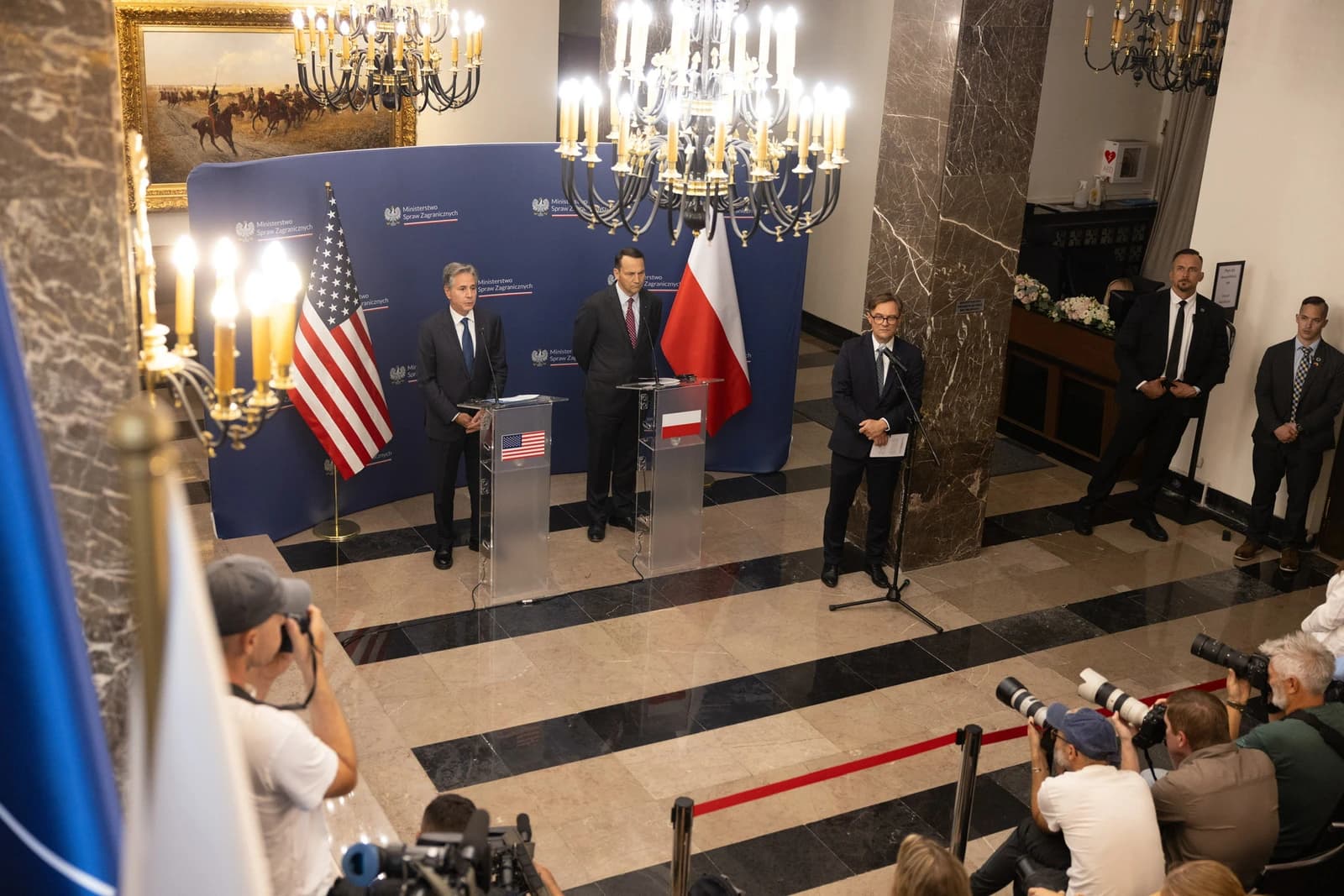
Ukraine’s war with Russia is increasingly being priced as a longer conflict, with President Volodymyr Zelensky saying it is likely to continue into the winter even as U.S. emissaries pressed Vladimir Putin in Moscow on possible ways to end it.
Ukraine war keeps oil and defense risk elevated

That matters because the conflict is no longer just a battlefield story: it is feeding directly into energy markets, European security risk and the odds of fresh sanctions or military spending. Brent-linked oil benchmarks jumped back above $91 a barrel in the latest move, underscoring how quickly geopolitics can still ripple through global fuel costs when negotiations stall or fighting intensifies.
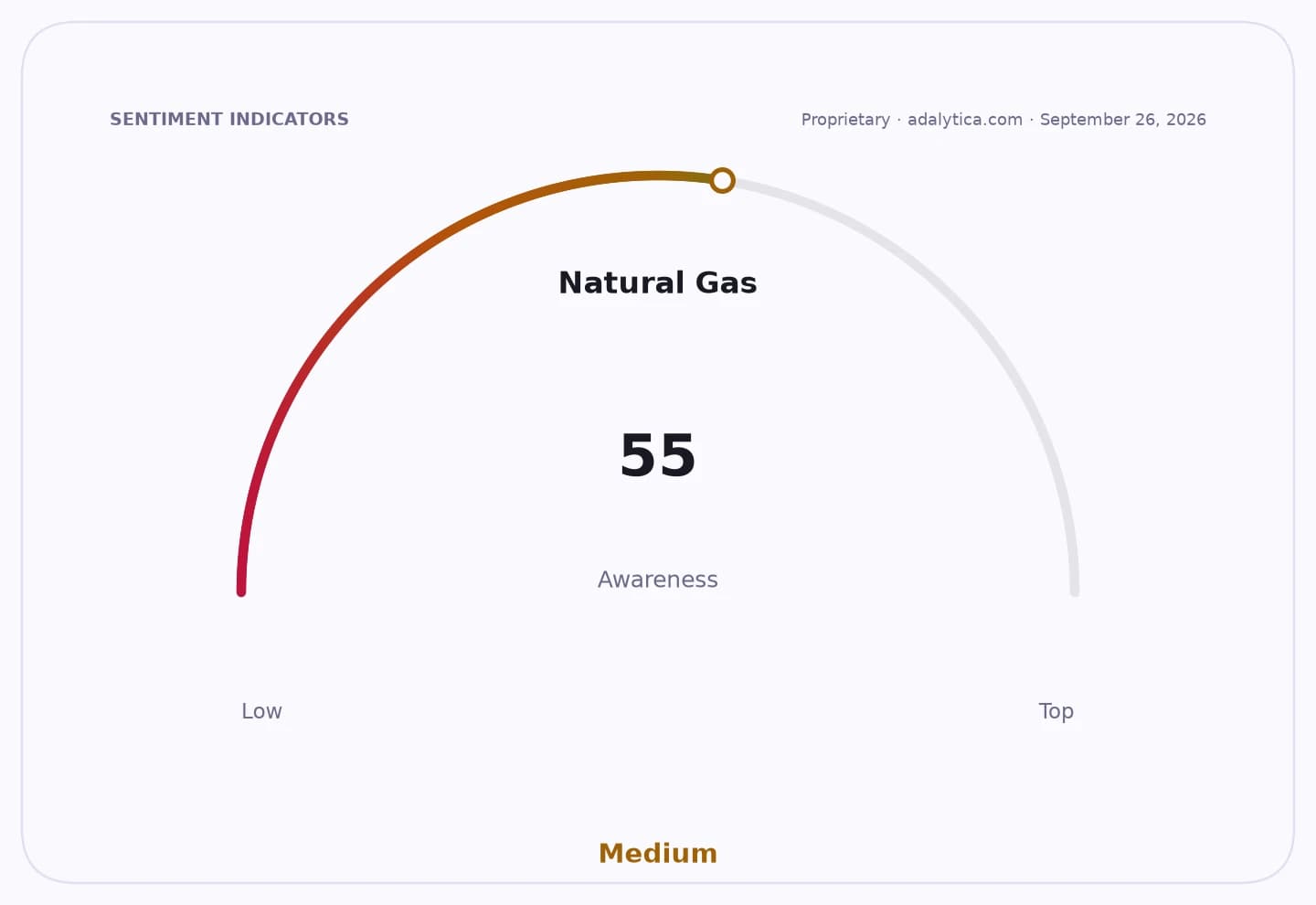
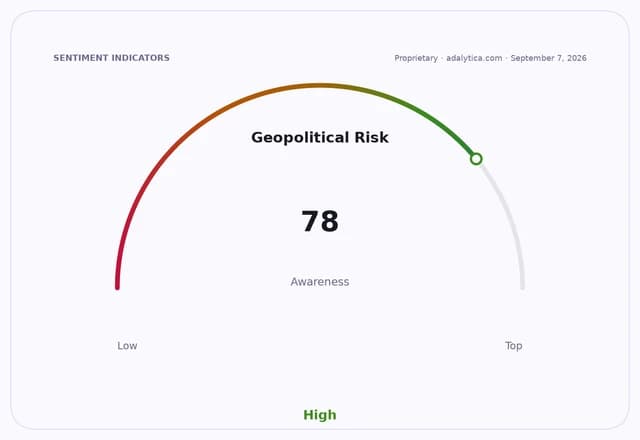
Sentiment IndicatorsⓘProprietary · adalytica.com · September 7, 2026
This is a snapshot — live sentiment, awareness and momentum for 130+ markets update continuously in the dashboard.Open AlphaPulse
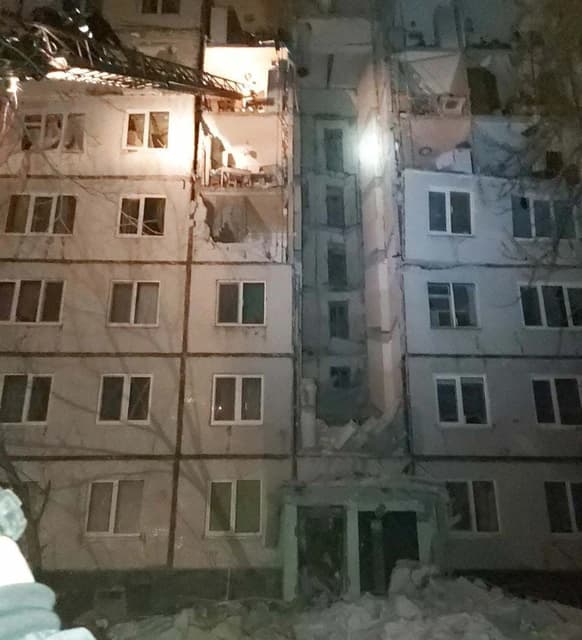
The diplomatic opening is real but fragile. Steve Witkoff and Jared Kushner met Putin in Moscow to discuss ending the war, while Kyiv announced a temporary ceasefire. Yet continued Russian attacks, including strikes that have caused civilian casualties, suggest neither side is close to the kind of compromise needed for a durable settlement. Zelensky’s warning essentially signals that winter logistics, troop reinforcement and Russia’s ability to sustain pressure may keep the war grinding on even if talks continue.
For investors, the implication is a renewed premium across energy, defense and Europe-sensitive assets. Oil prices have already shown how sharply they can react to conflict headlines, while major energy producers such as Shell, TotalEnergies and the broader U.S. energy sector have tracked higher as market participants factor in tighter supply-risk assumptions. Shell shares were near $93, TotalEnergies around $89, and the XLE energy ETF climbed to about $64 after a strong run, reflecting a market that still sees geopolitical disruptions as a support for producers.
Geopolitical Risk — 30-day sentimentadalytica.com
Explore this data interactively — full history, time series and cross-market comparisons.Open AlphaPulse
A prolonged war would also keep sanctions enforcement, shipping risk and European growth uncertainty in focus. That is especially relevant for companies exposed to the Russia trade or to higher transport and insurance costs, including tanker operators and commodity traders. It also raises the odds that governments extend or tighten restrictions rather than relax them, limiting any near-term normalization in Russian energy flows.
The bull case for markets is that continued diplomacy eventually reduces a risk premium that has periodically lifted crude, gas and defense stocks. The bear case is that winter fighting deepens damage to infrastructure, delays any ceasefire and keeps Europe vulnerable to energy and inflation shocks just as policymakers are trying to protect growth. For now, Zelensky’s message points to the latter scenario: a conflict with no quick resolution, and one that remains a live input for global markets.
| Entity | Gains | Losses |
|---|---|---|
| Oil producers | ▲Higher risk premium | ▼Lower volatility if peace emerges |
| Europe and Ukraine households | ▲Possible ceasefire relief | ▼Winter energy and security strain |
| Defense stocks | ▲Sustained demand | ▼Peace-driven spending slowdown |
| Tanker and sanctions-exposed shippers | ▲Higher freight premiums | ▼Contract and compliance risk |