Poland’s warning that Russia is likely to intensify provocations near Ukraine’s borders with European countries is the latest sign that the war is widening economically, even if the fighting itself remains concentrated in Ukraine.
Poland Warns of More Russia Provocations Near Ukraine
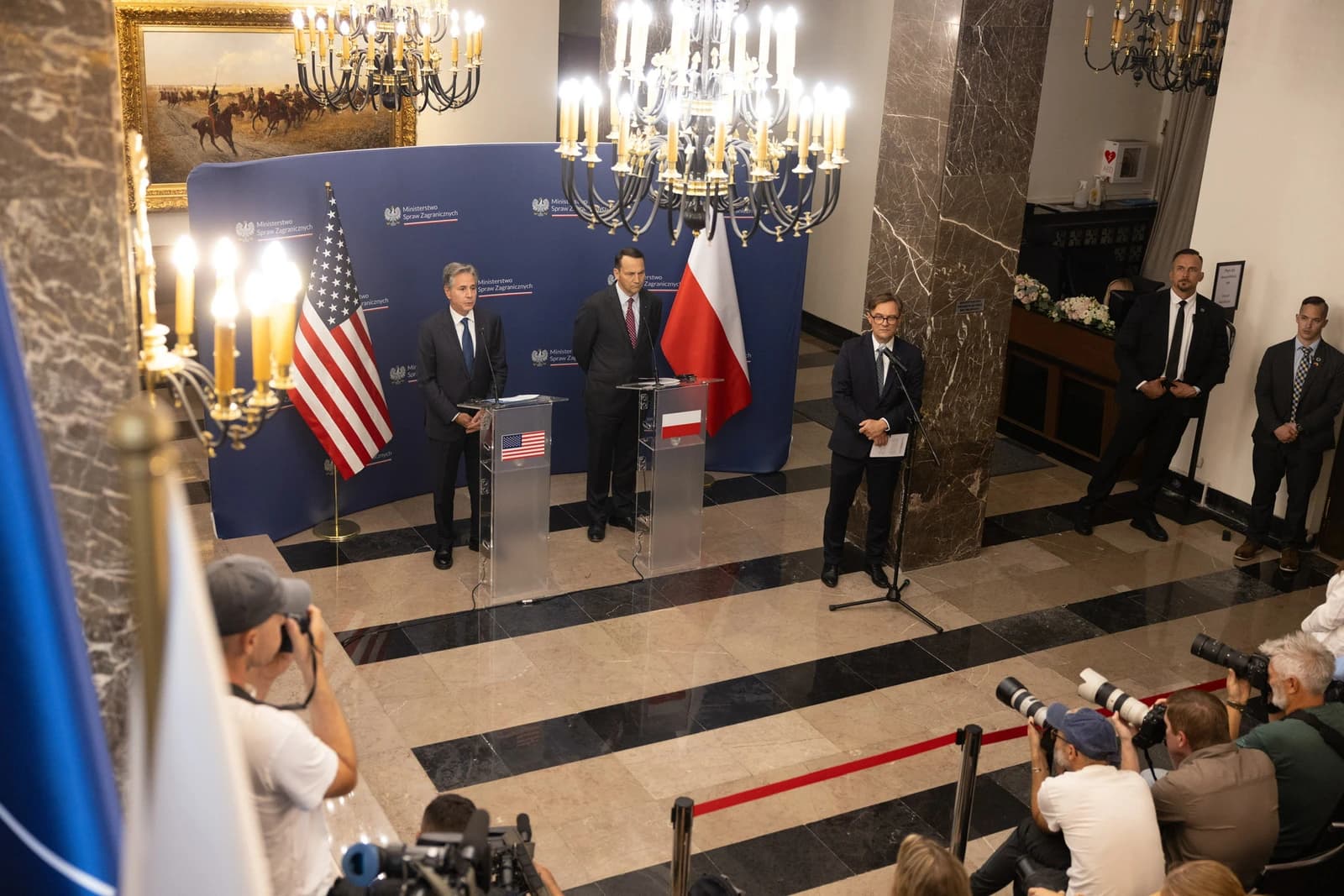
That matters because every fresh security scare across NATO’s eastern flank raises the odds of higher defense spending, tighter border controls, more supply-chain friction and a longer-lasting risk premium on European assets. For investors, the trade is increasingly clear: geopolitical stress is no longer just a headline risk, it is a capital-allocation theme that favors defense, energy security, gold and selective hard-asset exposure while pressuring Europe-sensitive risk assets.
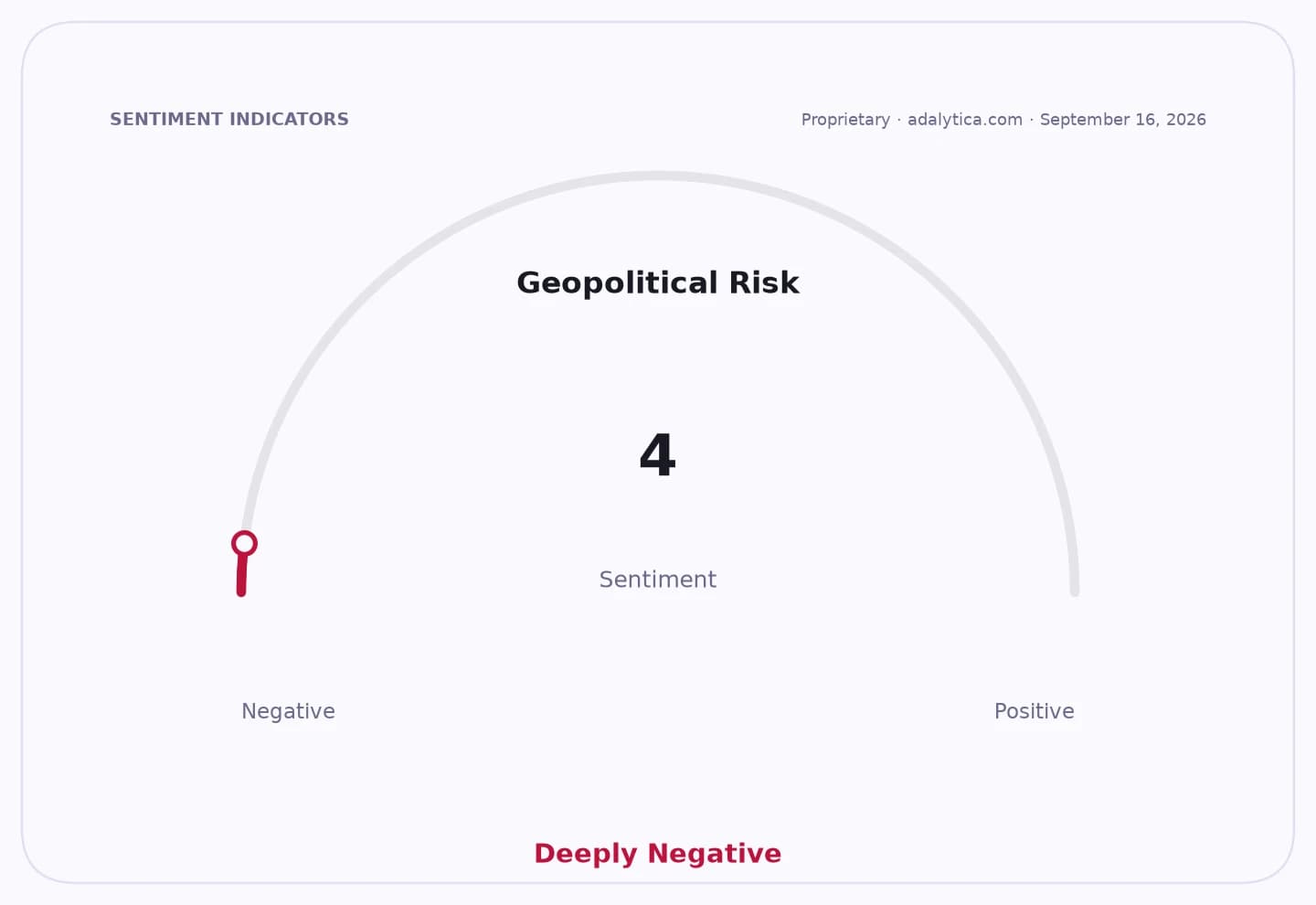
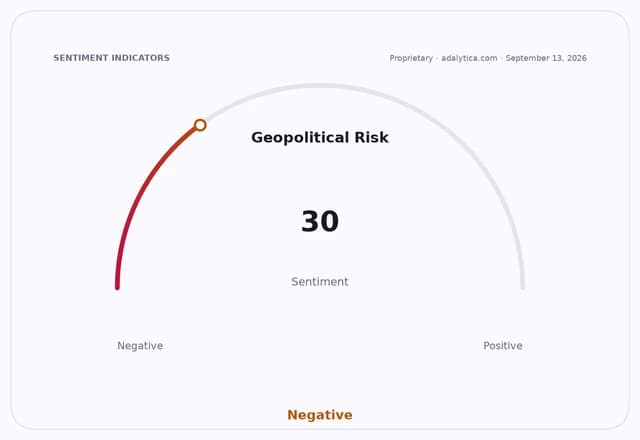
Sentiment IndicatorsⓘProprietary · adalytica.com · September 13, 2026
This is a snapshot — live sentiment, awareness and momentum for 130+ markets update continuously in the dashboard.Open AlphaPulse
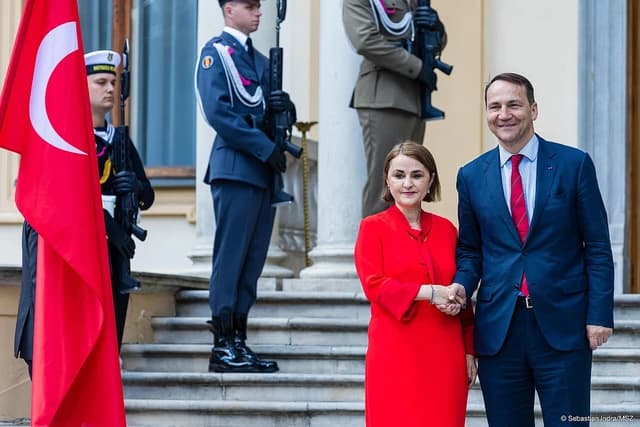
The market is already beginning to price that shift. Gold has extended a powerful run, with GLD closing at $398.77 on Sept. 11 after touching $490 earlier this year and still holding well above its 50-day moving average, a classic sign that investors continue to seek refuge even after the strongest part of the move. The ETF’s RSI readings have cooled from extreme levels but remain elevated enough to show persistent demand, not panic-driven exhaustion.
Oil is telling a similar story. USO finished at $154.90 on Sept. 11, close to its recent highs and far above both its 50-day and 200-day moving averages. That reflects not just supply concerns, but the broader market conclusion that geopolitical risk in Europe and the Black Sea region can spill into transport, insurance, shipping and energy pricing well before any direct supply shock hits barrels.
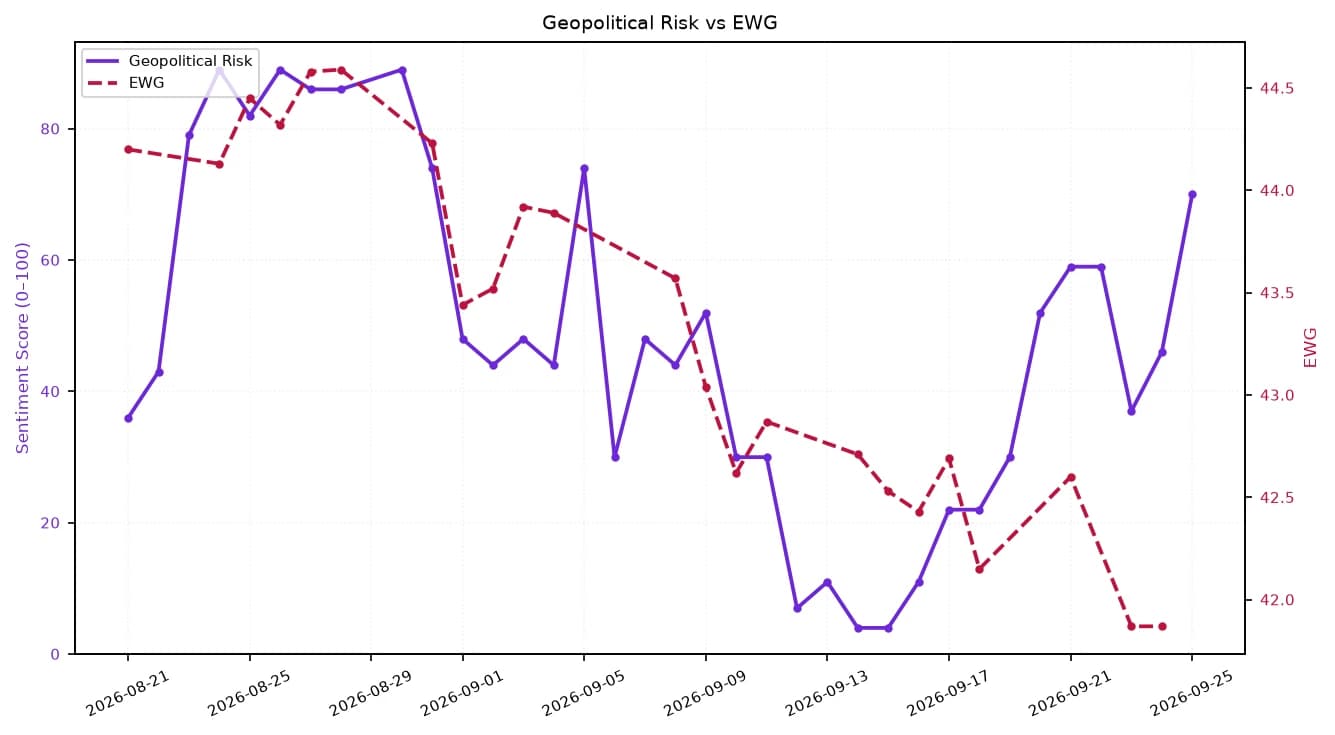
Geopolitical Risk — 30-day sentimentadalytica.com
Explore this data interactively — full history, time series and cross-market comparisons.Open AlphaPulse
The deeper issue is that Russia does not need a major battlefield breakthrough to keep markets unsettled. Provocations on borders, drone activity, airspace violations and pressure on transit routes are enough to keep Europe on edge and force governments to spend more on surveillance, air defense and logistics resilience. That is a structurally inflationary mix for defense budgets and a drag on confidence in the region’s more cyclical industries.
Adalytica’s Global Stability Sentiment gauge captures that deterioration: the reading sits at 30, in fear territory, and has fallen 42% over the past 30 days. The euro trade signal is even more telling, with sentiment at 19 and awareness at 100, suggesting investors are highly alert to the risk but still not fully positioned for the second-order effects on European growth, energy and defense demand.
Our view is that the market underestimates how durable this geopolitical tailwind can be for the winners. Defense contractors, drone-countermeasure suppliers, border-security firms and energy infrastructure names stand to benefit from a prolonged standoff. So do gold-linked exposures and some U.S. assets that gain when Europe’s risk discount widens.
The next catalyst is not necessarily a peace deal or a dramatic escalation. It is a steady drumbeat of incidents that forces European governments to spend more and investors to demand a higher risk premium. That is how geopolitical regimes change: gradually at first, then all at once in the capital markets. Position early in the sectors that gain from a more militarized Europe, because this is becoming a multi-year investment theme, not a one-off headline.
| Entity | Gains | Losses |
|---|---|---|
| Defense contractors | ▲Higher procurement demand | ▼Budget-constrained civilians |
| Gold / GLD holders | ▲Safe-haven inflows | ▼Risk-asset holders |
| Oil / USO bulls | ▲Geopolitical premium | ▼Transport-intensive sectors |
| Europe-sensitive equities | ▲— | ▼Higher risk discount |