India says the world is facing a four-pronged “4F crisis” in fuel, food, fertiliser and finance, pressing governments and investors to treat commodity shocks and capital stress as a single economic problem rather than separate headlines.
India Says World Faces 4F Crisis in Fuel Food Finance

External Affairs Minister S. Jaishankar told a multilateralism summit on the sidelines of the UN General Assembly that the global order is “under stress” and that rising geopolitical competition, tensions and conflicts are worsening supply-chain chokepoints. He argued that fuel, food, fertiliser and finance “cannot be left to itself,” warning that the strain is now reaching peace, security, development finance and disaster resilience.
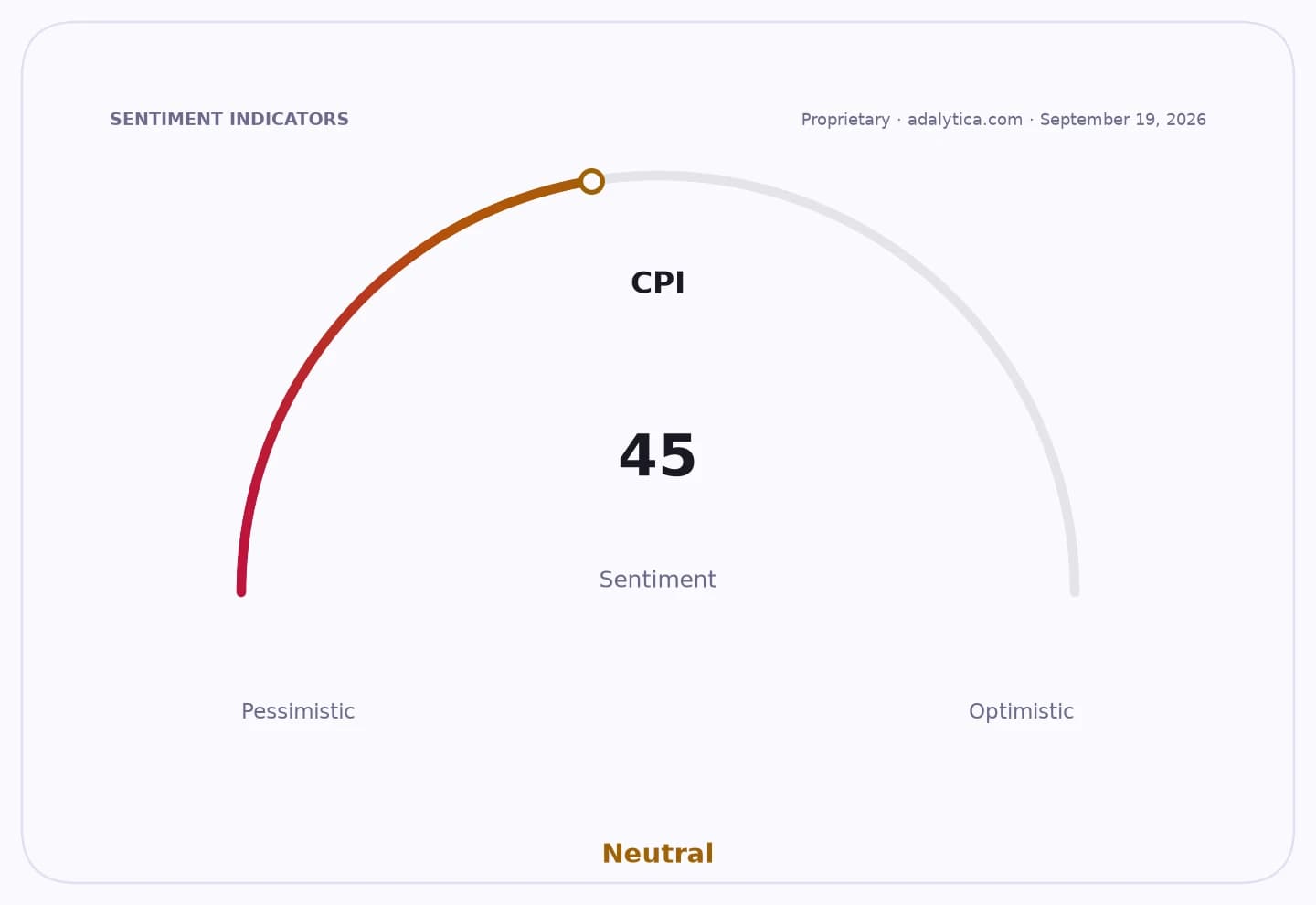
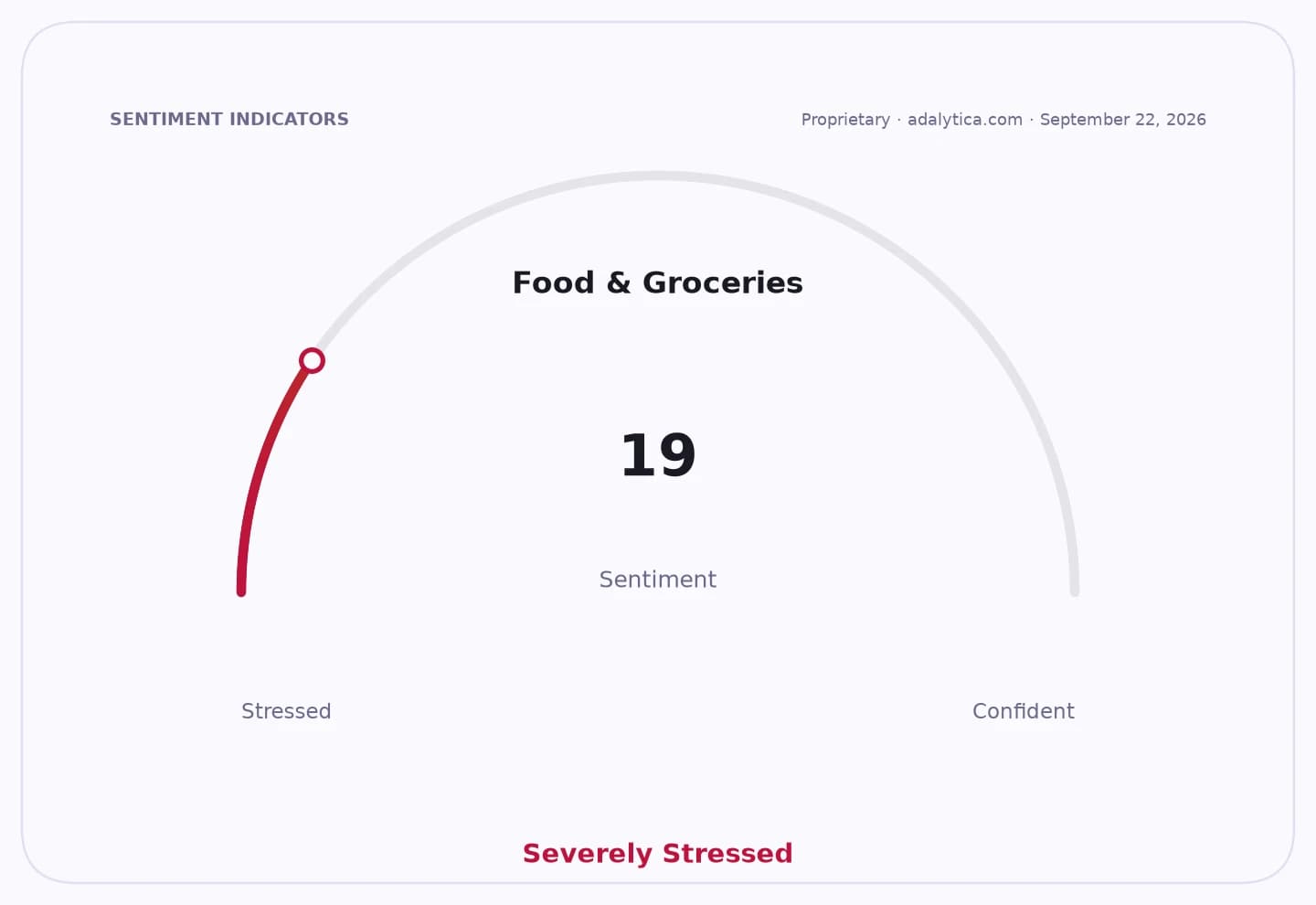
Sentiment IndicatorsⓘProprietary · adalytica.com · September 26, 2026
This is a snapshot — live sentiment, awareness and momentum for 130+ markets update continuously in the dashboard.Open AlphaPulse

The warning lands as commodity markets remain volatile. Brent-linked U.S. Oil Fund prices have rebounded to $153.09 after touching $144.08 two days earlier, while wheat and corn prices are still elevated, with the CORN ETF at $19.68 and the WEAT ETF at $25.57. India’s own policy concerns have intensified after the Commerce Ministry denied any increase in commodity prices even as raw-material costs and import channels stay under pressure.
For India, the message is also diplomatic: New Delhi is signaling that supply security, not just trade liberalization, will drive its multilateral agenda. Jaishankar said countries should build “frameworks and guardrails” where new risks emerge and favor “de-risking and diversifying” where choke points and disruptions can hit energy, food and industrial inputs.
DGS10 vs DCOILWTICO — macro contextadalytica.com
Explore this data interactively — full history, time series and cross-market comparisons.Open AlphaPulse
For investors, the 4F frame matters because it ties together inflation, margins and policy risk. Higher fuel prices feed transport and input costs; dearer food and fertiliser affect emerging-market budgets and farm demand; and tighter finance can amplify every shock by lifting funding costs and squeezing trade flows. That mix tends to favor energy producers and commodities traders while pressuring consumers, importers, fertilizer buyers and countries dependent on external financing.
The broader backdrop is a world still wrestling with conflicts, supply chain fragility and uneven growth. India is using the UN platform to argue that those pressures are now systemic, and that markets should expect more policy intervention, more calls for diversification and a longer tail of volatility across commodities and cross-border capital flows.
| Entity | Gains | Losses |
|---|---|---|
| Energy producers | ▲Higher realized prices | ▼Consumers and importers |
| Farmers and grain exporters | ▲Strong crop pricing | ▼Food-importing countries |
| Fertiliser makers | ▲Tighter supply supports pricing | ▼Farmers facing higher input costs |
| Emerging-market borrowers | ▲More policy focus on financing channels | ▼Governments under external funding stress |